
Sergei Ivanov Dies at 73: Putin's KGB Inner Circle
Death of a Kremlin Insider Sergei Ivanov died at the age of 73. The announcement came on Friday from the VTB United League basketball organization, where he had served as honorary president. No official cause of death was released by Russian authorities or family members. Meduza reported rumors circulating in Moscow of a severe long-term illness that had kept Ivanov out of publ
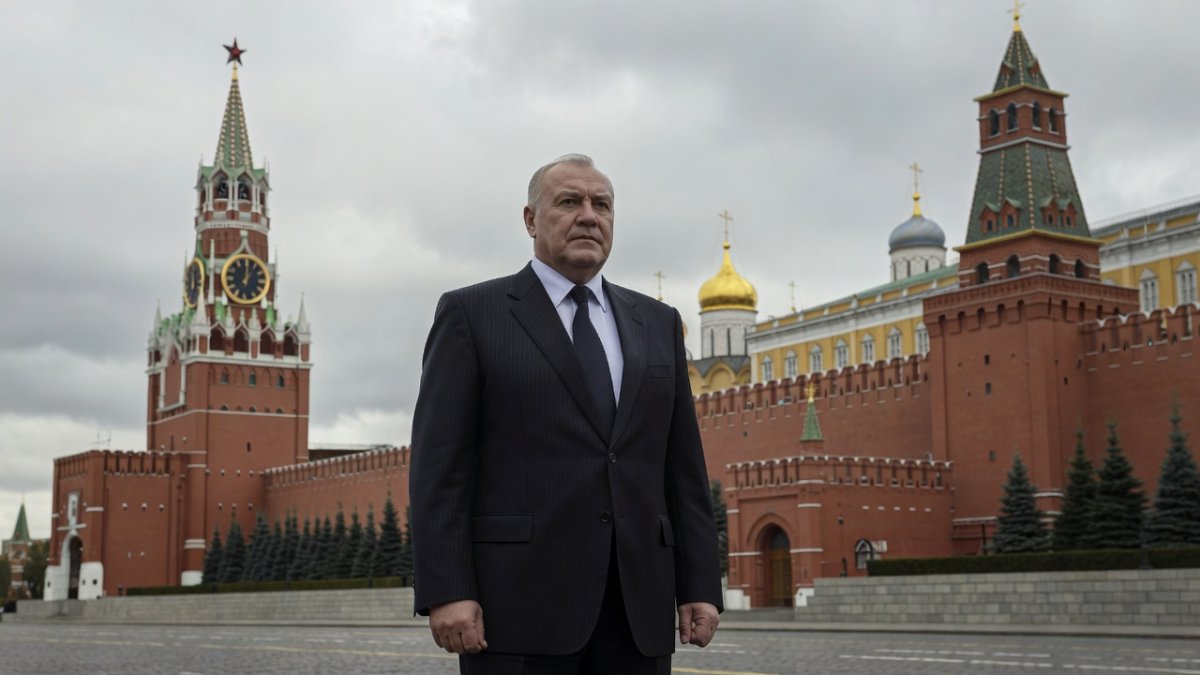
Death of a Kremlin Insider
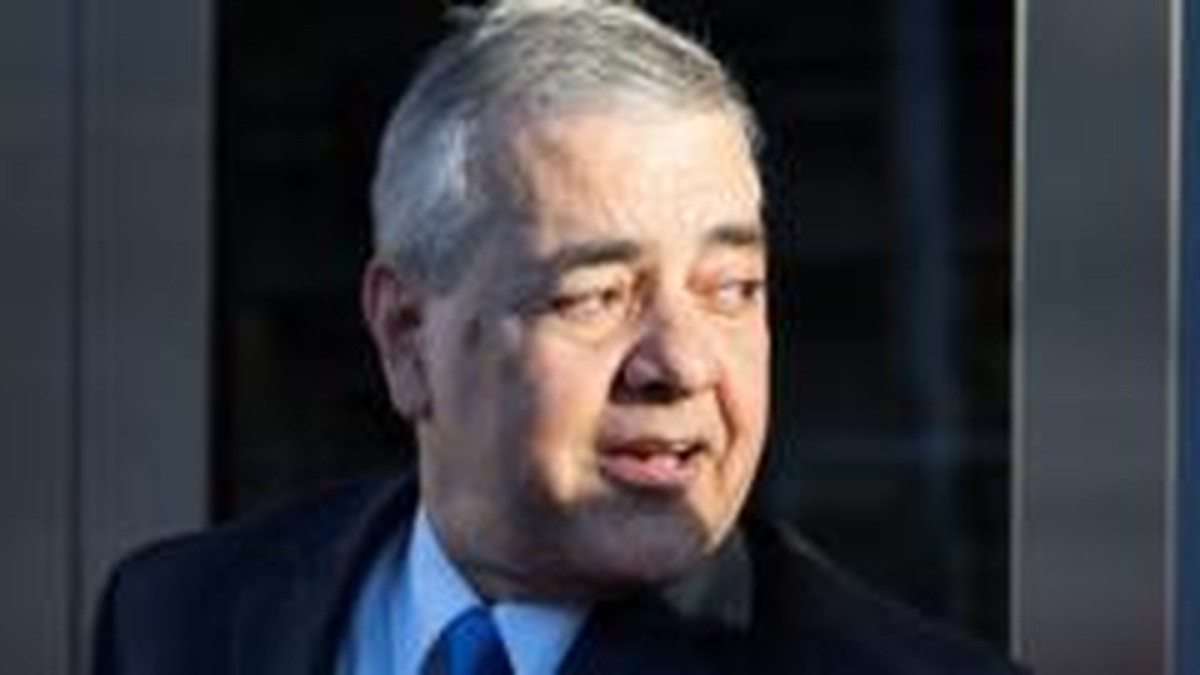
Sergei Ivanov died at the age of 73. The announcement came on Friday from the VTB United League basketball organization, where he had served as honorary president. No official cause of death was released by Russian authorities or family members. Meduza reported rumors circulating in Moscow of a severe long-term illness that had kept Ivanov out of public view in recent months.
The Kremlin issued a single-sentence statement in which President Vladimir Putin expressed deep condolences. The brevity of the message stood in contrast to the decades-long association between the two men. Ivanov’s passing removes one of the last remaining figures from Putin’s earliest circle in the security services.
Within the siloviki networks that underpin Kremlin decision-making, Ivanov occupied a distinctive position. He moved between intelligence, defense, and administrative roles without ever forming an independent power base that challenged the presidential administration. His death therefore prompts questions about continuity rather than rupture inside those structures.
Observers in Moscow noted that the timing, less than a year after his dismissal from a minor advisory post, underscored how former senior officials can fade from visibility once they pass formal retirement thresholds. The VTB United League statement provided the only public confirmation available this week.
Ivanov and Putin first met in the 1970s inside the Leningrad directorate of the KGB. Both men entered the organization during the Brezhnev era, when the security services offered structured career paths for university graduates from the city’s technical institutes. Their shared background in Leningrad shaped later appointments once Putin rose to national leadership.
While Putin left the KGB to enter the St. Petersburg mayor’s office in the early 1990s, Ivanov remained inside intelligence structures. He advanced to senior positions in the Foreign Intelligence Service, an agency that maintained operational independence from domestic security organs during the turbulent post-Soviet transition.
This divergence in career tracks illustrated the different routes available to siloviki officers after the Soviet collapse. Those who stayed in foreign intelligence often retained access to international networks, while those who entered regional politics cultivated administrative experience. The two paths converged again in Moscow at the end of the decade.
Putin’s return to the capital in 1996 and subsequent appointment as FSB director created the conditions for Ivanov’s own advancement. The Leningrad connection provided the personal trust that later translated into successive high-level postings across multiple ministries and councils.
From Intelligence to Defense Ministry
Putin named Ivanov his deputy at the FSB in 1998. The following year Ivanov moved to the Security Council as secretary, a position that coordinated policy among the power ministries. In 2001 he became defense minister, serving through Putin’s first two presidential terms until 2007.
The Defense Ministry during those years oversaw the initial stages of military reform and the integration of former KGB personnel into uniformed structures. Ivanov’s tenure coincided with increased state funding for the armed forces and a reassertion of central control over regional military districts.
After Putin moved to the prime minister’s office in 2008, Ivanov served as deputy prime minister during Dmitry Medvedev’s presidency. This period placed him at the intersection of economic and security policy, particularly in sectors involving state corporations and strategic industries.
His appointments reflected the broader pattern in which siloviki officers rotated through civilian and military posts while remaining anchored to the presidential administration. The Security Council and Defense Ministry both operated under direct presidential oversight, limiting the scope for independent institutional power.
Commanding the Presidential Administration
From 2011 to 2016 Ivanov served as chief of staff of the Presidential Administration in Moscow. In that role he managed the daily operations of the executive office and coordinated the flow of information between the president and federal agencies. The position placed him at the center of personnel decisions and policy implementation.
The Presidential Administration functions as the primary instrument of vertical power in the Russian system. Ivanov’s tenure overlapped with the period following the 2011–2012 protest wave, when the Kremlin tightened control over regional governors and state media. His background in the security services informed the administrative approach to these tasks.
Colleagues from the Foreign Intelligence Service and FSB continued to occupy key posts throughout this period. Ivanov’s presence in the administration helped maintain continuity between the intelligence community and the civilian bureaucracy, a linkage that has characterized Kremlin governance since the early 2000s.
By 2016 the structure of power had shifted toward a narrower circle of advisers. Ivanov’s subsequent reassignment to a special representative role on environment and transportation issues marked the beginning of a gradual withdrawal from daily decision-making.
The Long Goodbye: Ivanov's Later Years
In 2016 Ivanov was appointed special representative for environment and transportation. The post carried limited operational authority compared with his earlier positions in the Defense Ministry and Presidential Administration. He held the position until February, when he was dismissed less than a week after turning 73.
Russian law sets a standard retirement age of 70 for senior officials, though exceptions have been granted in cases of continued utility to the presidential administration. Ivanov’s three years of service beyond that threshold reflected the informal flexibility that exists within Kremlin personnel practices.
The dismissal occurred quietly, without public ceremony or detailed explanation from the presidential press service. In recent days, following the announcement of his death, some commentators in Moscow have interpreted the February decision as the final administrative step in a long process of marginalization that began after 2016.
Throughout these later years Ivanov retained the honorary presidency of the VTB United League, a role that kept a minimal public profile without engaging core security or economic policy. The basketball organization’s Friday statement therefore became the first official notice of his passing.
The Siloviki Succession Question
Ivanov’s career trajectory exemplified the integration of KGB veterans into post-Soviet governing institutions. The siloviki cohort that entered federal service in the late 1990s now faces generational turnover as its members reach or exceed retirement age. His death removes one of the earliest and most consistent members of that group.
Succession within the security structures has historically been managed through direct presidential appointment rather than institutional competition. The FSB, Foreign Intelligence Service, and Security Council remain subordinate to the Presidential Administration, reducing the likelihood of autonomous power centers emerging from within their ranks.
Other perspectives in Moscow emphasize that younger officials from the same Leningrad and St. Petersburg networks have already assumed mid-level positions across the ministries. These individuals operate under tighter oversight than their predecessors, reflecting adjustments in the balance between personal loyalty and institutional autonomy.
The absence of any public discussion of Ivanov’s health prior to the VTB United League announcement illustrates the controlled information environment surrounding senior officials. This practice applies across the siloviki community and limits external assessment of internal dynamics.
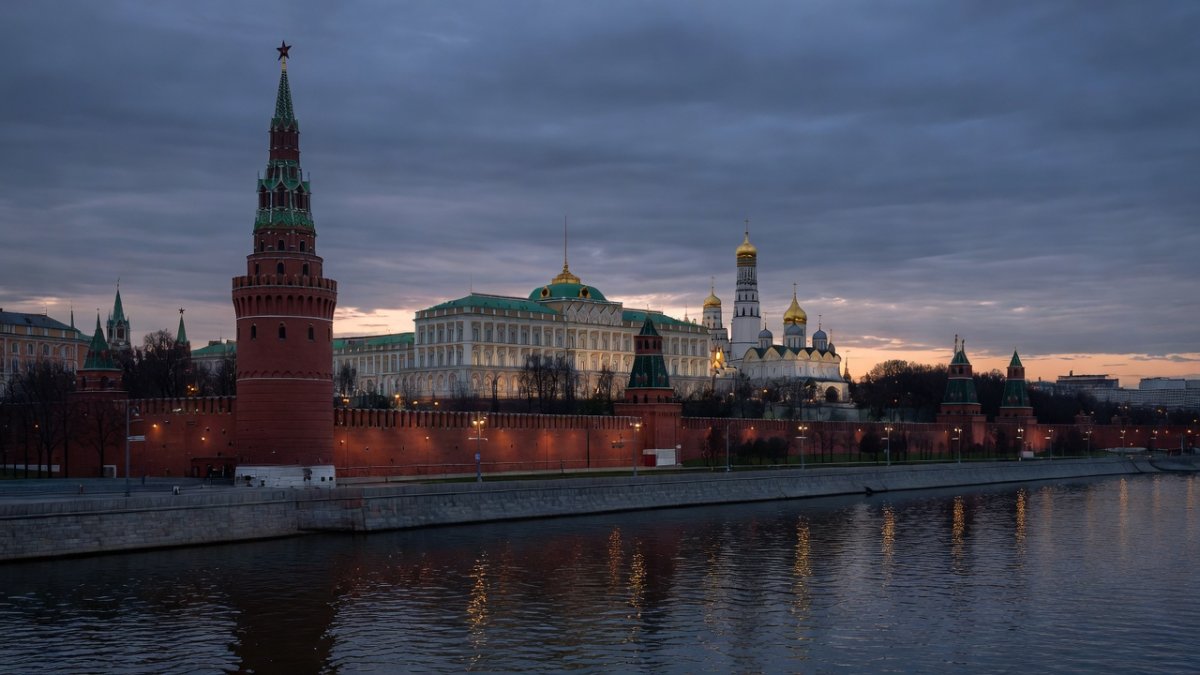
Analysis: What Ivanov's Passing Reveals
The one-sentence Kremlin statement and the Friday announcement from the VTB United League together illustrate how the deaths of former high officials are handled within the current system. Attribution of the cause remains with medical authorities or family, while official recognition stays minimal.
Interpretation of Ivanov’s trajectory suggests that long service in the intelligence and administrative apparatus does not guarantee indefinite influence once formal age limits are reached. His reassignment in 2016 and dismissal in February indicate a structured process of phased withdrawal rather than abrupt removal.
From the standpoint of Kremlin power structures, the Leningrad KGB cohort provided an initial foundation of trust that later appointments reinforced. As that cohort diminishes, the presidential administration continues to draw personnel from the same security services, preserving continuity in recruitment patterns.
Observers note that the siloviki remain embedded across the Defense Ministry, FSB, and Foreign Intelligence Service, yet their collective weight relative to other bureaucratic factions has fluctuated with presidential priorities. Ivanov’s career offers one documented example of how individuals navigated those shifts without establishing independent authority.
Further developments in Moscow may clarify whether his passing prompts any visible adjustment in personnel or policy coordination among the remaining senior figures from the same era. At present, the available record shows only the official condolences and the league’s announcement.
Source: The Moscow Times, Meduza, Kremlin.ru
By Irina Volkov, Staff Writer
This article was produced with AI-assisted research and editorial support. Reporting is based on sources cited in the article.
What's Your Reaction?
 Like
0
Like
0
 Dislike
0
Dislike
0
 Love
0
Love
0
 Funny
0
Funny
0
 Wow
0
Wow
0
 Sad
0
Sad
0
 Angry
0
Angry
0
Russia/Eastern Europe Correspondent at Global1.News. Covering Russian politics, energy, security, and the shifting dynamics of the post-Soviet space. Provides clear-eyed analysis on one of the world's most opaque regions.











Comments (0)