
Ghana TikToker Jailed for False Claims About Mahama
In the bustling markets of Accra and the quiet villages along the Volta River, conversations about power, truth, and the screens in our pockets have taken on new urgency. A recent court decision in Ghana has placed one woman's TikTok videos at the center of a much larger conversation about how West African societies handle the flood of information that now shapes daily life from Dakar to Lagos.
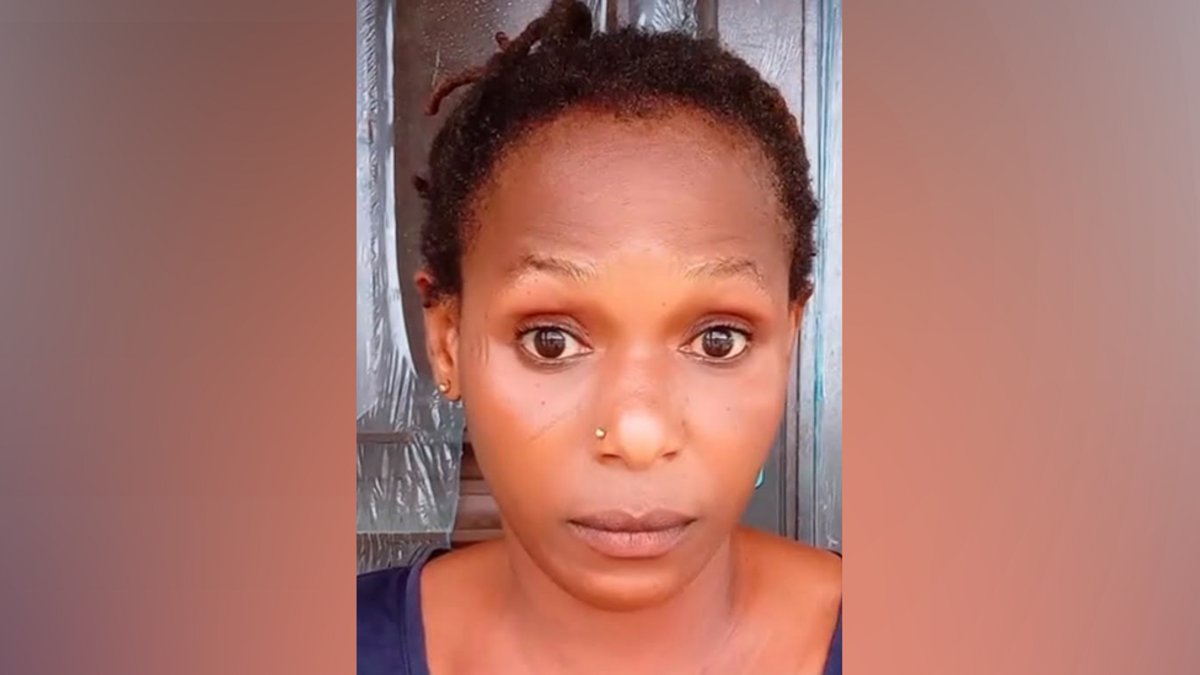
In the bustling markets of Accra and the quiet villages along the Volta River, conversations about power, truth, and the screens in our pockets have taken on new urgency. A recent court decision in Ghana has placed one woman's TikTok videos at the center of a much larger conversation about how West African societies handle the flood of information that now shapes daily life from Dakar to Lagos.
The Case Against Camilla Alhassan
Camilla Alhassan, a 43-year-old content creator with more than 70,000 followers on TikTok, was sentenced to one year in prison after pleading guilty to charges of offensive conduct and publication of false news. The posts in question, shared last month and early this month, accused President John Mahama of sacrificing 32 cows in a ritual intended to secure victory in the 2024 general election. She further claimed that a government program distributing sanitary pads to flood victims served as a cover for those alleged actions.
Prosecutors presented the videos as a series of false and defamatory statements made without evidence. The judge rejected requests for a lighter sentence, stating that a custodial term was required to discourage similar behavior. Alhassan's arrest earlier this month followed the rapid spread of her content, which drew widespread attention across Ghanaian social media platforms.
The ruling has prompted quiet discussions in homes and online forums about the responsibilities that come with large followings. Many Ghanaians who rely on TikTok for news and commentary now wonder where the line falls between personal opinion and content that crosses into criminal territory.
Ghana's Growing Crackdown on Social Media
This is not the first instance of an influencer facing prison time in Ghana. Last September, David Kwodwo Prah Afful, known online as Kwame Nkrumah II, received a seven-month sentence after being convicted of making a death threat and engaging in offensive conduct likely to breach the peace. His viral video had targeted President John Mahama and members of parliament.
President John Mahama has previously signaled his administration's intent to address misinformation. At a press conference last year, he stated that authorities would track down and arrest individuals spreading falsehoods, hate speech, or statements intended to cause fear and panic. Communications Minister Samuel Nartey George announced plans around the same time to introduce legislation aimed at creating a legal framework for enforcement while attempting to preserve free speech protections.
These developments reflect a broader effort by Ghanaian officials to respond to the speed at which unverified claims can circulate. The country's constitutional safeguards for expression remain in place, yet the practical application of those protections is being tested by cases involving popular social media personalities.
The Free Speech Debate in West Africa
Across West Africa, the tension between limiting harmful content and preserving open discourse plays out differently in each nation. Ghana has long been viewed as one of the region's more stable democracies, with a lively press and active civil society. Yet the rise of platforms like TikTok has introduced new challenges that older laws were not designed to address.
Rights advocates in the region often point out that criminal penalties can discourage legitimate criticism of those in power. At the same time, ordinary citizens express frustration when false stories about elections, health programs, or community resources spread rapidly and create confusion. In Senegal, where I have covered similar debates, families gather around shared phones to sort through competing claims about government initiatives, highlighting how digital spaces now intersect with everyday decision-making.
The Camilla Alhassan case has renewed calls for clearer guidelines that protect both public order and the ability of citizens to question authority without fear of swift prosecution. Finding that balance remains an ongoing process rather than a settled matter.
In Senegal, where I grew up, the 2021-2022 period brought similar tensions into sharp focus. During protests following the arrest of opposition leader Ousmane Sonko, authorities temporarily restricted access to certain platforms and messaging services. Citizen journalists and ordinary users stepped in with live videos and voice notes that reached audiences across Dakar and rural Thiès, showing both the power of these tools and the risks when content spreads without verification. Local groups like the African Freedom of Expression Exchange documented how such restrictions affected daily reporting on markets and transport disruptions that matter to families trying to plan their days.
Across the region, constitutions in Senegal, Côte d'Ivoire, and Nigeria all contain language protecting freedom of expression, yet digital realities test those guarantees in new ways. Courts in Abidjan have handled cases involving Facebook posts about election logistics, while Nigerian authorities have pursued bloggers under cybercrime laws that predate widespread TikTok use. The challenge lies in distinguishing between genuine public interest commentary and statements that could incite unrest, especially when information travels faster than traditional verification methods used by community radio stations in places like Tamale or Saint-Louis.
Digital Regulation Across the Region
Countries throughout West Africa continue to experiment with approaches to social media oversight. Some have pursued new statutes focused on disinformation, while others rely on existing criminal provisions related to defamation or public order. The proposed Ghanaian legislation mentioned by Minister Samuel Nartey George represents one attempt to formalize enforcement mechanisms.
Regional organizations and local journalists frequently note that effective regulation requires more than arrests. Public education campaigns, improved digital literacy, and transparent processes for challenging content all play roles in reducing the appeal of unverified material. In markets from Bamako to Freetown, vendors and traders increasingly discuss how online rumors affect prices and trust in local institutions.
Ghana's experience offers lessons for neighbors grappling with the same issues. The emphasis on custodial sentences in recent cases signals a preference for deterrence, yet the long-term impact on public discourse will depend on how future laws are written and applied.
Misinformation carries direct costs for small traders who depend on accurate price signals. In Accra's Makola market and similar hubs in Lagos and Abidjan, rumors about fuel shortages or border closures can shift wholesale prices within hours, leaving vendors with unsold goods or sudden losses. Women who sell processed foods or imported fabrics often absorb these shocks first, as they lack the buffers larger importers enjoy. Regional trade under ECOWAS protocols suffers when false claims about customs rules circulate, slowing the movement of goods that sustain livelihoods from the port of Dakar to inland towns in Burkina Faso.
ECOWAS has discussed common approaches to digital content but lacks binding enforcement mechanisms that member states have consistently applied. Telecom operators such as MTN and Orange, which dominate mobile access across West Africa, face growing pressure to flag or remove content, yet their local teams must balance government requests with user expectations. Platform accountability remains uneven, with companies sometimes responding faster to international pressure than to concerns raised by journalists and market associations in Accra or Bamako who witness the everyday effects on community trust.
What Comes Next for Ghana's Information Landscape
The sentencing of Camilla Alhassan has sparked fresh conversations in newsrooms, universities, and family compounds about the future of online expression. As Ghana moves forward with potential legislation, the focus will likely remain on how to address misinformation without narrowing the space for legitimate debate.
President John Mahama's earlier statements indicate continued government attention to the issue. Meanwhile, the vibrant media environment that has characterized Ghana for decades provides a foundation for ongoing public engagement with these questions. Citizens who follow multiple platforms will continue to weigh the value of quick information against the need for verification.
Ultimately, the path ahead involves listening to voices from across Ghanaian society, from rural communities affected by flood relief programs to urban youth who build audiences on TikTok. How those perspectives shape policy will determine whether the current approach strengthens or strains the country's democratic traditions.
The proposed legislation mentioned by Communications Minister Samuel Nartey George is still in early drafting stages, with no firm parliamentary timeline announced as of this month. Early indications suggest it will focus on defining false news more precisely and establishing oversight bodies that include both government and civil society representatives. Observers in Accra note that similar bills elsewhere have taken years to finalize, often after extensive consultations that allow input from groups representing content creators and traditional media houses.
Organizations such as the Media Foundation for West Africa and local chapters of Article 19 have begun positioning themselves to advocate for safeguards that protect legitimate commentary while addressing clear harm. For everyday Ghanaians and people across the region who use TikTok and WhatsApp to share market updates or family news, the outcome will shape whether they feel safe voicing opinions or choose silence to avoid risk. The human stakes are real in households where a single video can influence how neighbors view local leaders or national policies that affect school fees and crop sales.
By Amara Diop, Staff WriterThis article was produced with AI-assisted research and editorial support. Reporting is based on sources cited in the article.
What's Your Reaction?
 Like
0
Like
0
 Dislike
0
Dislike
0
 Love
0
Love
0
 Funny
0
Funny
0
 Wow
0
Wow
0
 Sad
0
Sad
0
 Angry
0
Angry
0

West Africa/Sahel Correspondent at Global1.News. Dakar-based journalist covering politics, security, climate, and development across Francophone and Anglophone West Africa. Tells the stories of a region undergoing profound transformation.











Comments (0)