
Bhubaneswar Dust Collectors Pilot: Tackling Air Pollution with Technology in Odisha
The Bhubaneswar Municipal Corporation has initiated a targeted pilot project installing dust collectors at key city locations to combat rising air pollution levels. Mayor Sulochana Das confirmed these machines draw in dust-laden air, filter particulate matter, and release cleaner air while continuously monitoring air quality parameters. Early results have prompted plans for add
The Bhubaneswar Municipal Corporation has initiated a targeted pilot project installing dust collectors at key city locations to combat rising air pollution levels. Mayor Sulochana Das confirmed these machines draw in dust-laden air, filter particulate matter, and release cleaner air while continuously monitoring air quality parameters. Early results have prompted plans for additional units on congested roads and potential city-wide expansion across the Odisha capital.
Bhubaneswar Dust Collectors Pilot: Can This Technology Clean India's Urban Air?
Bhubaneswar, Odisha — June 27, 2026 — As air pollution continues to pose significant public health risks across Indian cities, the Bhubaneswar Municipal Corporation (BMC) has rolled out a pilot project deploying dust collectors at strategic locations across the city. The initiative, announced by Mayor Sulochana Das, aims to reduce particulate matter levels and improve the city's Air Quality Index (AQI), aligning with the National Clean Air Programme's (NCAP) target of 20-30 per cent reduction in PM2.5 and PM10 concentrations.
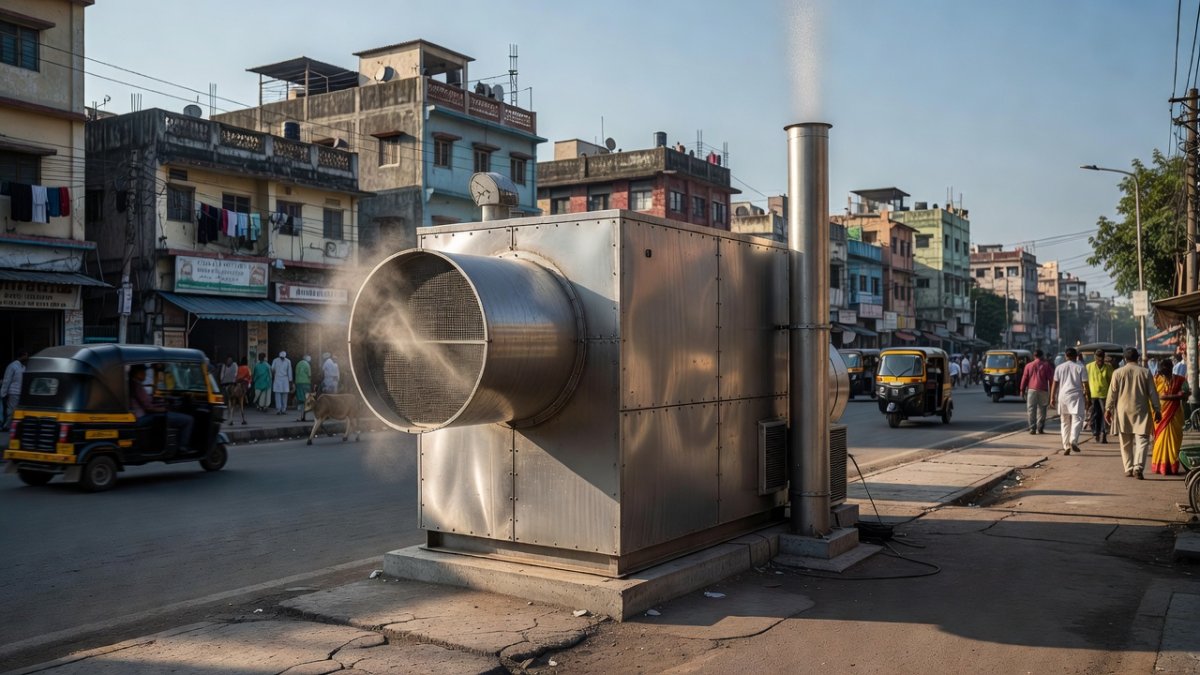
How the Dust Collectors Work
Each dust collector unit functions by pulling ambient air through high-efficiency filtration systems designed to capture fine particulate matter, including PM2.5 and PM10 particles, before releasing treated air back into the environment. The machines are equipped with integrated sensors that provide real-time air quality data aligned with Central Pollution Control Board (CPCB) monitoring standards. Mayor Das confirmed that the units have already shown measurable improvements in localised air quality at the pilot sites, with the civic body now evaluating data to determine the optimal density of units required for congested roads and high-traffic intersections.
Bhubaneswar's Air Quality Challenge
Bhubaneswar, the capital city of Odisha, has an AQI that frequently registers in the moderate to poor range, particularly during the dry season and peak traffic hours. According to CPCB data, the city's primary contributors to poor air quality include construction dust, vehicular emissions, and regional agricultural burning. The NCAP, administered by the Ministry of Environment, Forest and Climate Change, identified Bhubaneswar among the 132 non-attainment cities across India where air quality standards consistently exceed safe limits. Under the programme, these cities are required to implement city-specific action plans targeting a 20-30 per cent reduction in particulate pollution by 2024.
India's Broader Air Pollution Crisis
The Bhubaneswar pilot comes at a time when India faces one of the world's most severe air pollution burdens. According to a 2023 report from the Indian Council of Medical Research (ICMR), ambient air pollution contributes to over 1.6 million premature deaths annually across the country. The Ministry of Health and Family Welfare has identified air pollution as a leading risk factor for respiratory diseases, cardiovascular conditions, and reduced life expectancy. The World Health Organization has consistently ranked Indian cities among the most polluted globally, underscoring the urgency of municipal-level interventions such as the Bhubaneswar dust collector project.
Public Health Implications for Indian Citizens
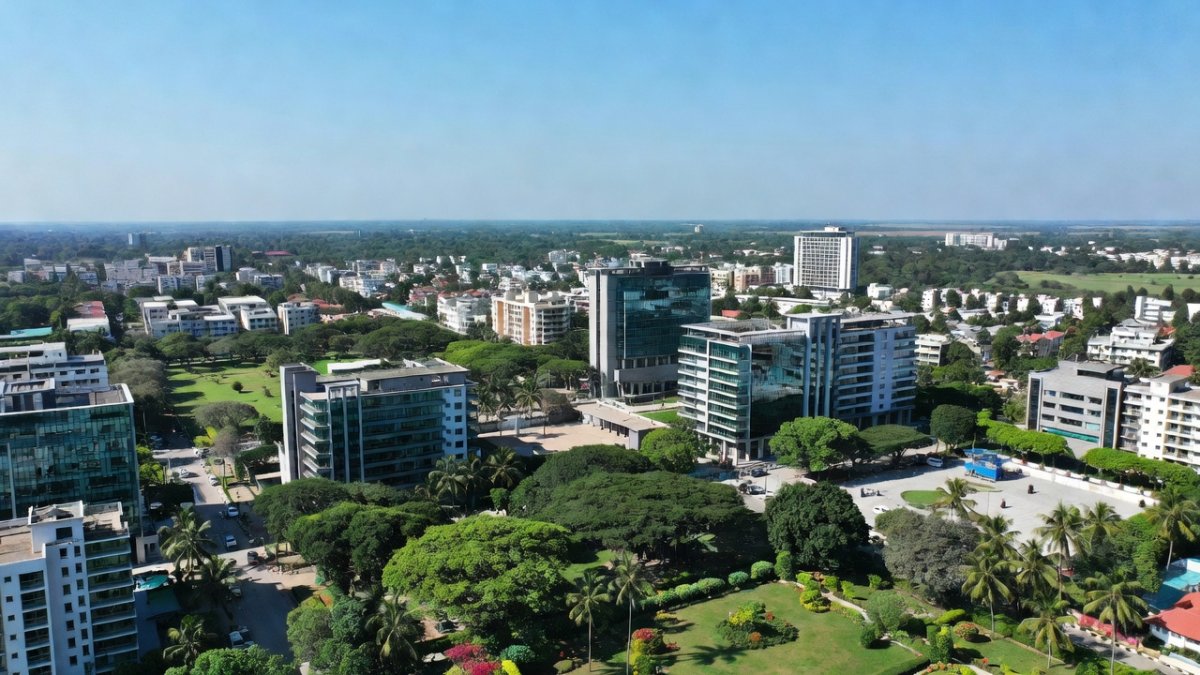
Prolonged exposure to elevated PM2.5 and PM10 levels correlates with increased incidence of asthma, chronic bronchitis, stroke, and lung cancer across Indian urban populations. Taxpayers bear the downstream costs through the public healthcare system, including primary health centres and tertiary care facilities under the Ministry of Health. Studies published by the ICMR have quantified the economic impact of air pollution on worker productivity and medical expenditure at approximately 3.4 per cent of GDP annually. Municipal-level interventions such as dust collectors, when deployed effectively, can reduce these burdens by lowering ambient pollution loads before they translate into hospital admissions and lost workdays.
Comparison with Similar Initiatives Across India
Bhubaneswar is not the first Indian city to deploy mechanical air filtration technology. Delhi's smog towers at Anand Vihar and Connaught Place, installed in 2022, operate on similar principles of drawing in polluted air and releasing filtered air. However, those towers have faced criticism for their limited radius of effectiveness and high operational costs. The Bhubaneswar model differs in its use of smaller, distributed dust collectors that can be deployed at key choke points — traffic intersections, construction zones, and market areas — potentially offering a more cost-effective approach for medium-sized cities. The BMC's decision to start with a pilot phase allows for data-driven decision-making before large-scale investment.
Urban Governance and Policy Alignment
Mayor Sulochana Das's leadership reflects a growing trend among Indian municipal bodies to adopt technology-driven solutions for environmental challenges. The pilot project operates under the broader framework of the NCAP and aligns with the Odisha State Pollution Control Board's (OSPCB) city-specific action plan for Bhubaneswar. The project also supports India's commitments under the UN Sustainable Development Goals, particularly SDG 11 (Sustainable Cities and Communities) and SDG 13 (Climate Action). If the pilot succeeds, it could serve as a replicable model for other non-attainment cities across eastern India, including Cuttack, Rourkela, and Berhampur.
Challenges and Path Forward
While early results from the pilot are encouraging, several challenges remain. The long-term efficacy of dust collectors depends on regular maintenance, filter replacement, and integration with broader pollution mitigation strategies such as vehicle emission standards, construction dust management, and green cover expansion. The Central Pollution Control Board will need to conduct independent audits to verify the BMC's data before the model can be recommended for wider adoption. Additionally, the financial sustainability of the initiative — estimated costs per unit, power consumption, and operational expenses — will determine whether the Odisha government can justify expansion to other urban centres.
The Bottom Line
The Bhubaneswar dust collector pilot represents a pragmatic, data-driven approach to a challenge that has proven resistant to conventional policy measures. The decision to begin with a limited deployment, gather real-time data, and expand based on evidence reflects sound governance principles rather than performative action. For Indian citizens, the real test will be whether this pilot translates into measurable improvements in the air they breathe and reductions in pollution-related illness. If it does, Bhubaneswar may offer a blueprint that other Indian cities can adapt to their own air quality challenges — a small step with potentially large implications for public health across India's urban landscape.
— By Dr. Raj Patel, Staff Writer
This article was produced with AI-assisted research and editorial support. Reporting is based on sources cited in the article.
What's Your Reaction?
 Like
0
Like
0
 Dislike
0
Dislike
0
 Love
0
Love
0
 Funny
0
Funny
0
 Wow
0
Wow
0
 Sad
0
Sad
0
 Angry
0
Angry
0

India/South Asia Correspondent at Global1.News. Analytical voice with a background in science and health journalism. Based in New Delhi, covering Indian politics, education, healthcare, technology, and policy. Breaks down complex data into clear, actionable reporting.















Comments (0)