
Zelensky Sacks Defence Minister Fedorov, Protests Erupt
In a recent BBC News report, Ukraine is facing its most serious domestic political crisis since the early days of Russia's full-scale invasion, as President Volodymyr Zelensky's surprise decision to dismiss popular Defence Minister Mykhailo Fedorov has sparked nationwide protests and exposed a deepening rift within the country's military leadership. Thousands of Ukrainians took to the streets in Kyiv, Lviv, and other cities this week, holding signs reading "Hands off Fedorov" and "Stop sabotagin
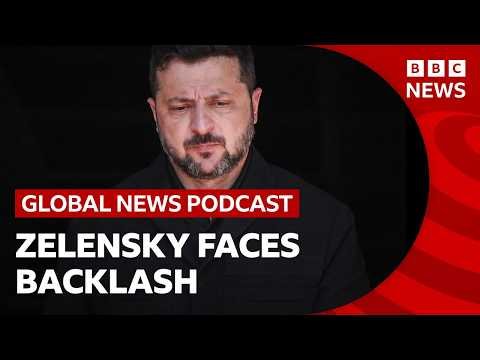
In a recent BBC News report, Ukraine is facing its most serious domestic political crisis since the early days of Russia's full-scale invasion, as President Volodymyr Zelensky's surprise decision to dismiss popular Defence Minister Mykhailo Fedorov has sparked nationwide protests and exposed a deepening rift within the country's military leadership.
Thousands of Ukrainians took to the streets in Kyiv, Lviv, and other cities this week, holding signs reading "Hands off Fedorov" and "Stop sabotaging victory!" — an extraordinary display of public anger directed at a wartime president who has rarely faced such open defiance since 2022.
Ukraine's Political Crisis Deepens as Zelensky Sacks Popular Defence Minister, Triggering Nationwide Protests
Kyiv, Ukraine — 17 July 2026 — Ukraine's President Volodymyr Zelensky has defended his decision to dismiss Defence Minister Mykhailo Fedorov, acknowledging a "systemic" breakdown in relations between the defence ministry and the country's top military leadership. The dismissal, which came after just six months in office for the 35-year-old reformist minister, has ignited the largest anti-government protests since the Russian invasion began in 2022.
The Dismissal: A Clash Over War Strategy
The chain of events leading to Fedorov's removal began when the defence minister proposed replacing both Commander-in-Chief Oleksandr Syrskyi and Chief of the General Staff Andrii Hnatov. According to Fedorov, the military leadership had systematically blocked his reform initiatives and maintained what he described as "Soviet-era" management methods that were costing Ukrainian lives on the front line.
Zelensky, speaking at a joint press conference with British Prime Minister Keir Starmer in Kyiv, acknowledged the depth of the conflict. "I would very much like to see unity. The sides have not found it," the president said. "In such a situation, you have a choice: either one side or the other." By choosing to back Syrskyi, Zelensky effectively sealed Fedorov's fate — presenting the defence minister's dismissal as an unavoidable consequence of an irreconcilable institutional conflict.
Fedorov himself confirmed the sequence of events at his own press conference, stating that when Zelensky refused to replace Syrskyi, he agreed to learn to work with him — only to find that "all the initiatives we proposed were blocked." His criticism of Syrskyi was unusually direct for a Ukrainian official in wartime, accusing the commander-in-chief of "splitting our country" instead of focusing on asymmetrical warfare against Russia.
"Instead of finding a way of defeating Russia asymmetrically — which is the commander-in-chief's job — he's found a way of splitting our country," Fedorov said of Syrskyi, who gained the nickname "the Butcher" for heavy infantry losses during the war's early phases.
Who Is Mykhailo Fedorov? The Tech Visionary Behind Ukraine's Drone Revolution
Mykhailo Fedorov was no ordinary defence minister. Appointed in January 2026, the former Minister of Digital Transformation brought a Silicon Valley mindset to a ministry long bogged down by Soviet-era bureaucracy and corruption. Before entering government, he had already made his mark by founding the volunteer "IT Army of Ukraine" — a cyber-warfare unit that launched attacks against Russian targets in the early months of the 2022 invasion.
As defence minister, Fedorov accelerated Ukraine's drone warfare programme through initiatives like the "Army of Drones" fundraising campaign and introduced elements of "gamification" to the battlefield, designing a system that awarded Ukrainian military units with credits for hitting Russian assets. His ministry also played a central role in Ukraine's campaign to isolate occupied Crimea through sustained drone strikes, which he vowed would "cut off" the peninsula from Russia entirely.
One of his most notable moves was directly petitioning SpaceX founder Elon Musk to prevent Russia from using Starlink satellites for drone attacks — an intervention that caused considerable disruption to Russian frontline operations. His focus on technology, data-driven decision-making, and transparency earned him widespread respect among Ukraine's younger generation and civil society, who saw him as a symbol of the modern, European future Ukraine aspires to.
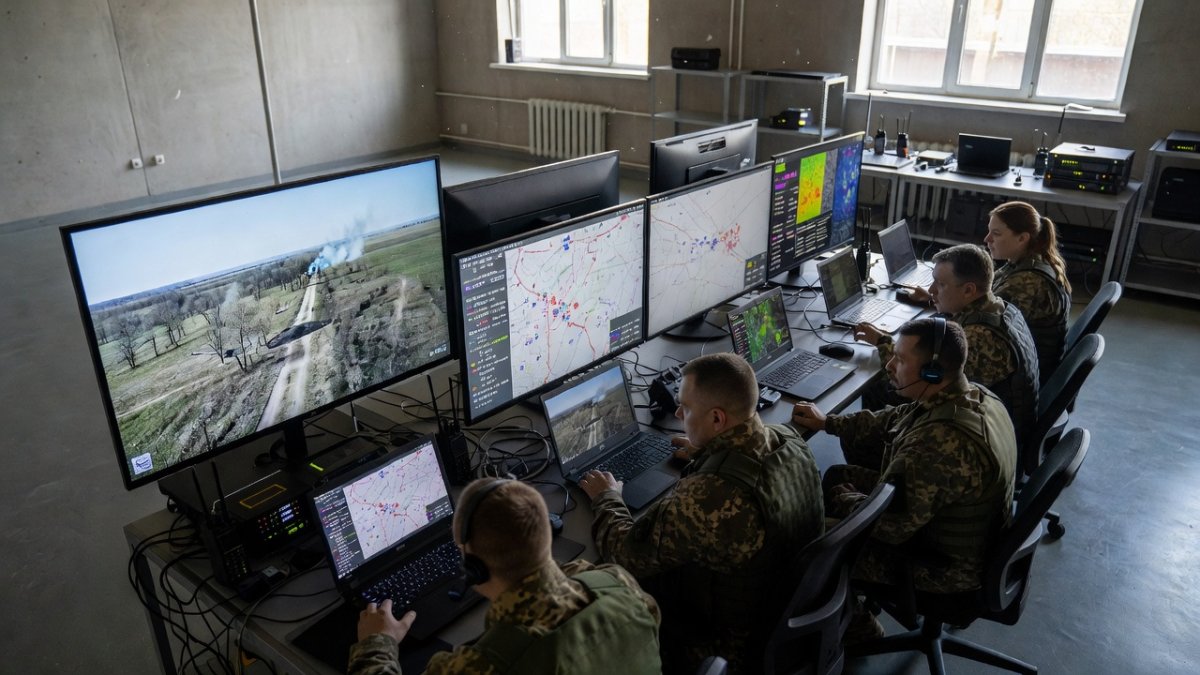
Fedorov's anti-corruption drive within the defence ministry, targeting procurement graft and bureaucratic resistance, made him enemies within the military establishment. According to the OSW Centre for Eastern Studies, the dismissal stemmed partly from efforts by parts of the military establishment and the defence industry to block the minister's anti-corruption measures. These tensions reflect deeper post-Soviet legacies in Ukraine's power structures, where entrenched interests often resist rapid modernisation. For ordinary Ukrainians enduring blackouts and frontline casualties, Fedorov's approach represented tangible progress in asymmetric capabilities that could shorten the war. His removal risks slowing drone production and integration at a moment when such tools have proven decisive in recent operations against Russian logistics.
Nationwide Protests: "This Is the Worst Mistake of His Presidency"
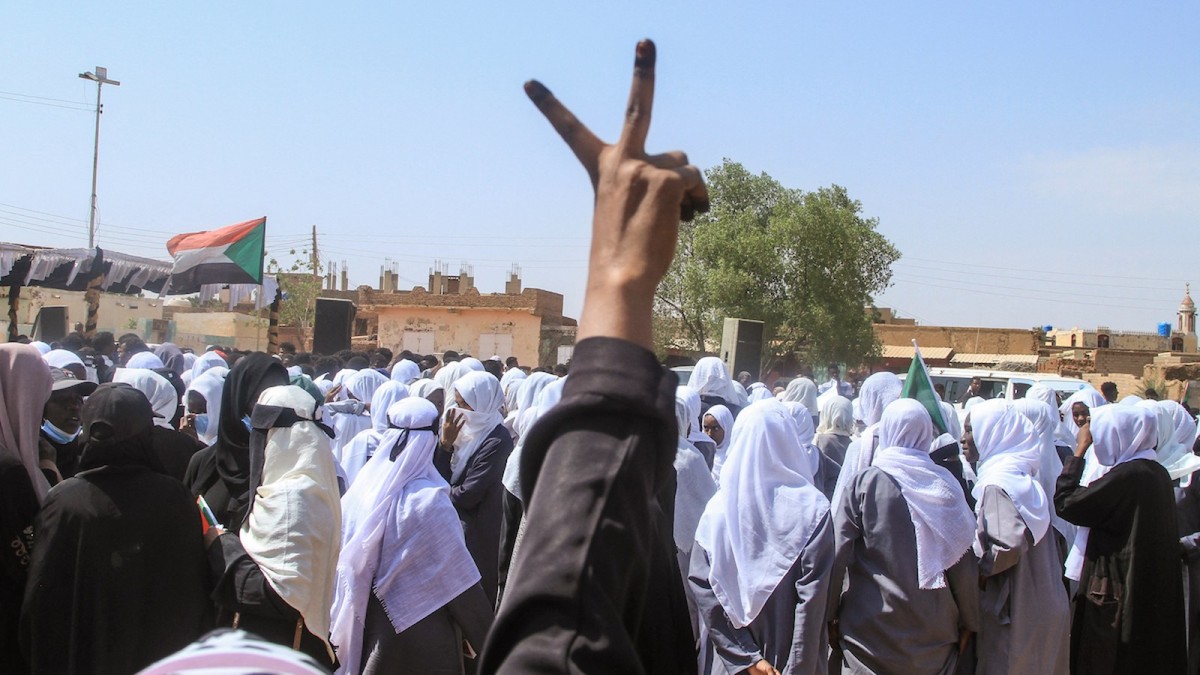
On Thursday, crowds gathered outside the presidential office in Kyiv and at Ivan Franko Square in Lviv, waving Ukrainian flags and chanting demands for Fedorov's reinstatement. Protesters held placards with "Hands off Fedorov" and "Stop sabotaging victory!" as the BBC News report captured the scale of public frustration. A soldier identified as Oleksandr told reporters the dismissal represented "the worst mistake Zelensky has made during his entire presidency," reflecting sentiment among those who credit Fedorov with accelerating drone capabilities that saved lives at the front. Maria Lavrynets, a 31-year-old protester who lost multiple friends in the fighting, stated she attended because "I have lots of friends in the military. Lots of them died," underscoring how the decision resonated with families bearing the war's human cost. The atmosphere remained tense yet orderly, with participants emphasising support for the overall war effort while criticising the leadership rift.
This marked only the second instance since the 2022 invasion when large numbers of Ukrainians have protested against government actions. The previous occasion occurred a year earlier when Zelensky attempted to close anti-corruption agencies. Protester Andrii Dligach described the prevailing management style as "Old-fashioned management style, similar to Russia, with a tsar," highlighting concerns that centralised decision-making echoes the very authoritarian structures Ukraine seeks to escape. Such demonstrations reveal how wartime unity has limits when institutional conflicts threaten perceived progress in the defence sector.
The resignation of Pavlo Yelizarov, the renowned drone unit commander who stepped down as deputy commander of the Ukrainian Air Force in protest, amplified the fallout. Yelizarov called the sacking "a great evil for the country's defence capability," warning of talent loss at a critical juncture. Members of parliament and civil society groups voiced similar outrage, with advisers Serhii Sternenko labelling Fedorov the "best minister of defence in our entire history" and tech expert "Flash" announcing he would "no longer be able to analyse enemy actions." These departures strip expertise from key programmes at a time when Ukraine's war effort depends on rapid technological adaptation.
Starmer's Farewell Visit Overshadowed by Crisis
Keir Starmer's final visit to Kyiv as UK Prime Minister before his departure on Monday was intended to reaffirm bilateral ties. The two leaders laid wreaths at the Wall of Remembrance, and Starmer received the Order of Freedom medal in recognition of Britain's sustained military support. Starmer described Vladimir Putin as "losing" and praised Ukrainian drone strikes on long-range Russian targets, noting their role in disrupting enemy supply lines. The visit underscored ongoing Western commitments even as domestic turmoil unfolded in the capital.
The protest crisis overshadowed what should have been a valedictory visit. Starmer reiterated that "Your fight is our fight," yet the visible street demonstrations complicated the optics of unity. Zelensky expressed hope of meeting Starmer's successor "as soon as possible" to maintain continuity in security assistance. The timing illustrated how internal Ukrainian divisions can complicate diplomatic engagements at the highest levels.
This week's events also included the resignation of Prime Minister Yuliia Svyrydenko earlier in the week, with parliament approving Serhiy Koretsky, the Naftogaz head, as her replacement. The change represents the second major government shakeup in seven days, signalling broader instability within the executive branch that could affect coordination on defence procurement and international aid.
Political Fallout: Did Zelensky Create a Future Rival?
Analysis from the OSW Centre for Eastern Studies suggests Fedorov's growing popularity positioned him as a potential presidential contender, with protesters speculating that his removal stemmed partly from fears of political ambition. Zelensky has a precedent of sidelining popular figures, having dismissed Gen Valerii Zaluzhnyi in 2024 and later appointing him ambassador to London. This pattern raises questions about how the president manages internal competition during prolonged conflict.
Fedorov declined Zelensky's offer to remain as an adviser, stating he was acting "according to my conscience." He expressed confidence that Zelensky "hears the Ukrainian people" while insisting the situation requires resolution. One protester noted that only "a few people" appear to influence the president's thinking, pointing to perceptions of a narrowing circle of advisers amid the crisis.
The timing carries particular risks for Ukraine's war effort. The internal turmoil arrives just as Ukrainian forces had gained momentum through a sustained 40-day campaign against Russian targets. Observers question whether the upheaval will erode confidence among Western partners who provide critical weapons and funding, potentially complicating future aid packages at a moment when battlefield gains depend on steady external support.
Analysis — A Fractured Leadership at a Critical Moment
The Fedorov-Syrskyi clash embodies a fundamental debate over Ukraine's war strategy: high-tech asymmetrical warfare versus conventional military doctrine. This is not merely a personality clash but an institutional conflict about the future of Ukrainian defence policy, with implications for how resources are allocated and how quickly innovations reach the front lines. Zelensky's decision to back the military establishment over the reformist faction may consolidate short-term command unity but risks alienating the very innovators who have offset Russia's numerical advantages.
Zelensky has backed the military establishment over the reformist faction. The resignation of Fedorov's supporters, including Yelizarov, Sternenko and "Flash," strips the defence establishment of tech-savvy talent essential for sustaining drone and cyber operations. Acting Defence Minister Yevhenii Khmara now faces the task of bridging these divides, though the depth of the rift suggests the crisis could deepen without deliberate reconciliation efforts.
The Kremlin will likely attempt to exploit the crisis. Russian media has already portrayed the protests as evidence of Ukraine's political instability. However, the protests also demonstrate that Ukrainian civil society remains vigilant and willing to hold its leadership accountable — a stark contrast to Russia's suppressed political environment. This resilience may ultimately strengthen Ukraine's negotiating position if it preserves public trust in the war effort.
This crisis will test Zelensky's political survival skills in a way nothing has since February 2022. The president who has navigated war, economic collapse, and diplomatic isolation now faces his most significant domestic challenge — one that threatens to define the remainder of his presidency.
By Irina Volkov, Staff Writer
This article was produced with AI-assisted research and editorial support. Reporting is based on sources cited in the article.
What's Your Reaction?
 Like
0
Like
0
 Dislike
0
Dislike
0
 Love
0
Love
0
 Funny
0
Funny
0
 Wow
0
Wow
0
 Sad
0
Sad
0
 Angry
0
Angry
0
Russia/Eastern Europe Correspondent at Global1.News. Covering Russian politics, energy, security, and the shifting dynamics of the post-Soviet space. Provides clear-eyed analysis on one of the world's most opaque regions.








Comments (0)