
Gaza Chickenpox Outbreak Exposes Collapse of Health and Sanitation Systems
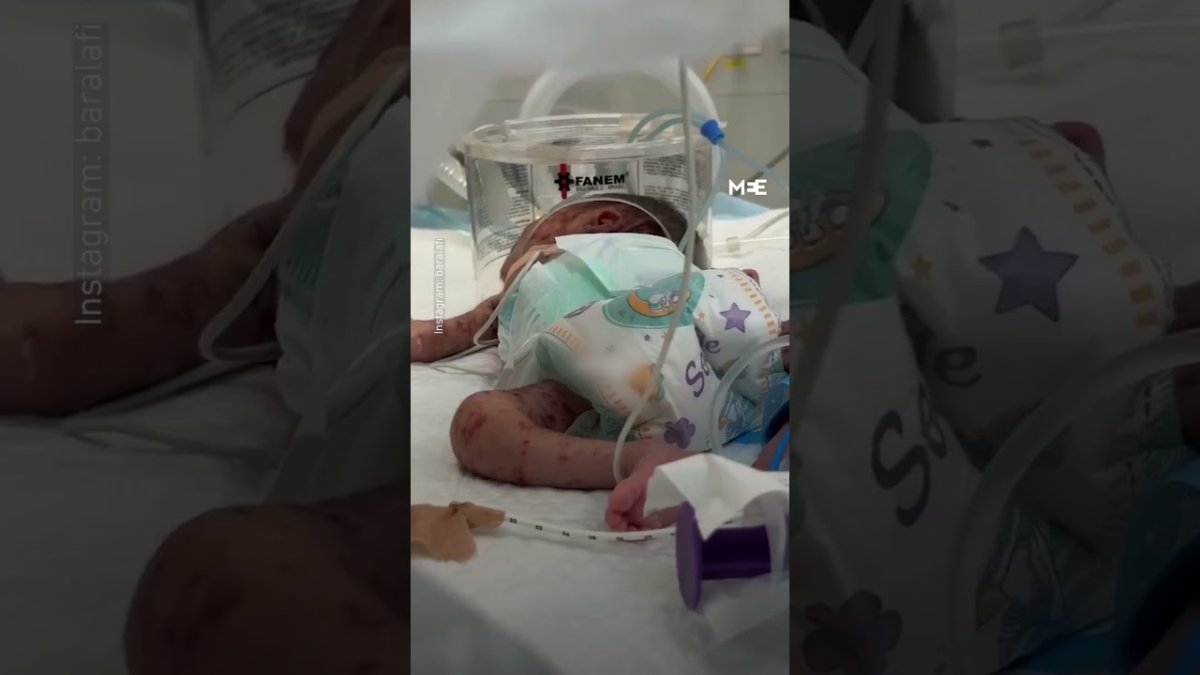
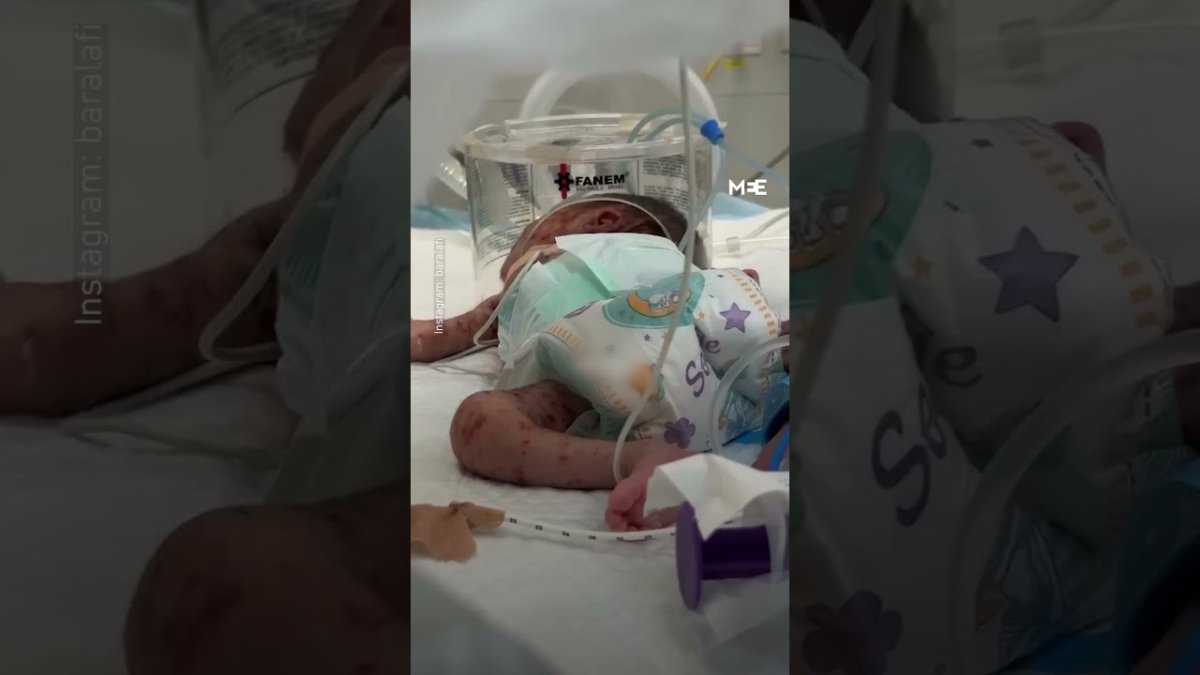
In a harrowing video released by Middle East Eye on July 18, 2026, viewers witness the fragile struggle of 20-day-old Osama Sahloul as he battles a severe case of chickenpox in Gaza, his tiny body marked by painful blisters amid conditions that offer little relief or medical support. Gaza Chickenpox Crisis Exposes Collapse of Health and Sanitation Systems Gaza City, Occupied Palestinian Territories – July 18, 2026 — The outbreak of chickenp
In a harrowing video released by Middle East Eye on July 18, 2026, viewers witness the fragile struggle of 20-day-old Osama Sahloul as he battles a severe case of chickenpox in Gaza, his tiny body marked by painful blisters amid conditions that offer little relief or medical support.
Gaza Chickenpox Crisis Exposes Collapse of Health and Sanitation Systems
Gaza City, Occupied Palestinian Territories – July 18, 2026 — The outbreak of chickenpox and related skin conditions has surged across Gaza's displacement camps, leaving thousands of families, including those with newborns like Osama Sahloul, without adequate care or isolation options. The crisis stems directly from overcrowding, lack of clean water, and the broader collapse of essential services following years of conflict and restrictions.
The Scale of the Outbreak
Over 18,000 new cases of chickenpox, ectoparasitic infestation such as scabies and lice, and impetigo were recorded in the first week of July 2026 alone. UN Spokesperson Stephane Dujarric confirmed these figures during a July 10 press briefing, highlighting how the numbers reflect conditions in overcrowded displacement camps where water and sanitation systems have deteriorated sharply. The rapid spread has overwhelmed any remaining local response capacity, with cases appearing in nearly every major camp area.
Al Mezan Center for Human Rights has documented the full extent of the crisis, issuing warnings about potential complications including pneumonia and encephalitis that can arise when these infections go untreated. The data shows consistent daily increases tied to the inability to maintain basic hygiene in tent settings.
The co-epidemic has overwhelmed Gaza's fragile health infrastructure, with chickenpox cases surging alongside scabies and impetigo infections that now affect an estimated 65,000 children under age 12. Pre-war records from the Gaza Health Ministry showed fewer than 800 annual chickenpox notifications, but current figures exceed 22,000 since October 2023, representing a 27-fold increase driven by displacement and collapsed vaccination programs. Families already traumatized by repeated airstrikes and loss now face weeks of sleepless nights treating oozing lesions and relentless itching, often with nothing more than saltwater rinses, compounding psychological distress and deepening cycles of despair in overcrowded shelters.
Medical teams report that secondary bacterial infections from scratching have led to hundreds of hospitalizations for severe impetigo, further straining limited antibiotic supplies and forcing many parents to choose between treating one child's skin outbreak or another's respiratory complication amid the overlapping crises.
Why Gaza's Children Are Most Vulnerable
UN data indicates that 62% of all skin disease cases affect children under 12. Children weakened by malnutrition cannot mount effective immune responses, leaving them especially susceptible to severe outbreaks of chickenpox and secondary infections. This vulnerability is compounded in displacement settings where nutrition remains scarce and medical follow-up is nearly impossible.
Young patients like Osama Sahloul represent the most fragile segment, as their developing immune systems face multiple simultaneous threats from the environment and lack of supportive care.
Malnutrition has sharply eroded children's immune defenses, leaving them unable to fight even mild varicella infections that quickly escalate into life-threatening complications. The Gaza Health Ministry reported 42 children died of malnutrition-related causes since July 1, 2026, while UNICEF and WHO have documented rising acute malnutrition rates now exceeding 15 percent among children under five in displacement camps, up from under 2 percent before the war. This nutritional collapse directly fuels the chickenpox outbreak by impairing skin barrier integrity and antibody production, turning routine childhood illnesses into prolonged medical emergencies for already weakened bodies.
Clinics note that stunted growth and vitamin deficiencies make recovery from scabies co-infections particularly slow, with many families reporting children losing additional weight during the 10-to-14-day feverish periods typical of untreated cases.
Living Conditions Fueling the Crisis
Pests have been found in 80% of displacement camps according to UN data, creating constant vectors for disease transmission. Summer temperatures reaching 40°C (104°F) with no electricity, fans, or clean water intensify the suffering, as families cannot cool affected skin or maintain hygiene routines necessary to contain spread.
One mother quoted by Al Mezan Center for Human Rights explained the impossible choices: "There is simply no separate space or alternative" for isolating a sick child in a tent. These conditions turn routine childhood illnesses into widespread public health emergencies.
Displacement camps in southern Gaza offer little protection from the elements, where a single water point often serves 400 to 600 families, forcing residents to queue for hours under 40°C heat with no electricity for fans or refrigeration. Soap and shampoo have been unavailable for months, leaving residents unable to maintain basic hygiene that could limit skin-to-skin transmission of chickenpox, scabies, and impetigo. Makeshift tents provide no privacy for treating contagious rashes, and the absence of clean water for bathing accelerates the spread among siblings sharing floor mats.
Parents describe watching their children scratch raw wounds in the stifling darkness, powerless to cool fevers or wash away bacteria that thrive in the accumulated filth of these overcrowded sites.
The Collapse of Gaza's Healthcare System
Gaza's healthcare system has collapsed after nearly three years of Israeli bombardment, leaving hospitals and clinics unable to handle even basic dermatological cases. Remaining facilities lack the staff, medications, and isolation wards required to treat thousands of new infections each week.
Without functioning infrastructure, simple cases progress to complications that could otherwise be prevented through timely intervention and supportive care.
Blockade and Aid Restrictions
Israel's blockade restricts entry of medical supplies and essential hygiene items, directly limiting the ability to respond to the outbreak. The only border crossing receiving medical supplies is threatened with closure, further endangering access to treatments that could curb the spread among vulnerable populations.
Over 1,100 Palestinians have been killed by Israel since the October 2023 ceasefire began, adding to the cumulative strain on any remaining health resources and underscoring the ongoing barriers to recovery.
The ongoing siege has severed fuel supplies needed to operate water pumps and sewage treatment plants, causing the sanitation network to collapse across much of the Strip and leaving raw waste to pool near living areas. Without diesel for generators, hospitals and clinics cannot refrigerate vaccines or run basic diagnostic equipment, allowing preventable diseases like chickenpox to proliferate unchecked. The blockade's restrictions on medical imports have also eliminated topical treatments and antibiotics essential for managing secondary infections from scabies and impetigo.
Humanitarian assessments warn that continued fuel shortages will deepen the public-health catastrophe, as stagnant water sources become breeding grounds for further outbreaks while families remain trapped without means to escape or improve their conditions.
Analysis and Human Impact
The combination of documented case numbers, environmental factors, and systemic restrictions has created a self-reinforcing cycle of illness that primarily affects the youngest residents. Al Mezan Center for Human Rights continues to track developments while calling attention to the preventable nature of many complications arising from chickenpox and related conditions.
Families remain trapped in tents where isolation is impossible and temperatures exacerbate discomfort, with no immediate path to improved sanitation or medical access. The situation illustrates how the blockade and infrastructure collapse translate into daily health burdens for an entire generation of children.
Continued monitoring by UN agencies and local organizations such as Al Mezan provides the clearest picture of needs, yet delivery of supplies remains constrained by existing policies. The human cost is visible in every camp, where parents struggle to comfort infants like Osama Sahloul without basic tools for relief or recovery.
By Fatima Al-Rashid, Staff Writer
This article was produced with AI-assisted research and editorial support. Reporting is based on sources cited in the article.
What's Your Reaction?
 Like
0
Like
0
 Dislike
0
Dislike
0
 Love
0
Love
0
 Funny
0
Funny
0
 Wow
0
Wow
0
 Sad
0
Sad
0
 Angry
0
Angry
0
Gulf/MENA Correspondent at Global1.News. Based in Doha, covering Gulf politics, energy markets, diplomacy, and development across the Middle East and North Africa. Tracks the economic transformation of the Gulf states.










Comments (0)