
Apple Raises iPhone Prices Across Japan as Yen Weakness Persists
Apple Raises iPhone 17 Prices in Japan as Yen Weakens Apple hikes iPhone prices up to 11% in Japan as the yen's persistent weakness against the dollar drives the first Japan-specific iPhone price increase in over a year.
Apple Raises iPhone Prices Across Japan as Yen Weakness Persists
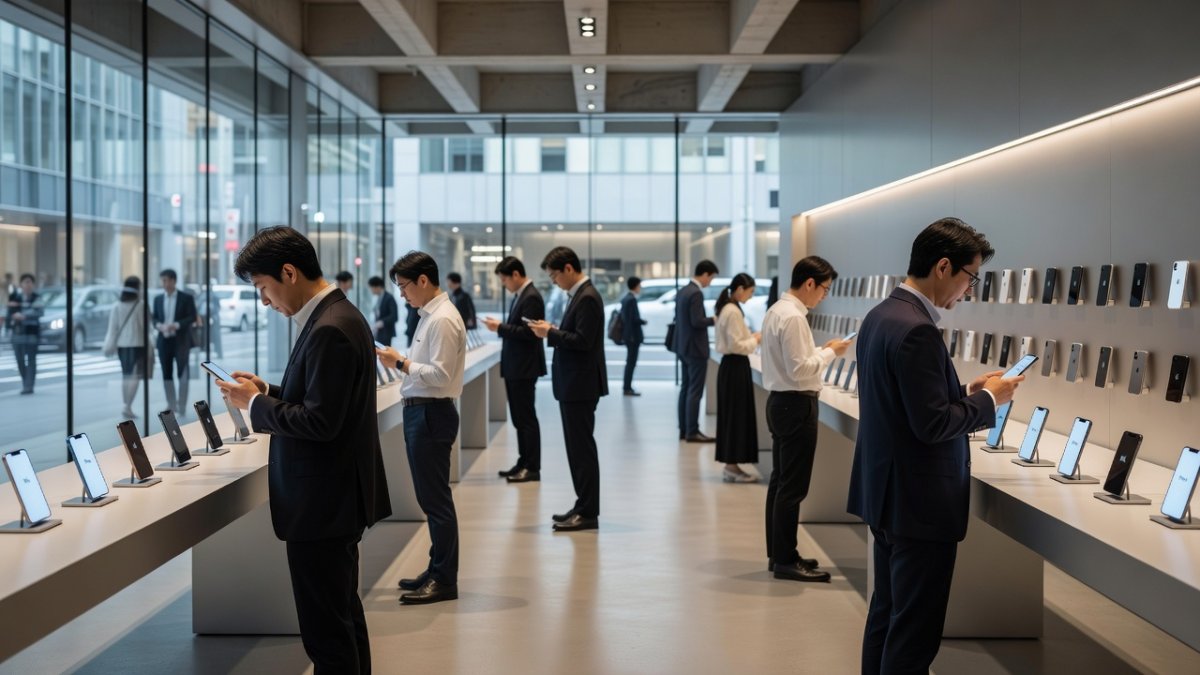
Apple has raised prices on every iPhone model sold in Japan, effective July 17-18, 2026, in a move directly tied to the yen's sustained depreciation against the U.S. dollar. The entry-level iPhone 17 with 256 gigabytes of storage now carries a starting price of ¥142,800 ($879.29) on Apple's official Japanese website, reflecting an increase of up to 11% across the entire smartphone lineup. The price adjustment marks the first Japan-specific iPhone price increase since the yen began its extended slide against the dollar, and it arrives as Japanese households already face rising costs for daily necessities driven by the same currency dynamics.
The Numbers: How Much More Japanese Consumers Pay
All currently available iPhone models sold in Japan received price increases on July 17. The affected lineup includes the iPhone 16, iPhone 17e, iPhone 17, iPhone Air, iPhone 17 Pro, and iPhone 17 Pro Max. Prices rose across the board by up to 11%, depending on the model and storage configuration. The iPhone 17 Pro and Pro Max, Apple's premium tier, saw some of the largest absolute increases, though the company has not published a complete before-and-after price list for every configuration.
The ¥142,800 starting price for the base iPhone 17 represents a meaningful jump from previous pricing levels, which Apple had held stable in Japan for over a year despite the yen's gradual decline. The increase brings Japanese iPhone pricing more in line with the effective dollar-denominated cost after exchange rate adjustments, a correction that industry analysts say has been expected for months.
Yen Depreciation: The Core Driver Behind the Hike
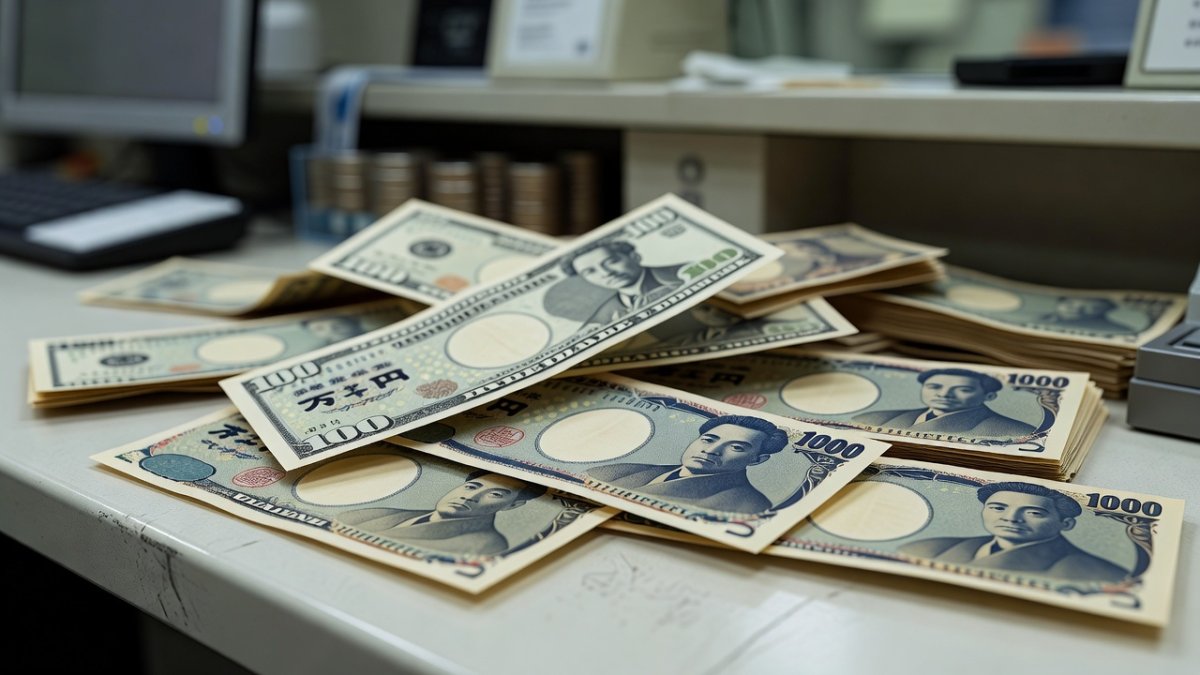
Unlike Apple's global price increases on Macs, iPads, Vision Pro, Apple TV, and HomePods in June 2026 — which the company attributed to the ongoing memory chip shortage — the iPhone price adjustment in Japan is explicitly a currency-driven decision. The Japanese yen has remained persistently weak against the U.S. dollar through mid-2026, despite repeated verbal intervention from senior officials at the Ministry of Finance and the Bank of Japan.
The yen's depreciation directly affects Apple's revenue recognition in Japan: Apple books sales in yen but reports earnings in dollars. A weaker yen means lower reported revenue from Japan unless prices are adjusted upward. The approximately 10-11% price increase across the iPhone lineup roughly corresponds to the extent of the yen's decline against the dollar over the past year, suggesting Apple is using the adjustment to maintain its yen-denominated revenue in real dollar terms.
Notably, Apple did not raise iPhone prices in the United States or any other country checked. The price adjustment is limited to Japan, underscoring the country-specific nature of the currency-driven decision. This follows a pattern established by other global technology companies operating in Japan, many of which have similarly adjusted pricing in response to the yen's trajectory.
From iPhones to Subscriptions: A Broader Cost-of-Living Squeeze
The iPhone price increase did not arrive in isolation. Apple simultaneously raised prices on iCloud+ storage plans and Apple Music subscriptions in Japan on the same day, extending the cost increases beyond hardware into the company's growing services ecosystem. The subscription price adjustments add recurring cost pressure for Japanese consumers who use Apple's cloud storage and music streaming services.
The broader context is one of sustained cost-of-living increases across Japan's consumer economy. The weak yen has driven up import costs for energy, food, and raw materials, with price increases cascading through supply chains into retail prices for everyday goods. Japanese households have been absorbing higher prices for electricity, gasoline, and food staples throughout 2026. The iPhone price increase, while discretionary in nature, adds to the sense of financial pressure on household budgets already stretched by imported inflation.
iPhone Dominance in Japan Magnifies the Impact
The iPhone holds an outsized share of Japan's smartphone market, making the price increase particularly consequential. Apple's iPhone has consistently commanded over 50% of the Japanese smartphone market by unit sales in recent years, a dominance unmatched in most other developed economies. Japanese consumers have shown strong brand loyalty to the iPhone, with high switching costs tied to the iOS ecosystem, iMessage, and integration with other Apple devices.
The dominant market position means that most Japanese smartphone buyers will face higher prices if they choose to upgrade or replace their devices. Android alternatives from Sony, Sharp, Samsung, and Chinese manufacturers remain available at generally lower price points, but the ecosystem lock-in and brand preference for iPhone in Japan make those alternatives less attractive to a substantial portion of the market. The price increase may accelerate some switching behavior at the margin, but analysts do not expect a dramatic shift in market share absent sustained yen weakness over multiple years.
What This Means for Japan's Consumer Electronics Market
Apple's price adjustment sets a benchmark for other consumer electronics companies operating in Japan. If the yen continues its trajectory, other international brands — from smartphone makers to PC manufacturers to home appliance companies — may face similar pressure to adjust Japan-specific pricing. Companies that source components priced in dollars and sell finished goods in yen face the same margin compression that drove Apple's decision.
Japanese electronics manufacturers like Sony and Sharp, which produce domestically or source more components locally, may gain a relative pricing advantage if foreign competitors raise prices. However, even domestic manufacturers face imported component costs and energy prices that have risen with the weak yen, limiting their ability to undercut foreign competitors solely on currency grounds.
The timing of the increase — mid-July — positions it ahead of the traditional autumn product refresh cycle, when Apple typically announces new iPhone models. Whether the September 2026 iPhone 18 launch includes higher Japan-specific pricing remains an open question that will depend on the yen's trajectory between now and then.
What to Watch For: BOJ Policy and the Yen Trajectory
The Bank of Japan's July policy meeting, scheduled for the coming days, will be closely watched for signals on the yen's future direction. The BOJ is widely expected to raise its economic growth forecast while keeping its policy interest rate unchanged, according to sources familiar with central bank thinking. The divergence between Japan's still-accommodative monetary policy and the higher interest rate environment in the United States has been a key driver of the yen's weakness.
A sustained yen recovery would reduce the need for further price adjustments by Apple and other international companies. However, most currency analysts do not forecast a sharp reversal in the yen's trajectory unless the BOJ signals a more aggressive normalization path or the Federal Reserve shifts toward rate cuts. In the absence of such developments, Japanese consumers may face additional price increases on imported goods and services in the months ahead.
The broader lesson for Japan's consumer economy is clear: as long as the yen remains weak against the dollar, the cost of imported technology — from smartphones to software subscriptions — will continue to rise. For Japanese households, the iPhone price increase is not an isolated event but the latest indicator of a structural shift in purchasing power that shows no immediate signs of reversing.
By Kenji Tanaka, Staff Writer
This article was produced with AI-assisted research and editorial support. Reporting is based on sources cited in the article.
What's Your Reaction?
 Like
0
Like
0
 Dislike
0
Dislike
0
 Love
0
Love
0
 Funny
0
Funny
0
 Wow
0
Wow
0
 Sad
0
Sad
0
 Angry
0
Angry
0

Japan Correspondent at Global1.News. Tokyo-based voice covering Japanese politics, technology, economy, and culture. Tracks the intersection of tradition and innovation in one of the world's most dynamic societies.














Comments (0)