
Chile Wildfires 2026: 19 Dead, Biobio Ablaze and Recovery
Chile's January 2026 Wildfires: Death, Destruction, and the Long Road to Recovery in Biobio and Nuble Santiago, Chile — The Blaze That Consumed Central Chile In January 2026, central Chile faced one of its most destructive wildfire seasons on record. At least 14-19 people were killed while more than 20,000 residents were evacuated from their homes. Between 5,000 and 30,000 hectares burned across the Biobio and Nuble regions, fueled by strong shifting winds, high temperatures,
Chile's January 2026 Wildfires: Death, Destruction, and the Long Road to Recovery in Biobio and Nuble
Santiago, Chile —
The Blaze That Consumed Central Chile
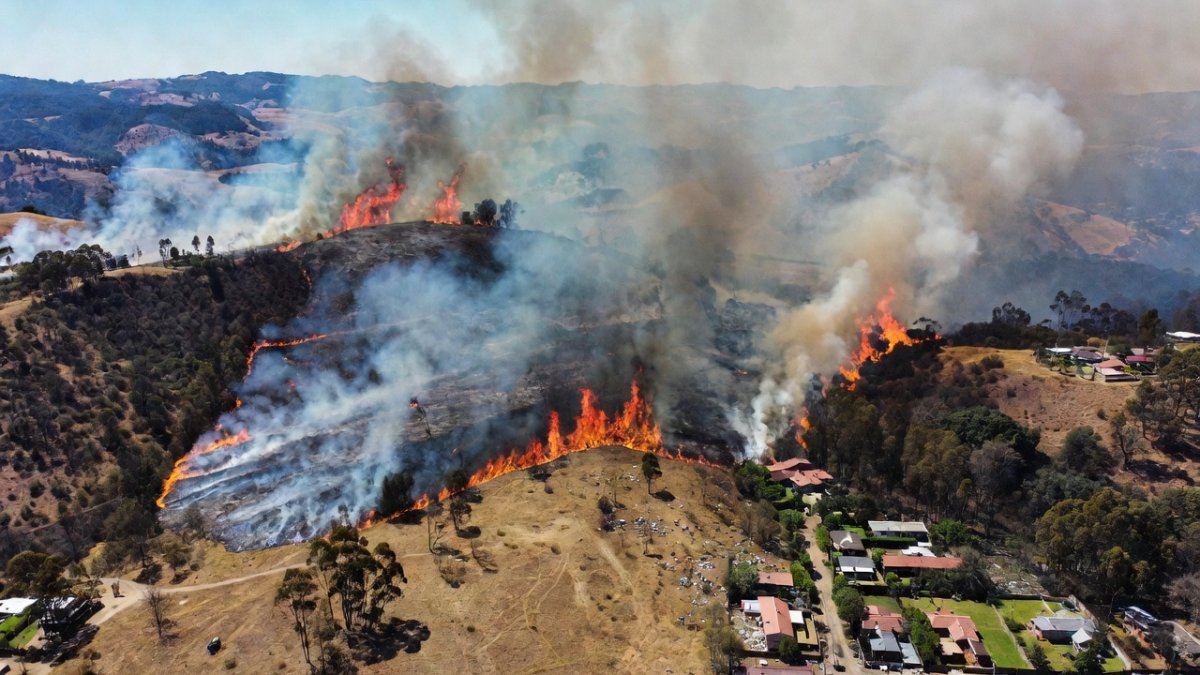
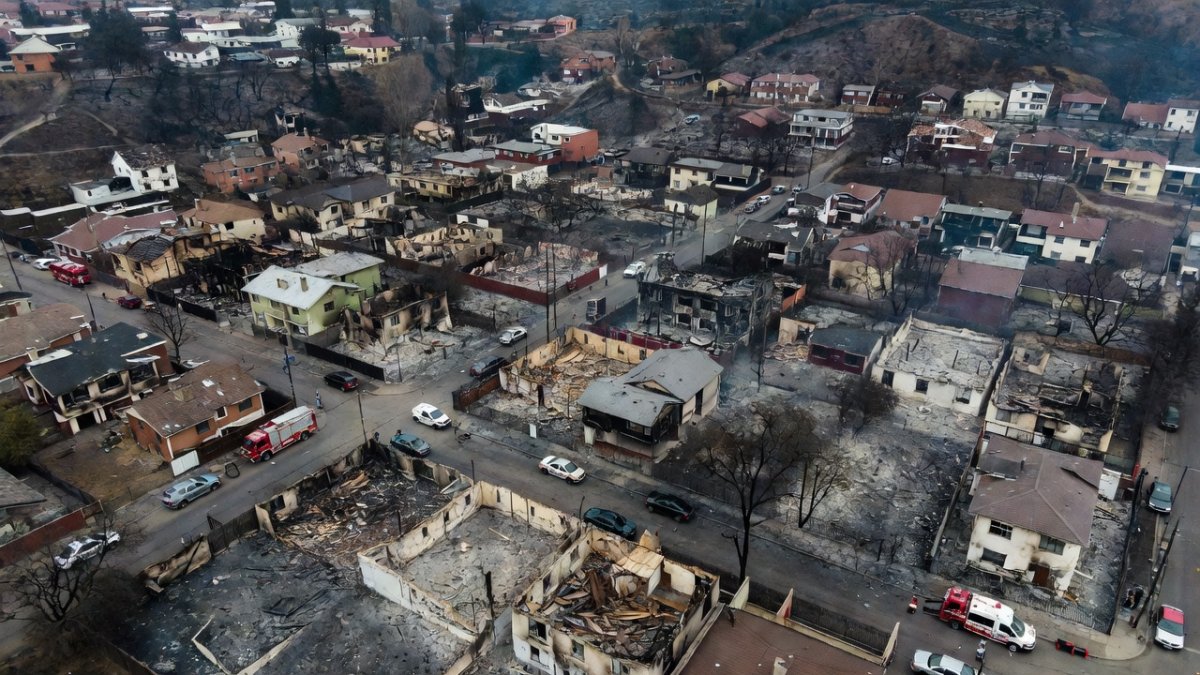
In January 2026, central Chile faced one of its most destructive wildfire seasons on record. At least 14-19 people were killed while more than 20,000 residents were evacuated from their homes. Between 5,000 and 30,000 hectares burned across the Biobio and Nuble regions, fueled by strong shifting winds, high temperatures, and prolonged drought. Up to 14 active fire foci burned simultaneously at the peak of the crisis. The government declared a State of Catastrophe, deploying the military to support ground operations. CONAF coordinated aerial and ground combat while SENAPRED issued rapid evacuation alerts. The fires struck working-class and semi-rural communities hardest, destroying over 250 homes in total. In the Rios de Chile neighborhood of Penco alone, roughly 700 homes were lost. These numbers reflect not only the scale of the flames but also the vulnerability of communities already strained by Chile’s ongoing megadrought that began around 2010. The human cost extended beyond immediate deaths, as families lost everything in neighborhoods where homes stood close to dry forests.
Trinitarias and San Lorenzo: Anatomy of a Firestorm
The Trinitarias fire in Concepcion, Biobio region, burned 15,541 hectares before being controlled after 12 days of intense aerial and ground combat. The San Lorenzo fire, spanning Quillon in Nuble and Florida in Biobio, consumed 4,413 hectares. Together these blazes accounted for a significant portion of the total area scorched. At the height of the emergency, 14 separate fire foci demanded simultaneous attention from firefighters. Strong, shifting winds repeatedly changed direction, pushing flames into new areas while high temperatures and drought-dried vegetation provided ready fuel. CONAF tracked every ignition point and coordinated with international support, including 145 Mexican brigadistas who arrived to reinforce local crews. SENAPRED maintained constant communication with residents, ordering evacuations as fronts advanced. The combination of meteorological extremes and accumulated dry biomass turned routine ignition events into uncontrollable firestorms. These specific fires illustrated how quickly conditions in central Chile can escalate when multiple factors align, leaving little time for containment before thousands of hectares are lost.
Communities on the Frontline: Penco's Working Class Bears the Brunt
Concepcion Province, particularly the municipalities of Penco, Lirquen, and Palomares, suffered the most visible destruction. In Penco’s Rios de Chile neighborhood, approximately 700 homes were reduced to ash. The local health center, Cesfam, was severely damaged or destroyed, cutting off immediate medical access for residents. These working-class and semi-rural communities sit at the interface between urban edges and dry forest lands, making them especially exposed. Mayor Rodrigo Vera of Penco coordinated initial response efforts while documenting the loss of infrastructure. Families who had lived in the area for generations watched generational homes disappear within hours. The fires exposed long-standing gaps in land-use planning that placed dense housing near highly flammable vegetation. With 20,000 people evacuated region-wide, many from these same neighborhoods, the social fabric of Penco was stretched thin. The destruction of the Cesfam further complicated recovery, forcing residents to travel farther for basic care during the immediate aftermath.
Megadrought and Climate Change: The Perfect Fuel
Chile’s megadrought, one of the longest and most severe in recorded history, has persisted since approximately 2010. The Centro de Ciencia del Clima y la Resiliencia (CR2) has directly linked drier forests and elevated fire risk to human-caused climate change. Rising temperatures increase evaporation rates and shift precipitation patterns, leaving vegetation parched for longer periods. In Patagonia during the summer of 2025-2026, extreme temperatures reached 37°C, stressing even ancient giant trees that had survived for thousands of years. Scientists describe these events as clear indicators of climate breakdown. The same atmospheric conditions that produced record heat in southern Chile also intensified fire weather in Biobio and Nuble. Reduced moisture in soils and live fuels allowed flames to spread faster and burn deeper into the landscape. CR2 research shows that the frequency of extreme fire days has risen measurably since the megadrought began, turning what were once manageable ignitions into regional disasters. This climatic backdrop explains why January 2026 produced such rapid and widespread destruction across central Chile.
Voices from the Ground: Mayor Vera and the Fight for Recovery
Mayor Rodrigo Vera of Penco became a central voice during both the emergency and the months that followed. By May 2026 he reported that 90 percent of affected families would pass the coming winter under a roof, a target achieved through coordinated municipal and national efforts. Vera emphasized the participatory nature of recovery planning, ensuring residents had input on housing designs. He also highlighted the need for enhanced fire mitigation measures, including wider evacuation routes and new green spaces that could serve as buffers. The loss of the Cesfam health center remained a pressing concern, as temporary medical services struggled to meet demand. Vera’s updates underscored the resilience of Penco’s communities while acknowledging persistent challenges in aid delivery. His statements reflected the broader reality faced by local leaders across Biobio and Nuble, where limited resources met overwhelming need. Through regular public briefings, Vera kept pressure on national agencies to maintain momentum in reconstruction.
Rebuilding Stronger: The Rios de Chile Reconstruction Plan
The Rios de Chile reconstruction plan called for more than 1,000 housing units to replace those lost in the fires. Families participated directly in choosing design options, ensuring homes reflected community preferences rather than top-down decisions. The plan incorporated enhanced fire mitigation features, improved evacuation routes, and new parks and green spaces intended to reduce future risk. MINVU, led by Minister Ivan Poduje, oversaw funding and technical standards. Despite these ambitions, criticism emerged regarding delays and aid that was sometimes conditioned on complex paperwork. By July 2026, progress was visible but uneven, with some families still awaiting final approvals. The participatory process helped build trust, yet bureaucratic hurdles slowed implementation in several blocks. The plan represented an attempt to turn disaster into an opportunity for safer, more resilient neighborhoods, though its success depended on sustained political will and timely resource allocation from Santiago.
Winter's Irony: New Storms Threaten Fire-Ravaged Communities
By July 2026, frontal systems brought heavy rain and strong winds to the same landscapes scorched months earlier. Biobio governor recommendations urged families to leave risky homes for shelters as post-fire terrain, stripped of vegetation, faced heightened flooding and erosion risks. Reduced root systems and ash-covered slopes channeled water rapidly into neighborhoods that had only begun rebuilding. The irony was stark: the same communities that battled flames in January now confronted water damage and landslides. SENAPRED issued new alerts while CONAF monitored slope stability. Winter storms exposed how quickly one extreme can follow another when ecosystems are destabilized. Families who had secured temporary roofs found those structures threatened by runoff. The shift from fire to flood illustrated the compounding nature of climate-driven disasters in central Chile, where recovery timelines are repeatedly disrupted by successive hazards.
The Bottom Line — What Chile's Wildfires Mean for Latin America
Chile’s January 2026 wildfires offer a warning for the wider region. The combination of megadrought, extreme heat, and expanding wildland-urban interfaces is not unique to Biobio and Nuble. Similar conditions are emerging across Argentina, Bolivia, and parts of Brazil’s southern forests. The deployment of 145 Mexican brigadistas demonstrated regional solidarity, yet also revealed capacity gaps that require coordinated Latin American response frameworks. CR2 findings on climate-driven fire risk apply beyond Chile’s borders, pointing to the need for shared early-warning systems and land-use reforms. For working-class communities like those in Penco, the stakes are immediate: lives, homes, and livelihoods hang in the balance each fire season. As Chile rebuilds with new mitigation standards, the lessons must travel across the continent. Without decisive action on emissions and forest management, the pattern of record-breaking fires followed by destructive floods will repeat elsewhere in Latin America, testing the resilience of millions more residents.
By Elena Vasquez, Staff WriterThis article was produced with AI-assisted research and editorial support. Reporting is based on sources cited in the article.
What's Your Reaction?
 Like
0
Like
0
 Dislike
0
Dislike
0
 Love
0
Love
0
 Funny
0
Funny
0
 Wow
0
Wow
0
 Sad
0
Sad
0
 Angry
0
Angry
0

Latin America Correspondent at Global1.News. Based in Mexico City, covering politics, economics, energy, and culture across the region. Brings an on-the-ground perspective to stories spanning from the Rio Grande to Patagonia.














Comments (0)