
US Ambassador Huckabee Honors Bibas Family at Memorial Ceremony in Northern Israel
According to an i24NEWS report published this week, U.S. Ambassador to Israel Mike Huckabee joined grieving relatives and community members at a solemn memorial ceremony honoring the Bibas family at Moshav HaYogev in northern Israel. The event highlighted the enduring pain of October 7, 2023, while underscoring international solidarity with Israel through the dedication of an olive tree. Huckabee’s presence, alongside his wife Janet, brought renewed attention to the family’s
US Ambassador Mike Huckabee Honors Bibas Family at Emotional Memorial in Northern Israel
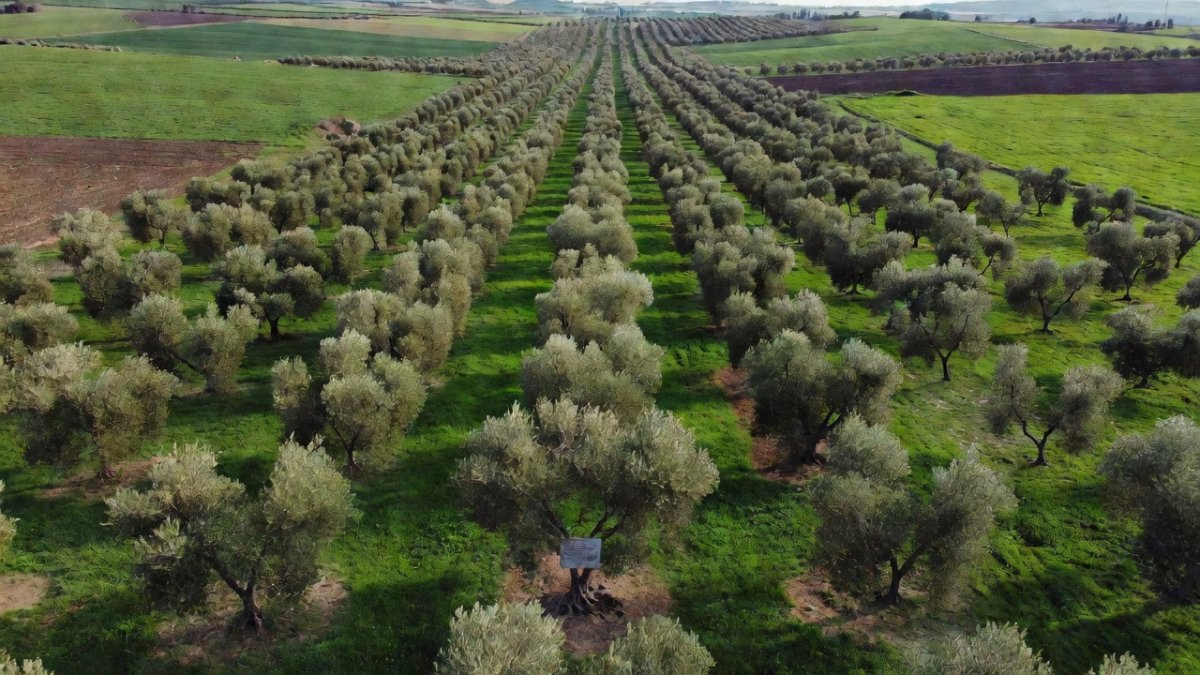
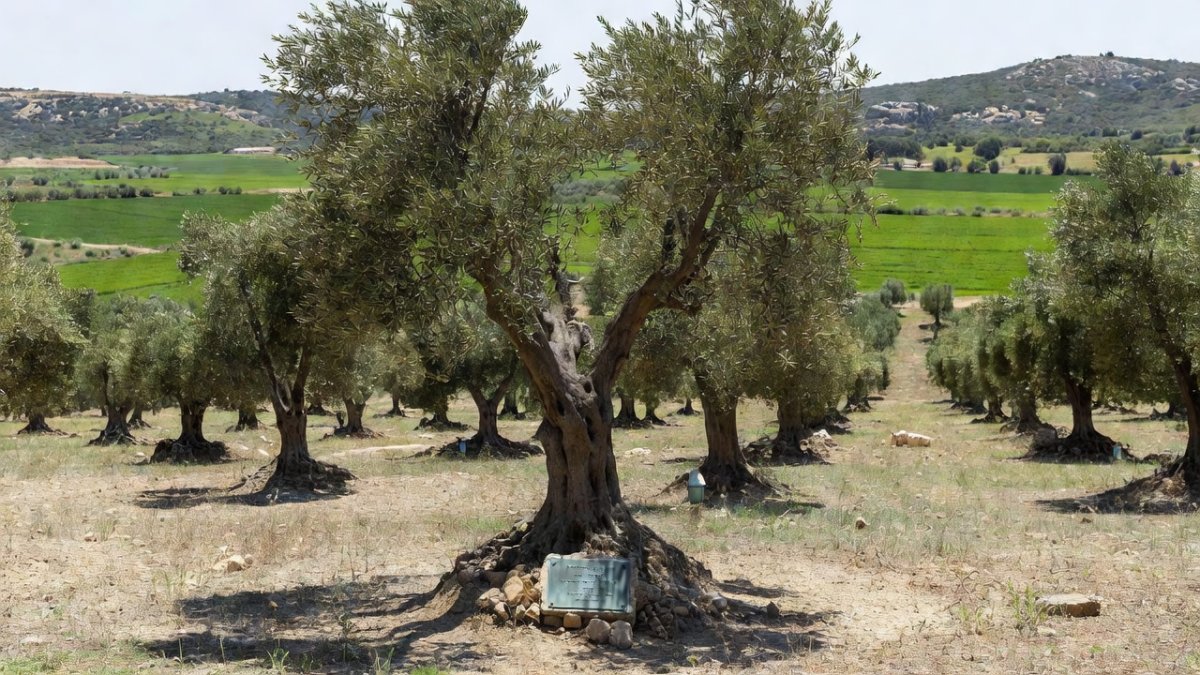
Moshav HaYogev, Israel - In a poignant gathering that drew international attention, U.S. Ambassador Mike Huckabee participated in a memorial ceremony this week for the Bibas family at Moshav HaYogev in the Jezreel Valley. The event formed part of the broader “My Tree in Israel” initiative, where supporters from around the world adopt Israeli olive trees as symbols of remembrance and resilience. Huckabee and his wife Janet unveiled a memorial plaque beneath an olive tree adopted by a non-Jewish Floridian supporter, emphasizing that the Bibas family’s loss has not been forgotten. The ceremony unfolded against the backdrop of an olive grove containing approximately 2,200 Barnea olive trees, creating a serene yet powerful setting for reflection on the family’s ordeal.
The Ceremony at Moshav HaYogev
The memorial ceremony at Moshav HaYogev unfolded with quiet dignity under the shade of the expansive olive grove. Attendees gathered around the newly dedicated tree, where Ambassador Huckabee and his wife Janet carefully unveiled the plaque commemorating Shiri Bibas, Ariel, and Kfir. Speeches focused on themes of remembrance and continuity, with participants noting how the act of planting and adopting trees transforms personal grief into lasting symbols of life. Community members from the Jezreel Valley shared stories of solidarity, highlighting how such initiatives help sustain national morale in difficult times. The presence of the olive press nearby allowed Huckabee to tour the facility afterward, observing the traditional process of olive oil production that connects ancient heritage with modern Israeli agriculture. This tour added a layer of cultural depth to the event, illustrating how memorial activities blend mourning with everyday expressions of Israeli identity and productivity.
Throughout the ceremony, the atmosphere remained respectful and introspective, with no large crowds but rather intimate groups of family, friends, and supporters. Floral arrangements and simple inscriptions reinforced the focus on the Bibas family’s memory. Organizers emphasized that events like these serve as anchors for collective healing, allowing participants to channel sorrow into constructive acts such as tree adoption. The involvement of international figures like Huckabee elevated the occasion, signaling that the Bibas tragedy resonates far beyond Israel’s borders. Local residents expressed gratitude for the ambassador’s attendance, viewing it as affirmation of enduring alliances during periods of national trial.
The Bibas Family Story
Shiri Bibas, aged 32, along with her sons Ariel, 4, and Kfir, just 9 months old, were kidnapped from Kibbutz Nir Oz during the October 7, 2023 attacks. The family was taken into Hamas captivity in Gaza, where they were ultimately murdered. Their story quickly became emblematic of the profound losses suffered by many Israeli communities on that day. The Bibas family’s abduction highlighted the vulnerability of civilian life in border kibbutzim and the brutality faced by young children and mothers in captivity. Details of their time in Gaza remain limited, yet the confirmed murders have left an indelible mark on Israeli society, fueling demands for accountability and justice.
Public remembrance of the Bibas family often centers on the innocence of the children and the protective instincts of their mother. Memorials such as the one at Moshav HaYogev provide spaces for Israelis to process these losses collectively. The family’s connection to Kibbutz Nir Oz, a tight-knit agricultural community, underscores the broader impact on rural Israeli life. In recent days, renewed coverage of their case has reminded citizens of the human cost of ongoing conflicts, encouraging continued vigilance and support for affected families. The dedication of the olive tree serves as a living tribute, ensuring that future generations encounter the Bibas names amid the enduring landscape of Israeli olive groves.
Yarden Bibas and His Attendance
Yarden Bibas, who was taken separately from his wife and children, endured 484 days in Hamas captivity before his release in February 2025 as part of a ceasefire deal. His survival and return have been marked by both relief and profound grief over the loss of Shiri, Ariel, and Kfir. At the Moshav HaYogev ceremony, Yarden attended alongside his sister Ofri Bibas, representing the family’s ongoing commitment to public remembrance. His presence added a deeply personal dimension, as he stood near the dedicated olive tree and plaque unveiled by the Huckabees.
Yarden’s journey from captivity to freedom has resonated widely, illustrating the resilience required to rebuild after such trauma. Ofri’s attendance further emphasized familial bonds and shared mourning. During the event, their quiet participation allowed space for reflection on the long-term effects of hostage experiences. Community members at the ceremony expressed admiration for Yarden’s strength in facing public memorials while processing private pain. The olive tree adoption by an international supporter offered a measure of solace, connecting Yarden’s story to a global network of solidarity that extends beyond political divides.
Ambassador Huckabee’s Role and Remarks
As an evangelical Christian and longtime Israel supporter, Ambassador Mike Huckabee brought significant symbolic weight to the memorial. His statement that “the Bibas family’s loss has not been forgotten” resonated through the gathering, affirming continued international awareness. Huckabee’s decision to attend with his wife Janet and participate in the plaque unveiling demonstrated personal engagement with Israeli national tragedies. The ambassador also toured the on-site olive oil press, gaining firsthand insight into the agricultural traditions intertwined with the memorial site.
Huckabee’s involvement highlighted the intersection of faith-based support and diplomatic presence. In Israeli media coverage, his remarks were noted for their directness and empathy, reinforcing perceptions of steadfast U.S. alignment with Israel. The ambassador’s background as a prominent evangelical figure added layers of meaning for many attendees who value such alliances. His tour of the press facility provided opportunities for informal discussions on Israeli innovation in agriculture, blending solemnity with practical appreciation of the land. Overall, Huckabee’s role elevated the ceremony from a local event to one with broader diplomatic resonance.
The My Tree in Israel Initiative
The “My Tree in Israel” initiative encourages global participants to adopt olive trees as acts of support and remembrance. At Moshav HaYogev, the tree dedicated to Shiri, Ariel, and Kfir was adopted by a non-Jewish Floridian, illustrating the initiative’s reach across communities and faiths. The grove’s 2,200 Barnea olive trees form a living memorial network, each adoption carrying personal stories of connection to Israel. This program transforms abstract solidarity into tangible contributions to the Israeli landscape.
Organizers of the initiative have described it as a way to foster long-term bonds between Israel and its supporters worldwide. The Bibas family tree stands as one of many such dedications, ensuring that names like Ariel and Kfir remain visible amid the cycles of growth and harvest. Participants often visit their adopted trees, creating ongoing engagement with Israeli communities. In the context of the Huckabee ceremony, the initiative gained added visibility, encouraging further adoptions. The non-Jewish Floridian adopter’s choice underscores how the Bibas story has touched diverse audiences beyond traditional Jewish networks.
Israeli Society Response
Israeli society has responded to the Bibas family’s tragedy with sustained public mourning and calls for remembrance. Memorials at sites like Moshav HaYogev reflect a national impulse to honor victims through acts of cultivation and community gathering. In recent days, renewed attention to hostage and captive stories has reinforced societal resilience, with citizens participating in tree adoptions and similar initiatives as expressions of hope. The presence of international figures at such events bolsters morale, signaling that Israel’s losses are acknowledged globally.
Local communities in the Jezreel Valley have embraced these ceremonies as opportunities for collective processing. Discussions at the event touched on the importance of preserving memory while continuing daily life, including agricultural work around the olive grove. Families affected by October 7 have found strength in shared rituals, viewing tree dedications as symbols of continuity. Broader societal responses include educational programs that incorporate stories like the Bibas family’s into curricula, ensuring younger generations understand the human dimensions of recent events. This layered response demonstrates Israel’s capacity to integrate grief into forward-looking national identity.
US-Israel Relations in Context
Ambassador Huckabee’s participation in the Bibas memorial underscores the depth of US-Israel relations, particularly through evangelical Christian support networks. His longstanding advocacy for Israel aligns with diplomatic efforts to maintain strong bilateral ties during challenging periods. The ceremony at Moshav HaYogev provided a platform for reaffirming these connections, with Huckabee’s remarks emphasizing shared values of remembrance and justice. Tours of agricultural facilities like the olive press further illustrate practical dimensions of the alliance, including cooperation in innovation and land stewardship.
Israeli observers have noted that such high-level attendance helps sustain public confidence in international partnerships. The event’s focus on the Bibas family personalizes these relations, moving beyond policy discussions to human stories. Huckabee’s evangelical background resonates with segments of Israeli society that appreciate faith-based solidarity. In this way, the memorial contributes to ongoing dialogue about mutual support, with tree adoptions serving as grassroots extensions of diplomatic goodwill. The overall effect strengthens perceptions of enduring friendship between the two nations.
Hostage Families and Broader Impact
The Bibas family’s experience forms part of the wider narrative of hostage families affected by October 7. Yarden Bibas’s 484-day captivity and subsequent release highlight the prolonged uncertainty faced by many relatives. Memorial events like the one at Moshav HaYogev offer spaces for these families to connect and advocate for continued awareness. Ofri Bibas’s attendance alongside her brother exemplifies the familial networks that sustain public campaigns.
Hostage families across Israel have drawn encouragement from international participation in such ceremonies. The olive tree dedication provides a model for how personal losses can be commemorated through community and global initiatives. In recent days, renewed focus on released hostages has prompted discussions about long-term support structures. The Huckabee presence at this particular event signals that hostage stories continue to influence diplomatic engagements. This broader impact helps maintain pressure for accountability while fostering environments of empathy and remembrance.
Analysis and Memorial Legacy
The memorial ceremony at Moshav HaYogev represents a convergence of personal grief, international diplomacy, and agricultural symbolism. By dedicating an olive tree to the Bibas family, organizers have created a legacy that will endure through seasonal cycles and future generations. Ambassador Huckabee’s involvement adds diplomatic weight, ensuring the story reaches audiences beyond Israel. The initiative’s structure allows for scalable remembrance, with each adopted tree contributing to a larger tapestry of national memory.
Analysis of the event suggests it will influence how Israel approaches future memorials, blending solemnity with productive land use. The non-Jewish Floridian adoption highlights expanding circles of support. Yarden and Ofri Bibas’s participation ensures the family voice remains central. Overall, the ceremony at the 2,200-tree grove stands as a testament to resilience, transforming tragedy into enduring symbols of life and connection. This legacy will likely inspire similar initiatives, reinforcing Israel’s capacity to honor its losses while cultivating hope.
By Hannah Berg, Staff WriterThis article was produced with AI-assisted research and editorial support. Reporting is based on sources cited in the article.
What's Your Reaction?
 Like
0
Like
0
 Dislike
0
Dislike
0
 Love
0
Love
0
 Funny
0
Funny
0
 Wow
0
Wow
0
 Sad
0
Sad
0
 Angry
0
Angry
0

Israel Correspondent at Global1.News. Based in Tel Aviv, covering Israeli politics, security, technology, and society. Provides balanced, deeply-sourced reporting on one of the most closely-watched regions in the world.











Comments (0)