
Shangwe, le bal: Kenyan Choreographer Wanjiru Kamuyu Brings East African Joy to Lyon's Nuits de Fourvière
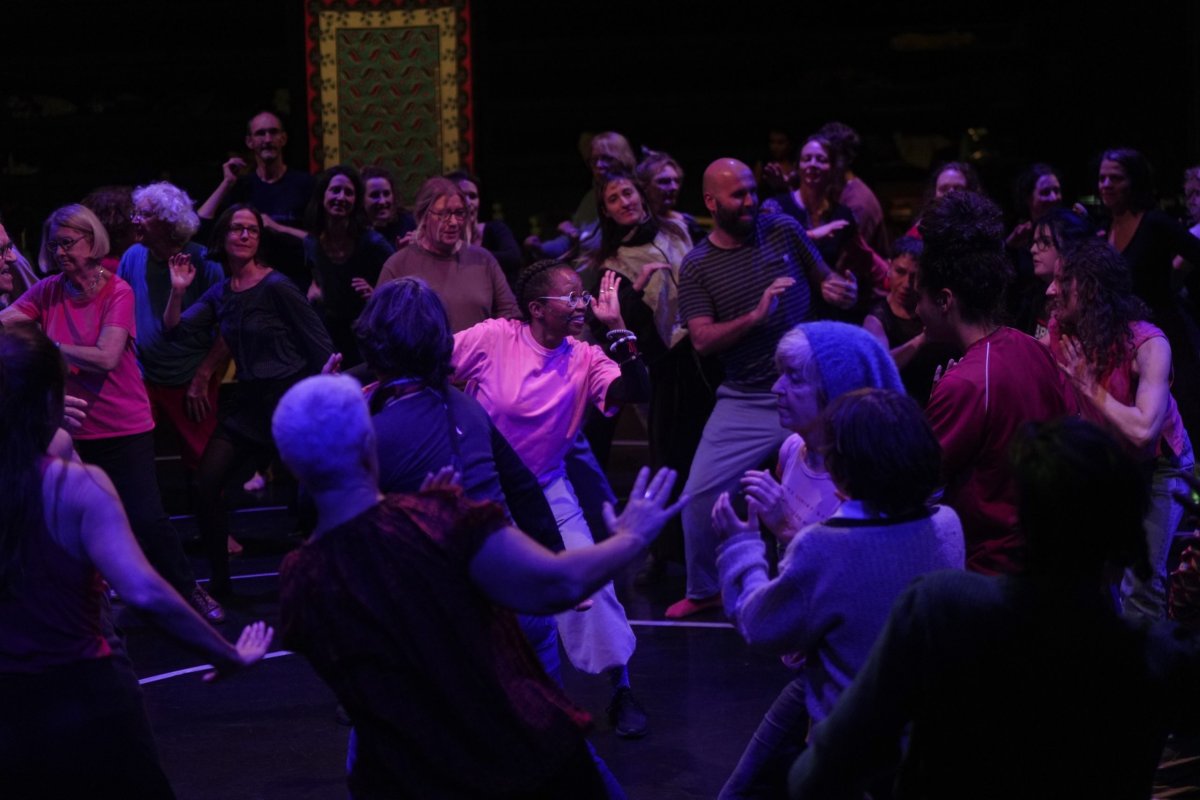
In the heart of Lyon on Bastille Day, Kenyan choreographer Wanjiru Kamuyu transformed the stage at Les SUBS into a vibrant gathering of movement and memory.
In the heart of Lyon on Bastille Day, Kenyan choreographer Wanjiru Kamuyu transformed the stage at Les SUBS into a vibrant gathering of movement and memory. Her participatory project Shangwe, le bal invited 60 amateur dancers to celebrate East African traditions alongside contemporary rhythms, linking Lyon’s festival scene with the creative energy of the African diaspora. This event signals a broader revival where African dance forms reclaim space in European venues while strengthening cultural ties across continents.
Shangwe, le bal Lights Up Lyon: Kenyan Choreographer Wanjiru Kamuyu Revives East African Joy at Nuits de Fourvière
Lyon, France — On July 14, 2026, Wanjiru Kamuyu brought her participatory dance project Shangwe, le bal to the prestigious Les Nuits de Fourvière festival, marking a powerful fusion of Kenyan vision and French stage traditions. The Kenyan choreographer, who has lived in Paris since 2007, assembled 60 amateur dancers for an evening that honored East African movement while offering views of Bastille Day fireworks from Fourvière hill. Her work now stands as a model for how diaspora artists can bridge continents through collective celebration.
Shangwe Means Joy: A Dance Project Born From Celebration
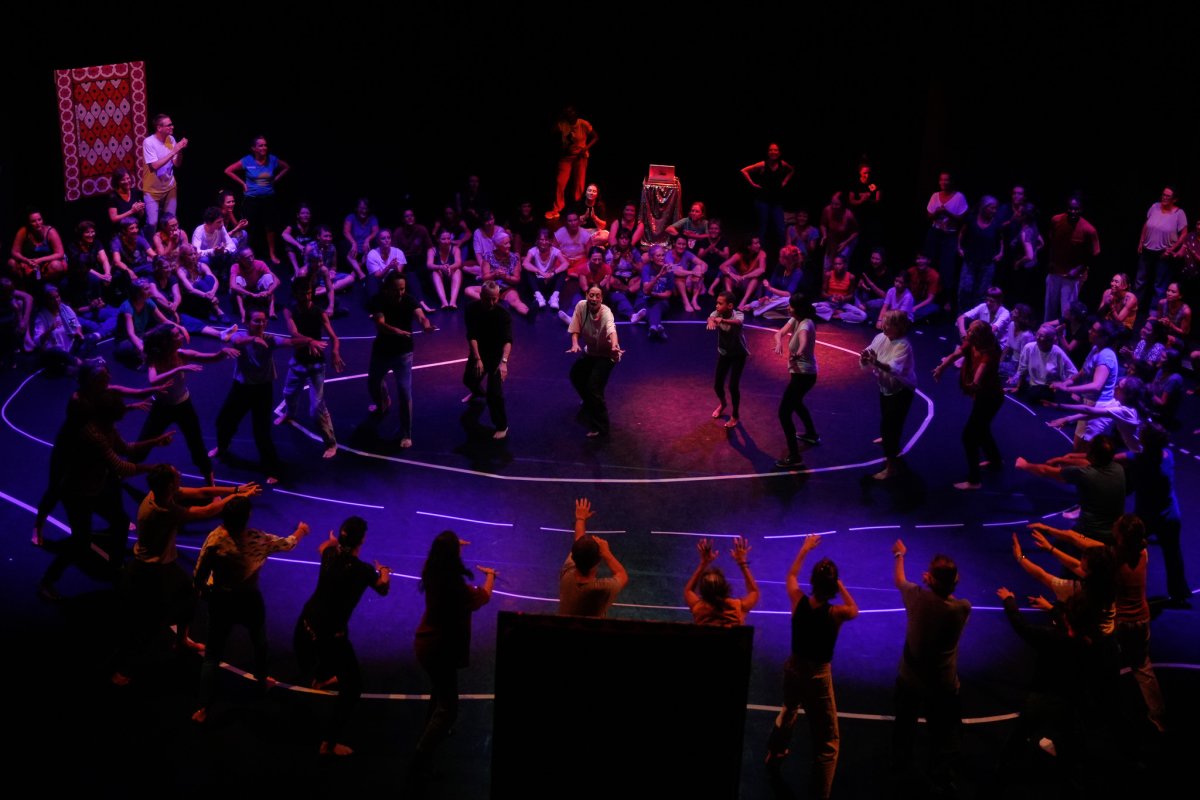
Shangwe means joy in Kiswahili, the East African language spoken across Kenya, Tanzania, and Uganda. Kamuyu chose the word to frame an evening rooted in celebration rather than performance hierarchy. The project invited 60 amateur dancers of all ages to join professionals on stage, creating a transgenerational circle that echoed village gatherings back home.
The format blended traditional East African dances from Kenya, Tanzania, and Uganda with contemporary club, street, and modern expressions. Dancers moved through rhythms that shifted from ngoma steps to house beats, keeping the energy inclusive and alive. This mix honored ancestral forms while speaking directly to young participants who grew up with both.
The warm community atmosphere filled Les SUBS on July 14, 2026, as families and friends shared the space without barriers between audience and performers. Everyone learned sequences together before the show, turning rehearsal into social ritual. The July 14 Bastille Day setting added another layer, with the performance space offering an exceptional view of the fireworks exploding over the city from Fourvière hill.
Participants described the evening as a homecoming even for those born in France. The inclusive approach welcomed beginners alongside experienced movers, reflecting Kamuyu’s belief that dance belongs to the collective. By the final section, the entire group moved as one body under the night sky.
The participatory model drew from East African traditions where dance marks life events and strengthens bonds. Kamuyu adapted these roots for a European festival without diluting their spirit. The result felt both ancient and immediate, grounded in the present moment of Lyon’s summer calendar.
Wanjiru Kamuyu: From Nairobi to the World Stage
Wanjiru Kamuyu was born in Nairobi, Kenya and discovered classical ballet as a child there through local studios that introduced her to disciplined technique. Those early classes planted seeds that later grew into a global career spanning three continents. She moved to the United States at age 16 in 1999, carrying the rhythms of her childhood into new training environments.
She trained at Alvin Ailey American Dance Centre in New York, where the company’s emphasis on Black excellence and expressive power shaped her approach. Later she earned an MFA from Temple University in Philadelphia, deepening her understanding of choreography as both craft and cultural statement. These American years gave her tools she would later combine with her Kenyan heritage.
Kamuyu worked with legendary companies including Urban Bush Women, Molissa Fenley and Company, and Bill T. Jones, absorbing lessons in ensemble work and political storytelling. Each collaboration expanded her vocabulary while reinforcing the value of rooted movement. By the time she relocated, she carried a rich network across North America.
She has been based in Paris, France since 2007, establishing WKcollective as a platform for projects that travel between Europe and Africa. Her international career includes performances and masterclasses across Europe, North America, Asia, and Africa. She served as artistic advisor for Bintou Dembélé’s creation Z.H. and designed refugee projects with New World Theatre in the USA and Euroculture in France.
Kamuyu held a residency with Villa Albertine in 2023, using the time to develop ideas that later fed into Shangwe. She was an Associate Artist at CCN Nantes from 2024/25 to 2025/26 and served as Live Feed Artist at New York Live Arts during the 2023/24 and 2024/25 seasons. These positions reflect sustained recognition from major institutions on both sides of the Atlantic.
Her company WKcollective is associated with production agency camin aktion in Montpellier, which handled production for Shangwe, le bal. This infrastructure allows her to maintain strong ties to both French cultural networks and African creative communities.
An Immigrant's Story: A Bessies-Nominated Choreographer
Kamuyu’s solo An Immigrant's Story earned a Bessies nomination for Outstanding Choreographer/Creation in the 2024/25 season, bringing attention to her personal exploration of displacement and belonging. The work traces movement across three continents, asking what it means to carry multiple homes in the body. Audiences in New York and Paris recognized the universal questions embedded in her specific Kenyan-American-French journey.
She has created five major works since 2017, including solos, trios, and a short film that together map her evolving voice. Each piece examines place, belonging, and otherness through layered choreography that refuses easy categories. Her work questions what it means to be an immigrant through movement that shifts between grounded African stances and airborne contemporary phrases.
Kamuyu’s choreographic voice blends African heritage with contemporary dance language, never treating one as decoration for the other. Instead she weaves them into a single fabric that speaks to diaspora audiences and festival crowds alike. This approach has positioned her as a bridge builder in European dance scenes hungry for authentic African perspectives.
Her five major works since 2017 demonstrate consistent commitment to themes of migration and cultural memory. Fragmented Shadows remains in the WKcollective touring repertory alongside Shangwe, le bal, showing how her earlier explorations directly informed the participatory project in Lyon. The Bessies nomination confirmed that her voice resonates far beyond niche circles.
Through these creations, Kamuyu models how African artists in the diaspora can maintain deep connections to the continent while building sustainable careers in Europe. Her trajectory from Nairobi ballet studios to major festival commissions offers a concrete path for younger choreographers watching from Dakar to Nairobi.
The Creative Team Behind Shangwe
The choreography was created in collaboration with Halima Masoud Abdallah, Predictor Lodenyi aka Pretty, Nstinzi Joyeux, and Rokia Bamba, each bringing distinct East African and European influences to the rehearsal room. These partners shaped sequences that honored specific regional traditions while remaining accessible to the 60 amateur dancers. Their combined input ensured the work felt authentic rather than extracted.
Performers Elodie Paul and David Gaulein-Stef anchored the professional core, guiding participants through complex transitions with patience and clarity. Their presence created safety for the large group while modeling the blend of precision and freedom that defines the piece. Rokia Bamba also provided the DJ set for the evening, moving seamlessly between traditional recordings and contemporary tracks that kept energy high.
Lighting design by Cyril Mulon transformed Les SUBS into a communal space that highlighted both individual faces and collective formations. His cues responded to the dancers rather than dictating the mood, supporting the participatory spirit throughout. Production by camin aktion in Montpellier coordinated the complex logistics of bringing together so many non-professional performers.
Co-production with CCN Nantes provided essential institutional support during the 2024/25 to 2025/26 period when Kamuyu served as Associate Artist there. Studio support from Ménagerie de verre in Paris allowed the team to refine material before traveling to Lyon. These partnerships reflect the network Kamuyu has built across France.
The collaborative process mirrored the inclusive values of the final performance. Every contributor, from choreographers to technicians, worked toward an evening that prioritized joy and connection over spectacle. This team approach ensured Shangwe, le bal carried the warmth of many voices rather than a single vision imposed from above.
East African Dance Meets European Festival Culture
Les Nuits de Fourvière is one of France’s oldest and most prestigious performing arts festivals, founded in 1946, and it has long programmed international work alongside French classics. Hosting Shangwe, le bal in 2026 placed East African dance at the center of this historic platform. The choice signals growing openness to choreographers from the continent who bring both tradition and innovation.
Les SUBS venue in Lyon has become a key site for contemporary dance experimentation, offering flexible spaces that suit large participatory projects. Its location on the hill provided the exceptional view of Bastille Day fireworks that framed the evening with civic celebration. The setting turned a French national holiday into a moment of shared African and European festivity.
The participatory bal format functioned as a community ritual that invited audiences to witness and occasionally join the movement. This approach differs from traditional proscenium presentations and echoes village dance gatherings across East Africa. European festival audiences responded with openness, recognizing parallels with their own folk traditions while discovering new forms.
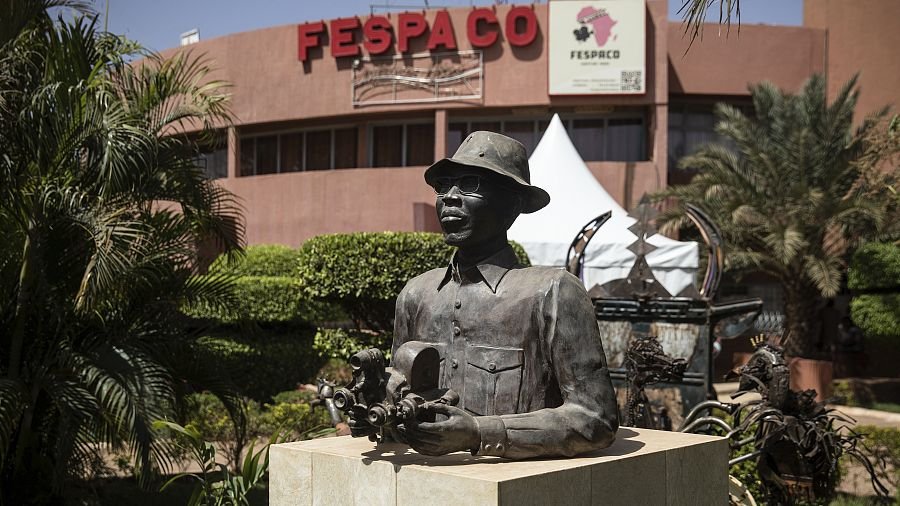
The growing presence of African choreographers on European stages includes projects like those at the Dakar Biennale and dance components within FESPACO in Burkina Faso. Shangwe, le bal joins this wave by demonstrating how African artists can secure major commissions without compromising cultural integrity. The fireworks backdrop added a spectacular, site-specific element that linked the performance to Lyon’s geography.
East African dance festivals such as those in Nairobi and Kampala increasingly send artists outward, creating circuits that now run in both directions. Kamuyu’s project shows how these exchanges enrich European programming while giving diaspora creators platforms to develop work with continental roots. The result expands what festival culture can contain.
What This Means for African Dance and Diaspora Artists
The significance of a Kenyan choreographer leading a major French festival commission cannot be overstated for artists watching from Nairobi to Dakar. Kamuyu’s success opens doors for others who blend rigorous training with cultural specificity. Her model proves that European institutions will support work that centers African joy rather than trauma narratives alone.
The participatory model offers a template for African community dance projects that prioritize inclusion over elite performance. Groups in Senegal and Tanzania can adapt the Shangwe approach to local contexts, using dance to strengthen social bonds across generations. This method travels well because it values lived experience over polished technique.
Kamuyu’s WKcollective serves as a model for diaspora artists bridging continents, showing how to maintain production bases in Europe while returning regularly to African soil. Her residencies and teaching across multiple regions keep her connected to emerging voices on the continent. Younger artists now see concrete examples of sustainable transnational careers.
African dance traditions are being reimagined for contemporary audiences through projects like this one, where ancestral forms meet club rhythms without losing their essence. The importance of joyful celebration in African artistic expression stands out against more somber representations that often dominate Western stages. Shangwe reminded viewers that resistance and delight can occupy the same space.
What African artists and audiences can take from this model includes the courage to claim large festival platforms while keeping community at the center. Diaspora artists returning and connecting with the continent gain new energy from such exchanges. Kamuyu’s work demonstrates that these returns strengthen both the individual artist and the broader cultural ecosystem across borders.
By Amara Diop, Staff Writer
This article was produced with AI-assisted research and editorial support. Reporting is based on sources cited in the article.
What's Your Reaction?
 Like
0
Like
0
 Dislike
0
Dislike
0
 Love
0
Love
0
 Funny
0
Funny
0
 Wow
0
Wow
0
 Sad
0
Sad
0
 Angry
0
Angry
0

West Africa/Sahel Correspondent at Global1.News. Dakar-based journalist covering politics, security, climate, and development across Francophone and Anglophone West Africa. Tells the stories of a region undergoing profound transformation.











Comments (0)