
Iran Hormuz Moves Escalate US Strikes and Oil Fears
Tensions in the Gulf have reached a critical juncture, with Iran asserting control over vital shipping lanes in the Strait of Hormuz while American forces extend their aerial campaign into a seventh consecutive night. This sharp escalation follows the collapse of a fragile June ceasefire and raises immediate fears of broader disruption to global energy flows.
Iran Hormuz Moves Escalate US Strikes and Oil Fears
London, UK — Article continues...
Iran has intensified its naval operations in the Strait of Hormuz, claiming to have halted four commercial vessels, as the United States completed a seventh consecutive night of airstrikes on Iranian targets. The developments mark a sharp escalation in the conflict that began on 28 February 2026, following the collapse of a ceasefire agreed on 14 June. Tehran has warned that further disruptions to Gulf oil exports are possible if American and allied operations continue.
Escalation of Hostilities
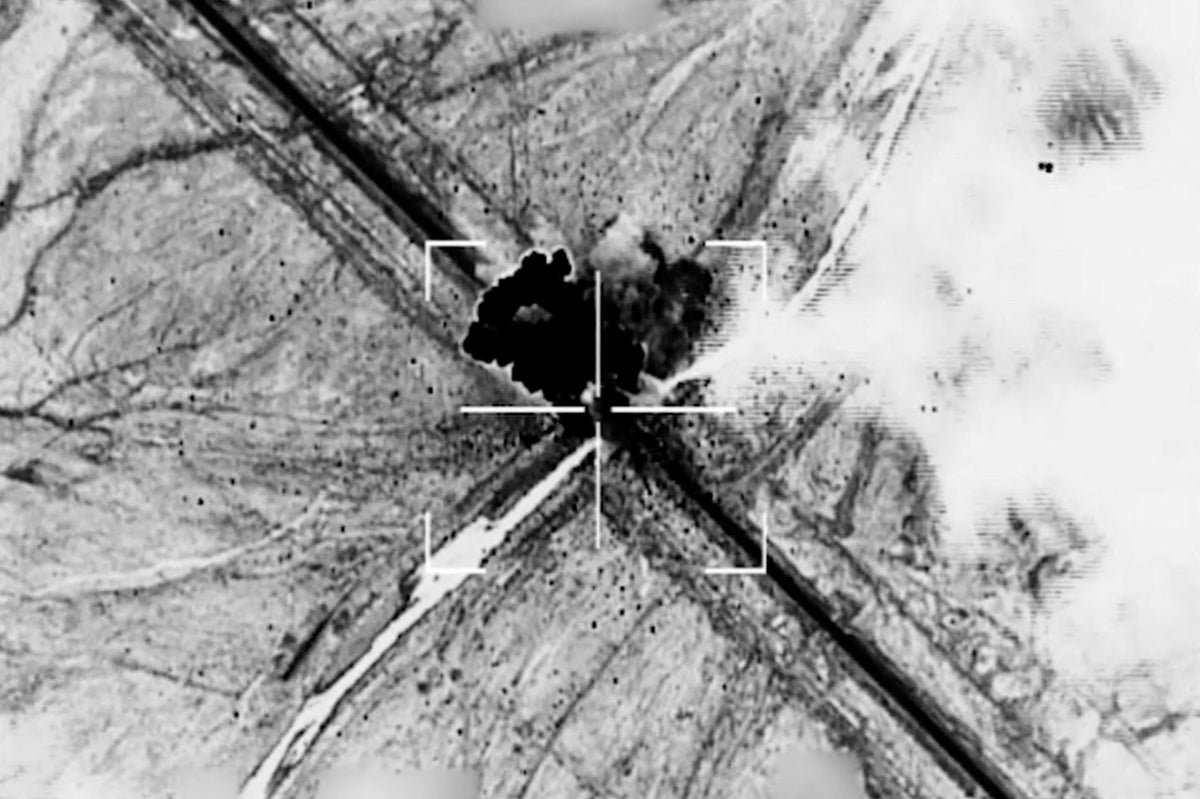
The US-Iran war entered a new phase after Iran allegedly struck multiple commercial ships in the Strait of Hormuz on 8 July, prompting the collapse of the June ceasefire. American forces resumed strikes the following day and have now conducted seven nights of operations. CENTCOM stated that the latest raids aim at continuing to degrade Iranian military capabilities, with targets including a tunnel and additional bridges.
Iran has responded by launching attacks on neighbouring countries and stepping up strikes against commercial shipping. These moves follow the initial US-Israeli airstrikes that killed several Iranian officials, including Supreme Leader Khamenei, on 28 February 2026. The pattern of retaliation has raised concerns among Western capitals about the risk of wider regional involvement.
The collapse of the ceasefire on 8 July followed swiftly from Iran's reported strikes on commercial vessels, prompting the United States to resume military operations. This sequence has drawn scrutiny from defence analysts in London, who note how quickly maritime incidents can unravel fragile truces in the Gulf. The resumption of strikes has shifted the conflict from targeted operations to a broader campaign aimed at limiting Iran's capacity to project force across the region.
Since the initial US-Israeli strikes in February, which eliminated Supreme Leader Khamenei and several senior Iranian officials, the fighting has moved through distinct phases. Early exchanges focused on command structures, yet the conflict has since expanded to include proxy engagements and direct exchanges involving Gulf states. Iran’s subsequent actions against US allies have placed the GCC countries in a delicate position, with several capitals balancing security ties to Washington against the risk of further economic disruption to their energy infrastructure.
The CENTCOM statement’s reference to “continuing to degrade Iranian military capabilities” signals an open-ended operational posture rather than a finite campaign. In Whitehall, this language has prompted quiet discussions about the absence of clear political endpoints, echoing earlier British concerns over mission creep in Middle Eastern engagements. Observers in Parliament have questioned how long such degradation efforts can continue without drawing in additional regional actors.
Threats to Shipping in the Strait of Hormuz
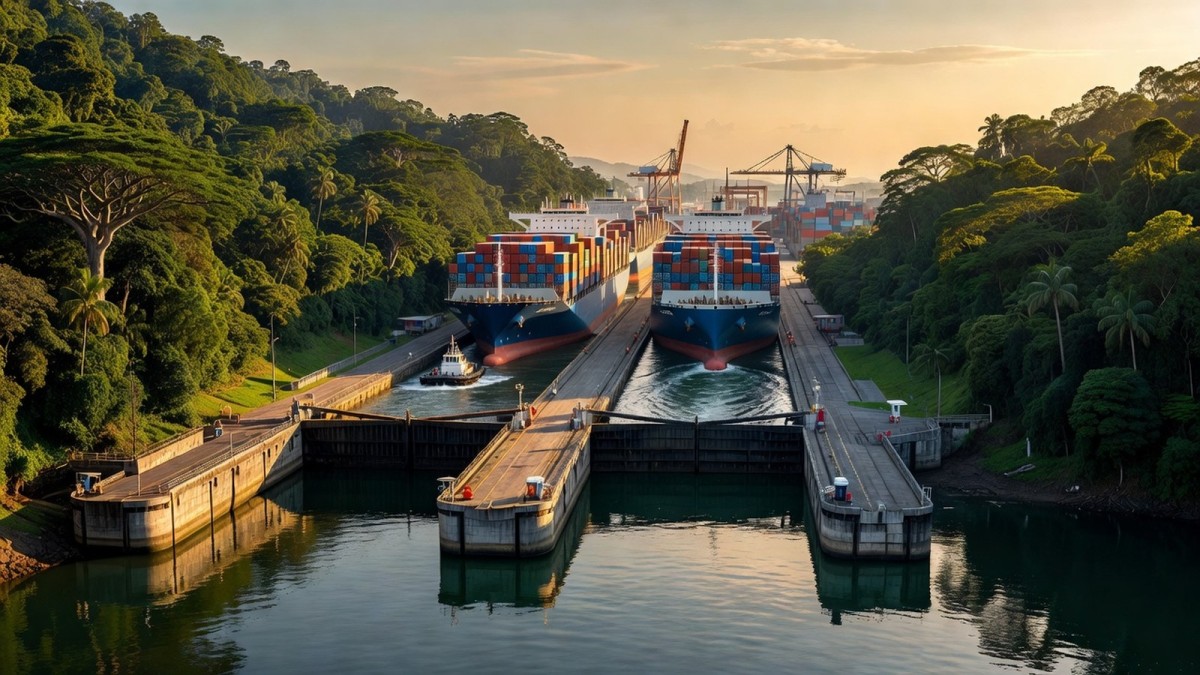
Iranian forces claim to have stopped four vessels in the Strait of Hormuz in recent days and have issued explicit warnings that Gulf oil exports could face further disruption. Around one-fifth of global oil and liquefied natural gas shipments pass through the waterway, making any sustained closure a matter of immediate international concern. Tehran has also threatened to close a second key oil route as part of its retaliation against American allies.
The US struck an oil tanker near Kharg Island, Iran's main oil export hub, in what marks the first time Washington has targeted a commercial vessel since reimposing its naval blockade. Shipping traffic through the strait has already dwindled, contributing to heightened tensions over freedom of navigation in the vital chokepoint.
The Strait of Hormuz remains the world’s most critical energy chokepoint, with roughly one-fifth of global oil and liquefied natural gas cargoes passing through its narrow waters each day. Any sustained disruption here immediately registers on European energy markets, where the United Kingdom continues to import significant volumes of LNG. Recent Iranian statements about closing a second maritime route have therefore concentrated minds in both the City and the Ministry of Defence.
The United States strike on a tanker near Kharg Island marked the first direct targeting of a commercial vessel since the blockade was reimposed. Shipping companies have responded by diverting tankers around the Cape of Good Hope, adding weeks to voyages and sharply increasing insurance premiums. London-based underwriters have reported premiums rising to levels not seen since the height of the Red Sea crisis, with some hull policies now carrying explicit war-risk exclusions for the northern Gulf.
These rerouting decisions carry secondary consequences for UK supply chains. Longer transit times reduce vessel availability and push up charter rates, effects that compound existing pressures on just-in-time delivery models. Energy traders in the Square Mile are already modelling scenarios in which sustained Hormuz tensions persist into the autumn, with knock-on implications for domestic heating costs ahead of winter.
Details of the Latest US Strikes
American operations on the seventh night focused on military infrastructure, including a tunnel and several bridges, according to statements from CENTCOM. The strikes form part of a sustained campaign that resumed on 7 July after the ceasefire breakdown. Officials in Washington have described the actions as necessary to limit Iran's capacity to threaten maritime traffic and regional stability.
Iranian state media have reported damage to civilian areas alongside military sites, though independent verification remains limited. The sequence of nightly raids has now extended across more than a week, with no immediate indication from the US that the programme of strikes will pause.
Oil Markets and Economic Consequences
Oil prices have surged to a one-month high amid the reduced traffic through the Strait of Hormuz. Traders have reacted to the combination of Iranian threats and the US naval blockade, which together have tightened supply routes from the Gulf. The targeting of the tanker near Kharg Island has added further pressure on already elevated benchmarks.
Energy analysts note that prolonged instability in the strait would affect import-dependent economies across Europe and Asia. The Bank of England has previously highlighted the sensitivity of UK inflation to global energy shocks, and any sustained spike could influence domestic policy decisions in the coming weeks.
Oil prices have climbed to their highest levels in a month, driven by uncertainty over export volumes from the Gulf. The trajectory has revived memories of previous energy shocks, with traders watching inventories and spare capacity closely. For the United Kingdom, these movements arrive against a backdrop of still-elevated core inflation, making any sustained price spike particularly sensitive for household budgets and industrial users alike.
The Bank of England has previously highlighted the UK economy’s exposure to energy price volatility, noting how quickly imported inflation can feed through to wages and consumer spending. One hundred and forty days of conflict have already lengthened delivery schedules for refined products and petrochemical feedstocks, disrupting manufacturing timetables from Teesside to the Humber. Supply-chain managers report growing difficulty in securing forward contracts at predictable prices.
Beyond immediate fuel costs, the conflict’s effects extend to fertiliser production, food processing and a range of industrial inputs that rely on petrochemical derivatives. Higher ammonia prices, for instance, threaten to lift agricultural costs at a time when UK farmers are already adjusting to post-Brexit subsidy changes. These second-order pressures risk amplifying the cost-of-living challenges that have dominated domestic political debate since the pandemic.
The economic fallout from Hormuz disruptions now intersects directly with Britain’s diplomatic calculations, as prolonged price volatility threatens to constrain the very coalition-building efforts Whitehall is pursuing to reopen the strait.
United Kingdom's Diplomatic Position
Prime Minister Keir Starmer has maintained the UK's refusal to join US-Israeli strikes, instead prioritising efforts to reopen the Strait of Hormuz. The government has convened a coalition of nations to secure the waterway and has repeatedly called for restraint and de-escalation from all parties. Whitehall sources indicate that British diplomats are focusing on maritime security coordination rather than direct military participation.
Starmer's approach reflects longstanding UK policy of supporting freedom of navigation while avoiding entanglement in direct combat operations. The Supreme Court and Parliament have not been required to rule on any deployment, as no British forces have been committed to the strikes. Local councils and devolved administrations have so far limited their public commentary to civil contingency planning.
Prime Minister Starmer has maintained a deliberate distance from direct participation in US strikes while simultaneously convening efforts to secure the reopening of the Strait of Hormuz. This dual posture reflects a calculation that Britain can usefully contribute to maritime security without becoming entangled in the wider air campaign. European partners have watched the approach closely, seeing it as a potential template for limited coalition action.
The UK’s earlier role in facilitating the 14 June ceasefire demonstrated residual diplomatic capital in the region, even after years of reduced influence. Officials in the Foreign, Commonwealth and Development Office have drawn on those contacts to explore de-escalation channels, though progress remains limited. At the same time, contingency planning within Whitehall has accelerated, with cross-departmental groups examining options for securing alternative energy supplies and protecting critical national infrastructure.
This stance marks a departure from the more automatic alignment that characterised UK policy during earlier Gulf crises. By prioritising a coalition focused on shipping lanes rather than offensive operations, the government appears to be signalling both solidarity with Washington and a narrower definition of British interests. Parliament’s foreign affairs committees are expected to scrutinise the sustainability of this balance in the coming weeks.
Outlook for Further Developments
With Iranian naval activity continuing and US strikes showing no sign of abating, the immediate prospect is for further disruption to commercial shipping. Tehran has signalled that additional measures against vessels in the strait remain under consideration if American pressure persists. International shipping companies are already rerouting some tankers, adding to costs and delivery times.
Diplomatic channels remain active, though no new ceasefire talks have been confirmed. The UK coalition-building effort will face its first practical test if Iranian forces attempt to close additional routes. Observers in Westminster expect the government to maintain its emphasis on de-escalation while monitoring the impact on energy supplies and regional alliances. By Erica Thornton, Staff Writer
This article was produced with AI-assisted research and editorial support. Reporting is based on sources cited in the article.
What's Your Reaction?
 Like
0
Like
0
 Dislike
0
Dislike
0
 Love
0
Love
0
 Funny
0
Funny
0
 Wow
0
Wow
0
 Sad
0
Sad
0
 Angry
0
Angry
0

US Politics and Policy Correspondent at Global1.News. Based in Washington DC, covering American politics, policy, elections, and the courts. Knows how the system works and tells you what it actually means.













Comments (0)