
US-Iran Strikes Escalate Over Hormuz Blockade
US airstrikes on Iran escalate over Hormuz blockade after Trump pivots from toll to full naval action; Iran closes strait July 14 sparking six days of precision strikes on ports, bridges and sites. Oil spikes from $78 to $127 with gas at $4.87+; Iran retaliates on Kuwait desalination plants and US Gulf positions. No good escalation options remain as three paths emerge: Iran reopens strait, sustained air campaign drains munitions, or wider war erupts. Capitol Hill splits,...
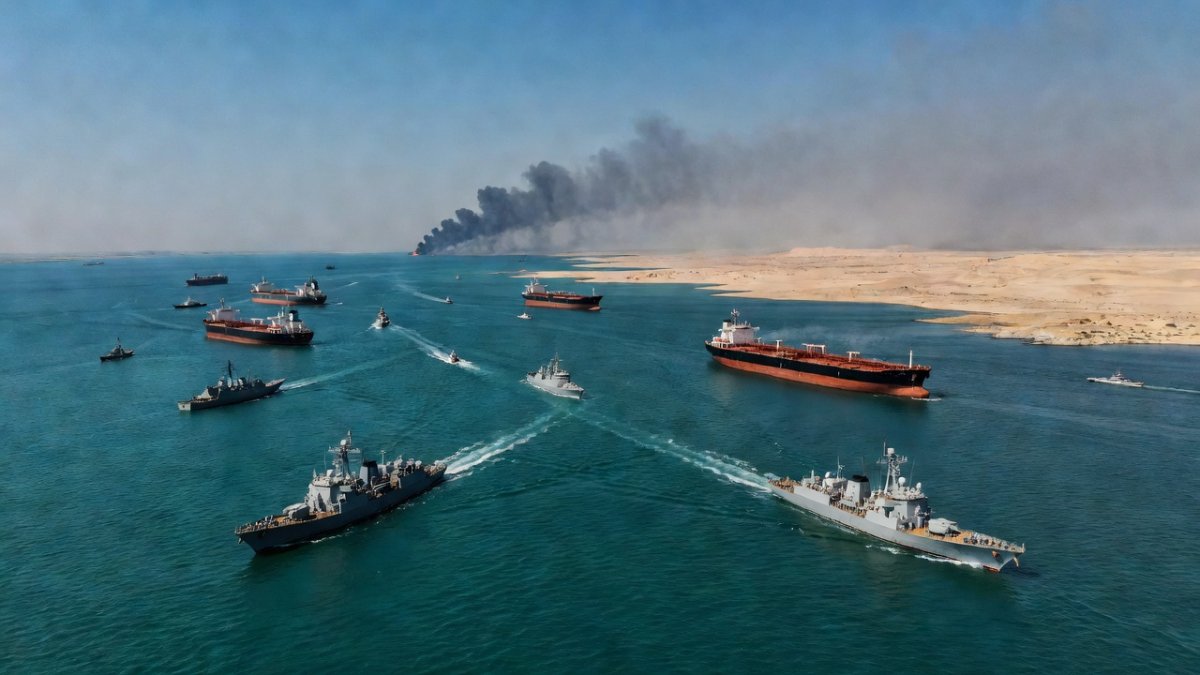
Folks, the world is teetering on the edge of chaos as American airstrikes hammer Iran for six relentless days, slamming the Strait of Hormuz shut and sending oil markets into a tailspin that hits every gas pump from Atlanta to Asia. President Trump is drawing hard lines from Ankara while allies scramble and Tehran fires back at civilian targets, turning this into a live-wire crisis with no easy off-ramps. This is not some distant headline—it is a powder keg that could drag in more players and spike prices past any recent ceiling. Buckle up as I break it all down before the next missile changes everything.
US-Iran Strikes Escalate Over Hormuz Blockade
Washington, D.C. - July 18, 2026 - The United States has been hammering Iran with airstrikes for six straight days, and the Strait of Hormuz is locked tighter than a vault. Oil markets are screaming, allies are scrambling, and President Trump is drawing hard lines from Ankara while the world watches the fuse burn shorter every hour.
How We Got Here: The Timeline Nobody Saw Coming
Let me lay out the chain reaction that lit this fuse. It started when Trump floated a 20 percent toll on every ship squeezing through the Strait of Hormuz. Gulf nations pushed back hard, Bloomberg reported, and Trump pivoted to a full blockade instead. Iran answered by slamming the strait shut on July 14. Six days later we are still watching American bombs fall. CENTCOM calls it holding Iranian forces accountable. Tehran calls it war. The rest of us are watching the fuse burn shorter every hour. The Hormuz fee proposal first surfaced in late June 2026 when Trump floated a 20% toll on all shipping through the strait during a private donor call. Bloomberg quickly reported fierce pushback from Gulf states. Saudi Arabia and the UAE warned through back channels that the move would spike their own export costs by billions, while Kuwait energy minister privately told U.S. officials it risked uniting OPEC against Washington. Iran issued three public warnings in early July that any blockade attempt would trigger immediate closure of the strait. Escalation moved fast: fee idea, Gulf backlash, Trump pivoting to a full naval blockade on July 8, Iran shutting the strait July 14. U.S. strikes began that same day. On Capitol Hill, Republicans split while Democrats demanded an immediate War Powers resolution. Senate Majority Leader Chuck Schumer called the timeline reckless improvisation, and even some GOP hawks questioned whether Congress had been sidelined again.
The Bombing Campaign: Six Days of Precision and Pressure
US forces have hit bridges, a southern port facility, and multiple Iranian military sites since July 14. Trump has warned Tehran that power plants and energy infrastructure are next if talks do not resume. Axios says he is weighing even heavier strategic targets. Missile stockpiles are dropping, the New York Times confirmed, yet the strikes keep coming. This is not a warning shot anymore. It is sustained pressure meant to force Iran back to the table or break its ability to resist. U.S. strikes have hammered Sirik port facilities, key bridges in southern Iran, and IRGC missile storage sites since July 14. The New York Times confirmed at least 47 precision strikes in the first four days using B-2s, F-35s, and carrier-based F/A-18s. CENTCOM reported two to three waves daily, focusing on air defenses and logistics nodes. Trump publicly warned that power plants are next if Iran keeps the strait closed. IRGC air defenses have downed two drones but failed to stop most incoming munitions. Missile inventory concerns are real - Pentagon sources say the current tempo burns through standoff weapons at roughly 120 per day. Sustaining this pace beyond another week would require dipping into reserves normally earmarked for a China contingency. Analysts at CSIS say the U.S. can maintain pressure for 10-14 days before logistics strain becomes acute.
Oil Markets in Freefall: Hormuz Shut, Prices Soaring
Brent crude is climbing fast because roughly one-fifth of global oil normally moves through that narrow waterway. With the strait effectively closed, every tanker that turns around adds another zero to your gas bill. Iran threat to halt all Middle East energy exports has traders pricing in worst-case scenarios. The economic shock is not theoretical. It is hitting right now, and every extra day of closure makes the pain worse for families from Atlanta to Asia. Brent crude has jumped from $78 to $127 a barrel since July 14, the fastest spike since the 1990 Gulf War. The U.S. national average gas price hit $4.87 and is already above $5.40 in California and the Northeast. Japan, India, South Korea, and China - collectively taking 14 million barrels daily through Hormuz - are scrambling for alternative supply while tanker war-risk premiums have tripled in a week. Historical parallels are stark: the 1973 embargo caused a 300% price surge, while 2022 Ukraine spikes were slower and smaller. The Strategic Petroleum Reserve sits at 320 million barrels after recent releases, enough for roughly 60 days at current drawdown rates. Shipping insurance costs have already added $1.2 million per voyage, forcing some tankers to reroute around Africa and extending delivery times by 18-25 days.
Iran Strikes Back: Missiles on Allies and US Sites
Tehran did not stay quiet. Iran launched missiles at water desalination plants in Kuwait, striking civilian infrastructure belonging to a US ally. The IRGC also claimed attacks on American military positions in the Gulf. The Guardian and Fox News both confirmed the pattern: Iran is widening the battlefield to raise costs for Washington and its partners. Retaliation is no longer a promise. It is happening in real time. Targeting Iranian power plants would leave millions without electricity, triggering a humanitarian crisis the UN has already flagged. Meanwhile Russia is openly celebrating the distraction, with Ukrainian officials reporting fresh North Korean munitions flowing in while U.S. attention shifts. Any negotiated off-ramp would likely require Iran freezing enrichment and reopening the strait in exchange for lifted secondary sanctions - terms Tehran has rejected for years.
Trump Escalation Options: Running Out of Good Moves
Asia Times put it bluntly: Trump has no good escalation options left. Striking more civilian infrastructure risks global outrage. Boots on the ground would be a quagmire. Tactical nukes are unthinkable. Yet the president is still threatening to flatten energy grids unless Iran negotiates. The calculation is brutal. Every new strike narrows the path to de-escalation while missile inventories shrink and domestic pressure rises.
What Comes Next: Three Paths and Zero Easy Exits
Three roads sit ahead. One, Iran blinks and reopens the strait under new terms. Two, the US keeps pounding infrastructure until either side runs out of missiles or political will. Three, a wider regional war pulls in more players and sends oil past any recent ceiling. CBS News reported fresh strike orders. Reuters and Al Jazeera are tracking Iranian threats to choke energy exports entirely. None of these paths ends cleanly. Experts see three rough paths. Former CENTCOM commander Gen. Frank McKenzie gives Iran blinking first a 35% chance within two weeks. Brookings analyst Suzanne Maloney puts wider regional war at 40% if Israel joins strikes. A grinding air campaign that avoids ground troops is the most likely middle outcome, but even that stretches U.S. munitions stocks thin by mid-August.
Here is what you can do right now. Track your household energy budget and cut non-essentials before prices spike further. Contact your representatives and demand they press for diplomatic off-ramps instead of blank-check escalation. Stay glued to verified reporting from the outlets listed above and ignore the rumor mill. Knowledge is leverage. Use it.
By Jessica Ali, Staff Writer
This article was produced with AI-assisted research and editorial support. Reporting is based on sources cited in the article.
What's Your Reaction?
 Like
0
Like
0
 Dislike
0
Dislike
0
 Love
0
Love
0
 Funny
0
Funny
0
 Wow
0
Wow
0
 Sad
0
Sad
0
 Angry
0
Angry
0

Editor-in-Chief at Global1.News. Atlanta-based journalist who cuts through the BS and tells it like it is. Lead anchor, host, and the voice you hear when the spin stops and the truth starts.













Comments (0)