
Haaretz: One Child Killed Daily in Gaza After Ceasefire
A new investigation by the Israeli newspaper Haaretz has documented the continued killing of children in Gaza by Israeli forces after the October 10 ceasefire. The report, published on July 17, 2026, describes these deaths as occurring on a routine basis, with an average of one child killed each day in the period examined. The findings draw on multiple forms of evidence and place recent incidents within the larger pattern of casualties recorded since October 2023.
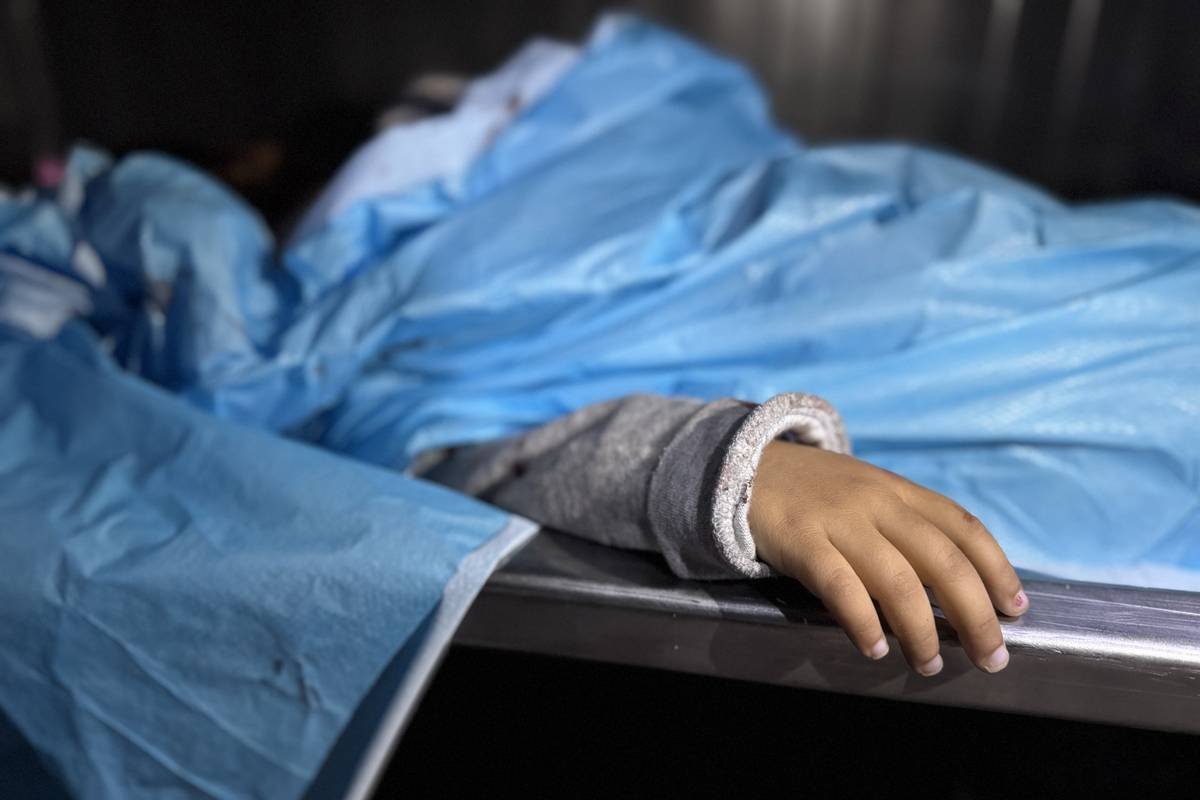
A new investigation by the Israeli newspaper Haaretz has documented the continued killing of children in Gaza by Israeli forces after the October 10 ceasefire. The report, published on July 17, 2026, describes these deaths as occurring on a routine basis, with an average of one child killed each day in the period examined. The findings draw on multiple forms of evidence and place recent incidents within the larger pattern of casualties recorded since October 2023.
Haaretz Investigation Records Daily Child Deaths in Gaza After Ceasefire
Gaza City, Palestine — An investigation published by Haaretz on July 17, 2026, examined lethal incidents involving children that took place after the October 10 ceasefire. The reporting combines open-source material with statements from Israeli officers and Palestinian witnesses to describe the circumstances of these deaths.
The Haaretz Investigation Findings
Haaretz reported that Israeli forces killed 274 children in Gaza between the October 10 ceasefire and the date of publication, producing an average of one child death per day. The newspaper described these killings as continuing on a routine basis rather than as isolated events. All specific figures on post-ceasefire deaths are attributed directly to the Haaretz investigation.
Total Child Casualties Since October 2023
The Gaza Health Ministry has recorded more than 21,000 Palestinian children killed since October 2023. Haaretz noted that Israel's military has accepted these overall figures as broadly accurate. The ministry's cumulative count covers the entire period beginning with the escalation in October 2023 and extends through the post-ceasefire months examined in the recent investigation.
Verification Methods Employed
Haaretz relied on open-source intelligence, satellite imagery, interviews with Israeli officers, and accounts from Palestinian witnesses to document individual incidents. These methods allowed the newspaper to cross-check reported strikes against available visual and testimonial evidence. The combination of sources forms the basis for the claim of routine child deaths after the ceasefire.
Concerns Over International Humanitarian Law
Human Rights Watch and Amnesty International have identified potential violations of the principles of distinction and proportionality in Israeli operations in Gaza. These organizations have flagged cases in which civilian harm, including to children, appeared disproportionate to stated military objectives. Their assessments remain separate from the Haaretz findings but address overlapping time periods.
The International Court of Justice Case
South Africa initiated proceedings against Israel at the International Court of Justice in December 2023, alleging violations of the Genocide Convention. The case has advanced to the merits phase, where arguments on the substance of the claims are being presented. The ICJ process continues independently of the July 2026 Haaretz report.
Responses from Regional and Global Bodies
Arab League foreign ministers have condemned the continued strikes in Gaza. The European Union has called for independent investigations into reported incidents. Both positions were issued in reaction to the pattern of casualties documented by multiple sources, including the recent Haaretz investigation.
Overwhelmed Medical Facilities in Gaza
The World Health Organization has documented shortages of pediatric trauma kits at Al-Shifa Hospital and the Nasser Medical Complex. These facilities have reported being overwhelmed by the volume of child casualties arriving for treatment. The WHO assessments cover the period both before and after the October 10 ceasefire.
Psychological Toll and Orphaned Children
Surveys conducted by Save the Children indicate that more than 90 percent of children in Gaza exhibit symptoms consistent with trauma. UNICEF has reported that thousands of orphaned minors are now in informal fostering arrangements that face severe resource constraints. Both organizations base their statements on data collected inside Gaza during the ongoing conflict.
Comparative Child Death Rates in Other Conflicts
Independent experts have compared the per-capita rate of child deaths in Gaza with rates recorded during the Iraq conflict from 2003 to 2011 and during peak periods of the Syrian conflict. These comparisons place the Gaza figures among the highest observed in recent armed conflicts, according to the analysts cited in available reporting. All such comparisons remain subject to ongoing data verification.
By Fatima Al-Rashid, Staff WriterThis article was produced with AI-assisted research and editorial support. Reporting is based on sources cited in the article.
What's Your Reaction?
 Like
0
Like
0
 Dislike
0
Dislike
0
 Love
0
Love
0
 Funny
0
Funny
0
 Wow
0
Wow
0
 Sad
0
Sad
0
 Angry
0
Angry
0

Gulf/MENA Correspondent at Global1.News. Based in Doha, covering Gulf politics, energy markets, diplomacy, and development across the Middle East and North Africa. Tracks the economic transformation of the Gulf states.














Comments (0)