
Diokno Battles for VP Sara Duterte Bank Records Access
In the sweltering heat of a Manila summer, the Senate chamber once again became the stage where the nation's trust in its leaders hangs in the balance. As House prosecutors led by Rep. Chel Diokno pressed for access to Vice President Sara Duterte's most private financial papers, ordinary Filipinos from Davao to Quezon City watched closely, wondering if the powerful would finally be held to the same standards as everyone else.
Diokno Battles for VP Sara Duterte Bank Records Access
In the sweltering heat of a Manila summer, the Senate chamber once again became the stage where the nation's trust in its leaders hangs in the balance. As House prosecutors led by Rep. Chel Diokno pressed for access to Vice President Sara Duterte's most private financial papers, ordinary Filipinos from Davao to Quezon City watched closely, wondering if the powerful would finally be held to the same standards as everyone else. This trial is not just about records—it is about whether truth can pierce through layers of confidentiality that have long shielded the elite.
Manila, Philippines — In a recent ANC 24/7 report titled "'Hindi confidential ang katotohanan': Diokno as prosecution seeks to open VP Sara tax, bank records," House prosecutors pressed their case on Day 6 of the impeachment trial against Vice President Sara Duterte. The July 15, 2026 session at the Senate focused entirely on oral arguments with no witnesses called, centering on whether the impeachment court can subpoena the Vice President's bank records, BIR tax records, and AMLC reports.
House Prosecutor Diokno Demands Access to Financial Records
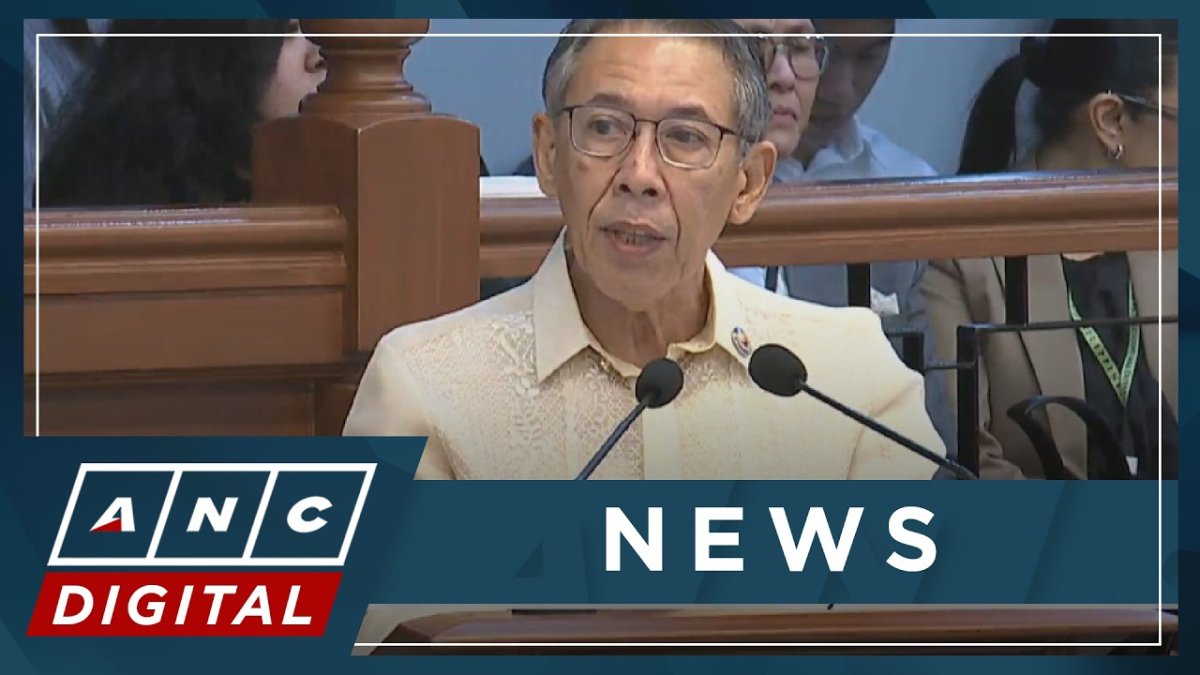
Rep. Chel Diokno of the Akbayan Partylist stood before the Senate impeachment court and declared that the truth is not confidential. He argued that confidentiality laws contain explicit exceptions for impeachment proceedings. Diokno cited the Bank Secrecy Law, RA 1405, which states that bank deposits remain confidential except in cases of impeachment. He emphasized that this exception directly applies to the current trial of Vice President Sara Duterte.
Diokno further pointed to AMLA confidentiality provisions, explaining that they exist to prevent leaks by AMLC officials rather than to block an impeachment court from obtaining evidence. The National Internal Revenue Code also permits disclosure under specific circumstances, he noted. These arguments formed the core of the prosecution's request to examine records showing transactions that peaked at P704 million in 2009, with cumulative amounts from 2007 to 2013 exceeding P3.02 billion.
The 2012 impeachment of Chief Justice Renato Corona established a critical precedent that continues to shape current proceedings. During that trial, the Senate impeachment court successfully subpoenaed Corona's bank records under the same exceptions in RA 1405, leading to his conviction on charges of failure to disclose assets. This historical parallel underscores how financial transparency has long been viewed as essential when holding the highest officials accountable, reinforcing Diokno's position that impeachment proceedings inherently override standard confidentiality protections.
Under Article XI of the 1987 Philippine Constitution, the impeachment court possesses broad powers to try and decide cases involving public officials, including the authority to compel evidence necessary for a fair determination. Diokno specifically argued that the Bank Secrecy Law's explicit exception for impeachment, combined with similar carve-outs in the AMLA and National Internal Revenue Code, creates a clear legal pathway for accessing records. He stressed that these provisions exist to facilitate truth-seeking rather than shield officials from scrutiny during removal proceedings.
Defense Labels Request a Fishing Expedition
Atty. Michael Poa, representing the defense, countered that the subpoena amounts to an illegal fishing expedition. He insisted the request must satisfy the twin requirements of definiteness and relevance. Poa maintained that records from the period when Sara Duterte served as Davao vice mayor and mayor hold no connection to her current duties as Vice President.
Poa warned that impeachment cannot serve as a magic word to transform an illegal act into a legal one. He urged the court to reject the broad demand for sealed documents. The defense position highlighted that the BIR Box of tax records had already been returned to the Bureau of Internal Revenue on July 6, underscoring their view that further access remains unwarranted.
Supreme Court Precedent Supports Subpoena Power
Diokno anchored his position in the 2022 Supreme Court ruling in Republic v. Rabusa, which upheld subpoenas in unexplained wealth cases. He reminded senators that nothing and no one can handcuff the impeachment court's power to try and decide the case. This reference echoed the 2012 impeachment of Chief Justice Renato Corona, where bank records played a decisive role in establishing accountability at the highest levels of government.
The precedent from the Corona trial, conducted in the same Senate chamber, demonstrated that financial transparency can override standard confidentiality claims when public officials face removal proceedings. Diokno argued that the same standard must apply here to protect the integrity of Philippine institutions.
Discrepancies Between Wealth Reports and Actual Transactions
Prosecutors highlighted the gap between the AMLC data and Sara Duterte's Statements of Assets, Liabilities and Net Worth. During the 2007-2013 period, her reported net worth ranged only from P8.3 million to P57.3 million. The AMLC reports, however, documented transactions far exceeding those figures, raising questions about unexplained wealth that directly affect public trust in elected leaders from Davao City.
Such discrepancies matter to families in barangays across the country who rely on transparent governance to ensure that public funds reach local projects rather than private accounts. Residents in Quezon City and Cebu have voiced similar concerns during past corruption scandals, linking hidden wealth to stalled infrastructure and underfunded schools.
The AMLC data presented during the trial revealed extensive bank transactions totaling over P3.02 billion between 2007 and 2013, with a single-year peak of P704 million in 2009. These figures primarily involved large deposits, wire transfers, and cash movements across multiple accounts, many of which were flagged for lacking clear commercial justification or documented sources. In contrast, Duterte's SALNs during the same period reported net worth ranging only from P8.3 million to P57.3 million, creating a stark discrepancy that prosecutors claim indicates potential unexplained wealth accumulation.
Such patterns echo earlier high-profile cases like the 2013 pork barrel scam involving Janet Napoles, where AMLC reports exposed billions in anomalous transactions tied to legislators. However, the scale here surpasses many local government cases in Davao, raising questions about how funds moved during Duterte's mayoral tenure. Analysts note that these red flags, if substantiated, could point to systemic issues in asset declaration compliance among regional leaders.
Human Impact on Ordinary Filipino Families
The outcome of this subpoena debate reaches beyond the Senate halls into the daily lives of jeepney drivers in Manila and farmers in Davao del Sur. When public officials face credible questions about wealth accumulation, communities lose faith that government resources will support essential services such as DepEd classrooms or DOH health centers. OFWs sending remittances home expect leaders to uphold the same standards of honesty they practice abroad.
Bayanihan spirit in sari-sari stores and neighborhood associations weakens when citizens believe the system shields the powerful. The impeachment process, if it secures full financial records, could restore some measure of confidence that accountability applies equally from the barangay level to Malacañang.
Senate Defers Decision Until July 20 Vote
The Senate impeachment court chose not to rule immediately on the subpoena request. Senators will vote on the matter on July 20, 2026. This brief delay gives both sides time to prepare additional arguments while the sealed records remain protected pending the decision.
The upcoming vote will test whether the chamber follows the explicit exceptions written into RA 1405 and the AMLA. A favorable ruling could open the path for deeper examination of the Vice President's finances, similar to how the Corona trial unfolded more than a decade ago.
Broader Stakes for Accountability in Philippine Politics
This trial tests the strength of institutions designed to check executive power. COMELEC, the Supreme Court, and the Senate each play roles in maintaining electoral integrity and constitutional order. If the court grants the subpoena, it reinforces that no position, including the vice presidency, places an official above scrutiny.
For students in Baguio and workers in the provinces, the result signals whether the political system values evidence over privilege. The decision on July 20 will shape expectations for future cases involving unexplained wealth and public office.
This impeachment trial unfolds amid the deepening rift between the Marcos and Duterte political dynasties, which has fractured their once-powerful alliance since 2022. The case carries significant implications for the 2028 presidential race, where Sara Duterte remains a leading contender. A successful push for financial disclosures could either bolster her image of transparency or severely damage her prospects if discrepancies are proven, potentially reshaping alliances ahead of the next national elections.
Filipino netizens have reacted with intense debate on platforms like X and Facebook, using hashtags such as #ImpeachSara and #AccountabilityNow to express both support for the probe and concerns over political vendettas. Many ordinary citizens in Mindanao and the Visayas emphasize the need for leaders to model integrity, while others view the proceedings as elite infighting. The Office of the Ombudsman, alongside the Sandiganbayan, continues to play a parallel role in investigating related graft complaints, ensuring that institutional checks extend beyond the Senate trial to sustain long-term accountability mechanisms.
By Bella Reyes, Staff Writer
This article was produced with AI-assisted research and editorial support. Reporting is based on sources cited in the article.
What's Your Reaction?
 Like
0
Like
0
 Dislike
0
Dislike
0
 Love
0
Love
0
 Funny
0
Funny
0
 Wow
0
Wow
0
 Sad
0
Sad
0
 Angry
0
Angry
0

Philippines/Southeast Asia Correspondent at Global1.News. Manila-based journalist covering Philippine politics, environment, maritime security, and social issues. Passionate about marine conservation and the communities protecting the Philippines' natural heritage.












Comments (0)