
African Artists Take Centre Stage at the 2026 Venice...
The 61st Venice Biennale has become a powerful showcase for contemporary African art, with a record number of national pavilions from across the continent making their presence felt across the canals and courtyards of the floating city. From the late Cameroonian curator Koyo Kouoh's vision to Zimbabwe's celebrated debut pavilion, this year's edition marks a historic turning point for how African creativity is seen on the global stage.
The 61st Venice Biennale has become a powerful showcase for contemporary African art, with a record number of national pavilions from across the continent making their presence felt across the canals and courtyards of the floating city. From the late Cameroonian curator Koyo Kouoh's vision to Zimbabwe's celebrated debut pavilion, this year's edition marks a historic turning point for how African creativity is seen on the global stage.
African Artists Take Centre Stage at the 2026 Venice Biennale
Dakar, Senegal — The 61st International Art Exhibition of La Biennale di Venezia, titled "In Minor Keys" and curated by the late Cameroonian-Swiss visionary Koyo Kouoh, has transformed Venice into a vibrant crossroads for contemporary African art. Running from 9 May to 22 November 2026, the Biennale features approximately 13 African national pavilions — the highest number in the event's 131-year history — and a remarkable array of diaspora artists showing that the continent's creative voice has never been stronger.
Koyo Kouoh's Vision: In Minor Keys
Koyo Kouoh, the Cameroonian-Swiss curator born in 1967, became the first African woman to curate the Biennale main exhibition when she received the appointment in November 2024. Her death from cancer on May 10, 2025 in Basel, Switzerland at age 57 left the art world in mourning, yet her vision continues to shape the 2026 edition. As former director of Zeitz MOCAA in Cape Town, she brought decades of experience championing African and Global South artists to the role.
The theme "In Minor Keys" invites viewers to listen to marginalised voices with nuance and complexity. This approach draws from African traditions of polyphony and layered storytelling that echo across Senegal's griot performances and the rhythmic conversations in Dakar markets. The central exhibition at Giardini and Arsenale presents 110 artists and collectives, many from the continent and its diaspora.
Her curatorial choices placed African perspectives at the heart of the Giardini and Arsenale spaces. Works by artists from Lagos, Accra, and Nairobi sit alongside those from the broader Global South, creating dialogues that challenge old hierarchies. The Biennale, now in its 131st year as one of the world's oldest and most prestigious art exhibitions, originally scheduled to open in April but now running May to November, carries forward her emphasis on subtlety over spectacle.
Visitors encounter installations that honour the emotional depth she championed. The posthumous realisation of her vision resonates deeply with Senegalese audiences who remember her visits to Dakar festivals celebrating contemporary African expression. Her legacy ensures that the Biennale listens carefully rather than speaking over the continent's artists.
The emotional weight of her absence is felt in every corner of the exhibition. Colleagues speak of how she insisted on complexity, refusing to reduce African art to single narratives. This approach mirrors the intricate patterns found in Senegalese textiles and the call-and-response structures of traditional music that continue to influence today's creators.
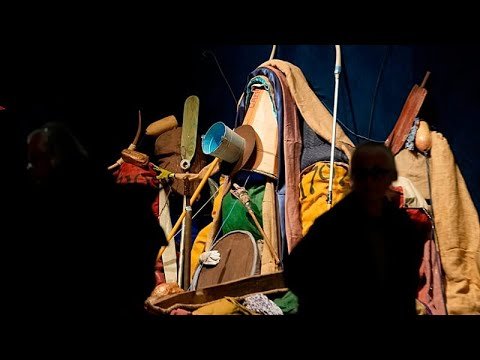
Zimbabwe's Second Nature: A Pavilion Making Waves
Zimbabwe's national pavilion titled "Second Nature" is curated by Fadzai Veronica Muchemwa and features five artists: Gideon Gomo, Eva Raath, Franklyn Dzingai, Felix Shumba, and Pardon Mapondera. Commissioner Raphael Chikukwa, Executive Director of the National Gallery of Zimbabwe, oversaw the project that marks the country's eighth appearance at the Biennale. The works explore identity, environment, and lived experiences through the relationship between people and their surroundings.
The pavilion has drawn over 4,000 visitors per week, earning descriptions as a genuine hit among international audiences. Themes of land, memory, and resilience connect directly to Zimbabwe's artistic heritage while speaking to broader African concerns about environmental change. Artists use materials and motifs rooted in local landscapes to create pieces that feel both intimate and expansive.
Vice President Dr. Kembo Mohadi visited the pavilion in July 2026 alongside Minister of Sports, Arts and Culture Anslem Sanyatwe. Their presence signalled strong governmental commitment to cultural diplomacy through the arts. The delegation engaged with the artists and discussed how such platforms strengthen Zimbabwe's voice on the world stage.
Curator Fadzai Veronica Muchemwa crafted an exhibition that balances personal narratives with collective histories. The five artists bring distinct perspectives yet share a commitment to examining how environments shape identity. This focus resonates with Senegalese viewers familiar with similar explorations of place and belonging in Dakar’s vibrant art scene.
The pavilion's success demonstrates the power of sustained national investment in contemporary art. Zimbabwe's consistent participation has built momentum that now reaches new heights in Venice. Audiences leave with a deeper understanding of how African nations are claiming space in global conversations about ecology and heritage.
Ghana's Amoako Boafo at Palazzo Grimani
Ghanaian artist Amoako Boafo presents his first Italian solo exhibition titled "It Doesn't Have To Always Make Sense" at Museo di Palazzo Grimani. Co-presented by Gagosian, the show runs from May 6 to November 22, 2026. His distinctive finger-painting technique creates bold, textured portraits that celebrate Black identity and presence with remarkable immediacy.
The paintings enter into dialogue with the Renaissance architecture of the 16th-century palace, producing striking contrasts between contemporary African portraiture and historic European settings. Special evening openings every third Friday allow visitors extended time with the works under different lighting conditions. This thoughtful presentation highlights the universal resonance of Boafo's subjects.
Boafo's rise from Accra to international acclaim reflects the growing visibility of Ghanaian artists on the global stage. His textured Black portraiture challenges viewers to see strength and complexity in everyday faces. The exhibition has received coverage in Vogue, drawing attention to how African artists are reshaping portrait traditions.
Palazzo Grimani's historic rooms provide an unexpected yet fitting backdrop for works that assert presence and dignity. The finger-painting method, developed through years of experimentation in Accra, translates personal and communal stories into vivid compositions. Visitors from across Africa recognise the cultural confidence on display.
The show marks a milestone in the international market for contemporary African art. Gagosian's involvement opens further doors for Ghanaian creators and signals sustained collector interest. For young artists in Accra and beyond, Boafo's achievement offers a clear example of how distinctive techniques can travel from local studios to major European institutions.
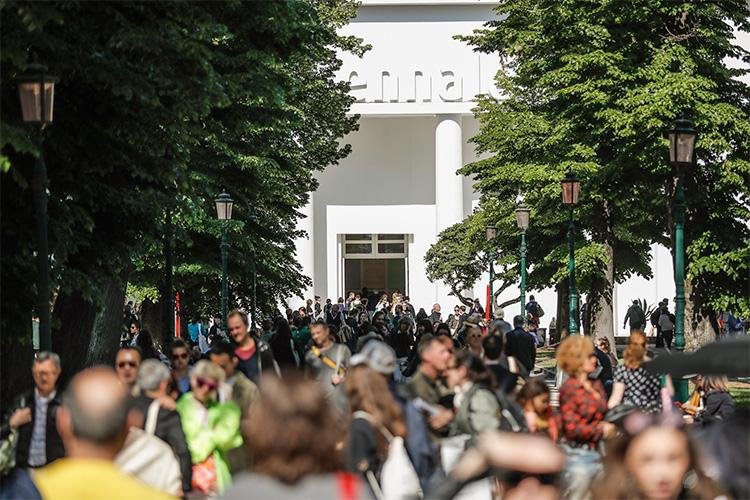
New African Nations and Pavilion Highlights
Seven countries participate for the first time, including the Republic of Guinea, Equatorial Guinea, Sierra Leone, and Somalia. Sierra Leone's debut pavilion receives support from ECOWAS, marking an important regional collaboration. These new presences expand the Biennale's geographic reach and bring fresh perspectives from across the continent.
Cameroon's pavilion "NZƎNDA" at Palazzo Canal Dorsoduro features artists Beya Gille Gacha, Jail Time Records, Sylvie Njobati, Bienvenue Fotso, and Zora Snake. The exhibition explores themes of movement and memory that connect to Cameroon's rich artistic traditions. Works range from performance to installation, creating immersive experiences for visitors.
The Democratic Republic of Congo presents "Seize the Fire!" as a pan-African space of emotions and dreams. The pavilion gathers voices that speak to shared histories and future aspirations. Its central location encourages dialogue among artists from multiple nations.
South African artist Kemang Wa Lehulere contributes an installation in the central Arsenale exhibition that transforms a library into an allegory of censorship and erased histories. Ethiopian artist Dawit Abebe shows "BLACKBOX" at AKKA Project Venezia from May 7 to June 16, 2026. Nigerian artist Victoria-Idongesit Udondian addresses fast fashion, labour, and migration through her textile-based works.
These diverse presentations demonstrate the breadth of contemporary African practice. From performance collectives like blaxTARLINES KUMASI in Ghana to individual explorations of identity, the Biennale captures a moment of creative confidence. Madagascar's Soa Ratsifandrihana brings the FAMPITAHA performance to Biennale Danza, adding movement to the visual conversations.
African Art and Cultural Diplomacy
African nations are using the Biennale to project soft power and articulate contemporary identities. Zimbabwe's Vice President visit and ECOWAS support for Sierra Leone's first pavilion illustrate governmental recognition of culture as a diplomatic tool. These efforts move beyond traditional narratives to present dynamic, self-determined images of the continent.
The theme "In Minor Keys" resonates with African artistic traditions of polyphony, rhythm, and layered storytelling that have long shaped music and oral histories from Dakar to Johannesburg. Curators and artists alike draw on these roots to create works that reward attentive listening. The approach feels familiar to audiences raised on call-and-response traditions.
The African Art in Venice Forum 2026 carries the theme "Beyond Visibility: A Method of Inquiry." Discussions explore how African artists move from representation to deeper inquiry about form, history, and audience. The forum connects emerging practitioners with established voices across the diaspora.
Contemporary African art intersects with traditional practices in pavilions that incorporate textile techniques, performance elements, and communal storytelling methods. This blending honours heritage while pushing boundaries. Senegalese artists recognise parallels with their own efforts to keep ancestral knowledge alive in modern contexts.
The Biennale shifts the narrative from African art as "emerging" to established and globally resonant. Record participation in the 131st edition confirms that the continent's creative communities have secured lasting platforms. Cultural diplomacy through art now carries the weight of sustained achievement rather than temporary spotlight.
What This Means for Africa's Creative Future
The record African participation signals significant growth in the continent's creative economy. Platforms like the Biennale open doors for artists to galleries, collectors, and international institutions that were once difficult to access. Amoako Boafo's representation by Gagosian stands as one clear milestone in this expanding landscape.
The growing market for contemporary African art benefits creators in Dakar, Lagos, Nairobi, Accra, and Johannesburg. Young artists now see viable paths from local studios to major exhibitions. This visibility encourages investment in training programs and artist residencies across the continent.
Cultural institutions in Senegal and beyond can build on this momentum by strengthening partnerships with European venues. The success of multiple national pavilions demonstrates the value of coordinated national strategies. Governments that support artists through funding and diplomacy see measurable returns in global recognition.
African diaspora artists play a central role in shaping conversations about identity, heritage, and belonging. Their works bridge continents and introduce nuanced perspectives to audiences unfamiliar with African realities. This bridging function strengthens cultural ties between home countries and communities abroad.
The 2026 Biennale leaves a lasting imprint on how the world encounters African creativity. For Senegal's artistic community, the achievements in Venice reinforce the importance of continuing to invest in bold, layered expression that speaks across borders while remaining rooted in local soil.
By Amara Diop, Staff Writer
This article was produced with AI-assisted research and editorial support. Reporting is based on sources cited in the article.
What's Your Reaction?
 Like
0
Like
0
 Dislike
0
Dislike
0
 Love
0
Love
0
 Funny
0
Funny
0
 Wow
0
Wow
0
 Sad
0
Sad
0
 Angry
0
Angry
0

West Africa/Sahel Correspondent at Global1.News. Dakar-based journalist covering politics, security, climate, and development across Francophone and Anglophone West Africa. Tells the stories of a region undergoing profound transformation.











Comments (0)