
Young Forager Survives Seven Days Lost in Buriram Forest
In the heart of Thailand’s northeastern forests, a 22-year-old forager named Kitamet Koisamran faced an ordeal that tested every lesson he had learned from his elders. Separated from his companion while gathering mushrooms and herbs, he endured seven days alone, drawing on quiet knowledge of the lan
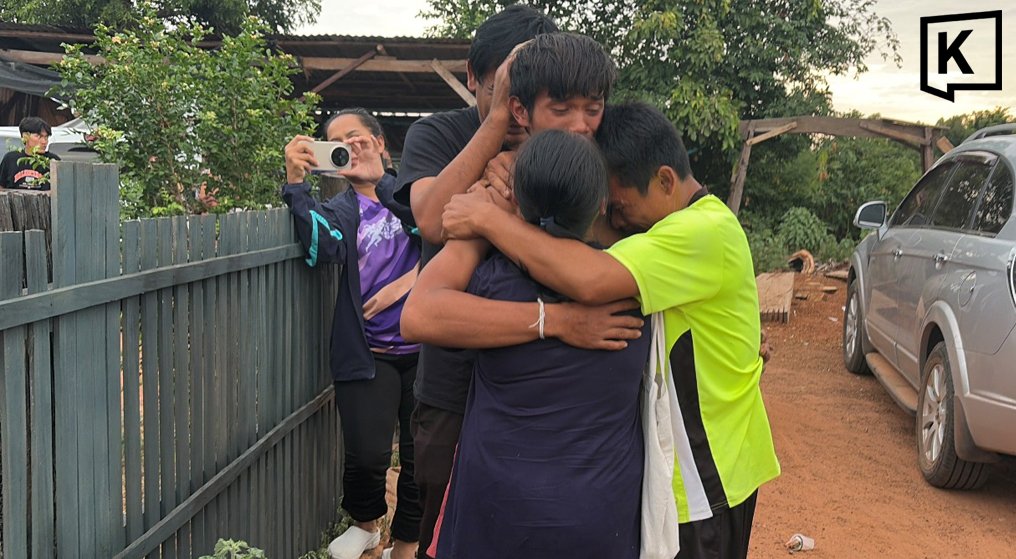
In the heart of Thailand’s northeastern forests, a 22-year-old forager named Kitamet Koisamran faced an ordeal that tested every lesson he had learned from his elders. Separated from his companion while gathering mushrooms and herbs, he endured seven days alone, drawing on quiet knowledge of the land to stay alive until rescuers reached him.
Buriram, Thailand — Kitamet, known locally as Palm, survived by sipping water from elephant footprints and forest vines while moving through unfamiliar woodland. Search parties drawn from neighboring hamlets searched without pause, guided by the same trails families have used for generations. His safe return has prompted gentle conversations about how rural communities protect their young while honoring traditions that still shape daily life.
The Disappearance in Buriram Forest
Kitamet, known locally as Palm, set out last week with a friend to gather forest produce in a wooded area of Buriram province. Palm and his friend had set out that morning specifically to gather hed taeng mushrooms, young bamboo shoots, and wild herbs such as bai ya nang. The friend later told villagers that the two had paused near a dry streambed to rest when Palm wandered a short distance to check a cluster of bamboo. A sudden rustle in the undergrowth made the friend turn, and by the time he called out, Palm had already moved deeper into the trees. By late afternoon the friend hurried back to the village and alerted the headman just before dusk. Within an hour word had spread through the tambon’s loudspeaker system, and small groups of neighbors began marking trails with strips of white cloth while the first formal search party assembled at the forest edge.
Seven Days of Survival
Kitamet endured the next seven days by collecting rainwater trapped in elephant footprints and extracting moisture from forest vines. July in Buriram brings steady monsoon rains that fill every depression in the ground, including the deep footprints left by wild elephants. The prints act like natural cisterns, holding clean rainwater for days because the clay soil seals the bottom and the surrounding leaf litter keeps debris out. Palm later recalled chewing on tender bamboo shoots and sucking the sweet sap from certain vines he recognized from childhood outings with his grandfather. He remembered his uncle’s advice never to drink from vines with milky sap. By sticking to the ones with clear, slightly sweet liquid, he kept his strength just enough to move between shaded resting spots each morning before the midday heat. Palm later described how he conserved energy by staying near natural water points and avoiding unnecessary movement after dark.
Community Response and the Search Effort
Villagers in Buriram mobilized within hours of the report, using local knowledge of trails and water sources to guide the search. The village headman coordinated the effort alongside two local police officers and a forest ranger from the nearby wildlife sanctuary. Each morning the group divided the woodland into sectors, sending teams of five or six men along known trails while women prepared food and extra batteries back at the assembly point. By the fourth day more than eighty people from five neighboring villages had joined, expanding the search outward in widening circles. On the morning of the seventh day, a young hunter following fresh elephant tracks heard a faint reply to his call and found Palm sitting beneath a large dipterocarp tree, weak but conscious. Rescuers carried Palm on a makeshift stretcher to a waiting pickup truck and took him first to the Buriram provincial hospital, where doctors treated him for dehydration and mild malnutrition before releasing him to his family two days later.
Families from adjacent hamlets contributed food, flashlights, and vehicles, with the combined effort continuing through the nights on rotating shifts. Their persistence and knowledge of the forest led directly to Palm's location.
Thailand's Forest Foraging Tradition
In the Isaan region, including Buriram, gathering forest produce forms a longstanding seasonal activity tied to the monsoon cycle and local markets. Families often head out in small groups during July to collect items that supplement household income and meals. Palm's outing followed this pattern, common among young men in rural northeastern Thailand who learn the routes from older relatives. These trips strengthen bonds between villages and the surrounding woodlands, where knowledge of safe paths and edible plants passes between generations.
In Isaan households, the July harvest of hed taeng mushrooms and bamboo shoots can add several thousand baht to a family's monthly income during the short season when prices are highest at district markets. Across the border in Laos and Cambodia, similar monsoon foraging supports entire villages that sell the same mushrooms and herbs to Thai traders, yet the practice feels more commercial there. In Buriram the outings remain quieter, often combining work with visits to ancestral spirit houses tucked among the trees.
Grandfathers still take boys out on weekends to point out which vines hold safe water and which plants cause stomach pain. These lessons form the quiet backbone of rural knowledge that no smartphone map can replace.
A Story of Resilience
Kitamet's survival highlights the quiet endurance found in many Isaan households, where individuals draw on practical skills learned through years of forest visits. His choice to use elephant footprints for water shows the direct application of local environmental awareness. Buddhist teachings on making merit, or tam bun, resonate in how the community responded without hesitation, viewing the search as an act of shared responsibility. Palm's safe return has prompted quiet discussions in Buriram temples about gratitude and the value of collective effort.
Forest Safety Awareness in Isaan
Palm’s story has already prompted several tambon councils in Buriram to plan short safety talks at village temples before the next foraging season begins. Organizers hope to remind young men to carry a simple whistle and to agree on a clear meeting time before heading into the trees. One practical suggestion gaining support is the use of inexpensive plastic whistles and small reflective stickers on baskets so searchers can spot a missing person more quickly even in thick undergrowth. Local health volunteers have begun preparing simple leaflets in Isaan dialect that list safe vines for water and basic steps to conserve energy if someone becomes lost.
Families are being encouraged to note the exact section of forest they plan to visit and to share that information with at least two relatives. The gentle tone of these materials reflects the community's wish to protect the tradition rather than discourage young people from learning the forest skills their elders still value.
Palm's experience reminds residents that community networks and traditional knowledge remain vital assets.
The Bottom Line
For rural Thai communities in Buriram and across Isaan, this incident underscores the need for basic safety measures during foraging trips, such as carrying extra water containers or sharing exact routes with family members. The seven-day ordeal has already led some villages to review how they prepare younger foragers. The story carries regional weight because Thailand's forests continue to serve as both livelihood sources and cultural anchors for millions in the northeast. Strengthened awareness can reduce risks while preserving the connection that sustains village life.
By Ann Srisawat, Staff WriterThis article was produced with AI-assisted research and editorial support. Reporting is based on sources cited in the article.
What's Your Reaction?
 Like
0
Like
0
 Dislike
0
Dislike
0
 Love
0
Love
0
 Funny
0
Funny
0
 Wow
0
Wow
0
 Sad
0
Sad
0
 Angry
0
Angry
0

Southeast Asia Correspondent at Global1.News. Based in Bangkok, covering Thai and Southeast Asian politics, economy, technology, and culture. Deep regional perspective on one of the world's most dynamic regions.












Comments (0)