
The Enduring Scars of August 2014
The Enduring Scars of August 2014 In the northern Iraqi town of Sinjar, the events of 3 August 2014 marked a turning point for an entire community. Shireen was preparing for a high school examination when Islamic State militants entered her home and took her from her family. At nineteen, she was transported to Tal Afar and sold into sexual slavery. Three months later she was tr
The Enduring Scars of August 2014
In the northern Iraqi town of Sinjar, the events of 3 August 2014 marked a turning point for an entire community. Shireen was preparing for a high school examination when Islamic State militants entered her home and took her from her family. At nineteen, she was transported to Tal Afar and sold into sexual slavery. Three months later she was transferred again to Mosul, where she became the third wife of a fighter named Abu Omar. Her account captures the systematic nature of the violence: forced marriage layered on top of repeated rape, all justified by the captors in language that contradicted the reality of coercion and destruction.
The Yazidi population, a religious minority long rooted in the Sinjar region, faced targeted elimination. Men and boys were executed in large numbers while women and girls were separated for enslavement. The United Nations has recorded how sexual violence functioned as a deliberate instrument of war, designed to fracture families and erase cultural continuity. Survivors who later reached safety carried both visible injuries and profound psychological wounds that shaped every aspect of daily existence.
Displacement and the Search for Safety
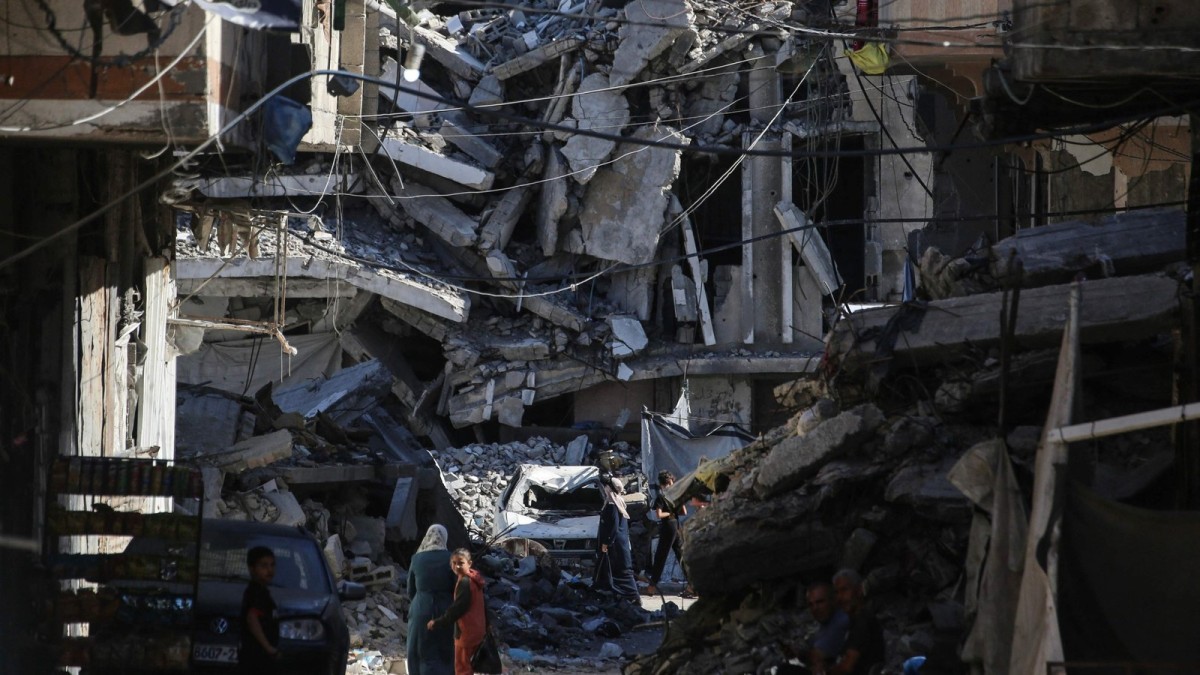
After the assault on Sinjar, thousands of families fled toward the Kurdistan region. Many remain unable to return because of persistent insecurity and the destruction of infrastructure. Life in displacement carries its own pressures: limited access to employment, schooling interrupted for years, and the constant negotiation of identity in places where the community is no longer the majority. Economic survival often depends on aid networks and informal work, while cultural practices that once anchored daily routines must be adapted to new surroundings.
Women who escaped captivity frequently encounter additional barriers. Reintegration into extended families can be complicated by stigma attached to sexual violence, even though the harm was inflicted by an external force. Local customs around honor and marriage create further obstacles, leaving some survivors isolated despite having survived the immediate threat.
Medical Care as a Form of Restoration
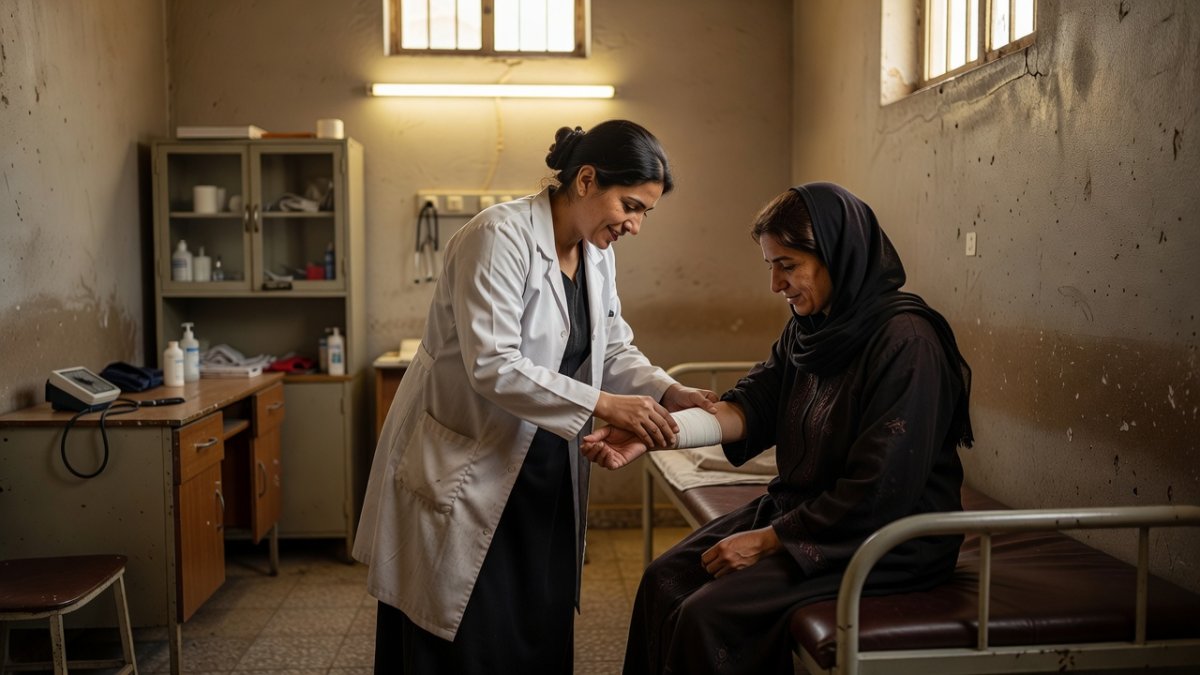
Dr. Nagham Nawzat, a Yazidi physician originally from Sinjar, established a clinic in Duhok to address the specific needs of women and girls who survived Islamic State captivity. Since the 2014 attacks she has provided care to more than one thousand individuals. The services include gynecological treatment, reconstructive procedures for injuries sustained during enslavement, and mental health support that recognizes trauma as both physical and psychological.
Her own displacement followed the same route taken by many patients. Working in a local clinic when the militants overran Sinjar, she and her family escaped to Duhok. There she began treating returning survivors, combining clinical skills with an understanding of the cultural context that shapes how women articulate their experiences. The clinic also coordinates with international organizations to secure additional resources for long-term recovery, including counseling that extends beyond immediate medical intervention.
Threats, Stigma, and Professional Resolve
Providing this care carries documented risks. Dr. Nawzat has received threats linked to her work, including from individuals sympathetic to Islamic State ideology. Security concerns affect movement, patient confidentiality, and the ability to maintain consistent services in an environment where targeted violence remains a possibility. Despite these pressures, the clinic continues to operate, treating both the visible scars and the less visible damage described by the doctor as wounds “on their bodies and in their souls.”
Community attitudes add another layer of difficulty. Survivors often face judgment that discourages them from seeking help or speaking openly. The clinic therefore functions not only as a medical facility but as a space where dignity can be reclaimed through confidential support and practical assistance. This work occurs against a backdrop of limited local resources, where funding gaps and staffing shortages constrain the scale of services that can be offered.
Broader Implications for Accountability and Return
The systematic use of sexual slavery against Yazidi women has been recognized internationally as part of a genocidal campaign. Yet accountability mechanisms remain incomplete. Many survivors continue to live in displacement camps or urban settlements in the Kurdistan region, where access to specialized care depends on sustained external support. Rebuilding Sinjar requires both physical reconstruction and guarantees of safety that would allow families to consider return without fear of renewed attack.
Dr. Nawzat’s efforts illustrate how individual medical practice intersects with larger questions of justice. By documenting injuries and providing treatment, her clinic contributes to a record of harm that can inform future legal processes. At the same time, the daily work of listening to survivors and addressing their immediate health needs keeps the focus on lived realities rather than abstract statistics.
Continuing Needs in a Fragile Context
Recovery for survivors extends beyond any single clinic. It involves economic opportunities, educational access for children born during captivity, and community-level efforts to reduce stigma. International partnerships have helped fill gaps, yet dependence on external funding leaves programs vulnerable to shifting priorities. Local authorities in the Kurdistan region face competing demands on limited budgets, making consistent support for specialized services an ongoing challenge.
The Yazidi experience since 2014 underscores how sexual violence in conflict produces consequences that last for generations. Women who received care from Dr. Nawzat have begun to rebuild aspects of their lives, yet the broader conditions that enabled the 2014 attacks—instability, marginalization of minorities, and weak protection mechanisms—require sustained attention from both regional and international actors. Without such attention, the risk of renewed vulnerability remains present for communities still living in displacement.
By Fatima Al-Rashid, Staff WriterThis article was produced with AI-assisted research and editorial support. Reporting is based on sources cited in the article.
What's Your Reaction?
 Like
0
Like
0
 Dislike
0
Dislike
0
 Love
0
Love
0
 Funny
0
Funny
0
 Wow
0
Wow
0
 Sad
0
Sad
0
 Angry
0
Angry
0
Gulf/MENA Correspondent at Global1.News. Based in Doha, covering Gulf politics, energy markets, diplomacy, and development across the Middle East and North Africa. Tracks the economic transformation of the Gulf states.











Comments (0)