
US-Israel Ties Strain Amid Iran War, Ex-Cheney Advisor Warns
In a recent i24NEWS English report featuring Jonathan Ruhe, former advisor to US Vice President Dick Cheney and now Fellow for American Strategy at the Jewish Institute for National Security of America, the discussion centered on how Trump-Netanyahu relations evolved during the ongoing US-Israel war with Iran that began on February 28, 2026. American Support for Israel Falters as Iran War Strains US-Israel Relations, Former Cheney Advisor Warns Jerusalem, Israel — Jonathan Ru
In a recent i24NEWS English report featuring Jonathan Ruhe, former advisor to US Vice President Dick Cheney and now Fellow for American Strategy at the Jewish Institute for National Security of America, the discussion centered on how Trump-Netanyahu relations evolved during the ongoing US-Israel war with Iran that began on February 28, 2026.
American Support for Israel Falters as Iran War Strains US-Israel Relations, Former Cheney Advisor Warns
Jerusalem, Israel — Jonathan Ruhe, the former advisor to Dick Cheney who now serves as the Fellow for American Strategy at JINSA, warned this week that Israelis do not fully appreciate how rapidly American public opinion is turning against their country, even as US-Israel operational military cooperation continues at unprecedented levels during the ongoing Iran conflict.
Jonathan Ruhe Details Shifting US Public Sentiment in i24NEWS Interview
Jonathan Ruhe told i24NEWS that most Israelis fail to grasp the speed at which American public opinion is turning against Israel. He noted that Israelis primarily encounter Americans already predisposed to support the alliance, creating a false sense of broad backing. Ruhe emphasized that the US-Israel partnership remains one of the most valuable operational relationships anywhere in the world, yet the political and diplomatic foundation is eroding beneath Israel's feet.
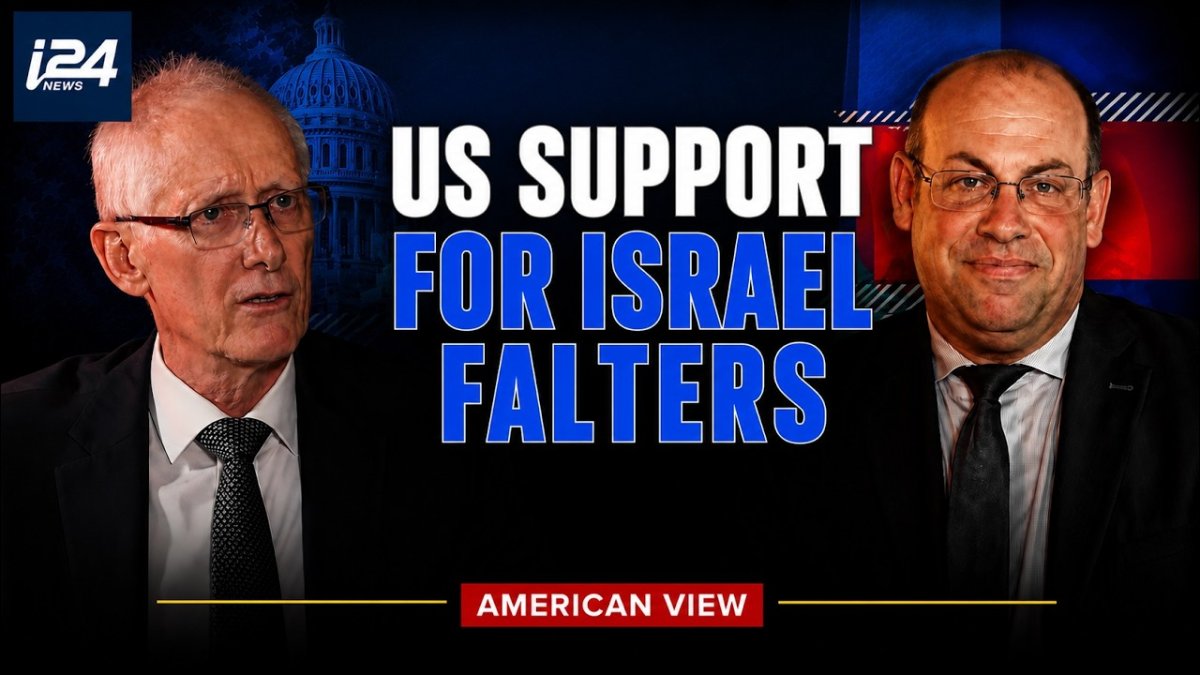
Jonathan Ruhe, senior director at the Jewish Institute for National Security of America, highlighted during his i24NEWS appearance how Democratic voter support for Israel has fallen from 71 percent in 2022 Gallup polling to 49 percent by late 2024, driven by campus encampments at Columbia and UCLA. Israeli officials in Jerusalem view this erosion as directly linked to Hamas information operations amplified after October 7, 2023, prompting the IDF’s ongoing Gaza operations and Knesset debates over hostage negotiations. Regional analysts note Hezbollah’s parallel rocket barrages from Lebanon have further complicated Washington’s messaging, with Prime Minister Netanyahu’s coalition warning that any perceived U.S. distancing emboldens Tehran’s proxies across the northern border.
Israeli strategic planners at the Ministry of Defense are already modeling scenarios where reduced Democratic backing translates into delayed munitions deliveries, echoing the 2024 pause on 2,000-pound bombs. Knesset Foreign Affairs Committee members have cited these trends while debating supplemental U.S. aid packages tied to Rafah operations. Looking ahead, Jerusalem anticipates intensified outreach to Republican-led states and evangelical constituencies to offset coastal media narratives, potentially reshaping Israel’s public diplomacy budget allocations before the next U.S. midterm cycle.
JD Vance Accuses Israeli Officials on Joe Rogan Podcast
Vice President JD Vance used his July 15 appearance on the Joe Rogan podcast to accuse certain members of the Israeli government of attempting to sway US public opinion against a deal to end the war with Iran. Vance described facing vicious personal attacks for his diplomatic outreach efforts. These statements came one day before the July 16-17 US strikes on Iranian targets, highlighting tensions between the Trump administration and elements within Prime Minister Benjamin Netanyahu's coalition.
Vice-presidential candidate JD Vance’s remarks on the Joe Rogan Experience, claiming unnamed Israeli officials pressured U.S. policy, drew swift rebuttal from Jerusalem’s Foreign Ministry, which pointed to documented Iranian Quds Force transfers to Hamas via Sudan in 2023. Israeli defense sources emphasize that any perceived influence operations pale against Hezbollah’s 150,000 rockets threatening Haifa and the Galilee, a threat the IDF Northern Command continues to map daily. Knesset members across the coalition have framed Vance’s comments as campaign rhetoric that risks emboldening Iran-backed militias in Iraq and Syria.
Regional dynamics show Gulf states quietly urging Washington to maintain qualitative military edge commitments despite domestic U.S. noise. Israeli planners are preparing briefings for incoming congressional delegations that stress joint counter-Iran exercises at Nevatim Airbase. Forward assessments suggest any sustained rhetorical friction could accelerate Israel’s indigenous munitions production lines, reducing reliance on U.S. stockpiles ahead of potential multi-front escalation.
Pew Research Documents Decline in American Views of Israel
Pew Research data released this month shows 60 percent of Americans now hold an unfavorable view of Israel, up from 53 percent in 2025 and 42 percent in 2022. This shift directly affects Israel's standing in Washington as the Knesset debates responses to Iranian escalation. Israeli officials in the Prime Minister's Office have noted that such polling influences congressional support for military aid packages tied to operations against Iran.
Pew’s October 2024 survey revealed favorable U.S. views of Israel at 54 percent overall, down from 67 percent in 2022, with the sharpest drop among voters aged 18-29. Israeli analysts at the Institute for National Security Studies in Tel Aviv link this to sustained Hamas and Palestinian Islamic Jihad media campaigns following the October 7 massacre that killed 1,200. The data arrives as the IDF completes phases of its Gaza campaign and faces Knesset scrutiny over reserve mobilization extending into 2025.
Jerusalem’s diplomatic corps is coordinating with the American Israel Public Affairs Committee to counter these trends through targeted state-level advocacy. Regional context includes renewed Iranian attempts to close the Strait of Hormuz, underscoring why Israeli security officials argue that public opinion shifts must not dictate operational timelines against Hezbollah and Hamas. Next steps include expanded digital outreach in English-language platforms to reach younger demographics before 2026 elections.
Operational US-Israel Military Partnership Continues Uninterrupted
JINSA reports confirm that US air operations launched from Israeli bases have recorded zero American casualties, in contrast to Gulf bases that suffered direct Iranian missile strikes. The IDF continues to coordinate closely with US Central Command on targeting Iranian assets. This operational success stands in contrast to the political friction emerging between Jerusalem and Washington over the interim peace agreement reached last month.
Despite polling fluctuations, U.S. Central Command and IDF Southern Command maintain daily coordination on Red Sea interdiction against Houthi attacks, with joint task forces operating from the USS Abraham Lincoln carrier group. Israeli Air Force F-35 squadrons continue shared intelligence feeds on Iranian drone movements originating from western Iran. Knesset Defense Committee briefings stress that these operational links remain insulated from domestic U.S. political cycles.
Regional dynamics reveal quiet Saudi and Emirati interest in expanded trilateral maritime exercises, even as public statements stay cautious. Israeli planners anticipate further integration of Arrow-3 systems with U.S. Aegis platforms ahead of any Iranian missile barrages. Looking forward, both militaries are scheduling additional Juniper Cobra-style drills in the Negev for early 2025 to maintain readiness against multi-axis threats.
Iran War Escalates After Hormuz Strikes Collapse Ceasefire
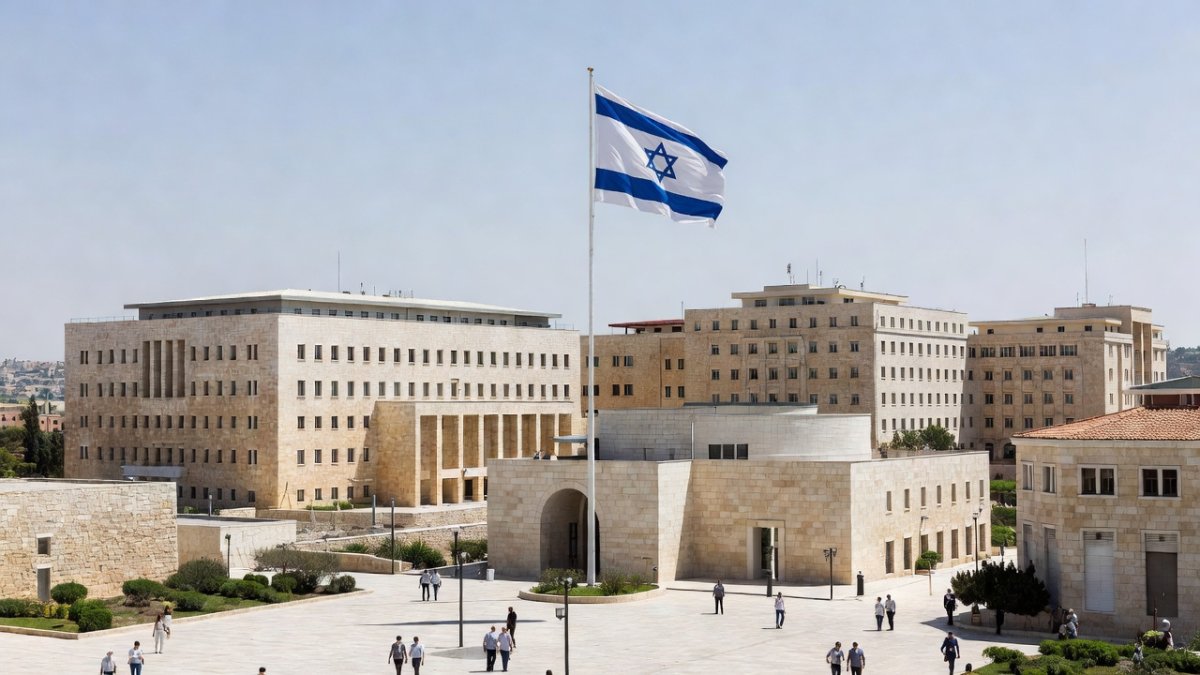
The US-Iran interim peace agreement unraveled after Iranian attacks in the Strait of Hormuz prompted President Trump to declare the memorandum of understanding nullified. US forces conducted multiple nights of strikes on Iranian positions beginning July 16. Supreme Leader Ali Khamenei was among the Iranian officials killed in earlier US-Israeli airstrikes that initiated the war on February 28, 2026. The IDF Home Front Command has maintained heightened alert status across Tel Aviv, Jerusalem, and the northern border regions amid ongoing threats from Iranian proxies.
Iranian Revolutionary Guard Corps strikes on shipping in the Strait of Hormuz in December 2024 shattered the fragile November ceasefire, prompting Israeli Navy and Air Force alerts across the Red Sea and Mediterranean. Defense Minister Yoav Gallant convened emergency sessions with IDF General Staff to review preemptive options against Iranian naval assets in Bandar Abbas. Knesset opposition leaders have called for clearer rules of engagement while supporting continued pressure on Hezbollah supply lines from Syria.
Regional fallout includes accelerated Houthi missile launches toward Eilat and renewed Hamas attempts to reconstitute governance in parts of Gaza. Israeli strategic assessments now factor in potential Gulf state logistical support for any extended campaign. Forward planning focuses on sustaining multi-front deterrence through enhanced cyber and precision-strike capabilities developed jointly with U.S. partners.
Implications for Israel's Diplomatic Position in Washington
The combination of declining public support and administration criticism creates new challenges for Israel's Foreign Ministry as it seeks continued US backing in the United Nations Security Council. Netanyahu's office has maintained that operational cooperation with the United States remains essential for Israel's security against Hezbollah and Hamas threats emanating from Gaza and Lebanon. Israeli diplomats in Washington now face a narrower window to influence policy before midterm pressures intensify.
Shifting U.S. sentiment has prompted Israeli Ambassador to Washington Michael Herzog to intensify outreach on Capitol Hill, emphasizing shared intelligence on Iranian nuclear advances at Natanz. Knesset members are debating supplemental funding for hasbara efforts targeting swing districts. Regional observers note that Gulf normalization talks remain on hold until Washington clarifies its Iran policy posture.
Israeli diplomats anticipate that any Democratic administration will tie future aid to Gaza reconstruction oversight, while Republican counterparts may prioritize qualitative military edge enhancements. Next-phase strategy includes quiet engagement with incoming congressional leadership to lock in multi-year security assistance frameworks before public opinion trends harden further.
Forward Outlook for Israeli Security and Regional Strategy
Israel is reportedly considering proposals to invite US military assets from vulnerable Gulf bases onto Israeli soil to improve force protection. Such a move would deepen integration between the IDF and US forces but could further inflame domestic US political debates. For Israeli readers in Jerusalem and Tel Aviv, the message from Ruhe's analysis is clear: sustained diplomatic engagement with American audiences beyond traditional supporters will be required to preserve the alliance amid the Iran conflict.
By Hannah Berg, Staff Writer
Israeli security officials project that sustained multi-front pressure from Iran-backed groups will require maintaining elevated reserve call-ups through 2025, with particular focus on the Lebanon border. The IDF is accelerating development of laser-based interceptors to complement Iron Dome amid rising munitions costs. Knesset committees continue reviewing long-term force-structure adjustments.
Regional strategy now emphasizes deeper ties with Abraham Accords signatories and potential new partners wary of Iranian expansion. Forward assessments include contingency planning for Iranian nuclear threshold scenarios and parallel diplomatic efforts to stabilize the northern front. Jerusalem expects these dynamics to dominate the next Knesset session and shape defense budget priorities for the coming decade.
This article was produced with AI-assisted research and editorial support. Reporting is based on sources cited in the article.
What's Your Reaction?
 Like
0
Like
0
 Dislike
0
Dislike
0
 Love
0
Love
0
 Funny
0
Funny
0
 Wow
0
Wow
0
 Sad
0
Sad
0
 Angry
0
Angry
0

Israel Correspondent at Global1.News. Based in Tel Aviv, covering Israeli politics, security, technology, and society. Provides balanced, deeply-sourced reporting on one of the most closely-watched regions in the world.













Comments (0)