
3,000 Filipino Seafarers Remain Stranded in Strait of Hormuz as DMW Coordinates Rescue
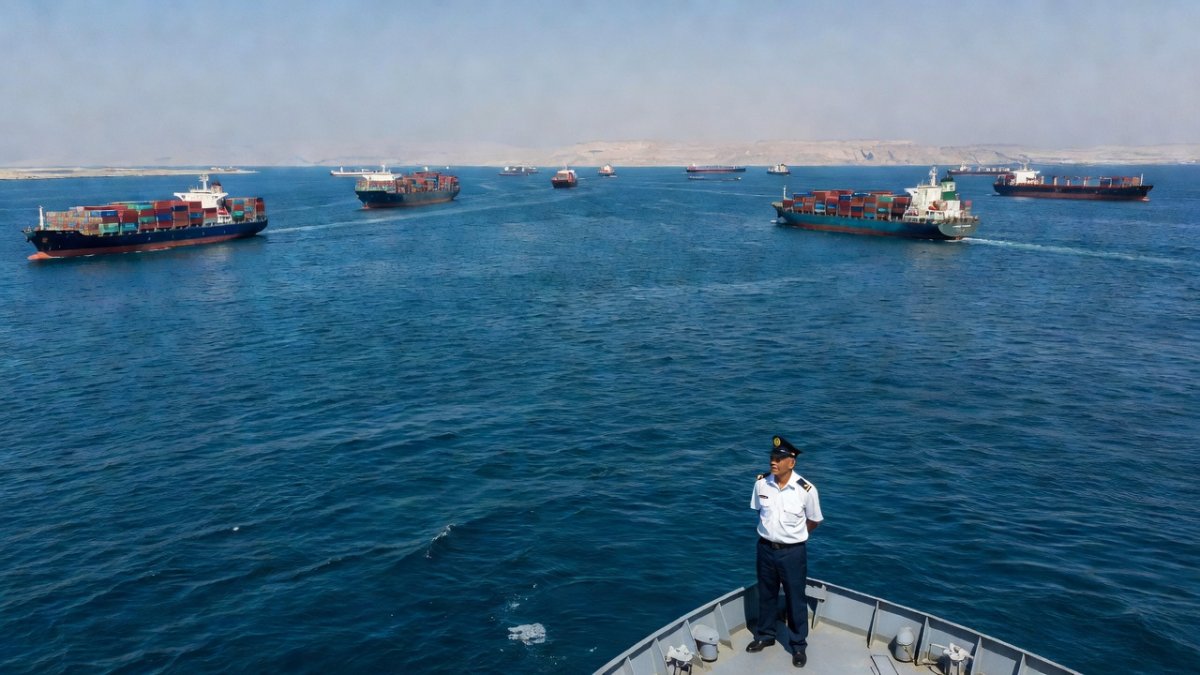
Around 3,000 Filipino seafarers remain on 400 ships in the Persian Gulf after the Strait of Hormuz closed in early 2026. DMW Secretary Hans Cacdac coordinates supplies and family support while 3,718 have exited, including crews from two attacked vessels.
3,000 Filipino Seafarers Remain Stranded in Strait of Hormuz as DMW Coordinates Rescue
MANILA, Philippines — The closure of the Strait of Hormuz has left around 3,000 Filipino seafarers on 400 ships in the Persian Gulf as of July 18, 2026. These men and women, part of the Philippines' global maritime workforce, continue to wait while their families back home rely on steady support from the Department of Migrant Workers.
The Scale of the Crisis Facing Our Seafarers
Since early 2026, when US-Iran hostilities led to the effective closure of the Strait of Hormuz, more than 20,000 seafarers from many nations have been stuck across the Persian Gulf, Gulf of Oman, and Arabian Sea. Filipinos make up about 20 percent of those stranded, forming the single largest national group. The United Nations has described the situation as an unprecedented humanitarian crisis, with ships reporting dwindling supplies of drinking water and other essentials.
The Philippines supplies the world with the most maritime labor. These seafarers send billions of dollars in remittances each year, sustaining millions of families across barangays from Batanes to Tawi-Tawi. When salaries arrive on time, sari-sari stores stay open and children continue their schooling. Any delay ripples through entire communities that depend on this steady flow.
Strait of Hormuz has long served as a critical chokepoint for global energy routes, and its closure has magnified the vulnerability of those who keep shipping lanes operational. Filipino seafarers, drawn to the profession through generations of maritime tradition, now find themselves at the center of this standoff. Their presence underscores the nation's role as the top supplier of maritime workers worldwide.
Local economies feel the strain when remittances slow even temporarily. In provinces where OFW income supports jeepney drivers through fuel purchases and small vendors through daily sales, prolonged delays test the resilience built on bayanihan practices. Families coordinate within barangays to share resources while awaiting confirmed updates from DMW channels.
DMW Secretary Hans Cacdac Leads Coordination Efforts
DMW Secretary Hans Cacdac has confirmed the presence of the 3,000 Filipino seafarers aboard the 400 vessels. The department works daily with licensed manning agencies and shipowners to track conditions and maintain safety protocols. Food, water, medicines, and other basic needs continue to reach the ships while the seafarers remain on board.
Salaries and benefits keep flowing to families in the Philippines. This arrangement reflects bayanihan in action, where government agencies, private companies, and communities share the load to protect those who earn abroad. The DMW has maintained these links for months, ensuring no family faces sudden hardship during the standoff.
Coordination extends beyond immediate supplies to long-term welfare checks that connect seafarers with loved ones through regular communication lines. This sustained effort prevents isolation that could compound the stress of uncertain timelines in the Persian Gulf region.
Manning agencies play a vital intermediary role, relaying real-time conditions from vessels back to DMW offices in Manila. Such collaboration ensures that basic needs like medicines reach crews without interruption, preserving both physical health and morale among workers far from home.
Human Stories Behind the Numbers
Each stranded seafarer represents a household that plans around monthly remittances. In many provinces, these funds cover tuition, medical bills, and small business loans. When 3,000 workers stay at sea longer than expected, wives and parents adjust budgets while still receiving the promised support through DMW channels.
Over 18,000 OFWs affected by the conflict have already received grocery items and other services upon their return. Livelihood and job fairs organized by the DMW and partner agencies now help those who have come home find new opportunities closer to their families. These efforts recognize that every repatriated worker carries skills that can strengthen local economies.
Behind every remittance transfer lies a story of sacrifice that echoes across generations of Filipino maritime families. Children in rural barangays often grow up with one parent at sea, learning early the value of steady income that funds education and builds modest homes.
Returnees frequently share experiences at community gatherings, offering insights that help prepare future seafarers for similar uncertainties. These exchanges strengthen collective knowledge within OFW networks and reinforce the cultural emphasis on mutual support during extended separations.
Successful Exits and Ongoing Risks
So far, 3,718 Filipino seafarers have exited the Strait of Hormuz. Two vessels carrying 15 seafarers each, MV Al Rekayyat and MV Wedyan, left on July 6 and 7 respectively but came under attack. Both ships docked in Oman. The crew of MV Al Rekayyat has safely returned to the Philippines, while the DMW continues to verify the status of those aboard MV Wedyan.
These incidents highlight the real dangers still present even after ships clear the strait. The department remains ready to organize repatriation for any interested OFWs, offering $200 in financial assistance per repatriate to ease the transition home.
Verification processes for crew locations after docking involve close liaison with foreign ports and embassies to confirm safety before further movement. This careful approach minimizes additional risks during the final stages of exit from conflict-affected waters.
Financial assistance serves as an immediate bridge for repatriates adjusting to life back in the Philippines, covering initial transport and household needs. Combined with job fairs, it supports a smoother reintegration that benefits both individuals and their surrounding communities.
President Marcos's Commitment to Maritime Welfare
President Marcos has pledged stronger support for maritime education and the welfare of Filipino seafarers. This commitment aligns with the DMW's ongoing repatriation work, which has already brought more than 3,700 workers home since the crisis began. The focus stays on safety first, followed by practical help once seafarers reach Philippine soil.
Communities across the country watch these developments closely. OFW families gather in barangay halls to share updates, mirroring the same spirit of mutual aid that has long defined Filipino responses to distant crises. The current situation tests that resilience but also shows how coordinated government action can cushion the impact.
Enhanced maritime training programs under this pledge aim to equip future generations with skills suited to evolving global shipping demands. Such investments signal long-term recognition of seafarers' contributions to the national economy through consistent remittance inflows.
Barangay-level discussions often highlight how policy commitments translate into tangible support, from education scholarships to welfare hotlines. These local forums keep families informed and engaged in advocacy for improved protections during international conflicts.
Path Forward for Stranded Workers and Their Families
The DMW continues to monitor the 3,000 seafarers still in the Persian Gulf and stands prepared for further repatriations when conditions allow. Supplies remain steady on the stranded vessels, and family support systems stay active. This steady approach prioritizes the well-being of workers who keep the global shipping lanes moving.
As the situation develops, the emphasis remains on verified information and direct assistance rather than speculation. Filipino seafarers have always answered the call to work far from home; now the nation answers by keeping their families secure and their safe return a priority.
Future planning includes contingency measures for rapid scaling of repatriation logistics should the strait reopen or conditions improve. This readiness draws on lessons from prior OFW crises and reinforces the Philippines' reputation for responsive migrant worker protection.
Ultimately, the episode highlights the interdependence between global maritime routes and local Philippine livelihoods. Sustained coordination between government, agencies, and communities ensures that the human element remains central even amid prolonged international tensions.
Economic Impact on Philippine Households
The remittances sent home by Filipino seafarers form a vital pillar of the national economy, often exceeding $30 billion annually and supporting household consumption across provinces. The current crisis in the Strait of Hormuz threatens to disrupt this flow, potentially slowing growth in sectors reliant on OFW spending such as retail, education, and real estate. The DMW has coordinated with banks and remittance centers to ensure salaries continue reaching families without interruption. The Department of Budget and Management has also been engaged to monitor fiscal impacts and prepare contingency allocations that stabilize local economies during prolonged standoffs.
Community Response and Bayanihan Spirit
Local communities in provinces with high numbers of stranded seafarers have mobilized grassroots support networks. Barangay-level initiatives now include regular check-ins with affected families, while neighbors practice kapitbahay helping kapitbahay by sharing food, childcare, and transportation. Small communities pool resources through informal cooperatives that cover utility bills and school fees until remittances stabilize. These efforts reflect traditional bayanihan values and help maintain social cohesion even as uncertainty lingers in the Persian Gulf.
Geopolitical Context and Philippine Neutrality
The Philippines has maintained a neutral stance in the US-Iran conflict while placing OFW safety above all other considerations. This approach shapes foreign policy decisions that balance diplomatic relations with immediate humanitarian needs. The Department of Foreign Affairs works alongside the DMW to secure safe passage for vessels and coordinate with international partners. Such prioritization underscores Manila's long-standing commitment to protecting its citizens abroad without entangling the nation in broader geopolitical disputes.
Precautionary Measures for OFW Families
Families of stranded seafarers can access DMW assistance hotlines for verified updates and welfare inquiries. Available resources include counseling services, financial guidance, and emergency loan programs tailored for OFW households. Relatives are advised to register with local DMW offices and barangay councils to receive timely alerts. These precautionary measures help families stay informed and prepared while the department continues monitoring conditions in the Persian Gulf.
By Bella Reyes, Staff Writer
This article was produced with AI-assisted research and editorial support. Reporting is based on sources cited in the article.
What's Your Reaction?
 Like
0
Like
0
 Dislike
0
Dislike
0
 Love
0
Love
0
 Funny
0
Funny
0
 Wow
0
Wow
0
 Sad
0
Sad
0
 Angry
0
Angry
0

Philippines/Southeast Asia Correspondent at Global1.News. Manila-based journalist covering Philippine politics, environment, maritime security, and social issues. Passionate about marine conservation and the communities protecting the Philippines' natural heritage.











Comments (0)