
Morras On Sports: Mexico City Women Rise for World Cup 2026
**Keywords:** Morras On Sports, women in sports Mexico, Mexico City World Cup 2026, gender violence sports, female athletes Mexico, Sheinbaum administration sports, colonias Mexico City, soccer women Mexico, inclusive sports Mexico City, femicide public spaces Founders Elizabeth Santos and Natalia Bolanos Build a Shared Vision Elizabeth Santos and Natalia Bolanos first crossed
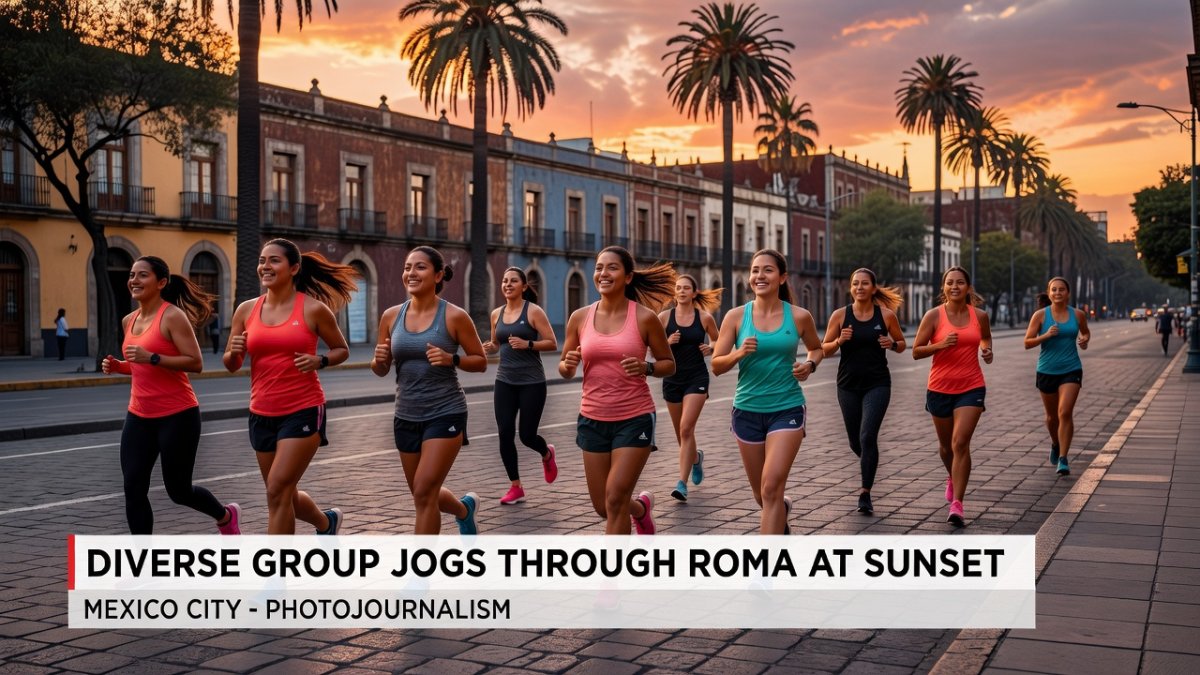
Founders Elizabeth Santos and Natalia Bolanos Build a Shared Vision
Elizabeth Santos and Natalia Bolanos first crossed paths during a sports photo shoot in Mexico City back in 2021. Both amateur athletes, they bonded over the shared frustration of feeling invisible in a sports world that often centers men. Their conversations quickly turned to dreams of creating welcoming spaces where women could run, play, and climb without fear or judgment.
Santos grew up in the bustling colonia of Roma Norte, where she played pickup soccer on neighborhood patches of grass. Bolanos came from Coyoacán, spending afternoons at local courts but noticing how few girls received the same encouragement as boys. These early experiences shaped their determination to change the narrative for the next generation of morras.
By 2026, their idea had grown into Morras On Sports, a full-time collective that organizes night runs, soccer matches, and rock climbing sessions. The pair now splits responsibilities, with Santos focusing on design and Bolanos handling editorial work, allowing the group to reach dozens of participants each week.
Mexico City Colonias Become the Heart of Weekly Gatherings
Morras On Sports events often begin in central colonias like Condesa and Roma before spilling into nearby parks and fields. Women from across the city, including those traveling from Iztapalapa and Tlalpan, join for evening runs that end at friendly taquerias where stories and laughter flow as freely as the tacos.
These gatherings transform ordinary public spaces into zones of joy and connection. Participants report feeling safer in groups, especially during the long summer evenings when the 2026 World Cup excitement fills the streets. The collective deliberately chooses accessible locations so women from different economic backgrounds can participate without barriers.
After competitions, the group often shares meals or even organizes dance sessions, turning athletic outings into full evenings of community. This approach reflects the warm, relational spirit of Mexican culture, where sports and social life naturally blend together.
Confronting Gender-Based Violence in Public Sports Spaces
Mexico continues to face high rates of gender-based violence and femicides that shape how women move through cities. Santos and Bolanos have spoken openly about how these realities limit simple activities like jogging alone at dusk. Their collective responds by creating group environments where women can reclaim public spaces together.
Studies have shown spikes in domestic violence after certain professional team losses, highlighting how sports culture can mirror deeper social problems. Morras On Sports addresses this by promoting positive, inclusive participation rather than aggressive fandom. The focus stays on friendship, support, and enjoyment instead of competition at all costs.
Women who join the events describe a sense of relief at finally having spaces designed with their safety and comfort in mind. This matters especially for those living in densely populated colonias where street harassment remains a daily concern for many.
The 2026 World Cup Opens Doors for Women and Girls
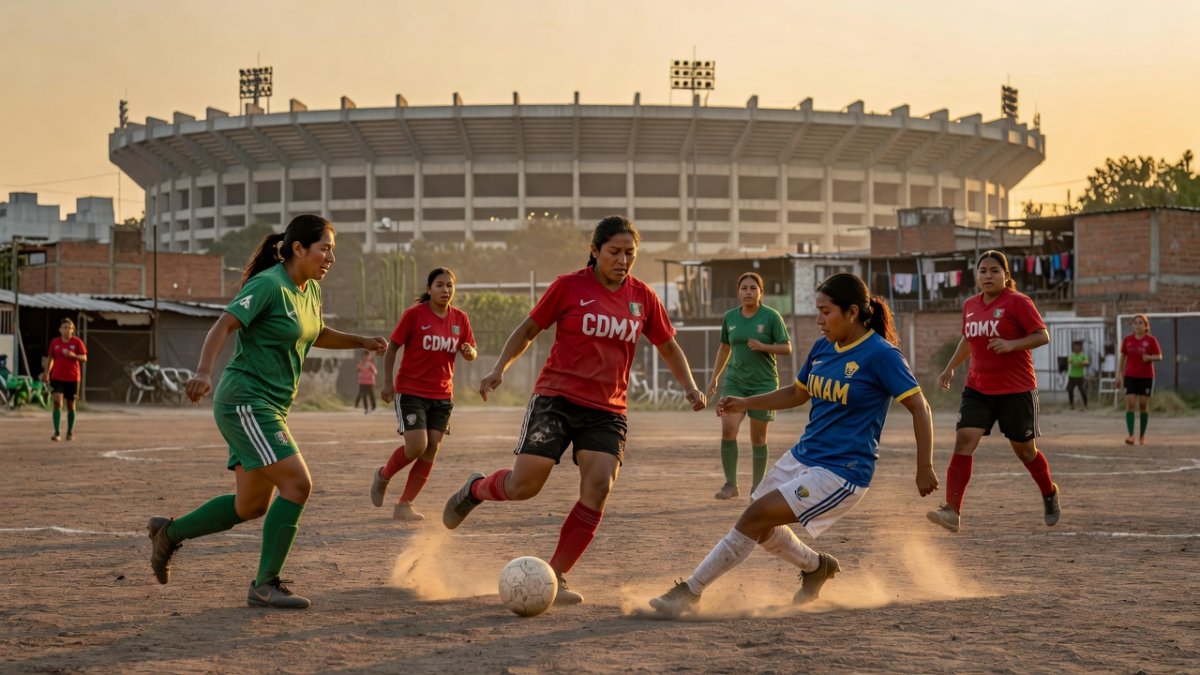
With Mexico serving as a host for the 2026 FIFA World Cup from June 11 through July 5, Morras On Sports sees a timely chance to draw more women into football. The collective encourages participants to watch matches together, discuss the sport's history, and explore its cultural side beyond the pitch.
Many girls in Mexico grew up hearing that football belonged to men or that it carried aggressive undertones. The World Cup period offers a moment to rewrite that story, showing young morras they can claim the game with excitement and belonging. Events during this window include watch parties followed by casual kickarounds in neighborhood parks.
The timing also allows the group to highlight fashion, identity, and community aspects of the sport. Participants talk about jerseys as expressions of personal style and discuss how football connects to broader Mexican traditions of celebration and resilience.
Broader Landscape of Women's Sports Across Mexico
Women's sports in Mexico have long received less funding and media attention than men's programs. While the national women's soccer team has made strides, grassroots opportunities remain limited outside major cities. Morras On Sports fills a gap by focusing on recreational access rather than elite competition.
Other initiatives, such as community programs run through state governments or university clubs, sometimes reach rural areas but often lack consistent weekly programming. The Mexico City-based collective stands out for its steady presence and emphasis on social connection alongside physical activity.
Participants frequently mention how the group helps them maintain consistent exercise habits that improve both physical health and mental well-being. This steady engagement proves especially valuable for working mothers and students balancing multiple responsibilities.
Sheinbaum Administration and Support for Women's Sports
The Sheinbaum administration has emphasized gender equity in public policy, including efforts to expand safe recreational opportunities. While specific national programs for women's sports continue to develop, local collectives like Morras On Sports operate with growing visibility during the World Cup period.
Connections to agencies such as the Secretaría de Cultura and municipal sports departments in Mexico City have helped the group promote events. These partnerships remain informal but allow greater reach into different colonias without requiring large institutional budgets.
Ordinary women notice the difference when public messaging around the World Cup includes calls for inclusive participation. The administration's focus on reducing gender violence aligns with the collective's mission, even as implementation at the neighborhood level still depends heavily on community-driven efforts.
Real Impacts on Families, Students, and Working Women
Many regular participants are teachers, healthcare workers, and small business owners who find in Morras On Sports a rare outlet for stress relief. Mothers bring teenage daughters to events, creating intergenerational bonds that strengthen family ties while modeling healthy activity.
Students from nearby universities often join after classes, using the gatherings to build networks outside academic settings. These connections sometimes lead to friendships that extend into daily life, from shared rides home to recommendations for safe running routes in their own colonias.
The collective also welcomes women who have never played organized sports before. Beginners receive encouragement rather than pressure, helping them develop confidence that carries into other areas of life, including workplace assertiveness and community leadership.
Looking Ahead: Expanding the Vision Beyond 2026
Santos and Bolanos hope to grow Morras On Sports into more neighborhoods while keeping the intimate, community feel that defines their events. Plans include additional activities such as hiking trips outside the city and workshops on sports history from women's perspectives.
The World Cup window serves as a catalyst, but the founders emphasize that lasting change requires year-round commitment. They continue to listen to participants about what feels missing, whether that means more beginner-friendly soccer sessions or spaces for older women to stay active.
By centering friendship and cultural connection alongside physical activity, Morras On Sports offers a model that other cities could adapt. The collective shows how ordinary Mexican women can reshape sports culture from the ground up, one evening run or post-game taqueria gathering at a time.
Tags: Morras On Sports, women in sports Mexico, Mexico City World Cup 2026, gender violence, female athletes, Sheinbaum administration, colonias, soccer women, inclusive sports
By Rosa Martinez, Staff Writer
This article was produced with AI-assisted research and editorial support. Reporting is based on sources cited in the article.
What's Your Reaction?
 Like
0
Like
0
 Dislike
0
Dislike
0
 Love
0
Love
0
 Funny
0
Funny
0
 Wow
0
Wow
0
 Sad
0
Sad
0
 Angry
0
Angry
0
Latin America/Andes Correspondent at Global1.News. Based in Bogota, covering politics, environment, energy, and social movements across the Andean region. Passionate about environmental journalism and communities protecting their land.












Comments (0)