
American Arrested Assaulting US Soldiers: SOFA US-ROK Ties
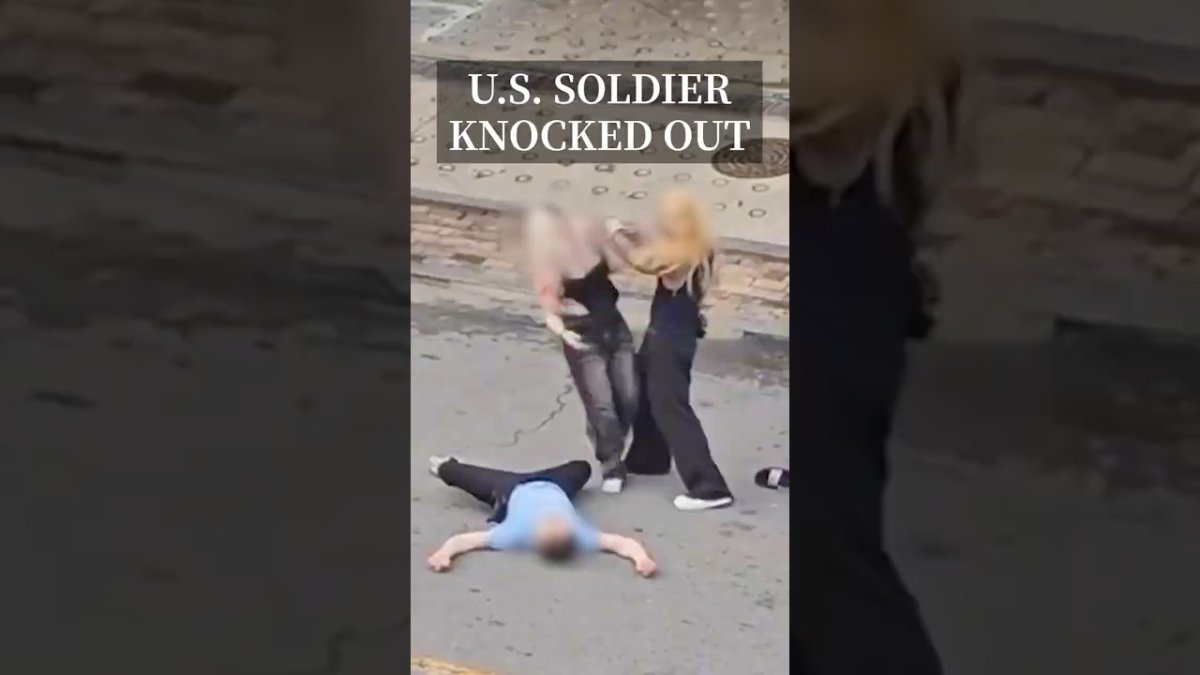
The arrest of an American national in South Korea for assaulting U.S. soldiers has once again placed the procedural mechanisms of the US-ROK Status of Forces Agreement under public scrutiny. The case, reported by Yonhap News Agency’s KOREA NOW program on 26 June 2026, involves an incident in which South Korean authorities took custody of the individual following the alleged ass
The arrest of an American national in South Korea for assaulting U.S. soldiers has once again placed the procedural mechanisms of the US-ROK Status of Forces Agreement under public scrutiny. The case, reported by Yonhap News Agency’s KOREA NOW program on 26 June 2026, involves an incident in which South Korean authorities took custody of the individual following the alleged assaults.
Because the suspect is a civilian rather than active-duty military personnel, primary jurisdiction rests with Korean prosecutors and courts under the established SOFA framework. This development occurs against the backdrop of approximately 28,500 U.S. troops stationed in South Korea pursuant to the 1953 Mutual Defense Treaty.
The Incident and Jurisdictional Framework
South Korean police detained the American suspect shortly after the reported assaults on U.S. soldiers. Under the US-ROK SOFA, Korean authorities exercise primary criminal jurisdiction over American civilians who are not members of the armed forces. This division of authority differs from the rules applicable to active-duty personnel, where supplementary agreements determine which side proceeds first.
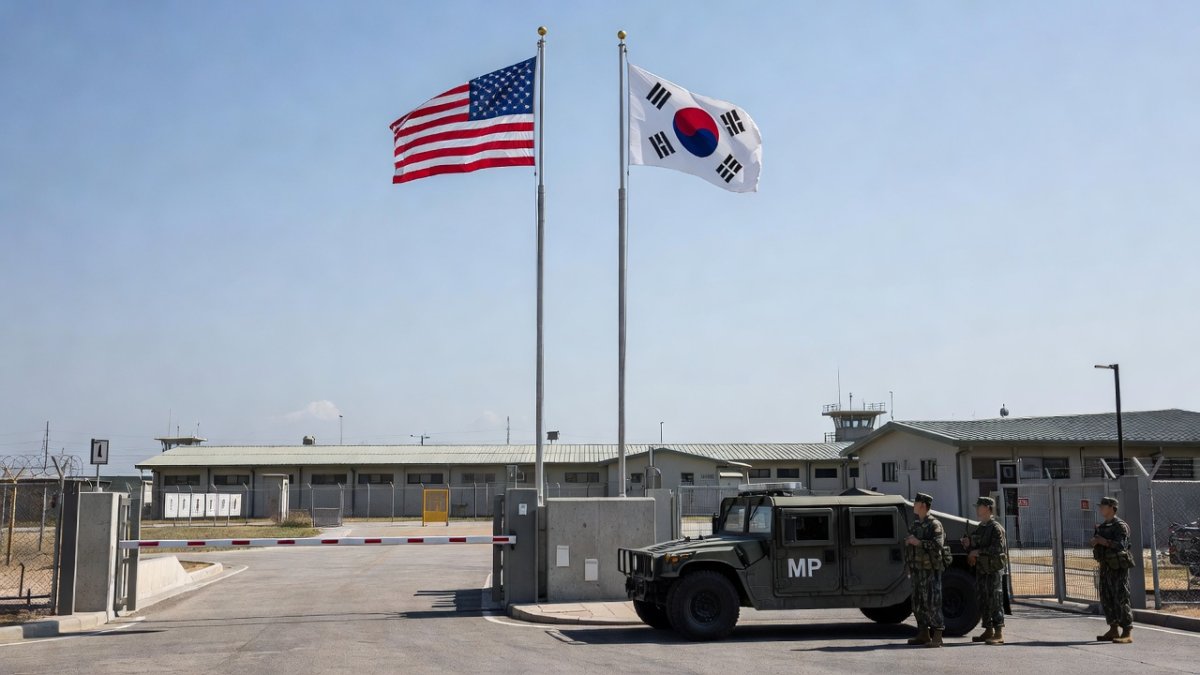
Prosecutors in the relevant district have begun applying standard Korean criminal procedure, including investigation, possible indictment, and trial in domestic courts. The process follows the same evidentiary and due-process standards applied to any foreign national present in South Korea.
SOFA Provisions on Civilian Offenders
The 1966 US-ROK Status of Forces Agreement, as amended, explicitly distinguishes between military members and accompanying civilians. Article 22 and related protocols grant South Korea primary jurisdiction over offenses committed by civilians outside the scope of official duty. This arrangement has been applied consistently in prior cases involving contractors, dependents, and other non-uniformed Americans.
Korean courts retain authority to impose sentences under the Korean Criminal Act, with limited scope for U.S. military authorities to intervene once jurisdiction is exercised. The agreement also provides for notification and consular access, ensuring the suspect receives standard protections afforded to foreign nationals.
US-ROK Alliance and Force Posture Context
The presence of U.S. Forces Korea remains anchored in the 1953 Mutual Defense Treaty, which continues to shape Northeast Asian security architecture. The alliance has endured multiple adjustments in troop levels and basing arrangements while maintaining its core deterrence function vis-à-vis North Korea.
Incidents involving U.S. personnel or associated civilians have periodically surfaced in bilateral consultations. Both governments maintain standing mechanisms, including the SOFA Joint Committee, to address jurisdictional questions and coordinate on sensitive cases without disrupting overall defense cooperation.
Implications for Bilateral Relations
The current case tests the practical functioning of agreed jurisdictional rules rather than the underlying alliance commitments. Korean authorities’ handling of the matter will be observed closely by both publics, particularly regarding transparency and consistency with past practice.
Diplomatic channels remain available for any necessary coordination on sentencing, incarceration, or deportation questions should a conviction occur. Such coordination has precedent in earlier civilian cases and does not typically alter the broader strategic partnership.
Public Opinion and Korean Domestic Context
South Korean media coverage of incidents involving Americans has historically influenced domestic discourse on the alliance. Public attention tends to focus on whether Korean sovereignty is adequately protected under SOFA procedures. In this instance, the fact that the victims were U.S. soldiers may moderate certain narratives while still prompting discussion of accountability for foreign nationals.
Universities and policy institutes in Seoul often frame these episodes within longer-term debates about revising or clarifying SOFA provisions. Any legislative or administrative response would likely emerge through established inter-agency processes rather than ad-hoc measures.
Regional Security and Future Outlook
The US-ROK alliance continues to serve as a stabilizing element in Northeast Asia amid evolving threats from North Korea and shifting great-power dynamics. Isolated criminal cases are managed within existing legal and diplomatic channels precisely to prevent spillover into core security cooperation.
Both capitals have demonstrated capacity to compartmentalize such incidents while advancing joint exercises, intelligence sharing, and extended deterrence consultations. The June 2026 case is expected to follow this established pattern of procedural handling without altering alliance fundamentals.
By Prof. David Park, Staff Writer
This article was produced with AI-assisted research and editorial support. Reporting is based on sources cited in the article.
What's Your Reaction?
 Like
0
Like
0
 Dislike
0
Dislike
0
 Love
0
Love
0
 Funny
0
Funny
0
 Wow
0
Wow
0
 Sad
0
Sad
0
 Angry
0
Angry
0

East Asia/Technology Correspondent at Global1.News. Seoul-based voice covering Korean politics, technology, business, and culture. Analyzes how technology and geopolitics intersect across East Asia.















Comments (0)