
Trump Reinstates Strait of Hormuz Blockade — Oil Surges 9% as Iran Conflict Escalates
Trump reinstates Hormuz blockade July 13 2026 with 20% fee after Iran vessel attacks; oil surges 9% to $87/barrel; June ceasefire collapses; 60-day military window opens; global supply chains and US gas prices face immediate pressure.
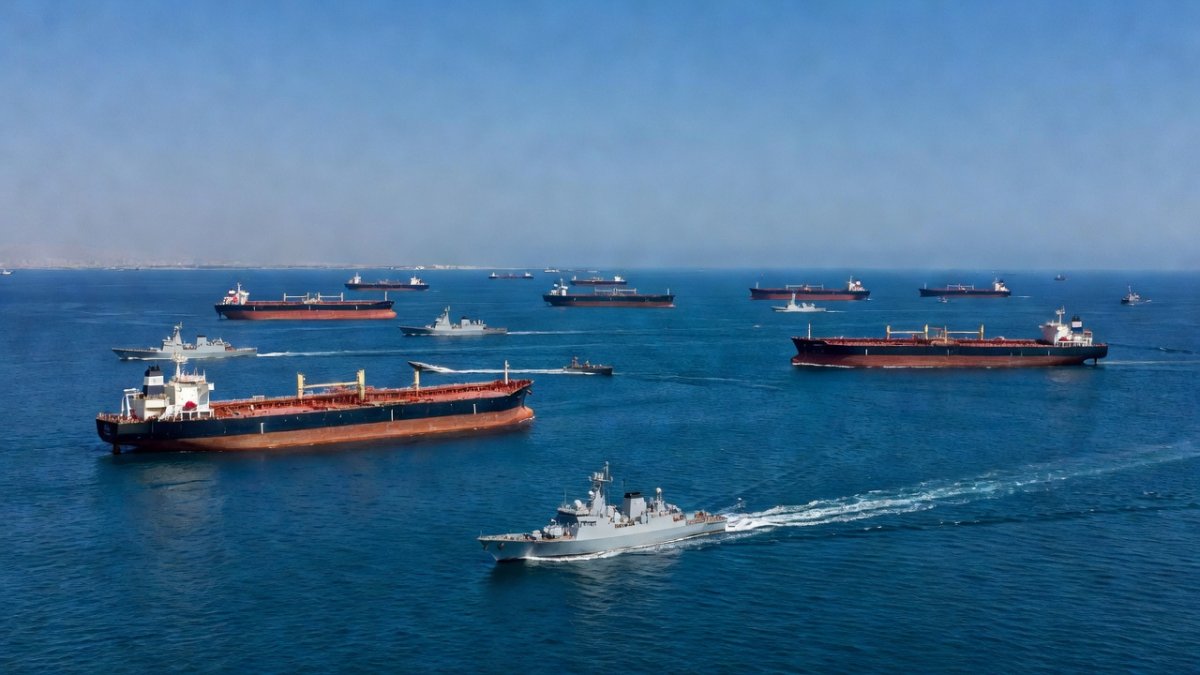
Folks, buckle up because this one hits different. On July 13, 2026, President Trump stood up and announced the United States was slamming the naval blockade back on Iran’s ports while slapping a 20 percent fee on anything daring to transit the Strait of Hormuz. Oil markets didn’t just twitch—they detonated. We’re talking a nine percent surge in a single day, Brent crude rocketing to $87 a barrel. This isn’t background noise. This is the kind of move that ripples straight into your wallet, your commute, and the global economy’s already fragile nerves.
The Blockade Drops Like a Hammer
Let me paint the scene for you. Trump didn’t whisper this decision. He sent Congress formal notification the same day, confirming hostilities with Iran had restarted on July 7. That opened a fresh 60-day window for military action. Straight talk? He’s treating the Strait like his personal toll road. Twenty percent of the world’s oil moves through those waters every single day. Slow that flow even a little and the entire supply chain starts choking.
The mechanics here are blunt and deliberate. Trump formally notified Congress under the War Powers Resolution that hostilities with Iran resumed on July 7, 2026, triggering an immediate 60-day clock for sustained military action. The blockade is aimed squarely at Bandar Abbas and other key Iranian ports, with the US Navy's 5th Fleet tasked to enforce it. This is not a symbolic gesture; it is a direct chokehold on Iran's ability to move oil and goods. That 60-day fuse now burns while the 5th Fleet stares down IRGC threats, turning every patrol into a live wire that could ignite the next regional explosion.
Iran's Revolutionary Guard Corps has already threatened retaliation against any vessels attempting to enforce the blockade. That threat turns every patrol into a potential flashpoint. The setup leaves little room for ambiguity: either the 5th Fleet maintains the line or the entire operation collapses under IRGC pressure. This is high-stakes enforcement with a hard expiration date baked in. Cross that line and the June ceasefire collapse looks less like a blip and more like the spark that lit this entire powder keg.
Oil Prices Don’t Lie—They Scream
Watch what happened next. Prices didn’t creep up. They jumped nine percent overnight. Shipping slowed to a crawl by mid-July. The New York Times reported tankers turning around or idling. That’s not theory. That’s the market telling you the blockade is real and it’s biting. Gas at the pump? Expect it. Inflation worries? Already circling like sharks.
Brent crude has already spiked to $87 per barrel, the highest level since April 2025. US gasoline prices were sitting at a national average of $3.85 per gallon before the latest surge, and analysts are warning that $4.50-plus is realistic within weeks if the blockade holds. The pain is not theoretical; it is hitting pumps and supply chains right now. That nine-percent overnight leap from the blockade announcement is now feeding straight into tripled insurance costs and stalled tankers, proving the Strait isn’t just a chokepoint—it’s the fuse on your next grocery bill.
The World Bank has flagged developing nations as the hardest hit, while shipping insurance premiums for Gulf transits tripled overnight. The New York Times reported tankers anchoring outside the Strait rather than risking passage. This combination of higher crude, spiking insurance, and stalled traffic is creating a self-reinforcing crisis that will spread far beyond the region if the standoff drags on. When the 5th Fleet tightens its grip, those same developing economies feel the squeeze first, turning a regional standoff into a global inflation wildfire.
A Ceasefire That Lasted About Five Minutes
Remember June 2026? Trump was out there bragging about a ceasefire deal he called “unconditional surrender.” Sounded tidy. Then July 8 rolled around and he declared the whole thing over. Iran had started hitting commercial vessels again in the Strait. So here we are—back to square one with the guns out and the oil routes squeezed. Folks, if that doesn’t scream broken promises, I don’t know what does.
The June deal Axios reported was framed as an "unconditional surrender" arrangement: Iran would halt vessel attacks in exchange for the lifting of certain sanctions. That fragile pause lasted only weeks. Iran resumed strikes, hitting a Liberian-flagged tanker on July 2 and a UAE vessel on July 5, effectively shredding the agreement. The rapid unraveling shows how little trust existed on either side and how quickly the situation reverted to open confrontation once the initial terms were tested. That collapse on July 8 directly triggered the July 7 War Powers clock, locking the blockade into motion before the ink on the deal had even dried.
Trump declared the ceasefire "over" on July 8. The 60-day War Powers clock had already started on July 7, locking the administration into a narrow window for further action. The rapid collapse shows how little trust existed on either side and how quickly the situation reverted to open confrontation once the initial terms were tested.
The June Escalation Nobody Forgot
This didn’t come out of nowhere. The U.S. and Iran had been trading direct strikes since early June. An American Apache went down on the 8th. Retaliation hit on the 9th. Iran struck Gulf bases on the 10th. Blood was already in the water. The renewed attacks on commercial shipping were just the last straw that brought the blockade roaring back.
That 20 Percent Toll Idea—Backtracked but Not Forgotten
Trump floated the 20 percent shipping toll earlier and reportedly walked it back after Gulf nations pushed back hard. Now it’s back on the table as part of the blockade package. The Economist didn’t mince words, calling it “Hormuz brinkmanship worsening a global fuel crunch.” I’m calling it exactly what it looks like: high-stakes poker with the world’s energy supply as the chips.
Diplomatic Fallout No One Can Ignore
Gulf states find themselves squeezed between their own export routes and the blockade. Saudi Arabia, the UAE, and Qatar all depend on the Strait for their oil shipments, which explains why the reported 20% toll idea was quickly walked back after Saudi pressure. These countries cannot afford to watch the waterway close, yet they also cannot openly defy the US enforcement. That same pressure that forced the toll reversal now collides with the 5th Fleet’s hard line, leaving America’s partners hedging while oil prices keep climbing.
The EU has called for de-escalation while Russia has condemned the blockade outright. China, a major importer of regional oil, has demanded the Strait stay open for international commerce. The result is a widening diplomatic split where traditional US partners are hedging and adversaries are lining up against the move, leaving the blockade increasingly isolated on the global stage. When the economic pain from $87 crude hits developing nations hardest, those diplomatic fault lines only deepen, turning a naval standoff into a worldwide fracture.
What This Means for Your Daily Life
Let’s get personal. Higher oil means higher gas. Higher gas means everything costs more to move—food, medicine, clothes. Supply chains already stretched thin are about to feel the squeeze. Inflation concerns that were simmering just got gasoline poured on them. This isn’t some faraway headline. This is your next fill-up and your next grocery bill.
Calling It Like It Is
Zero filter here. Reinstituting a full naval blockade while charging a 20 percent transit fee is a massive escalation. Iran’s attacks on vessels gave the administration cover, but the speed and scale of the response show we’re playing with fire in one of the most dangerous chokepoints on Earth. The 60-day military window Congress just received isn’t a footnote—it’s a loaded gun on the table.
What You Can Do Right Now
Don’t just watch this unfold. Track your own energy use. Support policies that push for real diversification away from volatile choke points. Contact your representatives and demand transparency on how that 60-day window gets used. Knowledge is power, and right now the power belongs to people who refuse to stay silent while oil markets and geopolitics play chicken with our future.
By Jessica Ali, Staff Writer
This article was produced with AI-assisted research and editorial support. Reporting is based on sources cited in the article.
What's Your Reaction?
 Like
0
Like
0
 Dislike
0
Dislike
0
 Love
0
Love
0
 Funny
0
Funny
0
 Wow
0
Wow
0
 Sad
0
Sad
0
 Angry
0
Angry
0

Editor-in-Chief at Global1.News. Atlanta-based journalist who cuts through the BS and tells it like it is. Lead anchor, host, and the voice you hear when the spin stops and the truth starts.












Comments (0)