
DepEd Rolls Out Nationwide School Safety Campaign After Tacloban Shooting
Urgent Action Following the Tacloban Tragedy The Department of Education has launched a nationwide School Safety Campaign in direct response to the June 22 shooting at San Jose National High School in Tacloban City. Education Secretary Sonny Angara announced the initiative on Friday, June 26, emphasizing that protecting students remains the department's absolute priority. The c
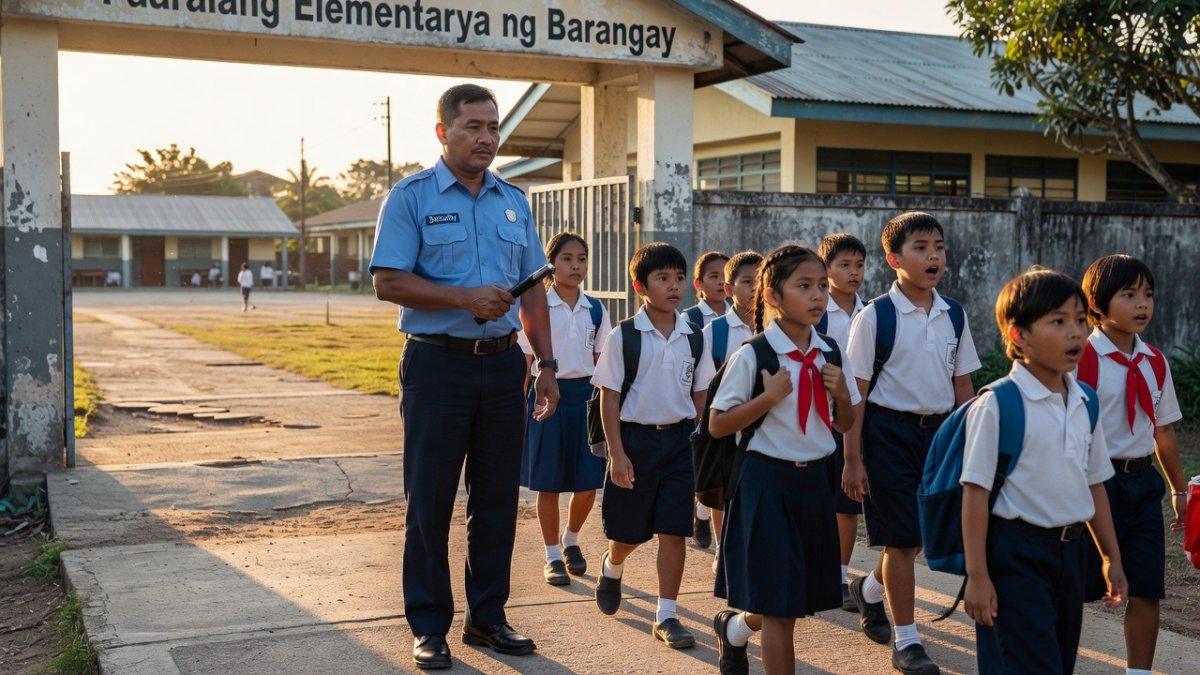
Urgent Action Following the Tacloban Tragedy
The Department of Education has launched a nationwide School Safety Campaign in direct response to the June 22 shooting at San Jose National High School in Tacloban City. Education Secretary Sonny Angara announced the initiative on Friday, June 26, emphasizing that protecting students remains the department's absolute priority. The campaign introduces handheld metal detectors in public schools, security audits, and enhanced anti-bullying measures. This development arrives at a moment when Filipino families across the archipelago are grappling with the loss of young lives and the disruption to classrooms that serve as second homes for many children.
Details of the June 22 Incident and Immediate Response
The shooting at San Jose National High School left three students dead and injured more than a dozen others. Secretary Angara traveled to Tacloban on June 23 to offer condolences to the victims' families and assess the condition of injured students and affected teachers. During that visit, he directed the immediate rollout of stricter security protocols. The tragedy has touched communities far beyond Leyte, reminding parents in provinces from Batanes to Sulu that school safety directly influences daily decisions about sending children to class.
Core Elements of the Nationwide School Safety Campaign
Under the campaign, every public school will receive handheld metal detectors. Stricter visitor management systems and identification protocols will also take effect. Security audits of school facilities are scheduled to identify vulnerabilities. Guidance counselors and mental health professionals will be deployed to deliver psychosocial support to students and school personnel still processing the events in Tacloban. Anti-bullying programs will receive additional resources, and school safety task forces will be established in all public schools. These steps aim to create consistent standards while respecting the varied realities of urban and rural campuses throughout the country.
Coordination with National and Local Partners
Secretary Angara convened all DepEd regional directors on June 26 to guarantee uniform implementation. The Philippine National Police has pledged full support, with PNP Chief General Rommel Francisco Marbil confirming that officers will assist in security audits and train school personnel in emergency response. Local government units and barangay officials will join the effort, reflecting the Philippine tradition of bayanihan where communities unite during times of need. Parents and residents are encouraged to report any suspicious activities near school grounds, extending the circle of vigilance to include ordinary families who know their neighborhoods best.
Human Impact on Ordinary Filipino Families
For parents in Tacloban and beyond, the campaign addresses deep-seated worries about whether classrooms remain safe places for learning. Many Filipino households view education as the primary path to a better future, often making sacrifices so children can attend school daily. The presence of metal detectors and trained task forces may ease some of that anxiety, allowing mothers and fathers to focus on work or household duties without constant fear. Students returning to campuses will encounter counselors ready to listen, which matters in a culture where family discussions about emotions sometimes take second place to practical concerns. The initiative also reinforces the message that schools must stay safe zones, a principle President Bongbong Marcos has repeatedly highlighted.
Integration with Oplan Balik Eskwela and Long-Term Measures
The campaign will strengthen DepEd's annual Oplan Balik Eskwela program by adding school safety components. This integration ensures that preparations for the new school year include both enrollment drives and security briefings. By involving guidance counselors early, the department hopes to support students who may carry lingering distress from the Tacloban events. The approach recognizes that healing extends beyond physical security to emotional well-being, a concern shared by families who see schools as extensions of their own homes.
National Conversation on School Safety
The Tacloban incident has prompted wider discussion across the Philippines about how to keep educational institutions secure. Calls for stricter gun control measures and improved mental health support for students have emerged in public discourse. While the School Safety Campaign focuses on immediate protocols, it also opens space for communities to examine how local values of respect and care can help prevent future harm. Secretary Angara stressed that coordination with partners and stakeholders will be tightened so that similar tragedies do not recur, echoing the collective hope of Filipino parents that their children can pursue education without threat.
Looking Forward with Community Involvement
As the campaign unfolds, its success will depend on sustained participation from families, barangays, and local governments. The emphasis on reporting suspicious activities invites every citizen to play a role, consistent with the communal spirit that defines much of Philippine life. For ordinary households, these measures represent a tangible step toward restoring confidence in the school system that shapes the next generation. By centering the needs of students and teachers affected in Tacloban, DepEd signals that no community stands alone in safeguarding the nation's youth.
By Bella Reyes, Staff WriterThis article was produced with AI-assisted research and editorial support. Reporting is based on sources cited in the article.
What's Your Reaction?
 Like
0
Like
0
 Dislike
0
Dislike
0
 Love
0
Love
0
 Funny
0
Funny
0
 Wow
0
Wow
0
 Sad
0
Sad
0
 Angry
0
Angry
0

Africa Correspondent at Global1.News. Based in Lagos, covering politics, business, technology, and culture across the continent. Focused on telling African stories beyond the headlines — the innovation, entrepreneurs, and communities shaping the region's future.













Comments (0)