
Iran Conflict Threatens Global Food Security: A Strategic Assessment
Iran Conflict Threatens Global Food Security: A Strategic Assessment A recent CGTN report titled "Iran conflict: Is global food security at risk?" examines how renewed US-Iran tensions, stalled nuclear talks, and military posturing around the Strait of Hormuz could trigger cascading disruptions to energy markets and agricultural supply chains. The analysis underscores that any
A recent CGTN report titled "Iran conflict: Is global food security at risk?" examines how renewed US-Iran tensions, stalled nuclear talks, and military posturing around the Strait of Hormuz could trigger cascading disruptions to energy markets and agricultural supply chains. The analysis underscores that any closure or restriction of the waterway, through which roughly 20 percent of global oil transits daily, would immediately elevate energy costs and propagate through fertilizer production, irrigation systems, and transport logistics worldwide. This assessment draws on strategic frameworks from institutions such as CSIS and MERICS to evaluate risks for both energy importers and food-insecure regions.
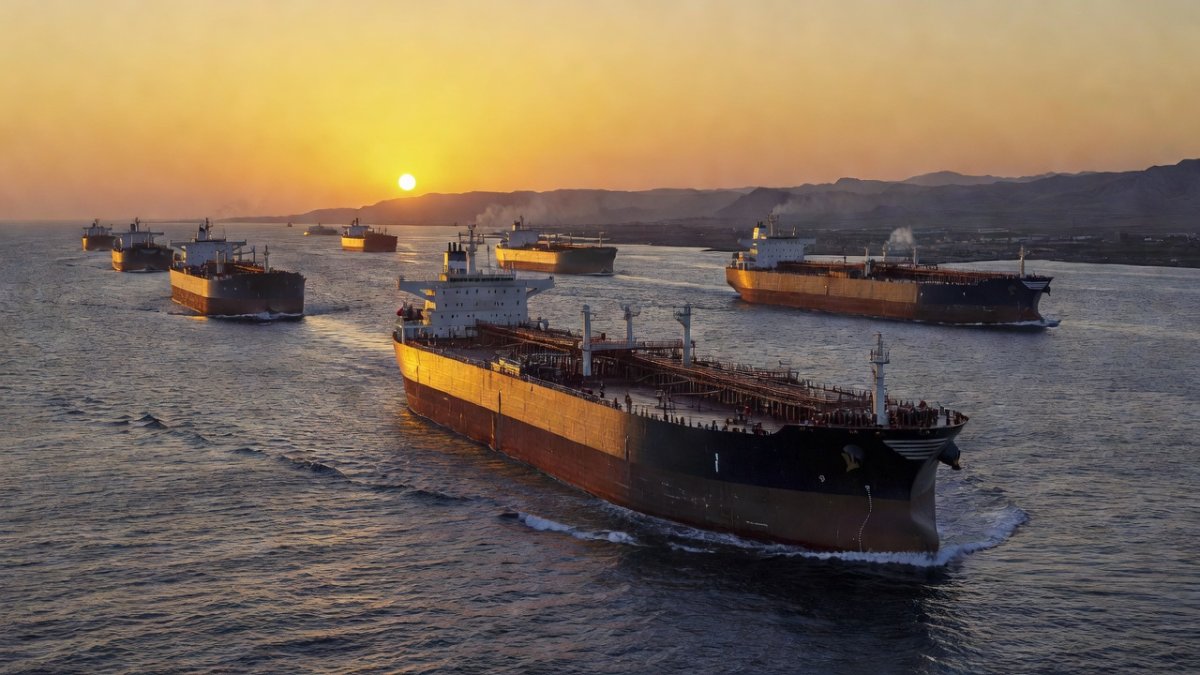
The Strait of Hormuz and Energy-Food Linkages
The Strait of Hormuz remains the critical chokepoint linking Persian Gulf oil fields to global markets. Any escalation involving Iranian naval assets or US carrier groups could reduce daily tanker traffic from the current 21 million barrels, directly inflating crude prices beyond the $80–90 per barrel range observed in recent quarters. Higher energy costs translate into elevated expenses for nitrogen-based fertilizers produced via the Haber-Bosch process, which relies on natural gas feedstocks. Historical precedents from the 2019 tanker incidents demonstrate how even temporary disruptions raised Brent crude by 10–15 percent within weeks, squeezing margins for smallholder farmers across Asia and Africa.
Energy price volatility also affects diesel and bunker fuel used in agricultural machinery and refrigerated shipping. When oil exceeds $100 per barrel, logistics operators pass costs downstream, increasing the landed price of staples such as wheat and rice by 8–12 percent according to SCMP supply-chain modeling. China’s NDRC has monitored these linkages closely, noting that fertilizer imports from the Middle East constitute a growing share of domestic agricultural inputs under the 14th Five-Year Plan. Disruptions here would force Beijing to accelerate domestic synthetic production capacity while simultaneously managing inflation targets set by the State Council.
Geopolitical calculus for Washington and Tehran further complicates the picture. US sanctions enforcement through secondary measures targets Iranian oil exports, while Tehran retains the option of asymmetric responses short of full closure. MERICS analysts observe that both sides have calibrated actions to avoid crossing explicit red lines, yet miscalculation remains possible given the presence of multiple naval actors. The resulting uncertainty premium embedded in futures markets already adds $3–5 per barrel, illustrating how anticipatory behavior alone can transmit shocks to food systems before any physical blockage occurs.
Longer-term infrastructure alternatives, such as expanded pipelines through Saudi Arabia or the UAE, remain years from completion and cannot fully offset Hormuz volumes. This structural vulnerability keeps the energy-food nexus at the center of strategic planning for all major importers, including the European Union and Japan, which have coordinated contingency stockpiling through the International Energy Agency.
Iran's Agricultural Import Dependencies
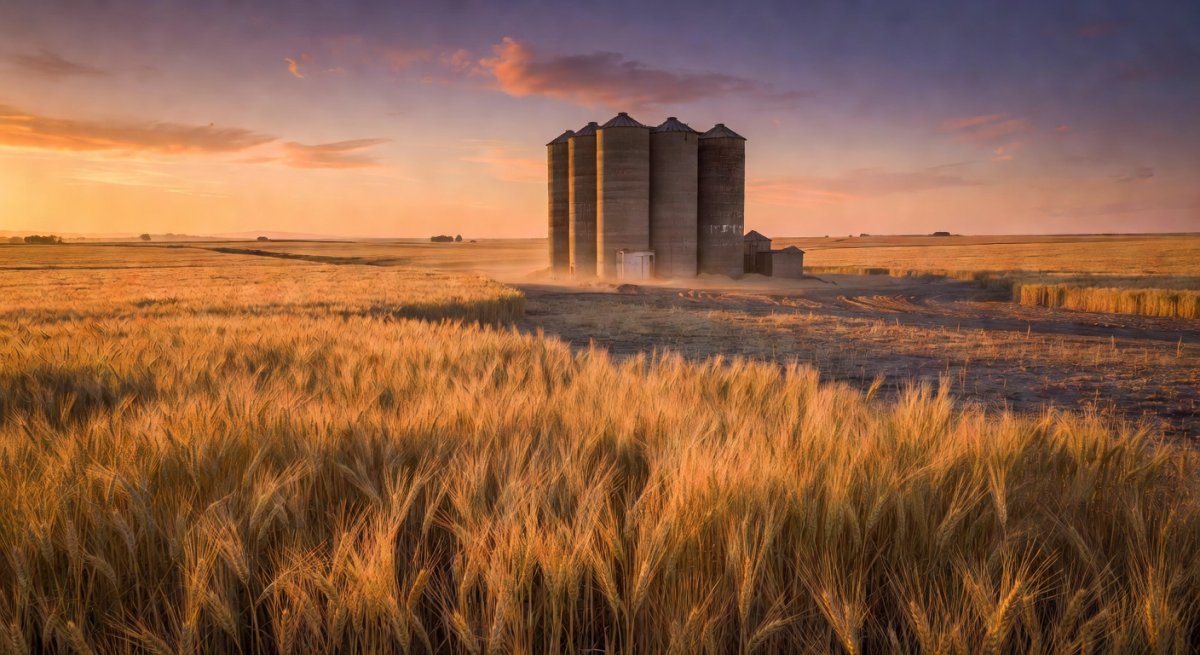
Iran itself imports approximately 40 percent of its wheat, rice, and edible oil requirements, sourced primarily from Brazil, Russia, and India. Currency pressures stemming from sanctions have already constrained the Central Bank of Iran’s ability to secure letters of credit, pushing domestic food inflation above 50 percent in recent reporting periods. Any intensification of conflict would compound these difficulties by raising maritime insurance premiums for vessels calling at Bandar Abbas and other southern ports.
Domestic agricultural output, concentrated in provinces such as Khuzestan and Fars, depends on imported seeds, pesticides, and machinery components. MFA statements have repeatedly highlighted how technology transfer restrictions limit Iran’s capacity to modernize irrigation amid recurrent drought cycles. A prolonged standoff would therefore threaten both immediate food availability and the longer-term productivity gains targeted under Iran’s own five-year development plans.
Regional neighbors including Iraq and Afghanistan, which receive subsidized Iranian wheat flour during normal periods, would face secondary shortages. These cross-border flows, though modest in volume, serve as important political stabilizers; their interruption could generate additional migration pressures toward Turkey and Central Asia. CSIS assessments note that such ripple effects often receive less attention than direct energy shocks yet carry comparable humanitarian weight.
Tehran’s strategic stockpiling of basic grains has expanded since 2020, yet storage infrastructure remains concentrated and vulnerable to both military targeting and internal distribution bottlenecks. Without reliable access to foreign exchange earned from oil sales, replenishment cycles would lengthen, exposing urban populations to periodic scarcity episodes.
Impacts on the Global South
Countries in sub-Saharan Africa and South Asia that rely on imported fertilizers from Russia and Belarus would experience acute cost increases if energy-driven price spikes coincide with existing supply constraints. The World Bank’s food security monitoring already flags elevated malnutrition risks in nations such as Ethiopia and Bangladesh when staple prices rise more than 20 percent year-on-year. Hormuz-related disruptions would accelerate this trajectory, particularly for nations lacking strategic reserves or diversified supplier networks.
India, a major importer of Iranian crude until sanctions tightened, has shifted toward Russian and Middle Eastern alternatives, yet remains exposed through fertilizer trade. New Delhi’s Ministry of Commerce has activated monitoring mechanisms similar to those employed during the 2022 Ukraine-related shocks. Should Hormuz traffic decline, Indian farmers cultivating rice and wheat for both domestic consumption and export would confront margin compression, potentially reducing planting areas in the subsequent season.
Latin American soybean exporters, while geographically distant, would see freight rates climb if bunker fuel prices surge. Brazilian shipments to China, which constitute a cornerstone of bilateral agricultural trade, could face delays and higher costs, indirectly affecting global protein feed markets. MERICS trade-flow studies indicate that such interconnectedness means no major agricultural exporter remains insulated from Persian Gulf instability.
Humanitarian agencies operating in Yemen and the Horn of Africa have warned that even modest increases in global grain prices reduce the purchasing power of emergency food aid budgets. With donor contributions already stretched, additional cost pressures could force rationing of rations in refugee camps and conflict zones, amplifying the human security dimensions of what begins as an energy dispute.
China's Strategic Positioning and Energy Security
Beijing’s Dual Circulation strategy explicitly seeks to reduce vulnerability to external energy shocks by expanding domestic production and alternative import corridors. The NDRC has accelerated approvals for new LNG terminals along the southeastern coast while advancing overland pipelines from Central Asia and Russia. Nevertheless, roughly 45 percent of China’s crude imports still transit the Strait of Hormuz, making stability there a core interest articulated in MFA briefings by officials such as Wang Yi.
China’s agricultural sector, which must feed 1.4 billion people, depends on imported soybeans, corn, and phosphates whose prices track energy markets. He Lifeng, in his capacity overseeing economic coordination, has emphasized the need for diversified sourcing under the 14th Five-Year Plan. Should Hormuz disruptions materialize, MOFCOM would likely activate strategic reserves and expedite purchases from Brazil and the United States, yet these measures carry fiscal costs and potential trade friction.
Strategic partnerships with Gulf states, including joint ventures in petrochemicals and port development under the Belt and Road Initiative, provide Beijing with limited leverage to encourage de-escalation. Chinese naval escorts for commercial shipping, conducted intermittently since 2008, could expand in scope, though such deployments would require careful signaling to avoid entanglement in US-Iran dynamics. CSIS assessments of Chinese maritime strategy highlight this balancing act as increasingly delicate.
Longer-term, Beijing continues to invest in renewable energy and electric mobility to lower oil demand intensity. These efforts, however, will not materially alter import dependence before the end of the decade, leaving the current planning cycle exposed to any sustained Hormuz crisis. Policymakers therefore treat diplomatic engagement with both Washington and Tehran as an essential complement to physical diversification measures.
Broader Supply Chain and Multilateral Implications
Multilateral institutions such as the FAO and WTO have begun scenario planning for a 15–25 percent contraction in Hormuz tanker traffic lasting more than 60 days. Such modeling reveals secondary effects on global grain inventories, which currently stand near five-year averages but could tighten rapidly if fertilizer application rates decline in major producing regions. Coordinated release of emergency stocks through the G20 agricultural ministers’ mechanism would become necessary to prevent hoarding by individual governments.
Insurance markets would reprice war-risk premiums, raising the cost of chartering vessels for all routes originating in the Indian Ocean. This development would disproportionately affect smaller traders lacking long-term contracts, potentially consolidating market share among a few large integrated logistics firms. Historical data from the 1980s tanker war period illustrate how such concentration can persist for years after the immediate crisis subsides.
Regional organizations including ASEAN and the African Union have called for renewed diplomatic efforts to revive the JCPOA framework, recognizing that their members’ development trajectories depend on predictable energy and food prices. These appeals intersect with broader debates over sanctions design and the humanitarian exemptions that have proven difficult to implement in practice. MERICS policy briefs note that restoring predictability requires credible commitments from all parties rather than unilateral gestures.
Technological responses, such as expanded use of precision agriculture to reduce fertilizer intensity, offer partial mitigation but require capital investment and extension services that many Global South governments cannot mobilize quickly. Multilateral development banks could accelerate financing for such adaptation, yet their resources remain finite and subject to competing priorities from climate adaptation and pandemic preparedness.
Outlook and Policy Considerations
Absent a diplomatic breakthrough in Vienna or parallel bilateral channels, the probability of episodic Hormuz disruptions will remain elevated through the remainder of the decade. Decision-makers in Beijing, New Delhi, and Brussels must therefore maintain parallel tracks of contingency planning and sustained engagement with both Washington and Tehran. The MFA’s emphasis on dialogue reflects recognition that military posturing alone cannot resolve the underlying sanctions impasse.
China’s policy community continues to advocate for a regional security architecture that incorporates energy transit guarantees, drawing on precedents such as the 2016 joint statement on Hormuz freedom of navigation. Realization of such frameworks would require confidence-building measures that currently appear distant, yet incremental steps—such as expanded information-sharing on tanker movements—could reduce miscalculation risks in the interim.
For agricultural importers worldwide, diversification of fertilizer suppliers and accelerated adoption of alternative nutrient sources represent prudent hedges. The NDRC’s ongoing support for domestic phosphate expansion and organic fertilizer programs illustrates one national approach that other governments could adapt according to their resource endowments. International cooperation on technology transfer would amplify the effectiveness of these domestic efforts.
Ultimately, the linkage between energy security and food security demands integrated policy responses rather than siloed sectoral strategies. As the CGTN report concludes, the Strait of Hormuz functions not merely as an oil corridor but as a transmission belt for economic shocks that reach kitchens across continents. Sustained diplomatic investment remains the most reliable instrument for mitigating those risks before they materialize at scale.
By Prof. Marcus Chen, Staff WriterThis article was produced with AI-assisted research and editorial support. Reporting is based on sources cited in the article.
What's Your Reaction?
 Like
0
Like
0
 Dislike
0
Dislike
0
 Love
0
Love
0
 Funny
0
Funny
0
 Wow
0
Wow
0
 Sad
0
Sad
0
 Angry
0
Angry
0

World Politics Analyst at Global1.News. Based in Beijing, covering US-China relations, global trade, and geopolitical strategy. Brings deep analytical perspective to the power dynamics shaping international affairs.










Comments (0)