
Xi Jinping's Forthcoming Engagement with Pyongyang: Navigating Alliances in a Shifting Northeast Asian Order
The Historical Weight of Renewed High-Level Contact President Xi Jinping's planned visit to North Korea from 8 to 9 June represents the first such trip in nearly seven years, following his previous engagement in Pyongyang in 2019. This timing aligns with the 65th anniversary of the mutual defence pact between China and North Korea, the sole such formal commitment in China's dip
The Historical Weight of Renewed High-Level Contact
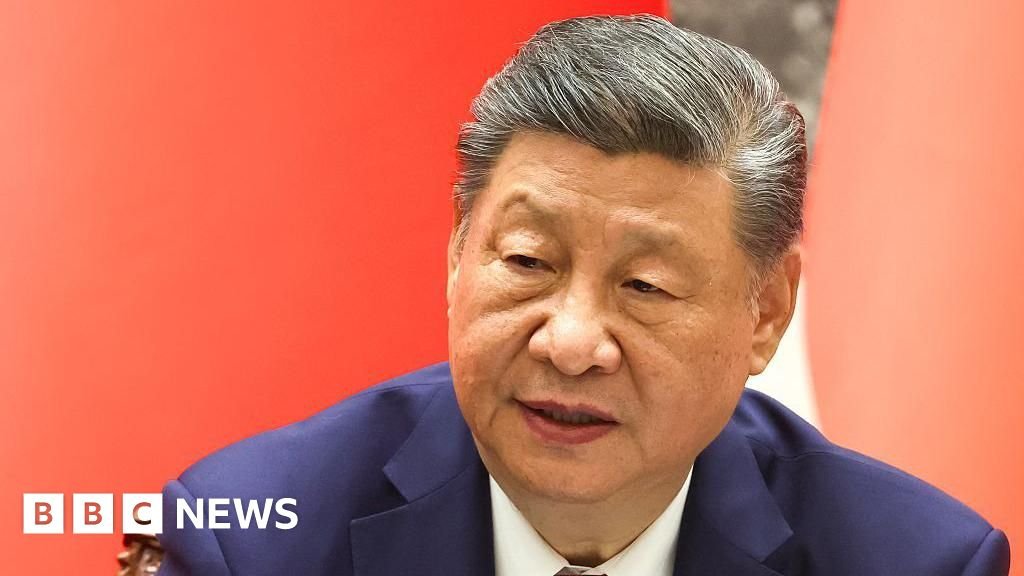
President Xi Jinping's planned visit to North Korea from 8 to 9 June represents the first such trip in nearly seven years, following his previous engagement in Pyongyang in 2019. This timing aligns with the 65th anniversary of the mutual defence pact between China and North Korea, the sole such formal commitment in China's diplomatic portfolio. The treaty, which pledges mutual support in the event of external attack, underscores the enduring structural link across the 1,400-kilometre shared border. Both nations' state media have confirmed the itinerary at the invitation of Kim Jong Un, framing the encounter as a continuation of established bilateral protocols rather than a departure from precedent.
Strategic Context Following Engagements with Washington and Moscow
The visit occurs weeks after Xi hosted US President Donald Trump and Russian President Vladimir Putin in Beijing. These preceding summits highlight the triangular pressures shaping Pyongyang's external posture, with China positioned as the primary economic and political interlocutor for a state subject to extensive international sanctions tied to its nuclear programme and reported human rights record. Beijing's role as North Korea's largest trading partner grants it unique leverage, yet the presence of competing great-power interests in the region complicates any singular narrative of influence. The sequencing suggests a deliberate effort by Chinese leadership to calibrate relations amid overlapping diplomatic calendars.
Economic Interdependence and Kim's Domestic Priorities
North Korea's leadership has emphasised infrastructure development, including newly constructed beach and ski resorts, which require sustained external support to achieve viability. Given the constraints imposed by sanctions, expanded cross-border commerce and increased Chinese tourism represent logical avenues for economic stabilisation. China remains the indispensable partner in this regard, supplying the bulk of North Korea's external trade flows. While Xi maintains caution regarding the deepening coordination between Pyongyang and Moscow, the practical reality of geographic proximity and resource flows ensures that Beijing continues to serve as the principal conduit for material support. Discussions during the June meetings are therefore expected to centre on concrete mechanisms for facilitating these exchanges without violating the broader sanctions architecture.
Nuclear Developments and Evolving Chinese Positions
Kim has publicly highlighted recent advances in weapons-grade nuclear materials production, claiming a more than twofold increase in capacity over the past five years during a tour of a new facility. This assertion coincides with ongoing displays of missile and nuclear assets to domestic and international audiences. Beijing has historically advocated denuclearisation of the Korean Peninsula, yet its public emphasis on this objective has moderated in recent years. During the recent Trump-Xi meeting, the two sides reportedly reaffirmed a shared denuclearisation goal according to US documentation; however, Chinese foreign ministry statements have stressed continuity and consistency in policy without direct confirmation of new joint commitments. Pyongyang's trajectory indicates no intention to alter its nuclear course, creating a persistent point of friction within the alliance framework.
The Fracture with Seoul and Mediation Prospects
Since Kim's December 2024 declaration ending reunification efforts, North Korea has designated South Koreans as adversaries and severed all communication channels with Seoul. This shift was visibly demonstrated during the recent visit of North Korea's women's professional football team to South Korea, where interactions remained minimal and athletic encounters notably physical. South Korean officials, including Unification Minister Chung Dong-young, have expressed hope that Xi's presence in Pyongyang could encourage renewed engagement with both Seoul and Washington. Such mediation would align with China's interest in regional stability, though the extent to which Beijing will actively press for dialogue remains subject to its assessment of leverage and risk.
Geopolitical Calculus and Second-Order Effects
From Beijing's perspective, the visit serves multiple strategic objectives: reinforcing the defence treaty's symbolic value, managing alliance dynamics with a partner increasingly oriented toward Moscow, and projecting steadiness amid US engagement. For Pyongyang, the optics of hosting the Chinese leader confer domestic legitimacy and international visibility achieved independently of American or South Korean concessions. Second-order consequences include potential adjustments in trade volumes across the land border and shifts in how other regional actors interpret China's willingness to sustain North Korea's economic base. These developments unfold against a backdrop of sanctions that limit alternative partnerships, thereby concentrating influence in Beijing while simultaneously exposing it to reputational costs associated with Pyongyang's nuclear trajectory.
By Prof. Marcus Chen, Staff WriterThis article was produced with AI-assisted research and editorial support. Reporting is based on sources cited in the article.
What's Your Reaction?
 Like
0
Like
0
 Dislike
0
Dislike
0
 Love
0
Love
0
 Funny
0
Funny
0
 Wow
0
Wow
0
 Sad
0
Sad
0
 Angry
0
Angry
0

World Politics Analyst at Global1.News. Based in Beijing, covering US-China relations, global trade, and geopolitical strategy. Brings deep analytical perspective to the power dynamics shaping international affairs.













Comments (0)