
Ghana Jails TikToker for False News Claim on President
Ghana sentences TikToker Camilla Alhassan to one year over false claims Mahama sacrificed 32 cows. Case reignites West Africa free speech vs regulation debate.
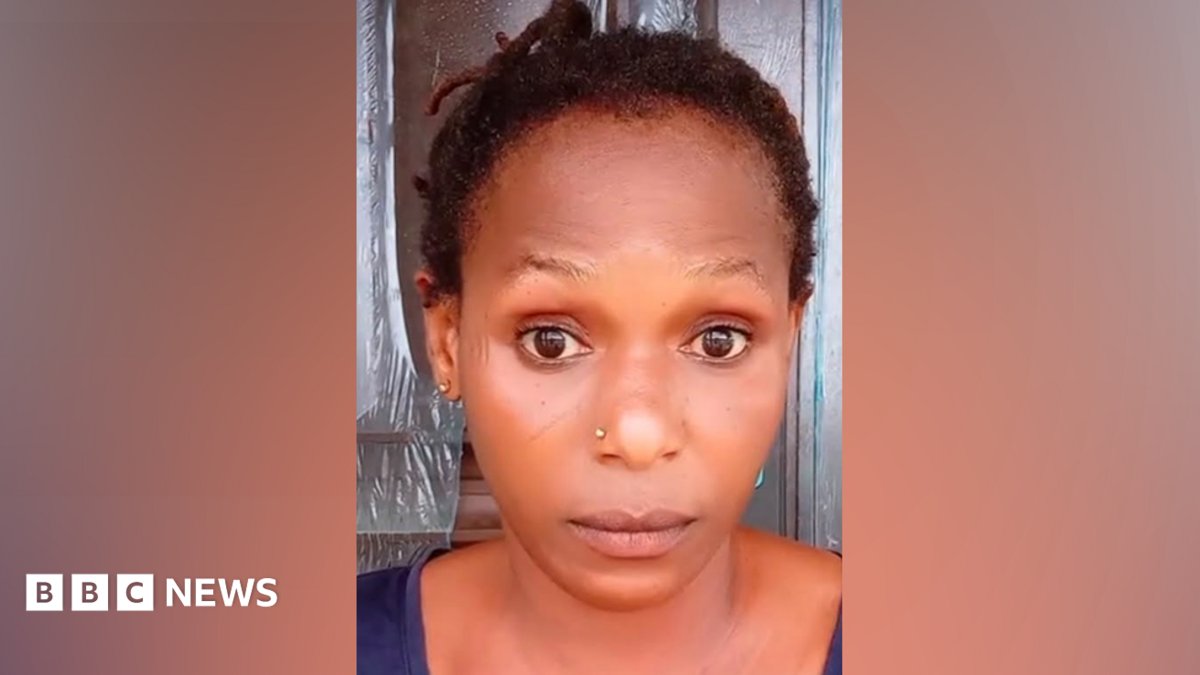
In a striking development that has sent shockwaves across West Africa, Ghana has sentenced popular TikToker Camilla Alhassan to one year in prison for spreading false news about President John Mahama. The case spotlights the growing tension between governments cracking down on misinformation and citizens relying on social platforms for open conversation. It serves as a powerful reminder of how quickly online content can lead to real-world consequences in the region.
Ghana Jails TikToker Camilla Alhassan for False News
Dakar, Senegal — Article continues...
The Details Behind Camilla Alhassan's Conviction
Camilla Alhassan, a 43-year-old Ghanaian woman with more than 70,000 followers on TikTok, received a one-year prison sentence after pleading guilty to charges of offensive conduct and publication of false news. The posts in question appeared last month and early this month, when she shared videos claiming without evidence that President John Mahama had sacrificed 32 cows in a ritual intended to secure victory in the 2024 general election. She further alleged that a government program distributing sanitary pads to flood victims served as a cover for those actions.
Ghana's legal framework for handling false news and offensive conduct draws heavily from colonial-era statutes that were originally designed to maintain order under British rule. The Criminal Offences Act of 1960, particularly sections on publishing false news likely to cause fear or harm, and the Electronic Communications Act, formed the backbone of the charges against Alhassan. These laws, rooted in the 19th-century sedition ordinances, prioritize public order over expansive free expression, reflecting a time when information flowed through controlled channels rather than viral videos. In practice, they allow prosecutors to move quickly on social media cases, though critics argue they have not kept pace with digital realities.
Across West Africa, similar colonial legacies shape digital laws, yet enforcement varies. Nigeria's Cybercrimes Act of 2015 and Senegal's 2008 cybercrime provisions both echo older penal codes, enabling governments to target online speech that challenges authority. Ghana's approach stands out for its relatively swift judicial process, but it shares the regional tension of balancing accountability with the risk of stifling dissent. For many families in Accra or Dakar, these statutes feel distant until a familiar TikTok voice faces consequences, reminding communities how inherited legal tools now intersect with everyday digital life.
How the Court Reached Its Decision
The judge rejected requests for a lighter penalty, stating that a custodial sentence was required to deter similar behavior. Prosecutors emphasized that Alhassan's videos contained false and defamatory statements about the president. Her content spread widely before her arrest earlier this month, drawing fresh attention to questions about accountability for material shared on social platforms in Ghana.
President Mahama's Public Warning on Falsehoods
President John Mahama has previously stated at a press conference that his government would track down and arrest individuals spreading misinformation, disinformation, hate speech, or statements likely to cause fear and panic. He described the effort as sending a clear signal to Ghanaians. Communications Minister Samuel Nartey George has also outlined plans for new legislation aimed at creating a framework to address these issues while attempting to protect free speech.
President John Mahama's 2024 re-election victory came amid heightened online political activity, where social media platforms amplified both support and sharp criticism. His administration's focus on curbing misinformation reflects a desire to stabilize public discourse after a competitive campaign that saw rapid spread of unverified claims. Mahama has cultivated ties with tech companies to promote responsible content moderation, yet his warnings carry the weight of a leader who understands how quickly rumors can erode trust in institutions that Ghanaians rely on for daily stability.
The Communications Ministry's proposed bill aims to establish clearer rules for digital platforms while safeguarding core freedoms, drawing input from civil society to avoid overly broad restrictions. In Senegal, President Diomaye Faye has navigated parallel debates, where early efforts at digital regulation sparked protests from creators and journalists concerned about limits on political commentary. Both leaders face the same cultural reality: platforms like TikTok serve as modern village squares where families discuss leadership, making any new law a delicate matter that touches on shared values of openness and respect.
Earlier Cases Involving Ghanaian Influencers
This is not the first instance of an influencer facing prison time in Ghana. Last September, TikToker David Kwodwo Prah Afful, known as Kwame Nkrumah II, received a seven-month sentence after being found guilty of making a death threat and engaging in offensive conduct. In a widely viewed video, he had threatened to kill President Mahama and members of parliament, prompting authorities to act under existing laws.
Similar Pressures Across West Africa
Ghana is viewed as one of West Africa's stronger democracies, with constitutional safeguards for expression and an active media environment. Yet countries throughout the region, including Senegal, Nigeria, and Ivory Coast, face parallel difficulties in managing online content while maintaining open debate. Governments seek tools to limit harmful material, but the measures often raise questions about how far enforcement should reach into everyday conversations on platforms that many citizens now use for news and discussion.
Senegal's cybercrime law has been applied in several high-profile cases involving online criticism of officials, often resulting in fines or short detentions that highlight enforcement challenges. Nigeria's ongoing social media bill discussions from 2024 through 2026 have centered on mandatory registration for influencers and penalties for harmful content, with lawmakers citing public safety while facing pushback from a vibrant creator community. In Ivory Coast, authorities have used existing press laws to monitor election-related posts, creating an environment where citizens weigh their words carefully during sensitive periods.
At the ECOWAS level, regional meetings have explored harmonized digital governance frameworks to address cross-border misinformation without undermining democratic gains. These conversations recognize that platforms connect markets and families across borders, from Lagos traders sharing price updates to Dakar youth debating policy. The goal remains finding tools that protect communities from damaging falsehoods while preserving the open exchange that strengthens West African societies.
Balancing Regulation With Rights Protections
Rights groups continue to caution that stronger enforcement against misinformation could limit legitimate criticism and public discourse. Ghana's proposed legislation reflects an attempt to draw clearer lines, yet the debate centers on whether criminal penalties remain the most effective response or whether they risk silencing voices in communities where social media serves as a primary source of information. The concern is that broad rules might affect ordinary users who share opinions without full verification.
The Growing Role of Social Media in Daily Life
Across West Africa, platforms like TikTok have become woven into local economies, political conversations, and family networks. In markets from Dakar to Accra, traders and young people rely on short videos for updates on prices, events, and leadership decisions. This reach gives content creators influence, but it also places responsibility on them when claims spread rapidly through trusted community channels and affect public trust in institutions.
TikTok's user base in West Africa grew sharply between 2024 and 2026, with Ghana and Senegal seeing millions of new accounts as affordable smartphones reached more households. In Accra markets, young traders use short videos to showcase goods and negotiate deals, while in Dakar, creators blend family stories with commentary on local events. This growth has turned the platform into an economic lifeline, allowing individuals to earn through brand partnerships and direct sales that support extended families.
Political commentary on TikTok carries particular weight because viewers often treat these clips as trusted updates from within their communities. Ghanaian and Senegalese creators frequently mix humor, cultural references, and analysis, building audiences that span generations. The creator economy now contributes noticeably to local incomes, yet it also places responsibility on those whose words travel quickly through networks that once relied on radio or word of mouth. This shift brings both opportunity and the need for thoughtful engagement with information that shapes daily decisions.
What the Sentence Signals for Creators and Citizens
For content creators and everyday users in Ghana and neighboring countries, the outcome serves as a reminder that posts alleging serious misconduct without supporting evidence can lead to legal consequences. At the same time, the case highlights the need for clearer guidance on what crosses into punishable territory. Citizens who depend on these platforms for connection and information may now weigh their words more carefully, while still seeking ways to hold leaders accountable within the bounds of existing protections.
By Amara Diop, Staff Writer
This article was produced with AI-assisted research and editorial support. Reporting is based on sources cited in the article.
What's Your Reaction?
 Like
0
Like
0
 Dislike
0
Dislike
0
 Love
0
Love
0
 Funny
0
Funny
0
 Wow
0
Wow
0
 Sad
0
Sad
0
 Angry
0
Angry
0
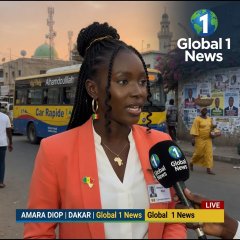
West Africa/Sahel Correspondent at Global1.News. Dakar-based journalist covering politics, security, climate, and development across Francophone and Anglophone West Africa. Tells the stories of a region undergoing profound transformation.










Comments (0)