
Saint-Louis Jazz Festival Connects Generations Through Alune Wade's New African Orleans and Orchestra Baobab's Return
The Saint-Louis Jazz Festival continues to anchor Senegal's cultural calendar as one of the continent's most enduring celebrations of music and heritage. This year's programming built directly on the momentum from Alune Wade's standout set at the 33rd edition in May 2025, carrying that energy into the recently concluded 34th edition held from May 13-17, 2026. Saint-Louis Jazz F
The Saint-Louis Jazz Festival continues to anchor Senegal's cultural calendar as one of the continent's most enduring celebrations of music and heritage. This year's programming built directly on the momentum from Alune Wade's standout set at the 33rd edition in May 2025, carrying that energy into the recently concluded 34th edition held from May 13-17, 2026.
Saint-Louis Jazz Festival Connects Generations Through Wade's New African Orleans and Orchestra Baobab's Return
Saint-Louis, Senegal — In recent weeks — The Festival International de Jazz de Saint-Louis wrapped its 34th edition on May 17, 2026, after five days that honored the city's UNESCO World Heritage status and its deep ties to jazz history. Artistic director Mame Birame Seck once again placed traditional African instruments at the center of the program, drawing roughly 5,000 attendees who filled hotels, restaurants, and artisan stalls across the island setting of Ndar. Sponsors SUNU Bank Sénégal and SUNU Assurances supported both the main IN concerts and the sprawling OFF program of street shows, masterclasses, apéro-concerts, panel discussions, the vintage car parade by Club Auto Retro Senegal, and the Takussanu Ndar carnival that wound through Guet-Ndar.
Alune Wade Brings New African Orleans to Saint-Louis
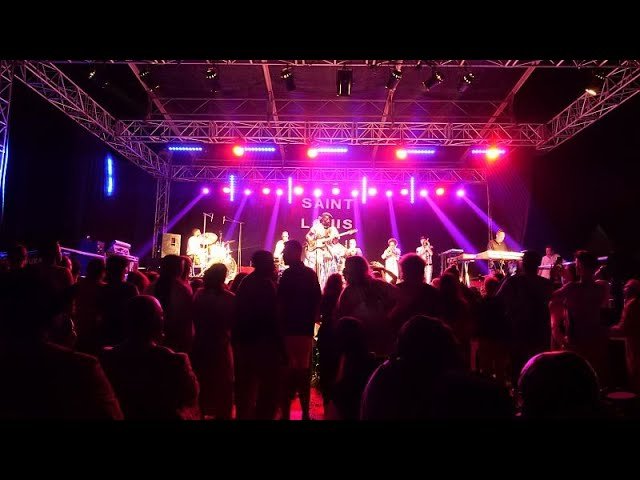
Senegalese virtuoso bassist, guitarist, singer, and composer Alune Wade, now based in Paris, delivered his third appearance at the Festival International de Jazz de Saint-Louis during the 33rd edition in May 2025. His performance drew directly from the 2025 album New African Orleans, which blends jazz, West African rhythms, New Orleans second-line grooves, and Lagos-inspired vibes. Africanews covered the set on June 1, 2025, with a video titled Alune Wade lights up Saint-Louis Jazz Festival that captured the crowd's response to his fusion of Saint-Louis, Dakar, and New Orleans historical links.
Wade rose through the jazz-fusion scene of the 1990s before releasing earlier albums including Mbolo in 2006, Ayo Nene in 2011, Havana Paris Dakar in 2015, African Fast Food in 2017, and Sultan in 2022. Each of those recordings prepared the ground for New African Orleans, which he presented on the main stage of the UNESCO World Heritage site that once served as Senegal's colonial capital before Dakar. Festivalgoers noted how his bass lines echoed the sabar drumming traditions still heard in Saint-Louis neighborhoods.
The 33rd edition's success with Wade set expectations high for the following year. Mame Birame Seck invited him back into planning conversations, ensuring that the OFF program masterclasses would explore the same cross-Atlantic rhythms Wade had highlighted. Local hotels reported full bookings weeks in advance, while artisans along the island's colonial-era streets sold out of instruments and textiles tied to the New African Orleans theme.
Wade's set also reinforced the festival's commitment to Senegalese cultural elements. He shared the stage briefly with local griot vocalists, creating moments that linked his Paris-based career to the vibrant contemporary music scene still thriving in Saint-Louis. Attendees left the venue discussing how the album's Lagos-inspired vibes connected West African cities that share similar histories of migration and musical exchange.

A Festival Like No Other — Saint-Louis Jazz Through the Decades
The Festival International de Jazz de Saint-Louis stands as one of Africa's oldest and most prestigious jazz festivals, held each year in Saint-Louis, also called Ndar, Senegal's historic former capital. The city, a UNESCO World Heritage site famous for its colonial-era architecture and island setting, provides a living backdrop where griot traditions and sabar drumming continue alongside contemporary performances. Mame Birame Seck has served as artistic director for multiple editions, consistently emphasizing traditional African instruments and Senegalese cultural elements.
Over the decades the festival has grown from modest beginnings into a major draw that boosts local tourism through packed hotels, restaurants, and artisan markets. The main IN concerts feature international and African headliners, while the extensive OFF program includes street shows, masterclasses, apéro-concerts, panel discussions, the vintage car parade organized by Club Auto Retro Senegal, and the Takussanu Ndar carnival that fills the Guet-Ndar area with color and rhythm.
Sponsors SUNU Bank Sénégal and SUNU Assurances have supported the event for years, helping maintain its scale of approximately 5,000 attendees. This consistent attendance has allowed the festival to commission new works that explore jazz's deep African roots, celebrating the continent's central role in the genre's history. Saint-Louis residents often point to the city's pre-Dakar status as colonial capital as the reason jazz found such fertile ground here.
Each edition builds on the last, with Mame Birame Seck inviting artists who can trace their lineages to the same griot and sabar practices still active in the city's neighborhoods. The OFF program panels frequently discuss how Saint-Louis musicians influenced later generations, creating a living archive that younger players study during the brass masterclasses.
The 34th Edition Raises the Bar
The 34th edition ran from May 13-17, 2026, opening with the Kuba Stankiewicz Trio followed by the legendary Senegalese band Orchestra Baobab. On May 15 the program featured the Leïla Olovesi Quintet and the Avalanche Quartet, while May 16 presented the Bo Vander Werf / Khadim Niang fusion project that paired jazz with Senegalese sabar rhythms. The May 17 closing night brought Abate Barihun & Addis Ken Project from Ethiopia and Israel, described by audiences as magistral, intense, and captivating.
Corey Henry delivered a vibrant Carte Blanche performance that energized the main stage and spilled into OFF program street shows. Programming also included brass masterclasses with Thomas Leleu, film screenings, and panel discussions on jazz as a universal language. The vintage car parade by Club Auto Retro Senegal wound through the colonial-era streets, and the Takussanu Ndar carnival once again animated the Guet-Ndar area with processions and drumming.
Mame Birame Seck noted that the 34th edition expanded the OFF program to include more masterclasses focused on traditional African instruments. Approximately 5,000 attendees moved between venues, supporting local restaurants and artisans who prepared special menus and crafts tied to the festival theme. SUNU Bank Sénégal and SUNU Assurances banners appeared throughout the island, underscoring their continued commitment.
The closing set by Abate Barihun & Addis Ken Project left many discussing how Ethiopian and Israeli jazz traditions could merge with Senegalese sabar in future editions. Local hotels reported record occupancy, and the Takussanu Ndar carnival drew families who had traveled from Dakar and beyond to participate in the street celebrations.
Where Jazz Meets Sabar — Senegalese Rhythms on Stage
Saint-Louis remains home to griot traditions and sabar drumming that shape every festival edition. The Bo Vander Werf / Khadim Niang fusion project on May 16, 2026, demonstrated how jazz structures can incorporate the rolling sabar rhythms still played at naming ceremonies and community gatherings across the city. Mame Birame Seck invited Khadim Niang specifically to highlight these connections during the 34th edition.
Alune Wade's earlier performance at the 33rd edition had already prepared audiences for such fusions by weaving New Orleans second-line grooves with West African rhythms drawn from his New African Orleans album. The OFF program masterclasses with Thomas Leleu extended this dialogue, teaching young brass players how sabar patterns can inform jazz phrasing. Griots from the Saint-Louis community often joined these sessions as guest instructors.
The Takussanu Ndar carnival that closed several festival days brought sabar ensembles into the streets of Guet-Ndar, where residents danced alongside visiting musicians. This public celebration reinforced the festival's role in sustaining living traditions rather than treating them as museum pieces. Local artisans sold sabar drums and costumes that reflected both historical designs and contemporary festival aesthetics.
Panel discussions during the 34th edition explored how sabar drumming traveled from Saint-Louis to other Senegalese cities and eventually influenced jazz musicians worldwide. Participants referenced the same historical links between Saint-Louis, Dakar, and New Orleans that Alune Wade had explored on his 2025 album.
Senegalese Music on the World Stage
Senegal's musical giants such as Youssou N'Dour, the Mbalax pioneer, Baaba Maal, and Orchestra Baobab have long carried Senegalese sounds to international audiences. Orchestra Baobab's appearance on the opening night of the 34th edition on May 13, 2026, reminded listeners of the band's foundational role in African jazz fusion. Their set connected directly to the festival's emphasis on traditional African instruments championed by artistic director Mame Birame Seck.
Alune Wade, who rose through the jazz-fusion scene of the 1990s and released albums including Mbolo, Ayo Nene, Havana Paris Dakar, African Fast Food, and Sultan, represents the next generation continuing this global dialogue. His New African Orleans album, performed at the 33rd edition, explicitly mapped the routes between Saint-Louis, Dakar, and New Orleans. Wade's Paris base has not distanced him from these roots; instead it has allowed him to introduce Senegalese rhythms to new listeners.
Major African cultural events such as FESPACO in Burkina Faso, MASA in Ivory Coast, Sauti za Busara in Zanzibar, and the Lagos Jazz Festival in Nigeria regularly feature artists who first gained recognition at Saint-Louis. The festival's approximately 5,000 attendees include programmers from these events who return home with new bookings. Local tourism benefits as visitors extend their stays to explore the UNESCO World Heritage architecture and the vibrant contemporary music scene still active in Ndar.
The OFF program panel discussions frequently compare Saint-Louis programming with these peer festivals, noting how the combination of IN concerts and street carnivals creates a uniquely immersive experience. Sponsors SUNU Bank Sénégal and SUNU Assurances have supported delegations that travel between these events, strengthening West African cultural networks.
Jazz as Cultural Diplomacy in West Africa
The Festival International de Jazz de Saint-Louis celebrates the continent's role in jazz history by programming artists who trace their lineages to griot and sabar traditions. Film screenings and panel discussions during the 34th edition examined jazz as a universal language that has traveled from West African ports to New Orleans and back again. Mame Birame Seck invited the Abate Barihun & Addis Ken Project to illustrate these transcontinental conversations.
Alune Wade's performance at the 33rd edition, covered by Africanews on June 1, 2025, demonstrated how one Senegalese musician could embody the historical links between Saint-Louis, Dakar, and New Orleans. His New African Orleans album served as a sonic map that audiences carried into the 34th edition's fusion projects, including the Bo Vander Werf / Khadim Niang collaboration with sabar rhythms.
The vintage car parade by Club Auto Retro Senegal and the Takussanu Ndar carnival added public dimensions to this diplomacy, allowing residents who cannot afford IN concert tickets to participate in the cultural exchange. Brass masterclasses with Thomas Leleu trained the next generation of musicians who will carry these conversations forward. Local restaurants and artisans reported increased sales that directly supported the city's economy during the May 13-17, 2026, period.
Saint-Louis's status as Senegal's former colonial capital before Dakar gives the festival a unique authority when discussing jazz's African foundations. Griot families still living on the island contribute oral histories that appear in OFF program panels, ensuring that academic discussions remain grounded in living practice.
What's Ahead for Saint-Louis and African Jazz
The 34th edition's success points toward expanded collaborations that will shape future programming at the Festival International de Jazz de Saint-Louis. Mame Birame Seck has already begun conversations with artists from the Lagos Jazz Festival and Sauti za Busara about joint commissions that would further explore the New African Orleans connections Alune Wade introduced in 2025. The continued support of SUNU Bank Sénégal and SUNU Assurances will allow the OFF program to grow while maintaining the intimate scale that draws approximately 5,000 attendees each year.
Local tourism operators in Saint-Louis are preparing additional packages that combine festival tickets with visits to griot compounds and sabar workshops, extending the economic benefits beyond the May dates. The Takussanu Ndar carnival and vintage car parade will remain central to the OFF program, ensuring that residents of Guet-Ndar and the island's colonial-era neighborhoods stay at the heart of the celebration.
Young musicians who participated in the brass masterclasses with Thomas Leleu during the 34th edition are already forming ensembles that blend jazz with Senegalese rhythms, following the path Wade traced through his albums from Mbolo to New African Orleans. These groups will likely appear on future main stages, continuing the festival's role in developing new talent rooted in Saint-Louis traditions.
The Festival International de Jazz de Saint-Louis will keep honoring the city's UNESCO World Heritage status and its place in jazz history by programming artists who understand both the music's African origins and its global journeys. As the 35th edition approaches, the connections between Senegal's musical giants like Youssou N'Dour, Baaba Maal, and Orchestra Baobab and emerging voices such as Alune Wade promise an even richer dialogue across the continent and beyond.
By Amara Diop, Staff Writer
This article was produced with AI-assisted research and editorial support. Reporting is based on sources cited in the article.
What's Your Reaction?
 Like
0
Like
0
 Dislike
0
Dislike
0
 Love
0
Love
0
 Funny
0
Funny
0
 Wow
0
Wow
0
 Sad
0
Sad
0
 Angry
0
Angry
0

West Africa/Sahel Correspondent at Global1.News. Dakar-based journalist covering politics, security, climate, and development across Francophone and Anglophone West Africa. Tells the stories of a region undergoing profound transformation.









Comments (0)