
March Retail Sales Plunge 1% as Consumers Slam the Brakes Amid Banking Fears
US retail sales fell 1% in March, steeper than expected, as smaller $84B tax refunds, expired SNAP benefits, and banking-crisis fears prompted consumers to cut back. Job gains of 236,000 and 4.2% wage growth still support spending, but cooling momentum and rising inflation expectations signal broader economic risks ahead.
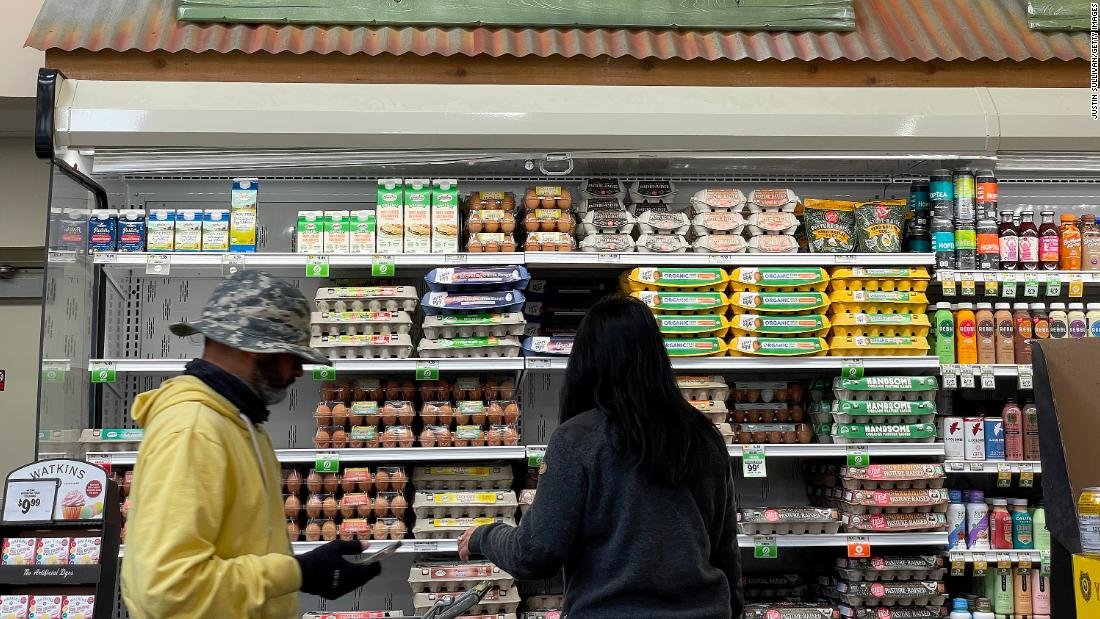
The Hard Numbers Behind the Pullback
Listen up, America. The Commerce Department just dropped a report that should make every household sit up straight. Retail sales, adjusted for seasonality but not inflation, fell a full 1% in March from the prior month. That is steeper than the 0.4% decline investors expected according to Refinitiv, and it comes after a revised 0.2% drop the month before. This is not a blip. This is consumers hitting the brakes hard after the banking crisis lit up recession fears across the country.
Year-over-year, retail spending still managed a 2.9% rise, but that headline masks the monthly reality. Spending at general merchandise stores cratered 3% from February, while gas station sales plunged 5.5%. Strip out the gas stations and the retreat was still 0.6%. These are concrete signals that wallets are closing, not just shifting categories. The data landed Friday, April 14, and markets took notice because it confirms what many of us already feel at the checkout line.
Investors are pointing to two immediate culprits: thinner tax refunds and a labor market that is losing steam. The IRS issued $84 billion in tax refunds this March, roughly $25 billion less than the same month in 2022, according to Bank of America analysts. That shortfall hit department stores and durable goods like appliances and furniture especially hard. When the refund check is smaller, the big-ticket purchases get delayed or canceled. That is not theory. That is arithmetic hitting Main Street.
We have seen this movie before. Consumers do not pull back in isolation. They respond to real cash-flow pressure and rising uncertainty. The March numbers show both forces at work, and the broader economy is already feeling the drag.
Tax Refunds and Expired Benefits Squeeze Household Budgets
March is normally a big refund month, and this year it underwhelmed. Aditya Bhave, senior US economist at BofA Global Research, told CNN that some households were likely expecting refunds closer to last year’s levels. When those checks came in lighter, spending at department stores and on durables took the hit first. Credit and debit card spending per household tracked by Bank of America researchers slowed to its weakest pace in more than two years. That is the real-time pulse of consumer caution.
Layer on the expiration of enhanced pandemic-era Supplemental Nutrition Assistance Program benefits in February, and the March pullback makes even more sense. Bank of America Institute reports flagged those expired benefits as another drag on spending. Families that had relied on the extra food assistance suddenly faced higher grocery bills without the offset. The result? Tighter budgets and fewer discretionary purchases.
Average hourly earnings grew 4.2% in March from a year earlier, according to the Bureau of Labor Statistics. That is down from the prior month’s 4.6% annualized pace and marks the smallest yearly rise since June 2021. Wage growth is still positive, but the deceleration is unmistakable. When paychecks rise more slowly and refunds shrink, households do the rational thing: they spend less. That is exactly what the retail data captured.
Do not let anyone tell you this is just seasonal noise. The combination of smaller refunds, expired benefits, and moderating wage gains created a perfect storm for March. Consumers responded by cutting back where it shows up first—retail sales.
Banking Turmoil Leaves Its Mark on Sentiment
The collapses of Silicon Valley Bank and Signature Bank earlier this year did not just rattle Wall Street. They filtered into consumer psychology. University of Michigan consumer sentiment worsened slightly in March during the bank failures, and the latest reading released Friday morning showed sentiment holding steady in April. Yet year-ahead inflation expectations jumped a full percentage point, from 3.6% in March to 4.6% in April, driven in part by higher gas prices.
Joanne Hsu, director of the surveys of consumers at the University of Michigan, put it plainly: on net, consumers did not perceive material changes in the economic environment in April. But she also told Bloomberg TV that people are expecting a downturn. They are not as dismal as last summer, yet they are waiting for the other shoe to drop. That waiting game shows up in spending data. When households brace for trouble, they delay purchases and build cash buffers.
The effects of the banking turbulence on consumers have been limited so far, but limited does not mean zero. The March retail drop arrived right after the crisis headlines, and the timing is hard to ignore. Recession fears that were already circulating got a fresh jolt, and shoppers acted accordingly. This is how financial stress transmits into the real economy—through quieter cash registers.
We cannot pretend the banking episode was a non-event for Main Street. It amplified existing caution and helped push retail sales into sharper decline than expected. That is the transmission mechanism in action.
Labor Market Still Solid but Clearly Cooling
Here is the counterweight: the US labor market remains solid even as it loses momentum. Employers added 236,000 jobs in March, a robust gain by historical standards yet smaller than the average monthly pace of the prior six months, according to the Bureau of Labor Statistics. The latest Job Openings and Labor Turnover Survey showed available jobs still elevated in February but down more than 17% from the peak of 12 million in March 2022. Revised data also showed weekly unemployment claims higher than previously reported.
Michelle Meyer, North America chief economist at Mastercard Economics Institute, argues the big picture is still favorable for the consumer when you look at income growth, balance sheets, and labor-market health. That is a fair point. Job gains continue, and that income stream can support spending in the months ahead. But the direction of travel is clear: openings are falling, wage growth is moderating, and claims are edging higher. Momentum is fading.
The Employment Cost Index, a broader measure of worker pay, has already shown gains moderating over the past year. First-quarter ECI data is due later this month and will give another read on whether compensation pressures are truly cooling. For now, the March jobs number and the retail sales drop together paint a picture of an economy that is still creating work but no longer running hot enough to keep every consumer spending freely.
A solid labor market can cushion a retail slowdown. A cooling one cannot. Watch the next few employment reports closely, because they will decide whether this March pullback is a pause or the start of something deeper.
What the Federal Reserve Sees Coming
Federal Reserve economists already expected subdued growth with recession risks before Silicon Valley Bank and Signature Bank failed. The lagged effects of higher interest rates are still working their way through the economy, and the March retail data fits that forecast. Higher borrowing costs hit big-ticket items first—furniture, appliances, autos—and the durable-goods weakness in the Commerce Department report is consistent with that channel.
The Fed has been raising rates to cool demand and bring inflation down. Retail sales falling faster than expected is one sign that the medicine is working, perhaps faster than some anticipated. Yet the same cooling that helps inflation can also tip the economy into contraction if it overshoots. That is the tightrope the central bank is walking, and March’s 1% drop is another data point on the demand-destruction side of the ledger.
Consumers are not collapsing, but they are adjusting. Smaller refunds, expired benefits, moderating wages, and banking-scare residue all reinforce the rate-hike effects. The result is a retail sector that just posted its sharpest monthly decline in some time. The Fed will study this report carefully as it weighs the next policy steps.
Recession is not guaranteed, but the risks the Fed flagged earlier are now more visible in the hard data. That is the analytical takeaway: the consumer, long the engine of the expansion, is downshifting.
Inflation Expectations and the Consumer Mindset
Even as retail sales fell, inflation expectations moved the wrong way. The University of Michigan survey showed year-ahead expectations climbing from 3.6% to 4.6% in April. Higher gas prices played a role, and that jump matters because expectations can become self-fulfilling. If households believe prices will keep rising, they may accelerate some purchases while cutting others, creating uneven demand that complicates the Fed’s job.
Joanne Hsu noted that consumers are expecting a downturn yet are not as gloomy as last summer. That mixed psychology—bracing for trouble without full panic—explains the selective pullback we saw in March. General merchandise and durables took the hit; other categories held up better. The consumer is not broken, but the consumer is choosier and more defensive.
This is the environment businesses must navigate. Retailers that thrived on free-spending pandemic stimulus now face households that are refund-light, benefit-light, and rate-sensitive. Inventory management, pricing power, and promotional strategy will separate winners from losers in the quarters ahead. The March data is an early warning that the easy-growth period is over.
For households, the message is equally clear: plan for a period of tighter conditions. The numbers are not catastrophic, but they are directional, and the direction is cooler.
Broader Economic Implications of the Retail Drop
Retail sales are a high-frequency window into consumer health, and consumer spending drives roughly two-thirds of US GDP. A 1% monthly drop, especially one steeper than expected, raises the odds that first-quarter growth will look softer once the full accounts are tallied. The banking crisis amplified recession fears; the retail report gives those fears a data anchor.
Yet the labor market’s residual strength and still-positive year-over-year retail growth of 2.9% keep outright collapse off the table for now. Michelle Meyer’s point about solid income growth and balance sheets remains relevant. Households entered this period with relatively healthy finances, which can delay or mute a deeper downturn. The question is how long that buffer lasts if refunds stay smaller, benefits stay expired, and rates stay high.
Economists at the Federal Reserve have already penciled in recession risks later this year as rate hikes fully bite. March’s retail weakness is consistent with that timeline. It does not prove a recession is imminent, but it does show demand is responding to tighter financial conditions. That is the analytical core: the consumer is no longer the unstoppable force that powered the post-pandemic rebound.
Businesses, policymakers, and households all need to adjust. Ignoring a 1% retail drop after a banking scare would be reckless. Treating it as the end of the world would be equally wrong. The truth sits in the middle—and that middle is cooler growth with elevated downside risks.
What You Should Do Right Now
Here is the bottom line, straight talk: the March retail sales report is a warning light, not a crash. Consumers pulled back because refunds were thinner, benefits expired, wages cooled, and banking headlines rattled nerves. The Commerce Department numbers, the BofA refund data, the BLS wage and jobs figures, and the University of Michigan sentiment reading all point the same direction—caution is rising.
Your move is to get proactive. Review your own budget against the new reality of higher rates and slower wage gains. Build or protect an emergency fund while the labor market is still adding jobs. Delay non-essential big-ticket purchases if financing costs look painful. Watch the next jobs report and the upcoming Employment Cost Index for confirmation that the cooling is orderly rather than abrupt.
Businesses should tighten inventory and focus on value. Policymakers should remember that the consumer engine is downshifting and calibrate accordingly. And every household should treat this data as a prompt to strengthen personal finances before conditions tighten further.
You are not powerless. The same discipline that produced the March pullback can protect your household if you apply it deliberately. Stay sharp, stay informed, and act before the next shoe drops. That is how you turn a warning into an advantage.
By Jessica Ali, Staff WriterThis article was produced with AI-assisted research and editorial support. Reporting is based on sources cited in the article.
What's Your Reaction?
 Like
0
Like
0
 Dislike
0
Dislike
0
 Love
0
Love
0
 Funny
0
Funny
0
 Wow
0
Wow
0
 Sad
0
Sad
0
 Angry
0
Angry
0

Editor-in-Chief at Global1.News. Atlanta-based journalist who cuts through the BS and tells it like it is. Lead anchor, host, and the voice you hear when the spin stops and the truth starts.















Comments (0)