
CAF Strips Senegal of AFCON Title: African Football at a Crossroads
CAF stripped Senegal of the 2025 AFCON title in March 2026 and awarded Morocco a 3-0 forfeit win under Article 82 after the January final protest in Rabat. Senegal appealed to CAS while Morocco coach Regragui resigned.
In a stunning reversal that has sent shockwaves through African football, Senegal's dramatic 2025 AFCON triumph was erased by a bureaucratic ruling two months after the final whistle, exposing raw fractures in the continent's sporting governance. The chaos in Rabat and the subsequent title stripping have ignited fierce debates over fairness, corruption, and the very soul of the game. Now, with the 2026 World Cup looming, the outcome could redefine how African nations compete on the global stage.
CAF Strips Senegal of AFCON Title: African Football at a Crossroads
Johannesburg, South Africa — Article continues...
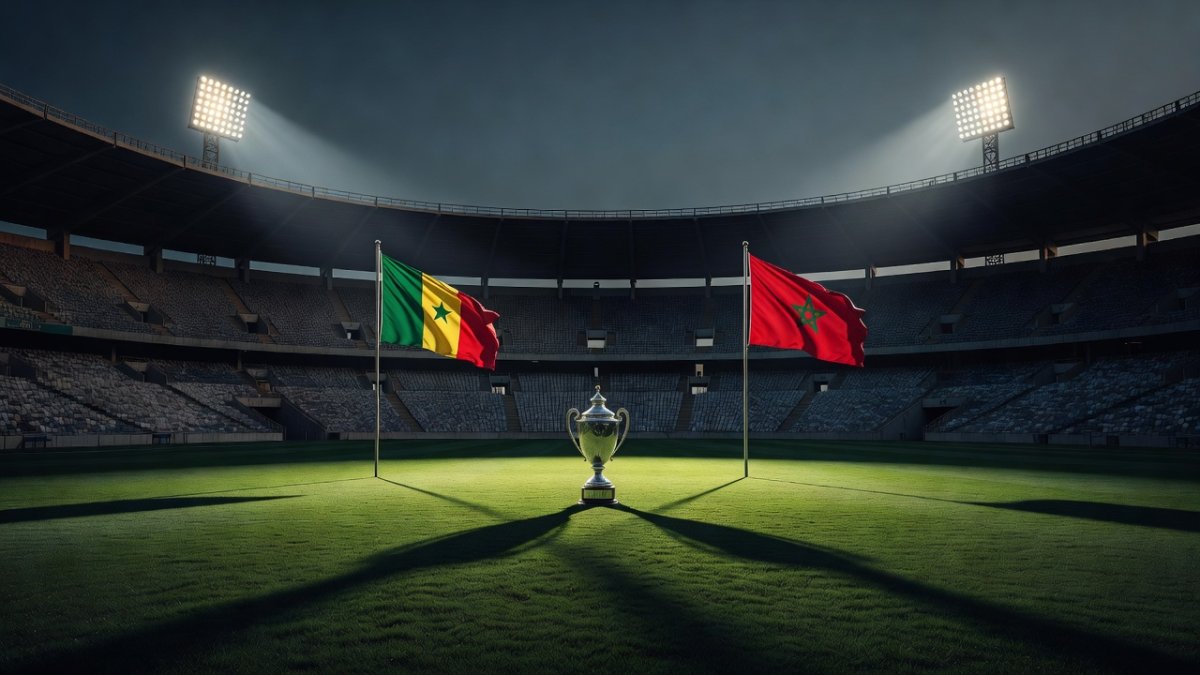
The Night Rabat Exploded: The AFCON Final That Changed Everything
The AFCON 2025 final took place on January 18 2026 at the stadium in Rabat where Morocco hosted the tournament. Senegal beat Morocco 1-0 after extra time when Pape Gueye scored the decisive goal. The match stopped for 14 minutes after Senegal players walked off following a VAR-awarded penalty to Morocco in the eighth minute of stoppage time. Congolese referee Jean-Jacques Ndala gave the spot-kick after reviewing Brahim Diaz's challenge on El Hadji Malick Diouf. Morocco missed the penalty and an Ibrahim Sarr goal was disallowed for a foul in the second minute of stoppage time.
Some Senegalese fans entered the pitch during the protest. Moroccan police arrested 18 of them and courts later handed down sentences between three months and one year plus fines reaching 45 000 dirhams. Morocco coach Walid Regragui immediately called the entire match a shame for African football. These events set the stage for the governance crisis that followed.
The 2025 Africa Cup of Nations, hosted by Morocco, marked a significant moment for the continent's premier football tournament, with Rabat serving as one of the key venues showcasing modern infrastructure and passionate crowds. The atmosphere in the Moroccan capital was electric, blending vibrant celebrations of African football heritage with underlying tensions over officiating and competitive balance. Fans filled the stands with flags and chants, creating a cauldron of noise that amplified every decision on the pitch.
Senegal and Morocco's rivalry has long been intense, with previous encounters often decided by narrow margins and dramatic moments that fueled national pride on both sides. The walk-off protest by Senegal emerged as both a tactical statement against perceived injustices and an emotional release, highlighting frustrations that had built throughout the match. This action echoed historic football protests, such as the 1969 walk-off by the Soviet Union in a World Cup qualifier or the 2010 protest by the Togo team over organizational issues, underscoring how players sometimes use such gestures to challenge authority.
Broader concerns about host nation advantages loomed large during the tournament, with critics pointing to scheduling, venue selections, and referee appointments that could tilt the scales. In Rabat, these issues came to a head, raising questions about fairness in a competition meant to unite the continent.
CAF's Bombshell: Article 82 and the Forfeit Verdict
CAF first fined the Senegalese Football Federation more than one million dollars and banned coach Papa Thiaw from the touchline. Several players from both teams received competition bans limited to African tournaments. Morocco's FRMF was fined 100 000 dollars after ball boys tried to take a towel from Senegal goalkeeper Edouard Mendy. Morocco appealed the result straight away but the initial appeal was dismissed.
On March 18 2026 the CAF Appeal Board overturned the result two months after the final. They applied Article 82 of the tournament regulations and declared that Senegal leaving the field meant an automatic forfeit. Morocco received a 3-0 win and were crowned African champions for the first time since 1976. This stripped Senegal of what would have been their second title after 2021.
Article 82 of the CAF disciplinary code addresses player and team conduct during matches, including protests that disrupt proceedings, and its application here came after a two-month review period involving extensive evidence gathering and consultations. Legal arguments centered on whether the walk-off constituted a breach of tournament rules or a legitimate expression of grievance, with Senegal's representatives citing procedural irregularities in officiating as mitigating factors. The delay allowed for detailed submissions from both federations before a final ruling was issued.
CAF President Patrice Motsepe maintained a measured silence during the initial stages, focusing instead on behind-the-scenes diplomacy, while FIFA President Gianni Infantino publicly condemned the walk-off as detrimental to the sport's integrity. The timeline of the disciplinary process included an initial hearing in February 2026, followed by appeals and expert reviews that culminated in the bombshell decision. This precedent now looms over future tournaments, potentially discouraging similar protests while inviting scrutiny of CAF's enforcement consistency.
Senegal Fights Back: Government, FA and Players United
The Senegalese Football Federation condemned the ruling as unfair unprecedented and unacceptable. Secretary-General Abdoulaye Seydou Sow stated the federation would not back down because the law stood on their side and the decision rested on no legal basis. The Senegal government demanded an independent international investigation into suspected corruption inside CAF.
Defender Moussa Niakhate posted on Instagram holding the trophy with the words Come and get it. Left back El Hadji Malick Diouf wrote that the trophy was not going anywhere. Legendary coach Claude Le Roy noted that no one could have imagined such a statement two months after the final and that CAF had flouted refereeing decisions for years. The federation lodged an appeal at the Court of Arbitration for Sport in Lausanne where the process is expected to last one year and remains pending as of July 2026.
Morocco's Pyrrhic Victory and Regragui's Exit
Walid Regragui resigned as Morocco coach after heavy criticism over the AFCON handling. Mohamed Ouahbi took over the national team. Morocco now prepare for the 2026 World Cup as African champions subject to the CAS outcome. Both Senegal and Morocco qualified for that World Cup and Morocco have already reached consecutive quarter-finals at the tournament.
The title change gives Morocco extra prestige on the global stage yet the manner of the award has left many observers questioning the legitimacy of the crown. Regragui's departure shows how quickly the controversy damaged even the winning side's internal stability.
What This Means for African Football Governance
The March 18 decision exposed deep flaws in how CAF enforces its own rules after matches end. Applying Article 82 two months later created a precedent that any future protest could trigger title reversals long after fans have gone home. This uncertainty damages the credibility of every CAF competition from qualifiers to the Nations Cup itself.
African federations now face pressure to demand clearer timelines for appeals and independent oversight of disciplinary panels. Without reform the sport risks losing trust from players sponsors and governments that fund national teams across the continent.
Senegal's government swiftly called for a corruption investigation into the handling of the match and subsequent sanctions, spotlighting potential irregularities in referee assignments and decision-making processes. This development draws parallels to past CAF controversies, notably the Renaissance du football africain initiative under former president Ahmad Ahmad, which was marred by allegations of mismanagement and financial opacity that eroded trust across member associations.
Structural issues with CAF's appeals process, including limited transparency and lengthy timelines, have long hampered effective resolution of disputes. Reforms are urgently needed, such as independent oversight panels and clearer guidelines for protests, to restore credibility. The fallout has already impacted sponsorship and investor confidence, with several corporate partners expressing hesitation over associating with a body perceived as unstable, potentially slowing development initiatives across African leagues.
The South African Perspective: Motsepe Under the Microscope
CAF President Dr Patrice Motsepe a South African faces direct questions about leadership after the Senegal ruling. SAFA maintains close ties with CAF through Motsepe's foundation yet the controversy highlights ongoing concerns about transparency in African football administration. South African fans have lived through their own governance struggles at SAFA and the PSL and they recognise the same warning signs here.
Bafana Bafana's participation at the 2026 World Cup depends on a clean continental image. When CAF decisions appear arbitrary they hurt every African nation's reputation including South Africa's. The ripple effects could influence how future tournaments are hosted and officiated across the continent.
Patrice Motsepe, the mining billionaire who has led CAF since 2021, brings a business-oriented approach to African football governance, leveraging his wealth and networks to secure funding deals. SAFA's relationship with him remains collaborative yet cautious, as the South African association navigates its own domestic priorities while aligning with continental directives. The Motsepe Foundation has played a key role in grassroots development, funding youth academies and infrastructure projects that have boosted participation in underserved communities.
South Africans have viewed the controversy with a mix of disappointment and introspection, often drawing comparisons to SAFA's ongoing governance challenges, including administrative delays and funding disputes. The PSL has adopted a neutral stance publicly, emphasizing the need for stability to protect league interests. This episode serves as a reminder of the interconnected nature of African football politics, where national perspectives like South Africa's highlight both opportunities for reform and persistent hurdles.
What Happens Next: CAS, the World Cup, and the Future
The CAS appeal in Lausanne will decide whether Senegal regain the title or Morocco keep the 3-0 forfeit result. A ruling is unlikely before the 2026 World Cup begins so both teams will compete under the current status. Senegal continue to train and prepare while holding the physical trophy.
Whatever the outcome the case has already forced CAF to confront its disciplinary processes. South African supporters and administrators alike will watch closely because stronger governance on the continent ultimately lifts every national team including Bafana Bafana. The next twelve months will test whether African football can restore faith in its institutions.
By Dante Williams, Staff WriterThis article was produced with AI-assisted research and editorial support. Reporting is based on sources cited in the article.
What's Your Reaction?
 Like
0
Like
0
 Dislike
0
Dislike
0
 Love
0
Love
0
 Funny
0
Funny
0
 Wow
0
Wow
0
 Sad
0
Sad
0
 Angry
0
Angry
0

Breaking News and Investigations Correspondent at Global1.News. Based in London, covering global breaking news, security, and investigative stories. Known for digging deeper and connecting the dots across continents.










Comments (0)