
Sixth Night of Strikes: US Hits Iran, Civilian Sites Hit
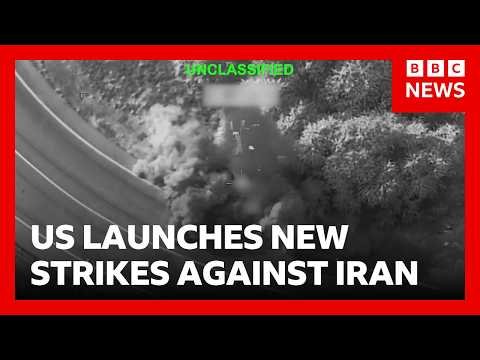
In a recent BBC News report, the escalation between Washington and Tehran reached a new and dangerous phase as the United States launched a sixth consecutive night of air strikes against Iran, and Tehran accused American forces of deliberately hitting civilian infrastructure.
In a recent BBC News report, the escalation between Washington and Tehran reached a new and dangerous phase as the United States launched a sixth consecutive night of air strikes against Iran, and Tehran accused American forces of deliberately hitting civilian infrastructure.
US and Iran Trade a Sixth Night of Strikes as Civilian Infrastructure Comes Under Fire
London — 17 July 2026 — The expanding conflict over the Strait of Hormuz has entered a dangerous new phase, with Washington launching a sixth consecutive wave of air strikes against Iranian targets and Tehran accusing American forces of deliberately hitting civilian sites.
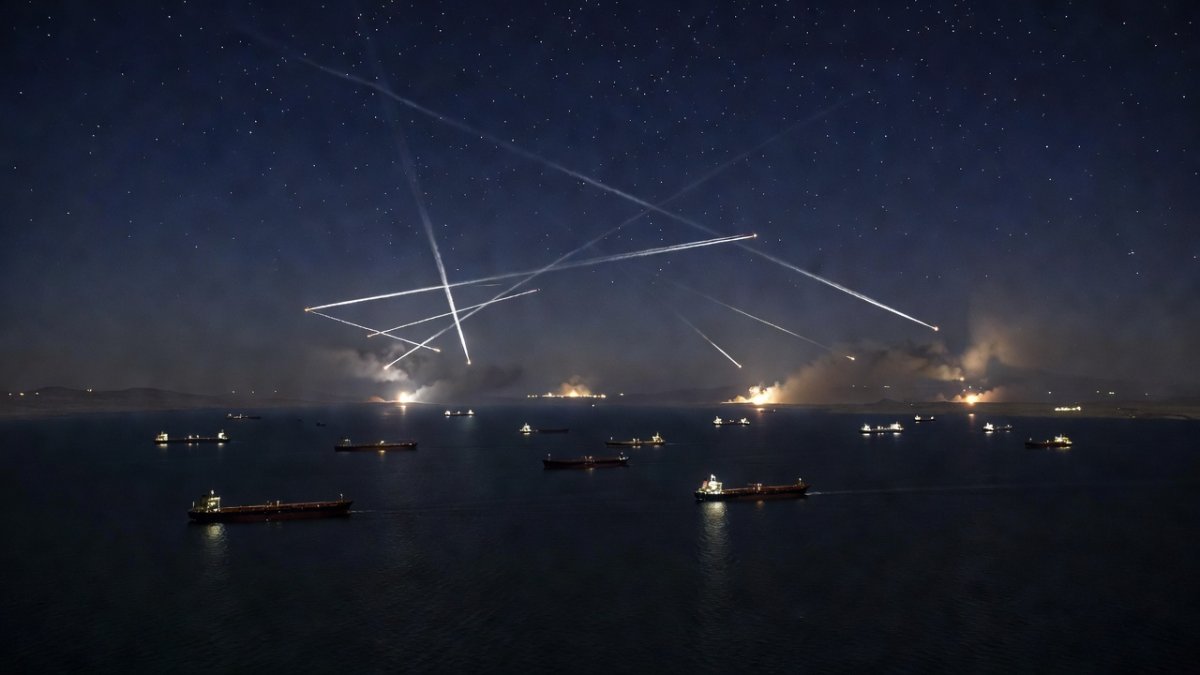
The Sixth Night of Strikes
For the sixth night running, US forces carried out extensive air strikes against targets across Iran. US Central Command said the attacks were intended to "further degrade Iranian military capabilities," though it declined to provide a specific list of targets. Iranian state media and provincial authorities reported that the strikes hit Iranshahr Airport in the country's south-east, a railway station, and at least six bridges in the strategic Hormozgan province.
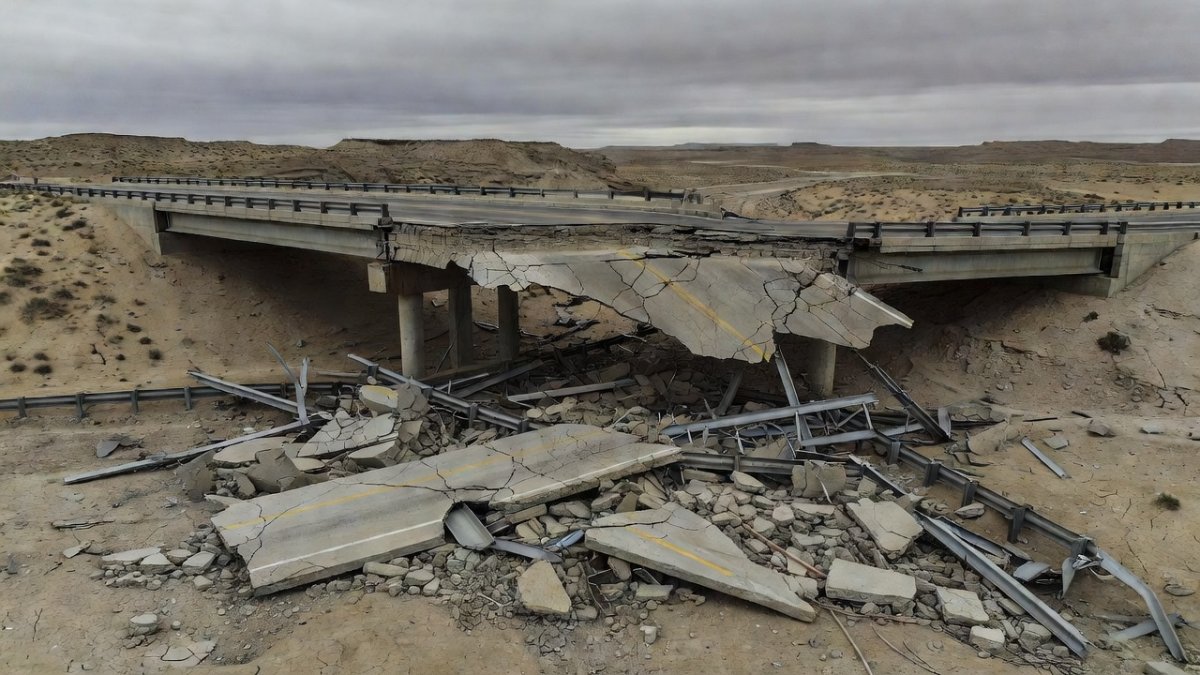
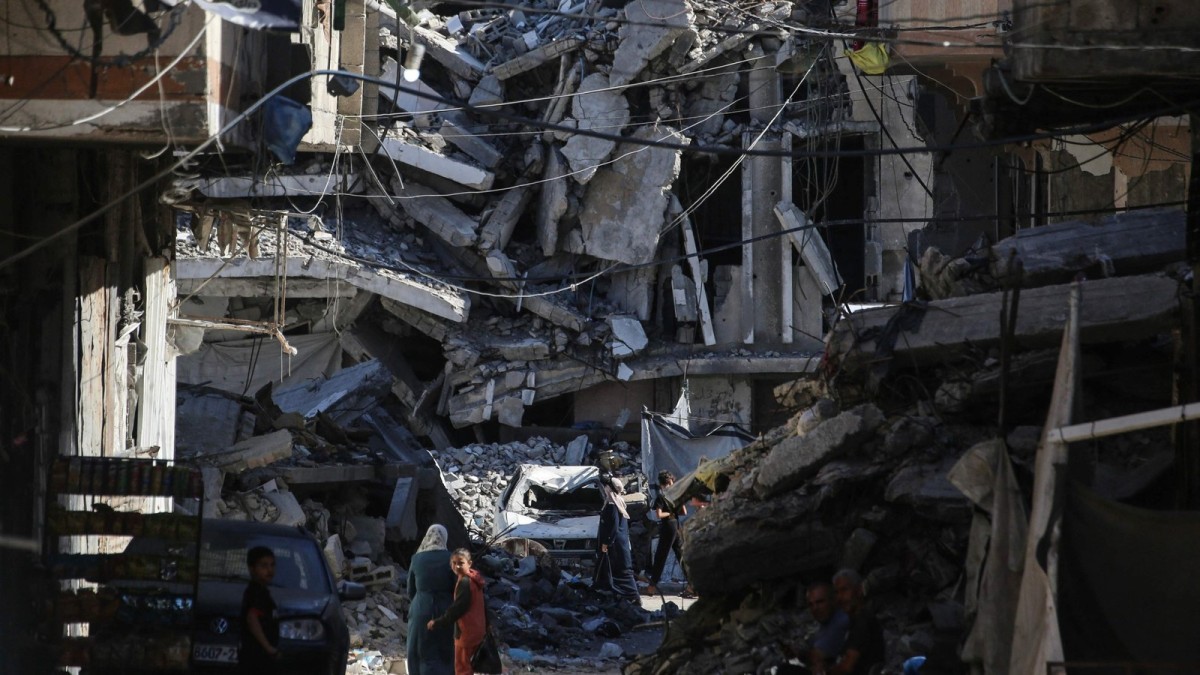
BBC Verify and BBC Persian have confirmed the damage to the Gariveh Bridge, where night footage captured a ball of flame erupting on the structure. Daylight images reveal a crumbled stretch of road with rubble scattered around the broken bridge — the kind of infrastructure damage that raises immediate questions about the distinction between military and civilian targets in this expanding conflict.
Provincial authorities in Hormozgan confirmed that seven people were killed in the strikes, though it remains unclear whether the casualties were military personnel or civilians. Centcom had nothing to add beyond its initial statement.
Civilian Infrastructure Under Fire
Iranian authorities have accused the United States of deliberately targeting civilian infrastructure during the latest round of strikes. State media outlets reported hits on Iranshahr Airport, a railway station, and multiple bridges across Hormozgan province, describing these as essential links for local communities rather than purely military assets. President Donald Trump had threatened in April to bomb bridges and power plants, a statement that Iranian officials now cite as evidence of intent to disrupt daily life for ordinary citizens.
UN human rights chief Volker Türk stated that "deliberately attacking civilians and civilian infrastructure is a war crime," underscoring the legal concerns raised by these strikes. Provincial authorities in Hormozgan reported seven deaths, though the precise status of the victims remains unconfirmed. The targeting of dual-use facilities such as airports, railways, and bridges carries significant strategic weight because these assets support both military logistics and civilian movement of goods and people.
For residents in south-eastern Iran, the destruction of the Gariveh Bridge and similar structures disrupts access to markets, medical services, and fuel supplies. Iranian officials argue that such strikes extend the humanitarian toll beyond battlefield objectives, affecting families who rely on these routes for survival. International observers note that the pattern aligns with earlier warnings from Trump, raising questions about whether the campaign has shifted toward broader economic pressure on the Iranian population. Humanitarian agencies have highlighted the risk of cascading effects on water access and food distribution in affected provinces, drawing comparisons to infrastructure targeting in earlier Middle East campaigns that produced prolonged civilian hardship. Legal scholars interpret the strikes as testing the boundaries of proportionality under international humanitarian law, noting that dual-use assets have historically invited scrutiny from bodies such as the International Criminal Court when civilian harm appears foreseeable. China has voiced concern through diplomatic channels, framing the attacks as a destabilizing precedent that could erode norms protecting critical civilian networks in future conflicts.
Iran's Retaliation — The IRGC Strikes Back
The Islamic Revolutionary Guard Corps responded to the US strikes by targeting American-linked facilities across the region. The IRGC stated that it struck US maritime surveillance radar sites in Oman as well as installations in Kuwait and Bahrain. Kuwaiti authorities confirmed that Iranian projectiles damaged power generation and water desalination stations, leaving parts of the country facing temporary shortages.
The IRGC further claimed an attack on a US special operations command center at al-Tanf in Syria. Neither Syria nor the United States has issued any comment on that specific allegation. By striking facilities in multiple Gulf states, the IRGC has expanded the geographic reach of the conflict and demonstrated its capacity to hit US partners directly.
These moves signal Tehran's strategy of raising costs for Washington’s regional allies rather than confronting US forces head-on. The involvement of Oman, Kuwait, and Bahrain illustrates how the fighting now touches critical infrastructure that supports both military operations and civilian populations. Analysts view the IRGC’s choices as an attempt to deter further escalation by showing that any sustained US campaign will carry consequences for neighboring states hosting American assets.
The Strait of Hormuz — A Chokehold on Global Energy
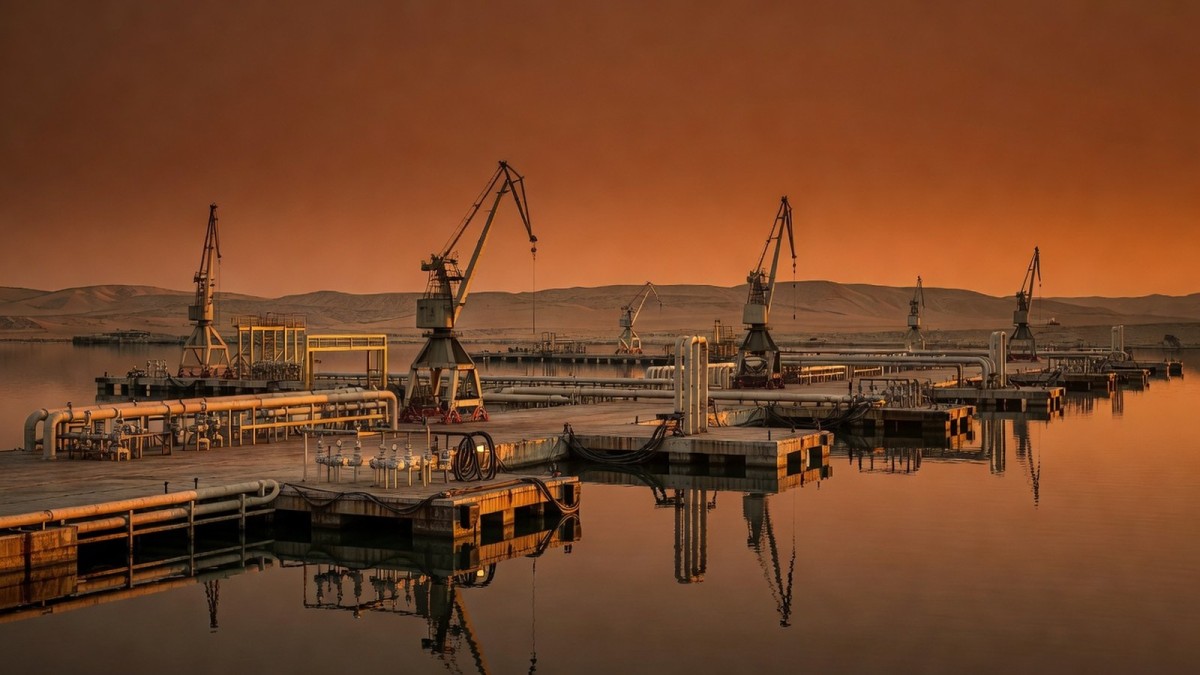
The Strait of Hormuz has remained shut throughout the war, blocking the waterway through which a fifth of the world’s oil and LNG previously transited. This closure has removed a major artery for global energy supplies and forced importers in East Asia and Europe to seek alternative sources at higher cost. IEA Executive Director Fatih Birol warned, “We should be worried, and I am worried, if the situation does not improve in the next few weeks.”
The prolonged blockade has already tightened supply chains and contributed to upward pressure on energy prices. Countries dependent on Gulf exports now face longer shipping routes and increased insurance premiums. The disruption also affects liquefied natural gas deliveries, compounding challenges for power generation in several regions.
From Moscow’s perspective, the crisis offers potential advantages. Higher global oil prices could strengthen Russia’s export revenues and improve its leverage in energy negotiations with European and Asian buyers. Kremlin officials have so far avoided direct comment, yet the situation positions Russia as a beneficiary of sustained instability in the Gulf. This dynamic adds another layer to the broader geopolitical contest, as energy security concerns intersect with great-power competition. Japan and South Korea, which together import over 70 percent of their crude from the Gulf region, now confront sharply elevated spot-market prices and extended voyage times around the Cape of Good Hope. Indian refiners have reported similar strains, with state-owned firms accelerating purchases from alternative suppliers in Latin America and West Africa while lobbying New Delhi for strategic reserves releases. Energy analysts interpret these pressures as accelerating a broader shift toward diversified supply chains, though the immediate effect has been to reinforce Russia’s position as a reliable alternative exporter to Asian buyers seeking to hedge against further Gulf volatility.
The Collapse of the Ceasefire
The United States and Iran reached a ceasefire agreement in June, yet peace talks quickly stalled. President Trump declared the ceasefire over last week and ordered the re-imposition of a naval blockade on Iranian ports. The UK Maritime Trade Operations reported that a tanker was struck by an unknown projectile near Khasab, Oman on Thursday, though all crew members remained safe.
Fundamental disagreements undermined the negotiations. Tehran sought sanctions relief and an end to military strikes, while Washington demanded that Iran abandon its nuclear program and cease threats to close the Strait of Hormuz. Neither side showed willingness to compromise on these core positions, leaving the diplomatic track without momentum.
The return to hostilities has now produced six consecutive nights of US strikes and Iranian retaliation across multiple countries. The naval blockade adds economic pressure on Iran while increasing risks for commercial shipping in the Gulf. Observers note that the absence of progress in talks reflects deep mistrust and incompatible strategic goals that continue to drive the conflict forward. The breakdown occurred shortly after an initial framework was initialed in Geneva, when Washington introduced additional preconditions concerning ballistic-missile limits that Tehran viewed as non-negotiable. Iranian negotiators walked out after the United States rejected a phased sanctions-easing schedule tied to verified nuclear steps, a sequence that had been floated in earlier Oman-mediated contacts. Diplomatic historians draw parallels to the 2019–2020 period, when similar sequencing disputes derailed back-channel efforts and contributed to the collapse of the JCPOA framework.
Analysis — A Dangerous Escalation
The sixth night of strikes indicates that the United States has chosen continued escalation over restraint. By striking dual-use infrastructure, Washington risks legal and diplomatic isolation, as highlighted by Volker Türk’s remarks on war crimes. At the same time, Iran’s ability to retaliate against US partners in Oman, Kuwait, and Bahrain demonstrates that the conflict is not one-sided and can spread quickly beyond Iranian territory.
Global energy markets face mounting fragility. Fatih Birol’s warning from the IEA underscores the wider economic stakes for importers worldwide. Russia stands to gain from elevated oil prices, giving Moscow an indirect stake in prolonged tension even as it avoids direct involvement.
Pathways for de-escalation remain narrow. Neither side has signaled readiness to return to the table under current conditions. The question now is whether a seventh night of strikes will follow or whether external pressure from energy markets and international organizations can force a pause. The coming days will determine whether this trajectory leads to wider regional war or eventual negotiated restraint. Potential outcomes range from a contained war of attrition that raises long-term energy costs to a broader regional conflagration drawing in additional actors. Russia’s geostrategic positioning benefits from the distraction of Western attention away from Ukraine, allowing Moscow to deepen energy ties with China and India while portraying itself as a stabilizing alternative supplier. Comparisons to earlier US interventions in Iraq and Libya suggest that infrastructure-focused campaigns can produce extended reconstruction challenges and diplomatic friction, though the current Strait of Hormuz dimension introduces unique global economic multipliers absent in those precedents.
By Irina Volkov, Staff Writer
This article was produced with AI-assisted research and editorial support. Reporting is based on sources cited in the article.
What's Your Reaction?
 Like
0
Like
0
 Dislike
0
Dislike
0
 Love
0
Love
0
 Funny
0
Funny
0
 Wow
0
Wow
0
 Sad
0
Sad
0
 Angry
0
Angry
0

Russia/Eastern Europe Correspondent at Global1.News. Covering Russian politics, energy, security, and the shifting dynamics of the post-Soviet space. Provides clear-eyed analysis on one of the world's most opaque regions.











Comments (0)