
US Denies Hitting Iranian Civilian Infrastructure
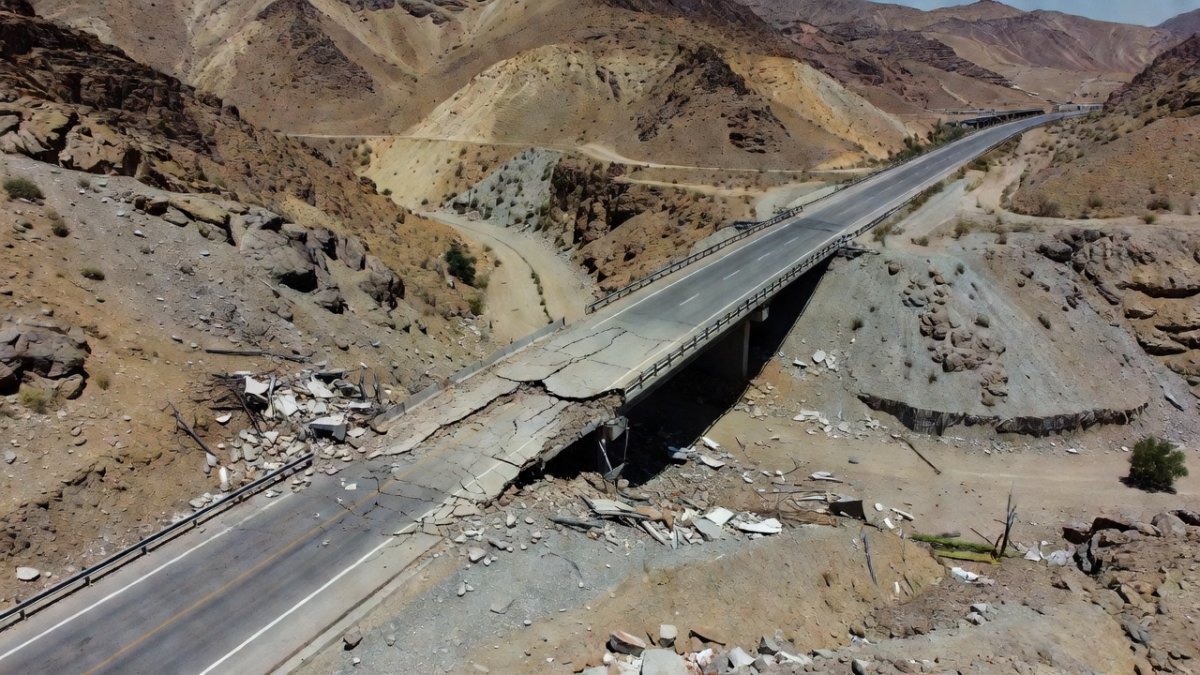
In a recent BBC News report, the United States has denied Iranian claims of striking civilian infrastructure in the latest wave of air strikes, even as BBC Verify confirmed damage to Gariveh Bridge in Hormozgan province through night footage of flames and daylight images of rubble.
In a recent BBC News report, the United States has denied Iranian claims of striking civilian infrastructure in the latest wave of air strikes, even as BBC Verify confirmed damage to Gariveh Bridge in Hormozgan province through night footage of flames and daylight images of rubble. The video titled "US denies hitting Iranian infrastructure in new wave of strikes | BBC News" captures the sharp divergence between Washington’s assertions and evidence gathered on the ground by reporters Toby Mann, Ghoncheh Habibiazad and Emma Pengelly. This denial arrives as the conflict enters its seventh week of active hostilities following the collapse of June ceasefire talks.
Washington vs Tehran: The Battle Over Civilian Infrastructure Intensifies
London – 18 July 2026 — The United States has forcefully rejected Iranian allegations that the latest wave of American air strikes deliberately targeted civilian infrastructure, insisting that all operations were directed against military objectives as the conflict enters its seventh consecutive week of active hostilities. Iranian state media and provincial authorities in Hormozgan reported strikes on Iranshahr Airport, a railway station and six bridges on Thursday night, with seven people killed according to local officials. BBC Verify independently confirmed damage to Gariveh Bridge, showing a ball of flames in night videos and crumbled road sections with rubble in daylight imagery. The White House spokesperson told the BBC that the US had “carried out strikes exclusively on military targets, including military logistics infrastructure,” while Centcom described the operations as intended to further degrade Iranian military capabilities without releasing a full target list.
What Was Hit: The Evidence on the Ground
Iran’s state media and provincial authorities stated that Iranshahr Airport, a railway station and six bridges in Hormozgan province were struck on Thursday night. BBC Verify confirmed damage specifically to Gariveh Bridge, with night videos capturing a ball of flames and daylight images revealing crumbled road sections and scattered rubble. Seven people were killed in Hormozgan according to provincial authorities. These reports form the core of Iranian accusations that civilian infrastructure was deliberately hit. Under international law, civilian objects lose protection if used to support the enemy’s war effort, a point the US has invoked to justify its targeting choices. Iranian officials maintain that the airport and bridges served no military function and were purely civilian assets. The evidence presented by BBC Verify adds independent verification to at least one site, increasing pressure on both sides to clarify the precise nature of the targets struck.
The White House spokesperson told the BBC the US had “carried out strikes exclusively on military targets, including military logistics infrastructure.” Centcom stated that the attacks were intended to further degrade Iranian military capabilities but did not provide a detailed target list. This legal framework allows civilian objects to lose protection when they support war efforts, creating room for differing interpretations of the same sites. Iranian state media described the strikes as indiscriminate, while US officials insist every target had a verified military connection. The absence of a public target list has left analysts reliant on Iranian footage and BBC Verify assessments to evaluate the claims. Both sides continue to present their versions without independent access to all strike locations.
A Precedent of Threats: Trump's Warning on Bridges and Power Plants
President Donald Trump previously threatened to hit Iranian bridges and power stations to force Tehran back to talks, a statement made in April that now shapes perceptions of the current campaign. That earlier warning established a public record of willingness to target infrastructure traditionally viewed as civilian. UN human rights chief Volker Turk stated that “deliberately attacking civilians and civilian infrastructure is a war crime,” directly referencing the risks of such threats being carried out. Iranian officials have cited Trump’s April remarks as evidence that the latest strikes align with a pre-existing plan rather than purely military necessity. The context of those threats has made it harder for the US to separate current operations from earlier rhetoric in the eyes of international observers. Analysts note that the April statement continues to influence how damage to bridges and airports is interpreted globally.
UN Secretary-General Antonio Guterres expressed concern about escalation and the broader humanitarian consequences of infrastructure strikes. International law requires distinction between military and civilian objects, yet Trump’s prior statements have placed even verified military strikes under heightened scrutiny. The US now operates in an environment where any damaged bridge or airport is viewed through the lens of those earlier threats. Guterres called for restraint and renewed dialogue to prevent further civilian harm. The combination of past rhetoric and present operations has widened the credibility gap between US assurances and Iranian accusations. International reactions continue to reference both the April threats and the current denial in equal measure.
The IRGC Strikes Back: A Regional Escalation
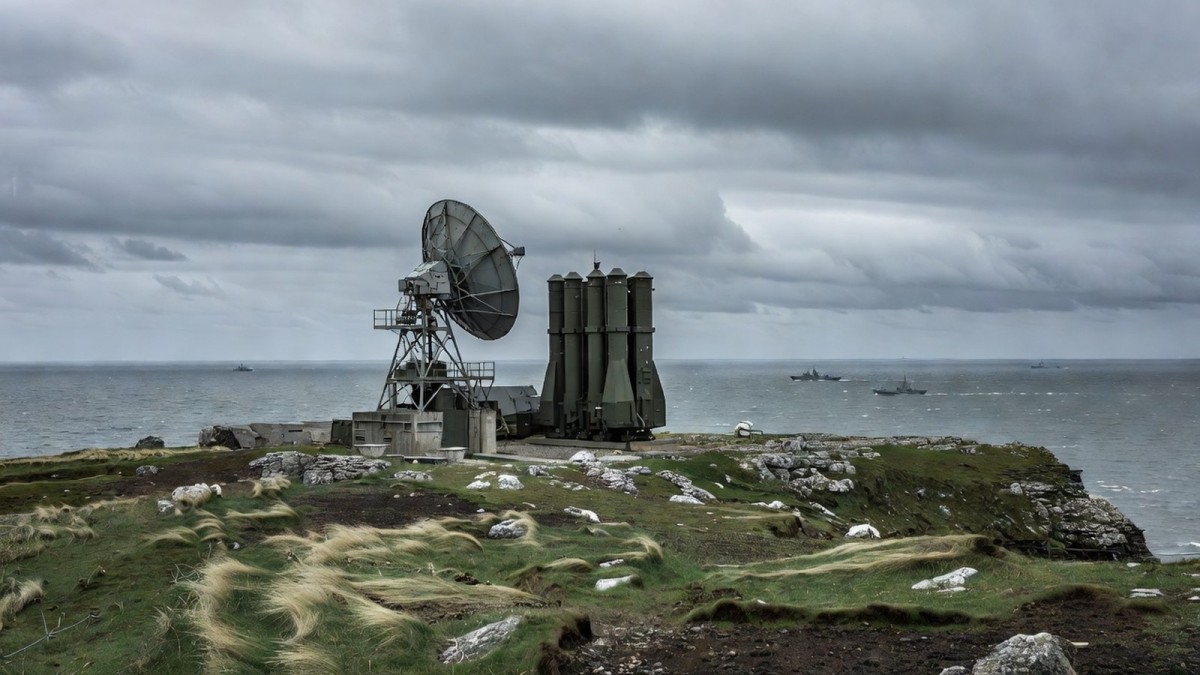
Iran’s Revolutionary Guard Corps retaliated by striking US maritime surveillance radar sites in Oman, targets in Kuwait and Bahrain, and a US special operations command centre at al-Tanf in Syria. Kuwait confirmed that Iranian strikes hit power generation and water desalination stations, wounding several Kuwaiti military personnel. Centcom reported that no US troops in the region had recently been killed or captured. The IRGC framed these actions as proportionate responses to the US air campaign. Six Arab countries are now directly or indirectly involved, widening the conflict beyond the original US-Iran confrontation. Syrian government sources have remained silent on the al-Tanf claim, leaving that aspect unverified by independent observers.
The regional dimension has drawn Gulf states deeper into the crisis, raising the risk of sustained involvement by additional actors. Kuwait’s confirmation of damage to civilian energy infrastructure mirrors the very accusations Iran levels against the US. Centcom’s denial of casualties has not reduced the political impact of the IRGC operations across multiple countries. The involvement of Oman, Kuwait, Bahrain and Syria illustrates how the conflict has expanded geographically. International observers, including the UN, have urged all parties to avoid further cross-border strikes that could entangle additional nations. The escalation has complicated diplomatic efforts already strained by the collapsed ceasefire.
The Strait of Hormuz: Energy War Beneath the Air Campaign
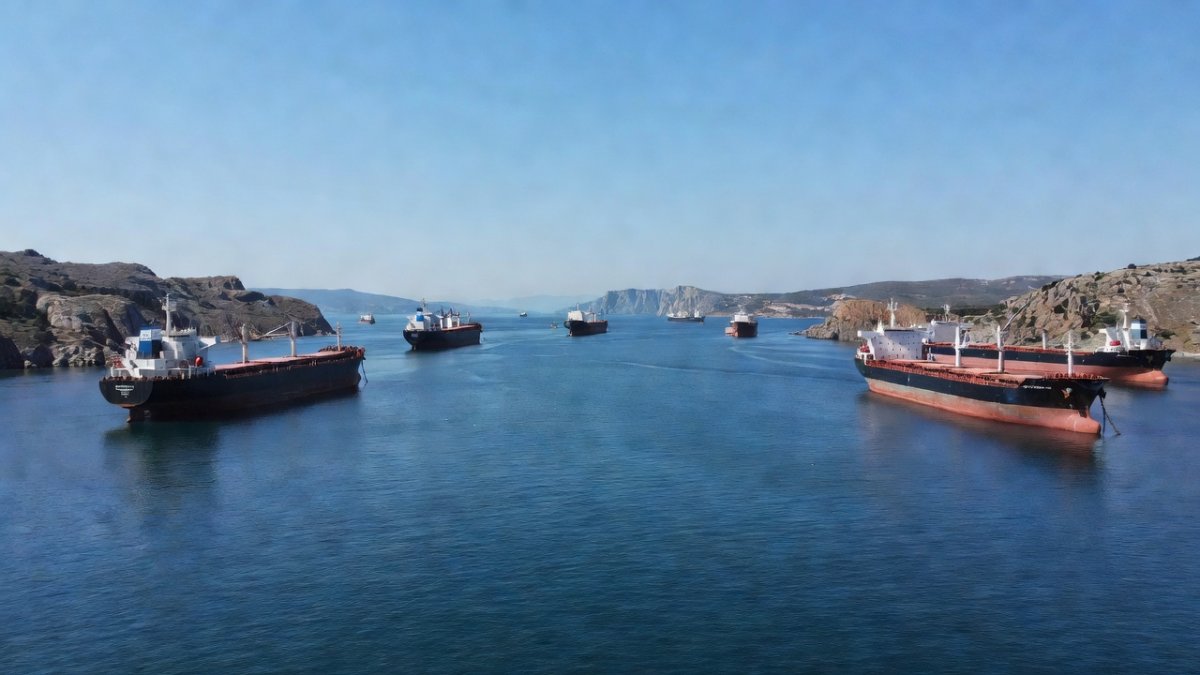
The Strait of Hormuz remains shut, blocking one-fifth of the world’s oil and LNG that used to transit through it. IEA Executive Director Fatih Birol stated, “We should be worried, and I am worried, if the situation does not improve in the next few weeks.” UK Maritime Trade Operations reported that a tanker was hit by an unknown projectile near Khasab in Oman on Thursday, though all crew members remained safe. The US has re-imposed a naval blockade of Iranian ports, tightening economic pressure on Tehran. Russia benefits from higher global oil prices as a major exporter, giving Moscow an economic stake in prolonged disruption while publicly calling for restraint. The blockade and closure have reshaped energy flows, forcing Europe and Asia to seek alternative supplies at greater cost.
Energy markets have entered a period of sustained turmoil comparable to the shocks of the 1970s. Europe’s jet fuel reserves stand at approximately six weeks, leaving limited buffer if the situation persists. The global cost of a prolonged blockade includes higher inflation, disrupted supply chains and increased geopolitical leverage for Russia and China. Fatih Birol’s warning underscores the narrow window before economic damage becomes irreversible. The US naval presence aims to enforce sanctions but also risks further Iranian retaliation in the waterway. International powers are now balancing energy security concerns with the need to prevent wider war.
The Collapsed Ceasefire: A Timeline of Broken Peace
The fighting began on 28 February with US-Israeli attacks that killed several Iranian officials including Supreme Leader Khamenei. A June ceasefire was largely observed despite sporadic Iranian attacks on oil tankers and limited US retaliatory strikes. Talks made no meaningful headway on core issues. President Donald Trump declared the ceasefire over last week, triggering the seventh consecutive night of strikes and the re-imposition of the naval blockade. Iranian officials accused the US of using the pause to prepare further infrastructure targeting. The rapid breakdown has left little room for renewed diplomacy in the immediate term.
Analysis — What Comes Next
The infrastructure denial creates a dangerous dynamic in which even verified military strikes are interpreted by Iran and much of the international community as evidence of civilian targeting. The credibility gap between US statements and on-the-ground damage is widening, reducing the effectiveness of future American assurances. With the Strait of Hormuz shut and energy markets in crisis, international pressure on both Washington and Tehran is intensifying. Russia benefits economically from elevated oil prices while calling for restraint, illustrating how the crisis reshapes the international order toward greater multipolar competition. China has urged de-escalation to protect its energy imports. The window for renewed diplomacy is narrowing as each side entrenches its position around infrastructure claims and energy leverage. Analysts suggest that without a clear mechanism to verify targets, accusations of war crimes will persist regardless of actual military intent.
By Irina Volkov, Staff Writer
This article was produced with AI-assisted research and editorial support. Reporting is based on sources cited in the article.
What's Your Reaction?
 Like
0
Like
0
 Dislike
0
Dislike
0
 Love
0
Love
0
 Funny
0
Funny
0
 Wow
0
Wow
0
 Sad
0
Sad
0
 Angry
0
Angry
0

Russia/Eastern Europe Correspondent at Global1.News. Covering Russian politics, energy, security, and the shifting dynamics of the post-Soviet space. Provides clear-eyed analysis on one of the world's most opaque regions.










Comments (0)