
Gaza Doctor Facing Death in Israeli Prison
Dr. Hussam Abu Safiya, 52, director of Kamal Adwan Hospital, has been detained by Israel without charge for over 18 months. His lawyer reports severe beatings and solitary confinement. Amnesty International and the UN warn his life is at imminent risk.
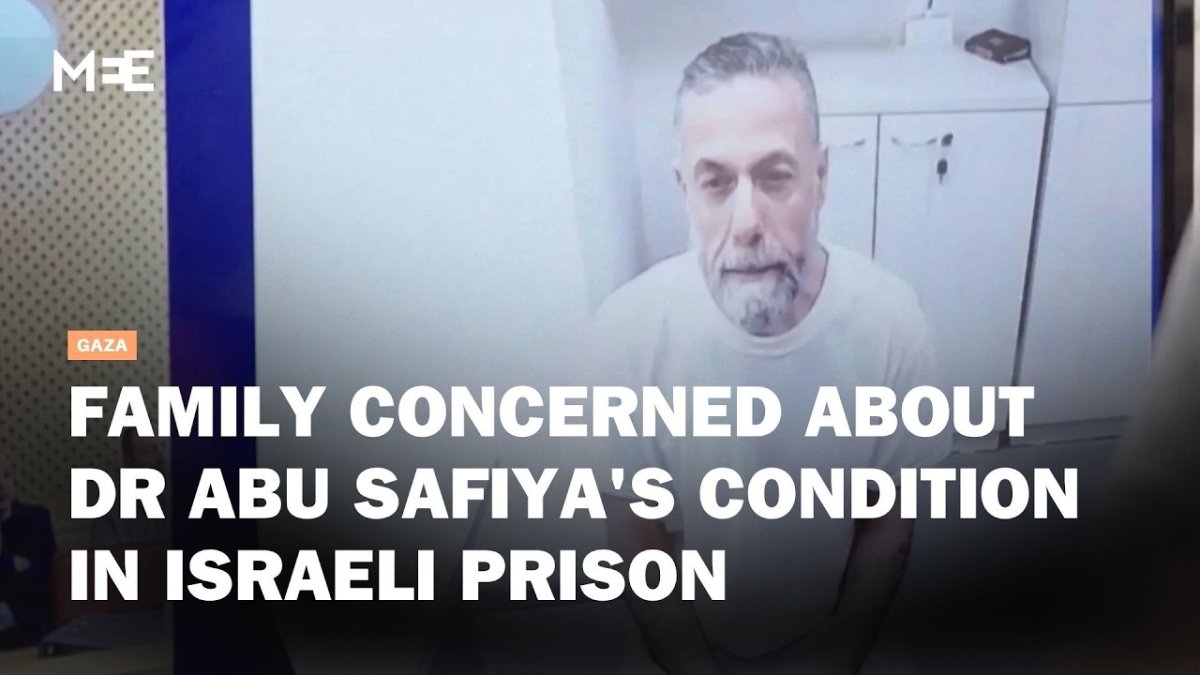
In a recent Middle East Eye video report, the family of Dr. Hussam Abu Safiya expressed deep fears for his survival after learning of his deteriorating condition in Israeli custody. The footage highlights their sense of isolation as they receive limited updates on the pediatrician who once led Kamal Adwan Hospital. Relatives describe feeling powerless while he remains held without charge.
Dr. Abu Safiya's 18-Month Detention Without Trial
Gaza City, Occupied Palestine — July 17, 2026 — Dr. Hussam Abu Safiya, 52, a Palestinian pediatrician and director of Kamal Adwan Hospital in northern Gaza, has been detained by Israeli authorities under the Unlawful Combatants Law since December 27, 2024. This places him in a category that allows holding without charge or trial for extended periods. His case has drawn attention from human rights groups monitoring conditions in Israeli facilities.
A Doctor's Final Words: 'They Brought Me Here to Kill Me'
During a visit by his lawyer Nasser Odeh on July 2, 2026, at the Rakefet interrogation facility, Dr. Abu Safiya stated that the meeting would be their last. He said the authorities had brought him there to kill him. The lawyer reported that severe injuries from beatings made recognition difficult. Dr. Abu Safiya has been held in solitary confinement at the Rakefet facility within Nitzan Prison since June 2026.
These statements emerged after documented incidents of physical abuse. Four to five prison guards reportedly beat him with hammers and metal batons ahead of a Supreme Court hearing. He also carries six pieces of shrapnel in his leg from a 2024 quadcopter attack and suffers from an enlarged heart linked to untreated high blood pressure.
From Healing to Torture: The Ordeal of Kamal Adwan's Director
Before his detention, Dr. Abu Safiya directed medical services at Kamal Adwan Hospital, providing pediatric care amid ongoing conflict in northern Gaza. His transition from treating children to facing reported beatings and denial of medical treatment illustrates the shift many medical workers experience under current policies. The Unlawful Combatants Law has enabled prolonged isolation without judicial review.
Physicians for Human Rights Israel filed a Supreme Court petition seeking his release on medical grounds. The state rejected the petition. This outcome aligns with patterns where health concerns receive limited consideration in such detentions. His condition includes both pre-existing injuries and new complications from reported abuse.
Kamal Adwan Hospital, established in the 1970s in Beit Lahia, has long served as the primary pediatric and general care facility for northern Gaza's roughly 1.2 million residents. During the intensified siege that began in October 2023, the hospital repeatedly operated without reliable electricity or fuel, relying on generators that frequently failed. World Health Organization reports from late 2024 documented over 400 attacks on Gaza health facilities, including repeated strikes on Kamal Adwan that damaged wards and killed staff.
On December 27, 2024, Israeli forces raided the hospital compound, detaining Dr. Abu Safiya along with other medical personnel. Eyewitness accounts collected by local health workers described the removal of patients from beds and the destruction of remaining medical supplies. These events occurred against a backdrop of sustained restrictions that had already reduced the hospital's capacity to fewer than 50 functional beds.
The pattern of targeting hospital leadership reflects documented pressure on Gaza's health infrastructure. WHO data indicate that more than 800 healthcare workers were killed between October 2023 and mid-2026, with hundreds more detained. Dr. Abu Safiya's case fits within this wider record of facilities losing experienced directors while facing acute shortages of medicines and equipment.
'Abandoned and Left to Die': The Family's Plea
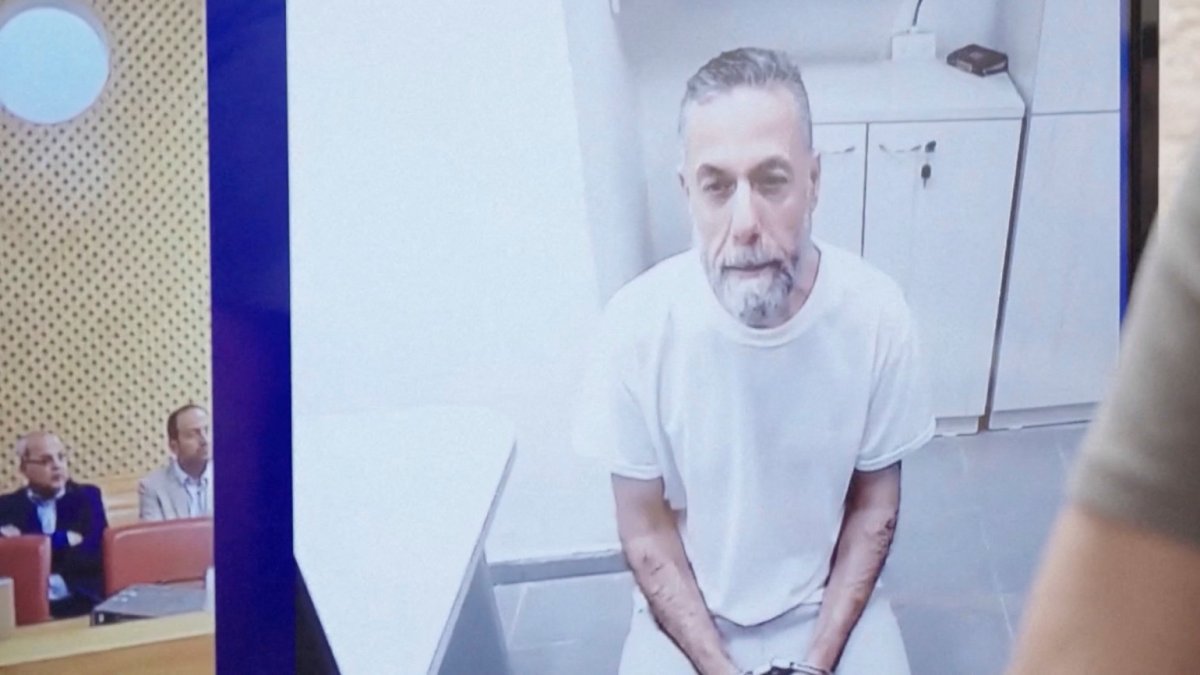
Dr. Abu Safiya's son Elias told Middle East Eye that the world clearly does not see Palestinians as human beings. The family has voiced feelings of being abandoned and left to die, with minimal access to information or intervention. A Middle East Eye report from July 8 detailed these sentiments amid the lack of updates from authorities.
The BBC interviewed lawyer Nasser Odeh on July 7, amplifying the family's account of the July 2 visit. These public statements underscore the emotional toll on relatives in Gaza who navigate both personal loss and restricted movement. Local communities in northern Gaza continue to reference the hospital's role in daily life before its director's removal.
International Condemnation Mounts
Amnesty International's Erika Guevara Rosas stated on July 6 that the conditions are truly horrifying and that Dr. Abu Safiya's life faces imminent risk. The UN OHCHR Independent Commission reported on July 8 that the documented abuses likely amount to international crimes. These assessments draw from lawyer accounts and medical indicators such as the enlarged heart and untreated shrapnel wounds.
Derek Summerfield of King's College London has described torture as very much an everyday matter in Israel. Such observations place the case within broader discussions of detention practices affecting Palestinians. Organizations continue to track similar reports from other facilities.
The UN Commission of Inquiry report of July 8 explicitly referenced patterns of prolonged solitary confinement, denial of medical care, and physical violence against detainees held under the Unlawful Combatants Law. It stated that such practices, when applied systematically, may constitute war crimes and crimes against humanity. The Commission called for immediate independent medical access to all detainees, including Dr. Abu Safiya.
Amnesty International launched a targeted campaign in early July 2026 urging member states to press for Dr. Abu Safiya's release on humanitarian grounds. The organization highlighted his documented heart condition and shrapnel injuries as evidence that continued detention violates standards on the treatment of prisoners. Similar calls have been made for at least 15 other Gaza physicians currently held without charge.
These international statements build on earlier documentation of medical workers detained since October 2023. Human rights monitors have recorded cases involving surgeons, nurses, and administrators from multiple northern Gaza hospitals, many held under the same legal framework applied to Dr. Abu Safiya.
Israel's Legal Defense and the Unlawful Combatants Law
Israel's government stated on July 10, as reported by Haaretz, that it denies Dr. Abu Safiya's life is in danger. The Israel Prison Service has rejected all allegations of abuse. These positions rest on the framework of the Unlawful Combatants Law, which permits administrative detention without standard criminal proceedings.
PHRI's petition highlighted medical needs, yet the state maintained its stance. This legal approach has sustained the detention beyond 18 months. Officials have not provided public details on specific charges or evidence in this instance.
The Systematic Targeting of Gaza's Medical Personnel
Dr. Abu Safiya's experience connects to wider reports of pressure on Gaza's health sector. Hospitals like Kamal Adwan have operated under repeated constraints, with directors and staff facing detention or restricted access. The combination of physical injuries, solitary confinement, and denied treatment reflects patterns noted by monitoring groups.
Northern Gaza communities rely on such facilities for pediatric and general care amid displacement and conflict. The removal of experienced directors disrupts continuity in services that residents have depended upon for years. International observers link these detentions to efforts affecting medical infrastructure.
World Health Organization figures compiled through June 2026 record 1,057 healthcare workers killed in Gaza since October 2023 and at least 310 detained. These numbers represent roughly one-third of the territory's pre-war medical workforce. The resulting loss has left hospitals unable to maintain basic surgical and pediatric services, with northern facilities particularly affected.
Under the Fourth Geneva Convention, medical personnel and facilities are entitled to special protection during armed conflict. Attacks on hospitals and the detention of doctors without due process contravene these provisions. Monitoring groups have noted that such violations compound the collapse of Gaza's health system, where even surviving facilities lack sufficient staff to treat chronic conditions or war-related injuries.
The cumulative effect extends beyond individual cases. With senior physicians removed, training programs for younger doctors have stalled, and referral pathways for complex pediatric cases have broken down. Communities in northern Gaza now face longer travel distances for care that was previously available locally.
What This Means for Palestinians
The case of Dr. Hussam Abu Safiya illustrates the human impact of prolonged detention policies on individuals and families in Palestine. With over 18 months without charge, the situation raises questions about due process and medical access under occupation. Local economies and social structures in Gaza already strained by conflict face additional burdens when medical leaders are held.
Continued monitoring by groups such as Amnesty International and the UN OHCHR provides external documentation. Palestinian residents in affected areas maintain daily routines while advocating for accountability. The lawyer's account and family statements remain central to understanding the immediate circumstances.
Families of detained medical workers describe sustained psychological strain marked by uncertainty and restricted access to information. Relatives in Gaza report difficulty concentrating on daily survival tasks while awaiting any word on the health or location of loved ones held in Israeli facilities.
Detaining physicians without charge conveys a broader signal that professional roles offering care to civilians do not confer protection. This message reaches communities already coping with damaged infrastructure and limited services, reinforcing perceptions that essential support systems are being dismantled.
The erosion of Gaza's healthcare capacity continues through the absence of experienced personnel. Remaining staff operate under increased workloads, while patients with conditions once managed locally must now seek care farther away or forgo treatment altogether. These developments affect long-term prospects for recovery in affected areas.
By Fatima Al-Rashid, Staff WriterThis article was produced with AI-assisted research and editorial support. Reporting is based on sources cited in the article.
What's Your Reaction?
 Like
0
Like
0
 Dislike
0
Dislike
0
 Love
0
Love
0
 Funny
0
Funny
0
 Wow
0
Wow
0
 Sad
0
Sad
0
 Angry
0
Angry
0

Gulf/MENA Correspondent at Global1.News. Based in Doha, covering Gulf politics, energy markets, diplomacy, and development across the Middle East and North Africa. Tracks the economic transformation of the Gulf states.











Comments (0)