
Andy Burnham Crowned Labour Leader, Set to Become PM Monday
Andy Burnham’s uncontested coronation as Labour leader at a special conference in London marks the latest chapter in a decade of Westminster turbulence that has already delivered six prime ministers since 2016. With Keir Starmer’s resignation following May’s local election rout, the party has turned to the former Greater Manchester mayor to stabilise its ranks before Monday’s audience with King Charles III.
Andy Burnham Becomes Labour Leader in Uncontested Vote, Prepares to Enter No 10 on Monday London, UK – July 17, 2026
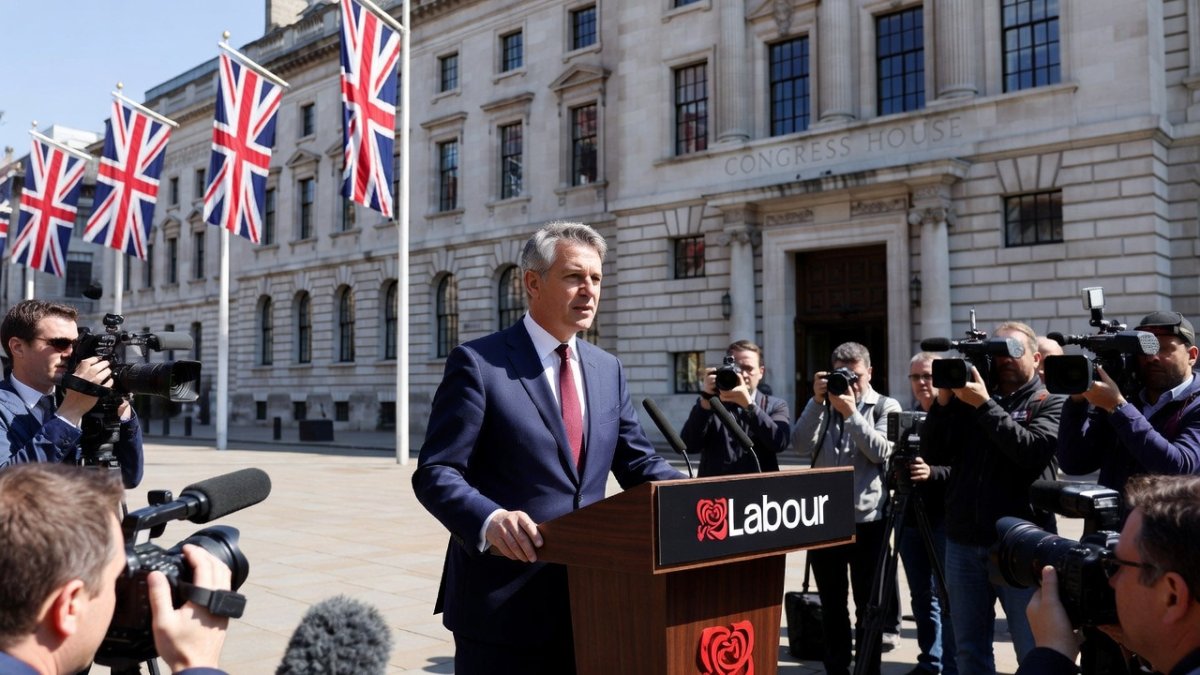
The Leadership Result at Congress House
Shabana Mahmood, the current Home Secretary, announced the outcome at Congress House on Friday afternoon. Burnham secured the backing of 379 Labour MPs, every affiliated trade union and all but 24 members of the parliamentary party. The result was described by Mahmood as "hardly a nailbiter". The special conference, held under the shadow of the TUC headquarters, formalised a transition that began when Starmer resigned last month after Labour suffered heavy losses in English council elections and faced open rebellion from backbenchers.
Burnham's Speech and Political Vision
In his acceptance address Burnham declared the moment "the most significant change moment in our politics for 40 years". He pledged to end the factional infighting that has dogged the party since 2015 and promised a return to the Labour values that once defined "forgotten places everywhere up and down this country". The new leader criticised the "series of wrong-turns in the 1980s" and called for "the courage to fix the big things that politics has neglected". He positioned himself as a leader "for all" of the United Kingdom, explicitly distancing the party from the internal warfare that contributed to Starmer's downfall.
The Transition to Prime Minister
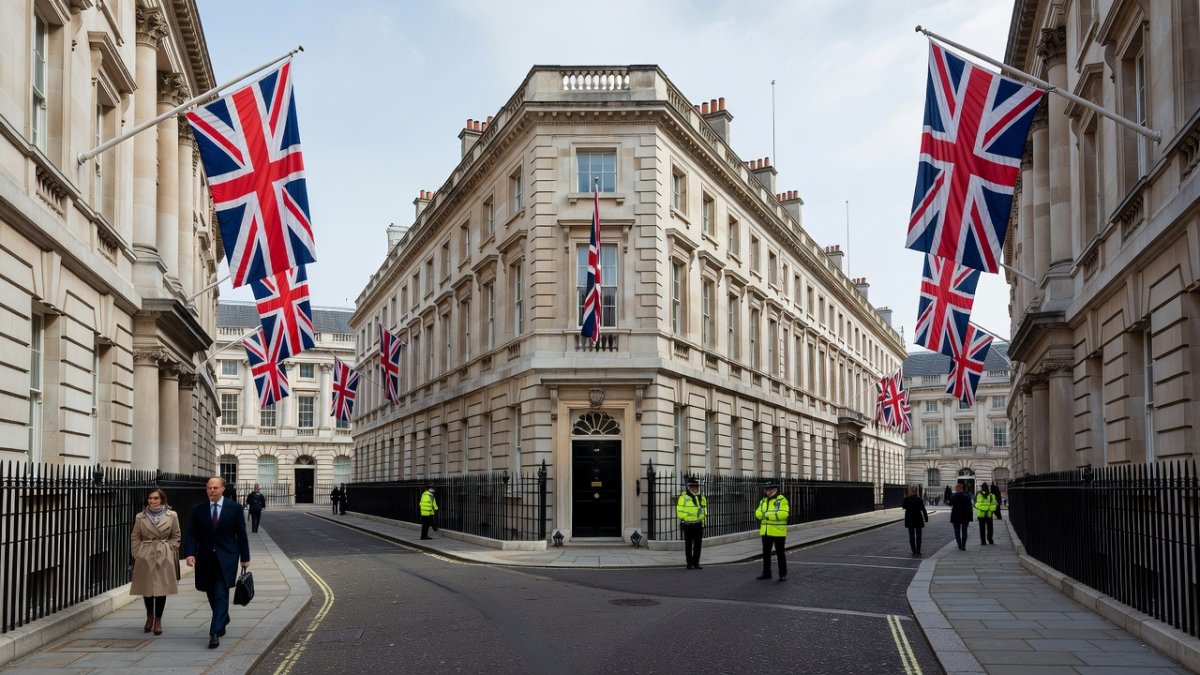
Burnham will meet King Charles III at Buckingham Palace on Monday 20 July. Starmer is expected to tender his resignation earlier that morning, clearing the path for Burnham to become Britain's seventh prime minister in ten years. The rapid sequence follows a pattern of extraordinary instability that began with the 2016 referendum and has since seen successive Conservative and Labour leaders unable to secure lasting mandates. Cabinet appointments are scheduled to be announced immediately after the audience with the King.
Cabinet Prospects and the Wider Labour Landscape
Shabana Mahmood is widely tipped to move from the Home Office to the Treasury as Chancellor. Other senior figures from the soft-left and trade-union wing are expected to fill key economic and social portfolios. The leadership contest exposed lingering divisions over foreign policy, with Burnham issuing a public apology for Labour's earlier stance on Gaza. The party's 379-MP majority in the Commons gives Burnham a workable base, yet the 24 MPs who withheld support signal that internal discipline will remain a priority once he enters government.
Background, Manchester Record and Political Identity
Burnham, 51, was born in Liverpool to a telephone engineer and a receptionist. He read history at Cambridge before entering Parliament as MP for Leigh in 2001. He served as Culture Secretary and Health Secretary under Gordon Brown and Ed Miliband. After losing the 2015 and 2016 leadership contests he became Greater Manchester Mayor in 2017, earning the nickname "King of the North". His most visible achievement was the creation of the Bee Network, an integrated bus and tram system that replaced deregulated services across Greater Manchester. He returned to Westminster in June 2026 via a by-election in the Makerfield constituency. His political outlook, often labelled "Manchesterism", blends municipal socialism with pragmatic delivery on transport, housing and skills.
What This Means for the UK
Regions outside London stand to feel the immediate effects. In Greater Manchester the Bee Network model could be replicated through new powers for combined authorities in the West Midlands, South Yorkshire and the North East. Liverpool City Region, Burnham's birthplace, may see renewed emphasis on port infrastructure and adult skills funding. In Scotland the Scottish Labour Party will watch closely for any shift in tone on devolution and public spending. For working households in former Red Wall seats across Lancashire, Staffordshire and Derbyshire, the rhetoric of "forgotten places" will be tested against concrete pledges on rail electrification and NHS waiting lists. Treasury officials are already modelling the fiscal implications of expanding mayoral transport powers nationwide.
The Bottom Line — What Comes Next
Burnham enters Downing Street with a clear personal mandate inside the Labour Party but inherits an economy still recovering from successive shocks and a Commons arithmetic that leaves little room for error. His first weeks will be dominated by cabinet formation, a King's Speech and the urgent need to demonstrate that the factional warfare of the past decade has truly ended. The test will be whether the organisational discipline that delivered the Bee Network can be scaled to national government before the next general election.
By Erica Thornton, Staff Writer
This article was produced with AI-assisted research and editorial support. Reporting is based on sources cited in the article.
What's Your Reaction?
 Like
0
Like
0
 Dislike
0
Dislike
0
 Love
0
Love
0
 Funny
0
Funny
0
 Wow
0
Wow
0
 Sad
0
Sad
0
 Angry
0
Angry
0

US Politics and Policy Correspondent at Global1.News. Based in Washington DC, covering American politics, policy, elections, and the courts. Knows how the system works and tells you what it actually means.












Comments (0)