
US and Iran Exchange Strikes in Gulf as Fragile Ceasefire Nears Breaking Point
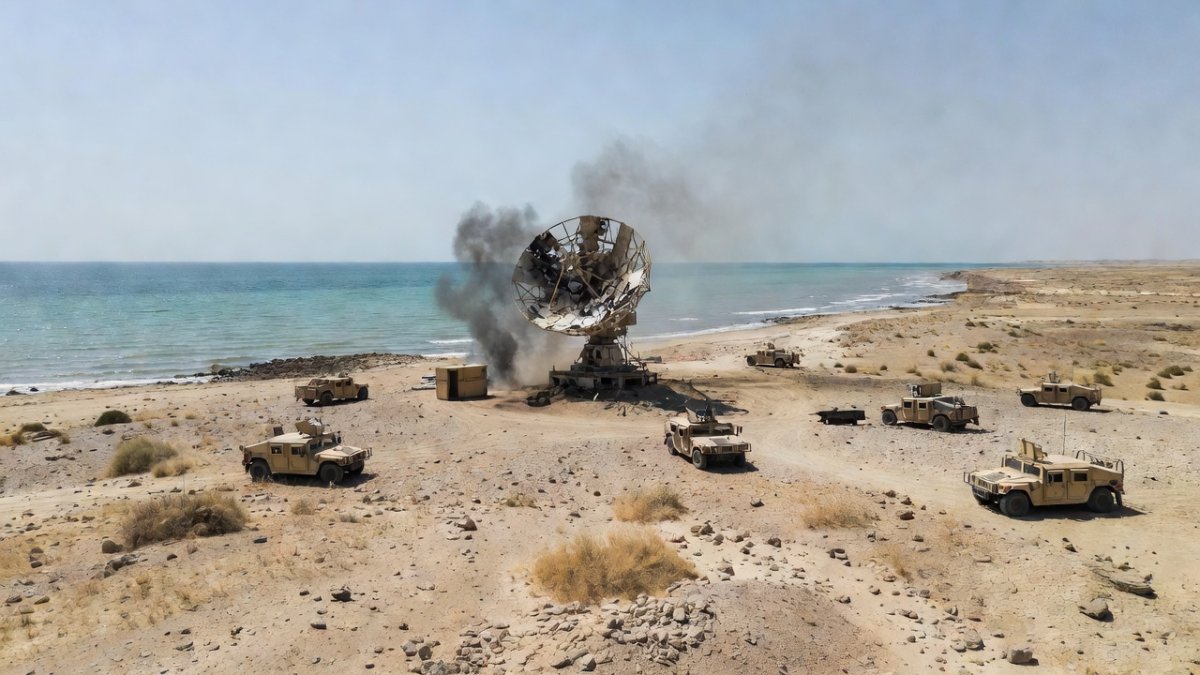
Ceasefire Under Strain: Strikes and Counterstrikes in the Gulf US and Iranian forces exchanged fire this week in a sharp escalation that tested the limits of the fragile April ceasefire. American aircraft struck Iranian drones and radar installations at Sirik and Qeshm Island after four Iranian one-way attack drones approached the Strait of Hormuz. Iran answered with ballistic
Ceasefire Under Strain: Strikes and Counterstrikes in the Gulf
US and Iranian forces exchanged fire this week in a sharp escalation that tested the limits of the fragile April ceasefire. American aircraft struck Iranian drones and radar installations at Sirik and Qeshm Island after four Iranian one-way attack drones approached the Strait of Hormuz. Iran answered with ballistic missiles aimed at two US air bases in Kuwait and US Navy facilities in Bahrain. The conflict has now reached its 99th day. Centcom confirmed the sequence of events and stated that the American response targeted only military assets directly involved in the drone launches. Both sides described their actions as defensive measures taken to protect vital interests in the region.
Iranian state media outlet Irib broadcast footage of the ballistic missile launches directed at the Kuwaiti bases and Bahraini naval facilities. Centcom reported that seven missiles were fired in total, with six intercepted successfully and one failing to reach its intended target. Kuwait and Bahrain issued immediate condemnations of the Iranian strikes while confirming that their defenses had repelled the attack. Officials in both capitals emphasized that their territories should not be drawn into the confrontation between Washington and Tehran. The rapid exchange underscored how quickly localized incidents can threaten broader regional stability.
American forces also struck radar sites at Sirik and Qeshm Island, locations chosen for their strategic proximity to the Strait of Hormuz. The UAE and Qatar joined Kuwait and Bahrain in denouncing the attacks and called for immediate de-escalation. Regional governments expressed alarm that military activity near critical maritime chokepoints could disrupt commercial shipping lanes and energy exports. Diplomats from Gulf capitals urged both Washington and Tehran to exercise restraint and return to the negotiating table before further incidents occur.

Diplomatic Fallout: Tehran Accuses Washington of Violating the Ceasefire
The Iranian Foreign Ministry described the American strikes as a flagrant violation of the ceasefire and an attack on national sovereignty. Officials accused Washington of showing complete disregard for international law and the UN Charter. Tehran called for the deployment of international observers to monitor compliance and prevent further breaches. The ministry statement framed the US action as an unjustified escalation that undermined months of diplomatic efforts. Iranian representatives insisted that their own missile response was a measured act of self-defense against repeated provocations near their coastline.
The IRGC confirmed that its forces had successfully hit enemy bases in response to the American operation. Meanwhile, Gulf states coordinated a joint diplomatic push urging both sides to show restraint and avoid further military action. Kuwait, Bahrain, the UAE, and Qatar expressed concern that they had become unwilling hosts to foreign military assets targeted by opposing forces. Their governments stressed that continued exchanges risked drawing smaller states into a larger confrontation they had no desire to join.
Diplomatic language from both capitals relied heavily on the vocabulary of self-defense and proportionality. Neither side explicitly declared the ceasefire broken, yet each exchange further drained the agreement of practical meaning. Observers noted that repeated incidents of this kind gradually erode the political space required for meaningful negotiations. The pattern suggests that without new mechanisms for verification and communication, similar clashes will recur.
Strait of Hormuz: The Geopolitical Flashpoint at the Heart of the Conflict
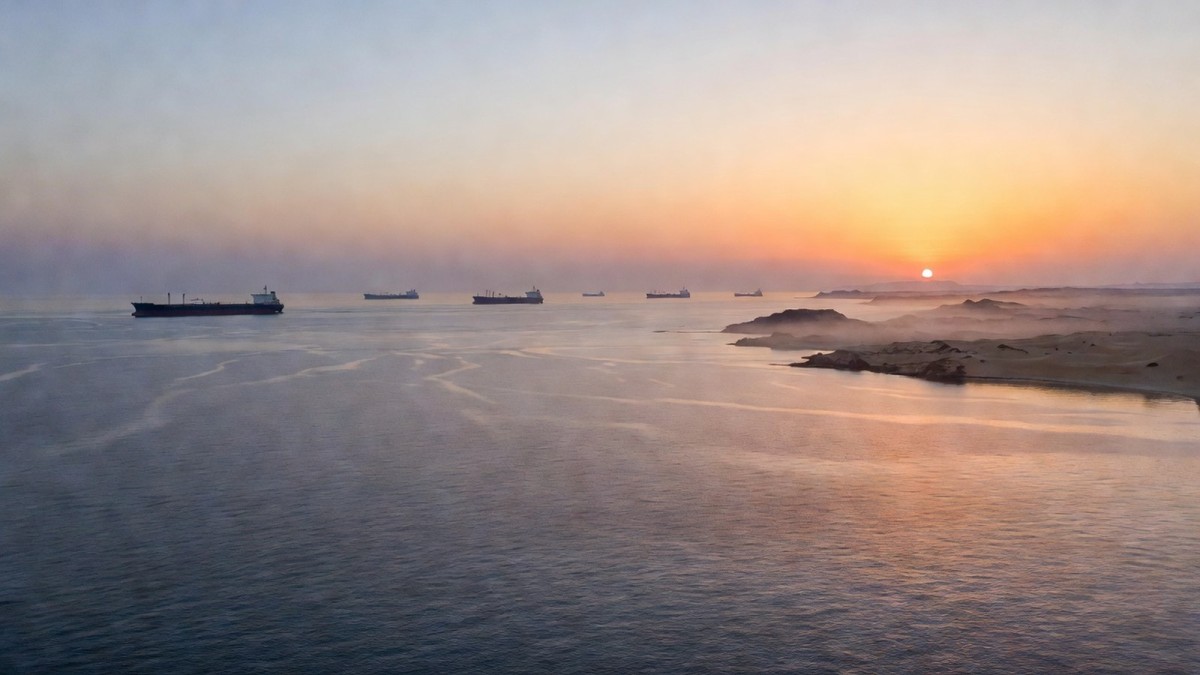
Approximately twenty percent of the world’s oil and liquefied natural gas transits the Strait of Hormuz each day. Iran closed the waterway after strikes that began on February 28, causing oil prices to rise sharply across global markets. The disruption affected export revenues for Iraq, Kuwait, Qatar, Saudi Arabia, and the UAE. Any renewed closure or sustained threat to shipping would carry immediate consequences for energy security in Europe and Asia. Gulf producers have therefore watched the latest incidents with particular anxiety.
Following the early April ceasefire, the United States maintained a naval blockade of Iranian ports. President Trump stated that the measures would remain in place until a comprehensive agreement is reached. Iranian officials have repeatedly identified the continued blockade as their central grievance and a major obstacle to further talks. The presence of American warships near the strait keeps tensions elevated even when direct combat is avoided.
From the Russian perspective, instability in the Gulf reshapes global energy dynamics in ways that affect Moscow’s export pricing and strategic calculations. Any prolonged disruption through Hormuz could raise the value of Russian oil and gas shipments to alternative markets. At the same time, sustained American military commitment in the region diverts attention and resources from other theaters where Kremlin interests are directly engaged. Moscow therefore views the situation as both an economic opportunity and a potential distraction.
Stalled Negotiations: Why the Ceasefire Cannot Hold
Negotiations between the two sides have stalled after President Trump requested additional changes to the draft framework. An Iranian Foreign Ministry spokesman stated that the United States appears to be constantly changing its views, leaving no stable basis for agreement. Without a clear and consistent negotiating position, military incidents continue to fill the resulting vacuum. Each new clash makes it harder for either government to return to the table without appearing weak to domestic audiences.
Washington finds itself caught between campaign promises to project strength and the practical risks of uncontrolled escalation. Analysts suggest that the absence of a coherent long-term strategy has allowed tactical decisions to drive events. Striking Iranian targets while simultaneously seeking diplomatic progress has prolonged the conflict rather than bringing it closer to resolution. Both capitals now face pressure to demonstrate resolve without triggering a wider war.
World Cup Diplomacy: Football Amidst the Flames
The United States granted visas to the Iranian national football team for its June 15 World Cup match in Los Angeles. This marks the first instance of a host nation at war issuing entry permits to an opposing team. The decision highlights the paradox between ongoing military strikes and the maintenance of limited cultural and sporting channels. Earlier controversy over arrangements for overnight stays had threatened to derail the fixture before the visas were ultimately approved.
The contradiction illustrates the layered and often contradictory nature of US-Iran relations. While military and diplomatic tracks remain frozen, the World Cup represents one of the few remaining avenues for normal interaction between the two societies. Such events provide rare moments of contact that could, under different circumstances, support broader confidence-building measures.
The Human and Economic Cost for the Gulf States
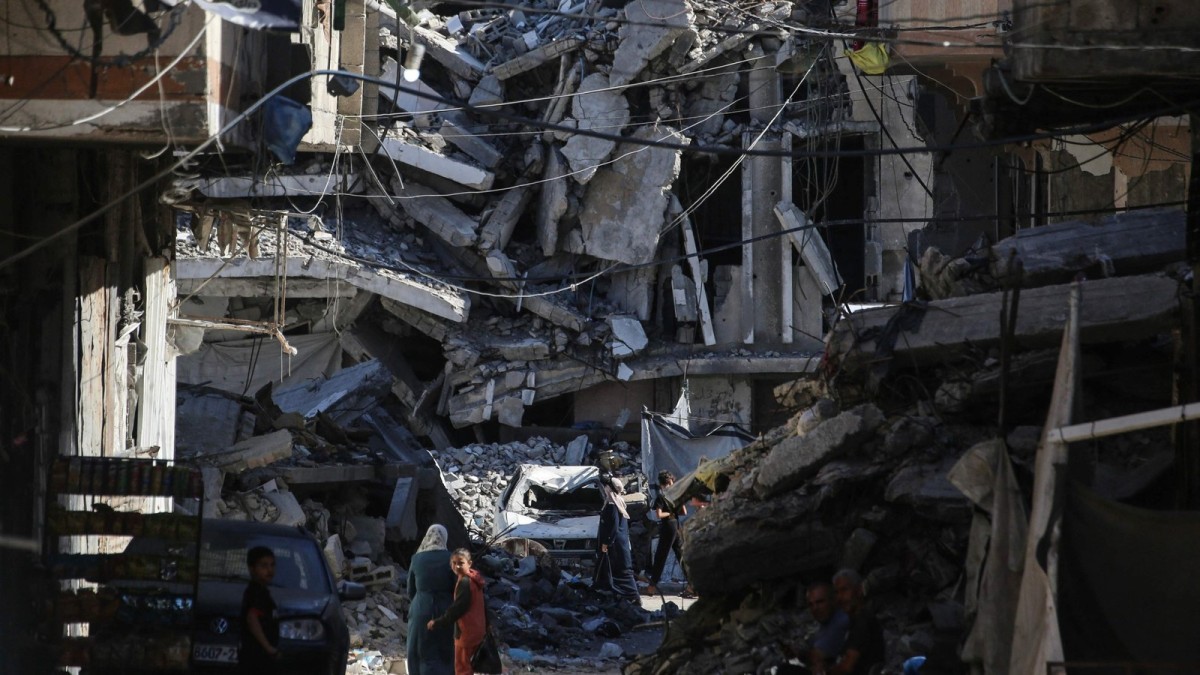
Kuwait, Bahrain, the UAE, and Qatar continue to suffer direct and indirect consequences from the confrontation. Kuwait’s main airport sustained damage during the recent exchanges, while Bahraini naval facilities were targeted by Iranian missiles. Trade through the Strait of Hormuz has been disrupted, forcing shipping companies to reroute vessels and pay higher insurance premiums. Local economies dependent on energy exports and maritime commerce face mounting costs that will persist as long as tensions remain elevated.
Gulf governments face a strategic dilemma: they rely on American security guarantees yet seek greater distance from direct involvement in the Iran conflict. The UAE and Qatar have publicly denounced actions by both sides in an effort to avoid becoming caught in the crossfire. Their statements reflect a broader desire to preserve economic stability and prevent the region from sliding into wider hostilities.
Analysis and Implications: A Ceasefire That Exists in Name Only
The war has now passed the 99-day mark with no clear end in sight. Both Washington and Tehran continue to calibrate their responses in an attempt to avoid uncontrolled escalation while still applying pressure on the other side. Each exchange further chips away at the credibility of the existing ceasefire arrangement. The risk of miscalculation grows with every additional incident, particularly when forces operate in close proximity near the Strait of Hormuz. A full closure of that waterway would create the greatest energy market uncertainty since the conflict began.
In a recent BBC News report, the Iran War Today chronicled the 99th day of fighting and the continuing strain on the April ceasefire. As negotiations remain stalled, the two nations stay locked in a cycle of limited strikes and counterstrikes. What remains is a fragile ceasefire that exists largely in name only. The uneasy quiet that occasionally descends is not peace but merely the pause between the next round of exchanges.
By Irina Volkov, Staff WriterThis article was produced with AI-assisted research and editorial support. Reporting is based on sources cited in the article.
What's Your Reaction?
 Like
0
Like
0
 Dislike
0
Dislike
0
 Love
0
Love
0
 Funny
0
Funny
0
 Wow
0
Wow
0
 Sad
0
Sad
0
 Angry
0
Angry
0
Russia/Eastern Europe Correspondent at Global1.News. Covering Russian politics, energy, security, and the shifting dynamics of the post-Soviet space. Provides clear-eyed analysis on one of the world's most opaque regions.













Comments (0)