
Puerto Rico's Water Crisis: Fifty Days Without Supply on Calle Loiza
Puerto Rico's water crisis left Calle Loiza residents without supply for over 50 days after a major pipeline rupture in Bayamon. Businesses spent hundreds daily on water, the National Guard deployed tankers, and decades of infrastructure neglect were exposed.
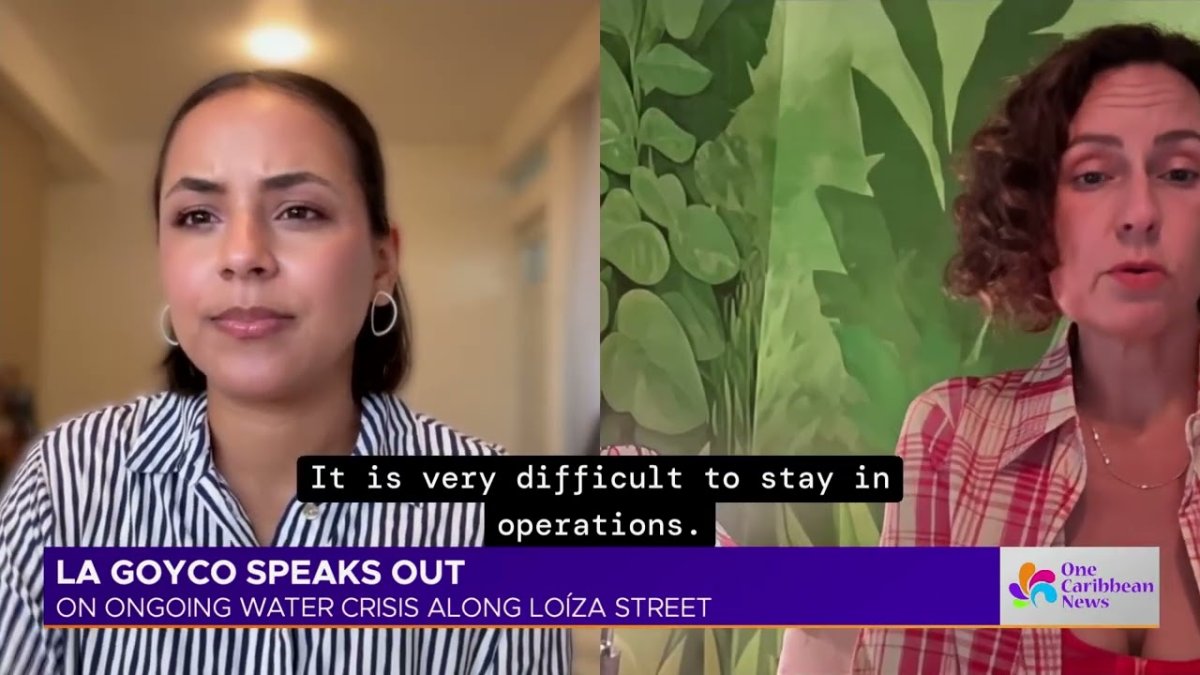
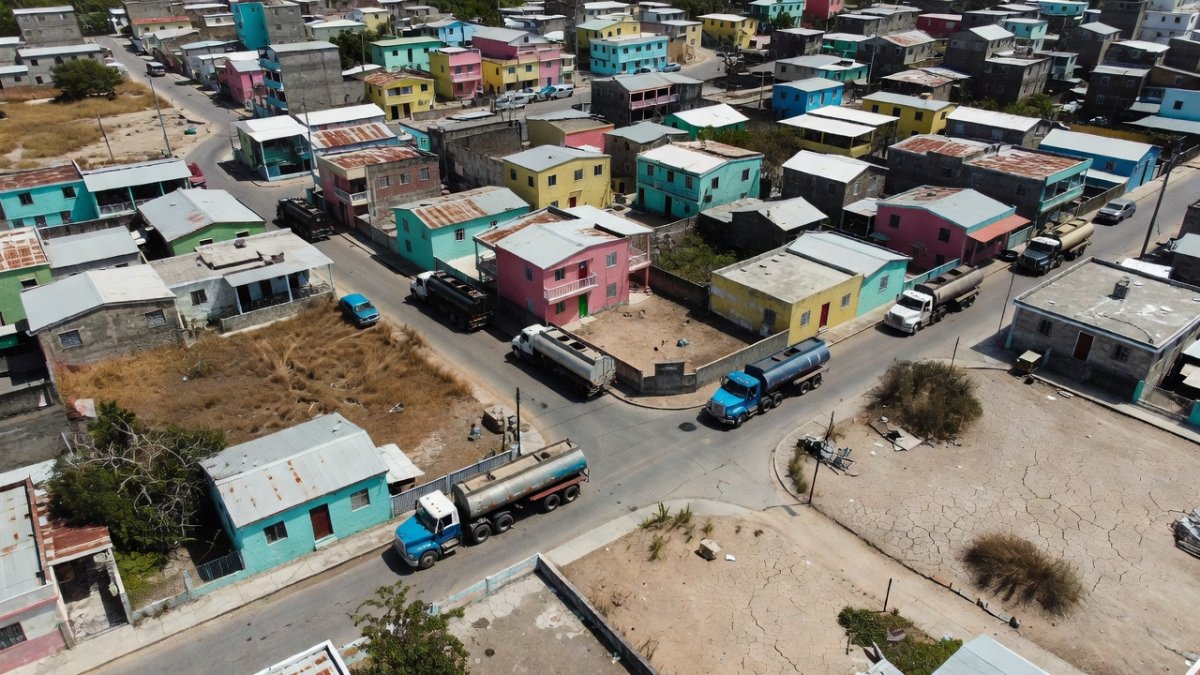
The water crisis gripping Puerto Rico has left families along Calle Loiza in San Juan without reliable supply for more than fifty days, forcing residents to queue for tanker deliveries while businesses count the mounting cost of survival in a region already strained by poverty and seasonal storms.
Puerto Rico's Water Crisis: Fifty Days Without Supply on Calle Loiza
San Juan, Puerto Rico — The rupture of a seventy-two-inch Superaqueduct pipeline at three separate points in Bayamon has triggered the sharpest escalation of Puerto Rico's water emergency since issues first surfaced in May 2026. With hurricane season now under way, the disruption has affected multiple municipalities including Loiza, Carolina, Guaynabo and Bayamon, leaving large sections of the capital without consistent service.
Puerto Rico Water Crisis Deepens as Pipeline Fails
Along Calle Loiza the daily ritual of fetching water has become an endurance test. Residents climb narrow stairwells balancing five-gallon jugs that grow heavier with every step. La Goyco, the community leader who has lived here for three decades, has begun documenting every household that runs dry, posting the names on a public board so neighbours know who needs an extra hand. The 40 percent poverty rate across Puerto Rico turns these extra hours into an impossible tax; families already stretching every dollar now spend what little remains on transport to secure a single delivery.
Daily Struggle for Families and Local Businesses
Along Calle Loiza, restaurant owner Jonathan Collazo of Lela's Eatery and Fefis reports spending hundreds of dollars each day on water to keep operations running. Nearby, Kali Solack, co-owner of Cafe Regina and Hilda Deli, has begun marking the days without water on her front window while facing similar daily costs. Community leader La Goyco has publicly highlighted the plight of residents who have endured more than fifty days of intermittent or absent supply, describing scenes of frustration and resilience familiar to many Caribbean households. Elderly neighbours have paid the steepest price. Marta Acevedo, seventy-five, told visitors this is the longest stretch without running water in her forty-four years on the island, worse even than the aftermath of Hurricane Maria. She spent three nights in hospital after collapsing while trying to carry a jug up two flights. Cafe Regina keeps a chalk tally on its window of how many days each regular has gone without service; the numbers climb daily and now stretch past two weeks for several names. With more than three thousand emergency calls logged in San Juan alone between 1 and 13 June, the human cost is no longer measured in inconvenience but in lost wages, missed medical appointments and the quiet erosion of dignity.
Official Measures and Legal Action
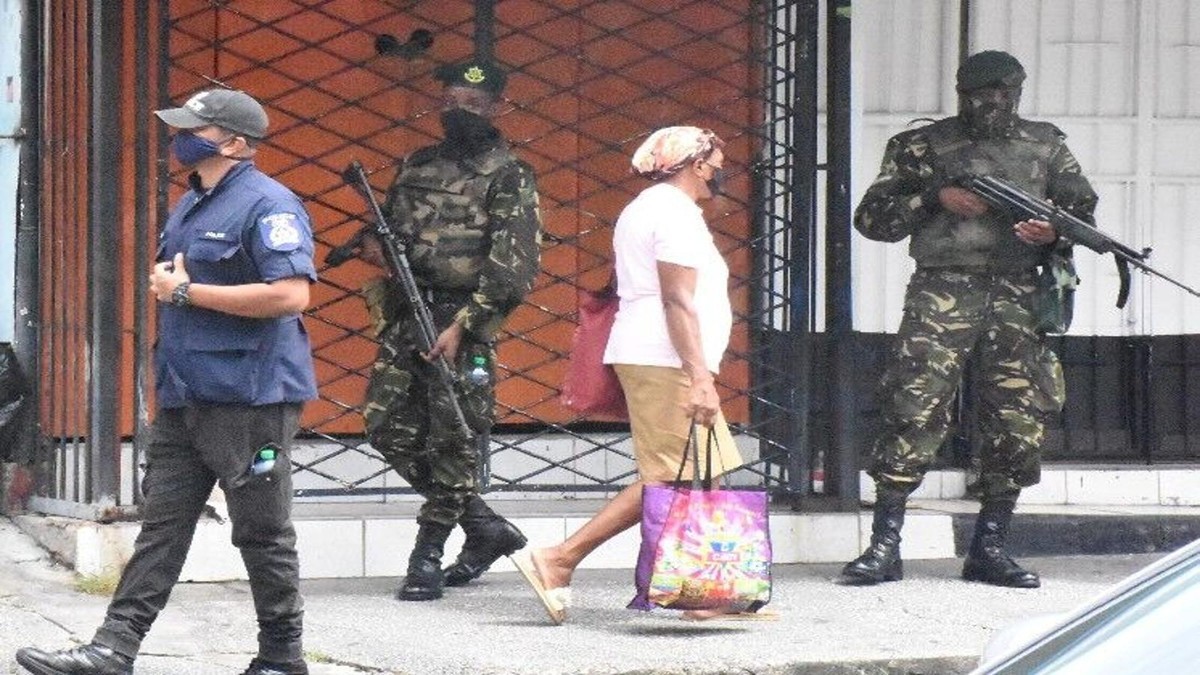
Governor Jennifer Gonzalez-Colon has activated the National Guard to distribute drinking water across affected zones, while fifty-five tanker trucks now operate in San Juan. In late May 2026, San Juan Mayor Miguel Romero filed suit against the Puerto Rico Aqueduct and Sewer Authority (PRASA), citing repeated service failures that he argued amounted to negligence endangering public health. Over three thousand water emergency cases were logged in the capital between 1 and 13 June alone, underscoring the scale of the immediate response required. Yet the response remains a patchwork of short-term fixes. Trucks arrive at dawn and leave by dusk, leaving residents to ration what they can store in buckets and bathtubs. Households without cisterns — a costly investment out of reach for many in a territory where over 40 per cent of residents live below the poverty line — must rely entirely on what they can carry. No permanent funding stream has been secured to replace the Superaqueduct sections or modernise the Finca Rosso pumps, and officials have not publicly committed to a timeline for permanent repairs.
Decades of Infrastructure Decay Exposed
PRASA loses fifty-nine per cent of treated water before it reaches customers because of crumbling pipes and outdated pumping stations. Although the authority claimed in 2025 that 98.7 per cent of customers enjoyed restored service, the 2026 events have revealed far deeper problems. Two pumps at the Finca Rosso I station failed as early as August 2025, yet funding approval arrived only in November, illustrating the slow pace of repairs that has left the system vulnerable. PRASA's own figures reveal that fifty-nine per cent of treated water never reaches a single customer, vanishing through cracked pipes and leaking valves long before it arrives at homes. That staggering loss is not the result of one bad storm but of decades of deferred maintenance on a system built for a different era. The seventy-two-inch Superaqueduct that feeds Bayamon ruptured at three separate points, each break sending millions of gallons into the ground while crews waited for parts that had been on order for months. When the Finca Rosso I pumps failed in August 2025, the utility announced repairs would begin only after funding arrived in November, leaving an entire corridor without pressure for over ninety days. PRASA serves 3.2 million residents yet operates with an ageing network that has not seen systematic replacement since the 1990s.
Caribbean-Wide Lessons for Trinidad and Tobago
The situation in Puerto Rico echoes challenges long familiar in Trinidad and Tobago, where ageing mains and seasonal drought also disrupt supply to thousands of households. Across Small Island Developing States, climate change is intensifying both drought periods and hurricane impacts, driving up the cost of bottled water and placing extra pressure on already stretched household budgets. Tourism-dependent restaurants in San Juan now struggle to serve visitors, a warning for Caribbean destinations that rely on reliable utilities to sustain visitor confidence. Trinidad and Tobago's Water and Sewerage Authority faces many of the same pressures that have crippled Puerto Rico. Ageing mains in Port-of-Spain and San Fernando lose water at rates that rival PRASA's 59 per cent leakage, while seasonal drought continues to strain reservoirs every dry season. When households in both countries turn to bottled water, the cost quickly consumes 10 to 15 per cent of monthly income for low-income families. Small-island developing states share a common vulnerability: limited land for new reservoirs, high exposure to climate-driven rainfall shifts, and infrastructure budgets that are routinely outmatched by repair needs. Puerto Rico's experience shows that emergency tankers and lawsuits cannot substitute for decades of neglected investment.
Looking Ahead: What This Means for Regional Water Security
Hurricane season, which runs from June through November, brings repeated threats to water systems across the Caribbean. With no permanent funding secured for replacing the Superaqueduct, communities remain exposed to sudden failures. Decentralised solutions, such as widespread rainwater catchment, offer a practical way forward that reduces reliance on ageing central infrastructure. Other islands should take note of the lessons from Calle Loiza before similar breakdowns occur on their shores. Investing in local storage and maintenance now can prevent wider shortages and ease pressure on regional resources during the stormy months ahead.
The Bottom Line
The crisis on Calle Loiza shows how quickly daily life unravels when water stops flowing. Families there have faced weeks without reliable supply, affecting everything from cooking to caring for the elderly. This is not an isolated mishap but a warning that Caribbean infrastructure cannot be ignored any longer. Without fresh investment and practical alternatives, more communities will suffer the same hardship. The human cost is too high to keep deferring action.
By Sharon Sahatoo, Staff Writer
This article was produced with AI-assisted research and editorial support. Reporting is based on sources cited in the article.
What's Your Reaction?
 Like
0
Like
0
 Dislike
0
Dislike
0
 Love
0
Love
0
 Funny
0
Funny
0
 Wow
0
Wow
0
 Sad
0
Sad
0
 Angry
0
Angry
0

Caribbean Correspondent at Global1.News. Based in Port of Spain, Trinidad, covering Caribbean politics, economy, energy, climate, and culture. Amplifying the voices and stories of the Caribbean region.










Comments (0)