
Local AI Voice Cloning Goes Mainstream -- Free Open-Source Tools
Open-source tools like Voicebox and XTTS v2 enable free local voice cloning from 6-second samples, ending reliance on paid cloud APIs like ElevenLabs while raising privacy wins and verification challenges for creators and society.
The AI voice cloning landscape has undergone a seismic shift, with free open-source tools now enabling anyone to replicate voices from mere seconds of audio directly on personal hardware. This development challenges the dominance of cloud-based platforms and raises profound questions about accessibility, privacy, and authenticity in media.
The Open-Source Revolution Unfolds
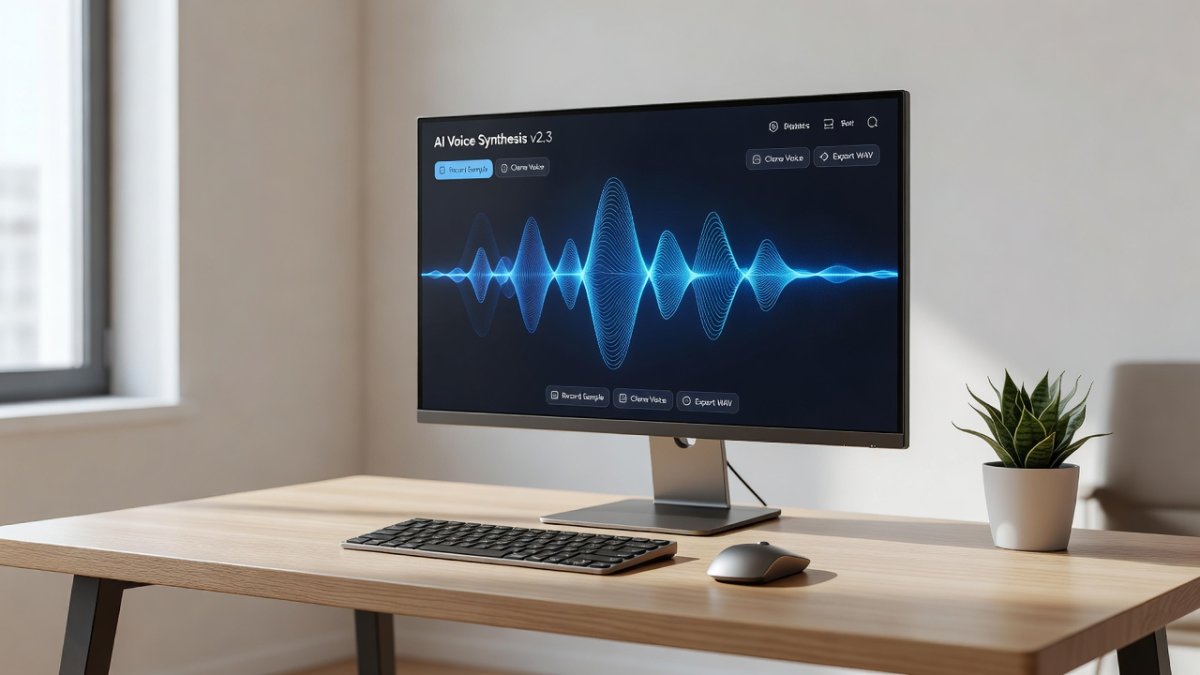
Until recently, high-quality voice synthesis required subscriptions to services like ElevenLabs or PlayHT, where users paid per minute for API access. That model is eroding fast. Tools such as Voicebox, XTTS v2, and Coqui TTS run entirely offline, leveraging consumer GPUs to generate speech that rivals commercial offerings. The change empowers individuals while exposing vulnerabilities in voice-based verification systems across banking and media.
Voicebox: A Desktop Powerhouse
Voicebox stands out with its open-source desktop application supporting 23 languages and integrating seven distinct TTS engines. The project has amassed over 22,000 GitHub stars, reflecting widespread adoption among developers and hobbyists. Users load a short reference clip, adjust parameters locally, and produce output without transmitting data externally. This setup eliminates recurring fees and latency issues common in cloud pipelines.
XTTS v2: Cloning in Seconds
Coqui's XTTS v2 model achieves convincing clones from just six seconds of source audio across 17 languages. Inference occurs on the user's machine, supporting real-time applications like podcast editing or game character voices. Unlike proprietary systems, the code is fully inspectable, allowing customization for niche accents or emotional tones without vendor lock-in.
Privacy First: Data Stays Local
Local execution keeps sensitive voice samples on the device, mitigating risks of data breaches that have plagued cloud providers. For journalists handling confidential interviews or medical professionals creating patient resources, this isolation is critical. No logs travel to third-party servers, reducing exposure to subpoenas or unauthorized access.
Shattering the Cloud Monopoly
ElevenLabs and PlayHT built empires on usage-based pricing that could exceed hundreds of dollars monthly for heavy users. Open-source alternatives dismantle this barrier, offering unlimited generations once the model is downloaded. The economic pressure is forcing cloud companies to differentiate through enterprise features while hobbyists migrate to local setups.
What This Means
Content creators gain unprecedented flexibility for multilingual projects and rapid prototyping. Accessibility advocates can generate personalized narration for the visually impaired at no cost. Voice actors face both opportunity and threat, as their signatures become replicable assets requiring new licensing frameworks. Overall, the technology accelerates democratization but demands updated norms around consent and attribution.
Ethical Minefields Ahead
Easy cloning complicates verification in news and legal contexts, where audio evidence must now undergo forensic scrutiny. Experts warn of deepfake audio in elections and scams. Industry groups are exploring watermarking standards, yet enforcement remains fragmented. Responsible deployment hinges on transparent labeling of synthetic content.
Impact on Industries and Creators
Podcasters and YouTubers experiment with cloned voices for consistency across episodes. Accessibility tools integrate these models for real-time captioning and audio description. Traditional voice-over professionals pivot toward hybrid roles, training models on their own libraries to retain control. The net effect broadens participation while compressing margins for low-end commercial work.
By Jessica Ali, Staff Writer
This article was produced with AI-assisted research and editorial support. Reporting is based on sources cited in the article.
What's Your Reaction?
 Like
0
Like
0
 Dislike
0
Dislike
0
 Love
0
Love
0
 Funny
0
Funny
0
 Wow
0
Wow
0
 Sad
0
Sad
0
 Angry
0
Angry
0

Editor-in-Chief at Global1.News. Atlanta-based journalist who cuts through the BS and tells it like it is. Lead anchor, host, and the voice you hear when the spin stops and the truth starts.















Comments (0)