
US Strikes Hit Iran for Seventh Consecutive Night
US forces strike Iran for a seventh consecutive night as the temporary ceasefire collapses. Iran retaliates against Gulf allies, warnings of full-scale offensive operations, and the Strait of Hormuz faces disruption.
In a recent BBC News report, the escalation of hostilities between the United States and Iran reached a critical milestone as US forces conducted a seventh consecutive night of strikes against Iranian military targets, signalling a complete collapse of the temporary ceasefire brokered in June.
Seventh Night of Strikes: US-Iran Ceasefire Collapses Into Regional Conflict
Washington, DC – Saturday, 18 July 2026 — The United States military has completed its seventh consecutive night of strikes against Iran since President Donald Trump declared the temporary ceasefire agreement "over" last week, marking the most sustained aerial campaign of the conflict.
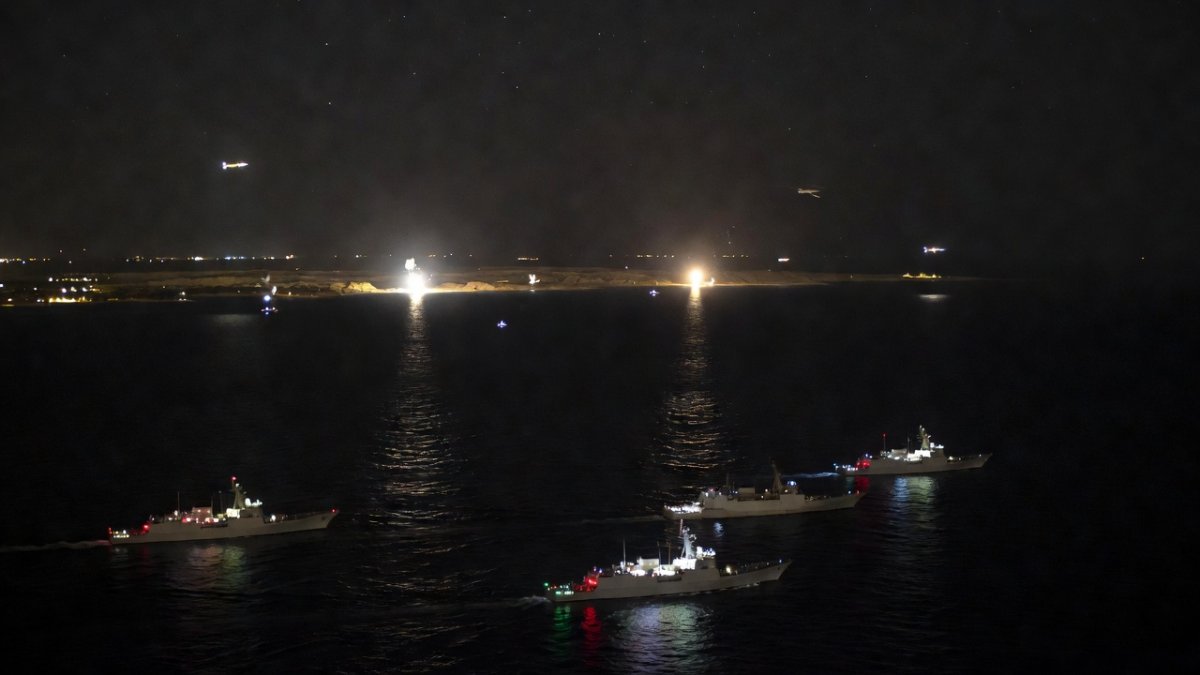
Seventh Night: Targets and Operational Scope
Centcom announced that the strikes, which concluded at 21:30 Eastern Time on Friday, were "designed to continue degrading Iranian military capabilities at the Commander in Chief's direction." US forces struck surveillance sites, military logistics infrastructure, underground weapons storage facilities, and maritime capabilities. Explosions were reported across southern and central Iran — in Yazd, Qeshm Island, and at the port of Bandar Abbas. BBC Persian verified damage to the Shahid Mirzaei tunnels. Seven people were killed in Hormozgan province, and approximately 10,000 residents lost drinking water after an attack on a desalination plant near Jask.
Iranian Retaliation Across the Gulf
Iran responded by targeting US allies across the region. Kuwait reported a power plant and water distillation facility struck by Iranian projectiles, with some electricity generation units deactivated. Jordan's military intercepted 10 Iranian missiles. Bahrain activated warning sirens for the fourth time. IRGC claimed attacks on US assets in Bahrain, Kuwait, Jordan, and Syria — though Washington has not confirmed all claims. Sources told CBS News several American service members were injured in Iranian attacks on two Jordanian bases. The humanitarian fallout in Kuwait has been acute, with the damaged desalination infrastructure exposing the emirate’s acute dependence on seawater processing for nearly all potable supplies and forcing authorities to impose strict electricity rationing that has left residential districts without power for extended periods each day. The IRGC separately claimed precision strikes on Sheikh Isa airbase in Bahrain, targeting aircraft hangars and fuel tanks. The US State Department travel advisory has been expanded to a Level 4 “Do Not Travel” status for multiple Gulf states, citing active missile threats, the risk of sudden airspace closures, and the potential for rapid deterioration in ground security that could strand civilians without reliable evacuation options. The repeated activation of warning sirens in Bahrain for the fourth time has intensified public anxiety across the island nation, with residents rushing to shelters amid fears of incoming projectiles. This development underscores broader regional anxiety gripping Gulf populations already on edge from successive nights of exchanges. Gulf states’ critical dependence on desalination infrastructure, representing roughly 40 percent of global capacity, leaves millions vulnerable to prolonged water shortages should further strikes damage these facilities.
The Collapse of the June Ceasefire
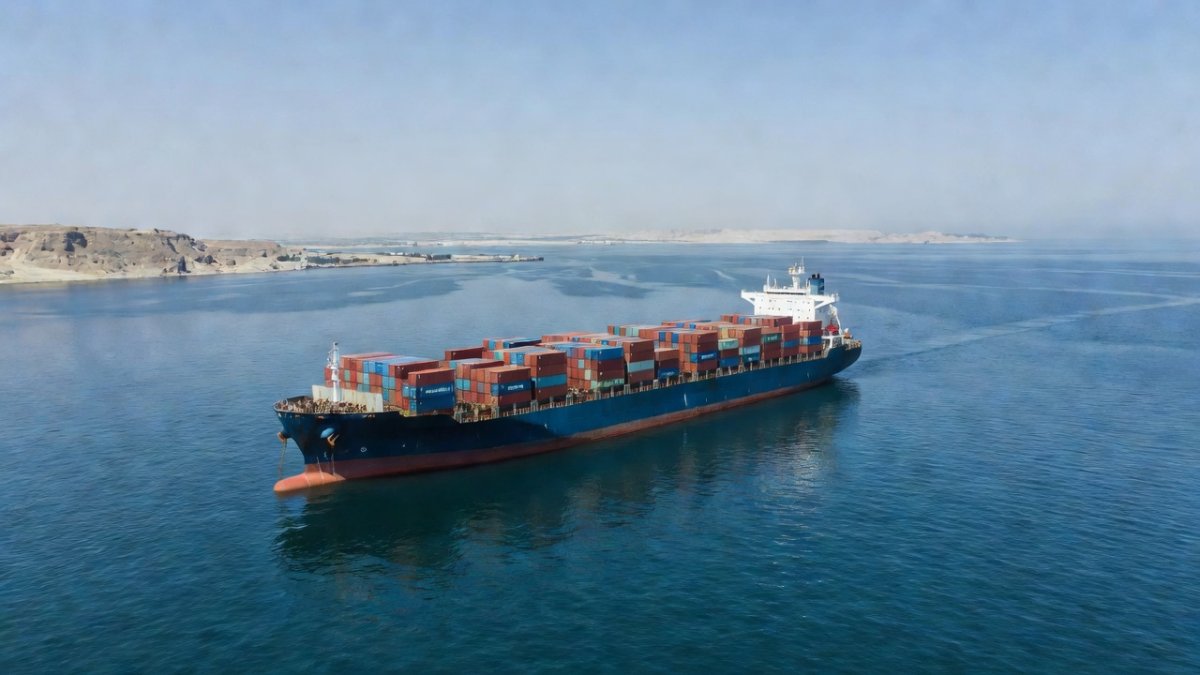
The June 2026 ceasefire had been intended to halt direct exchanges after weeks of rising tensions. Negotiations in the weeks that followed produced no measurable progress on core disputes, including sanctions relief and limits on Iranian missile development. President Trump declared the agreement over last week, prompting Centcom to re-impose a naval blockade of Iranian ports. Iranian authorities responded by declaring the Strait of Hormuz closed to commercial traffic. The move directly affects roughly one-fifth of global oil and liquefied natural gas shipments that normally transit the waterway. US officials described the blockade as a necessary enforcement measure, while Tehran framed it as a defensive response to renewed American pressure. Both sides have since committed additional naval and air assets to the region, eliminating the narrow window for renewed diplomacy that existed only weeks earlier.
Strait of Hormuz: Energy Under Threat
Approximately one-fifth of the world’s traded oil and LNG passes through the Strait of Hormuz each day. IEA chief Fatih Birol has expressed concern that sustained disruption could tighten global supplies and push prices higher in already volatile markets. Commercial shipping through the strait has largely halted this week as operators await clearer security guarantees. Centcom has rejected reports from Iran’s Fars news agency claiming that oil tankers were struck during recent exchanges. Insurance premiums for vessels operating in the Gulf have risen sharply, further discouraging traffic. Iranian officials have separately claimed successful strikes on US facilities in Syria, Oman and Qatar, assertions that Washington has not confirmed. The combination of the US naval blockade and Iran’s closure declaration has created a de facto standstill that analysts say could persist as long as both sides maintain their current military posture. Gulf energy exporters are already adjusting export schedules and seeking alternative routes where feasible. The IEA is actively monitoring the situation through daily assessments and contingency planning to gauge supply risks. Prolonged disruption threatens to elevate oil prices further, compounding volatility in global energy markets. Asian economies including Japan, South Korea and India, which depend heavily on Gulf oil imports, now confront acute vulnerabilities that could constrain industrial output and strain national energy security.
Iran's Full-Scale Offensive Warning
Maj-Gen Mohsen Rezaei, adviser to the Supreme Leader, warned that Iran would launch “full-scale offensive operations” if US strikes continue for another two to three days. He stated that “no political border will be safe” under such conditions and characterised the American strategy as a “dead end.” The remarks were delivered through state media and signalled Tehran’s readiness to expand the geographic scope of retaliation beyond the immediate Gulf theatre. In response, the US State Department issued an updated travel advisory urging American citizens to reconsider all travel to the Middle East. Iranian statements have emphasised that further attacks on its territory would remove previous restraints on targeting. US officials have countered that the strikes remain limited to military objectives and that any Iranian escalation would be met with additional force. The exchange of warnings has reduced the likelihood of an early return to talks and increased the risk that proxy forces across the region could become active participants.
Civilian Infrastructure and War Crimes Allegations
Both sides continue to dispute the classification of targets. The White House has maintained that strikes are directed exclusively at military sites, a position restated by Defence Secretary Pete Hegseth after the destruction of the control tower at Chabahar port. BBC Verify confirmed damage to the Gariveh Bridge, which Iranian authorities described as a civilian crossing. Iran has warned that it will respond by striking civilian infrastructure in Gulf states if attacks on its own energy and water facilities continue. Gulf countries collectively produce around 40 percent of the world’s desalinated water, leaving populations in Kuwait, Bahrain and elsewhere vulnerable to supply interruptions. Local authorities in Hormozgan province reported that more than 100 telecom masts were knocked out during the latest round of strikes, complicating damage assessments and emergency communications. The pattern of strikes on dual-use facilities has prompted accusations from both capitals that the other is violating international norms. BBC Verify’s analysis incorporated night-time footage showing intense flames rising from the structure and subsequent daylight imagery revealing a fully collapsed roadway span, confirming the bridge’s destruction. A White House spokesperson reiterated that all strikes were “exclusively on military targets.” Iran has warned it would respond by striking civilian infrastructure across the Gulf, underscoring the extreme vulnerability of regional desalination capacity that accounts for roughly 40 percent of global production and supplies millions of residents with essential drinking water.
Analysis — The Road Ahead
The sustained US campaign and Iran’s regional retaliation mark a fundamental shift away from the limited exchanges seen earlier this year. Diplomatic off-ramps that existed during the June ceasefire have been eliminated, leaving both sides committed to military pressure as the primary instrument of policy. Iran appears determined to widen the geographic scope of its response, drawing in additional US partners and raising the prospect of broader instability. Energy markets face the most immediate risk, as any prolonged closure of the Strait of Hormuz would affect supplies far beyond the Gulf. Calls for de-escalation from the United Nations and European Union have so far produced no visible movement on either side. The trajectory suggests that further nights of strikes and counter-strikes remain likely unless one party calculates that the costs of continued confrontation have become unsustainable. Observers note that the absence of active mediation channels makes an accidental widening of the conflict more probable in the coming days. European and Asian economies already grappling with persistent inflation now confront the added threat of sustained energy-price spikes, while diplomatic channels through the UN and EU have produced no visible movement. The absence of active mediation makes accidental widening more probable. Russia and China have each urged restraint yet stopped short of direct intervention, maintaining a cautious diplomatic posture. This dynamic heightens the danger of miscalculation by either Washington or Tehran that could rapidly escalate the confrontation.
By Irina Volkov, Staff Writer
This article was produced with AI-assisted research and editorial support. Reporting is based on sources cited in the article.
What's Your Reaction?
 Like
0
Like
0
 Dislike
0
Dislike
0
 Love
0
Love
0
 Funny
0
Funny
0
 Wow
0
Wow
0
 Sad
0
Sad
0
 Angry
0
Angry
0

Russia/Eastern Europe Correspondent at Global1.News. Covering Russian politics, energy, security, and the shifting dynamics of the post-Soviet space. Provides clear-eyed analysis on one of the world's most opaque regions.














Comments (0)