
Pakistan's Diplomatic Surge: Interior Minister Delivers Letter to Khamenei
On June 7, 2026, Pakistan's Interior Minister Mohsin Naqvi arrived in Tehran carrying a high-level letter from Prime Minister Shehbaz Sharif and Army Chief Field Marshal Asim Munir addressed to Supreme Leader Mojtaba Khamenei, marking Islamabad's latest bid to salvage the fragile 100-day US-Iran ceasefire. The visit comes as renewed military incidents threaten to unravel the Pa
On June 7, 2026, Pakistan's Interior Minister Mohsin Naqvi arrived in Tehran carrying a high-level letter from Prime Minister Shehbaz Sharif and Army Chief Field Marshal Asim Munir addressed to Supreme Leader Mojtaba Khamenei, marking Islamabad's latest bid to salvage the fragile 100-day US-Iran ceasefire. The visit comes as renewed military incidents threaten to unravel the Pakistan-mediated truce that has held since April 8.
Pakistan's Diplomatic Surge: Interior Minister Delivers Letter to Khamenei as Islamabad Tries to Salvage 100-Day US-Iran Ceasefire
Islamabad, Pakistan – June 7, 2026 —
The Diplomatic Mission to Tehran
Pakistan's Interior Minister Mohsin Naqvi arrived in Tehran on June 7, 2026, carrying a high-level letter from Prime Minister Shehbaz Sharif and Army Chief Field Marshal Asim Munir addressed to Supreme Leader Mojtaba Khamenei. The visit focused on internal security cooperation and the latest regional developments following the collapse of earlier talks. Naqvi also held meetings with Foreign Minister Abbas Araghchi and Interior Minister Eskandar Momeni, underscoring Islamabad's intent to maintain open channels despite the volatile environment.
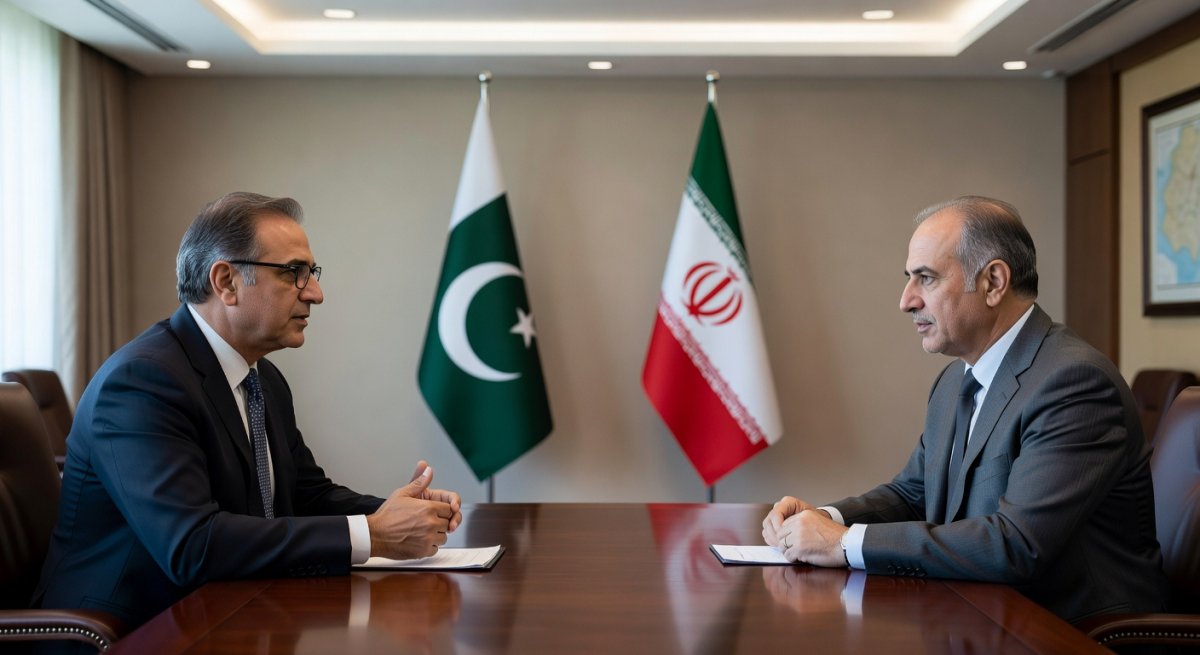
This mission reflects Pakistan's calculated effort to position itself as a credible intermediary in a conflict that has already lasted 100 days. By leveraging military-to-military ties with both Washington and Tehran, Islamabad seeks to prevent a full breakdown of the April 8 ceasefire it helped broker. The timing is critical, as fresh military incidents threaten to unravel fragile de-escalation efforts.
Analysts note that Pakistan's Sunni-majority identity and longstanding relations with Gulf states provide unique leverage in navigating Shia-Sunni fault lines. Yet the country must balance these ties against domestic sensitivities regarding Iran, a neighbor with deep cultural and sectarian connections inside Pakistan. Success here could elevate Islamabad's regional stature while failure risks entanglement in broader Middle East rivalries.
Background of the US-Iran Conflict
The US-Israel campaign against Iran began on February 28, 2026, triggered by airstrikes and the assassination of Ayatollah Ali Khamenei. Mojtaba Khamenei assumed leadership amid intense internal consolidation, inheriting a nation facing existential security threats. Iran responded by closing the Strait of Hormuz and launching missile barrages against Israeli, American, and Gulf targets, dramatically escalating the confrontation.
Pakistan-mediated talks produced a ceasefire on April 8, but the process collapsed just four days later in Islamabad. The breakdown exposed deep mistrust over verification mechanisms and sequencing of concessions. Both sides returned to military posturing, setting the stage for the current diplomatic surge.
The conflict intersects with longstanding Iranian nuclear ambitions and Israeli security calculations. For Gulf states, the war threatens energy infrastructure and diversification plans away from oil dependence. Pakistan's involvement highlights how non-Arab actors can insert themselves into Arab-Iranian flashpoints when great-power diplomacy stalls.
Pakistan's Unique Mediation Position
Islamabad conveyed a 15-point US proposal during earlier rounds, earning praise from The Guardian for Army Chief Asim Munir's role as an "unlikely peacemaker." Both Washington and Tehran maintain functional military channels with Pakistan, giving it access unavailable to most other intermediaries. Munir's May visit to Tehran further cemented these back-channel credentials.
Pakistan's leverage stems from its nuclear status, large military, and geographic position bordering both Iran and key US allies. This allows Islamabad to frame mediation as serving mutual interests in regional stability rather than alignment with either camp. However, domestic political pressures and economic vulnerabilities limit how far Pakistan can push either side.
The Sunni-Shia dimension adds complexity. While Pakistan maintains strong ties with Saudi Arabia and other Sunni Gulf states, it also shares a long border with Shia Iran and hosts significant Shia populations. Effective mediation requires careful navigation of these sectarian undercurrents alongside strategic calculations about energy routes and refugee flows.
Renewed Escalations Threatening the Ceasefire
On June 7, CENTCOM shot down two Iranian drones, while Iran had launched missiles toward Kuwait and Bahrain on June 3 that were intercepted. US strikes on Iranian radar sites in Garuk and Qeshm Island on June 5 drew sharp condemnation from Bahrain as "blatant aggression" and from Kuwait as a "dangerous escalation." These incidents illustrate how quickly tactical decisions can undermine diplomatic progress.
The pattern of action-reaction cycles risks drawing additional regional actors into the fray. Bahrain's hosting of the US Fifth Fleet makes it a symbolic and strategic target, while Kuwait's vulnerability to missile overflights highlights the interconnected nature of Gulf security. Egypt, Jordan, and Qatar have all issued statements condemning the latest round of violence.
For Pakistan, these developments underscore the urgency of its June 7 mission. Without renewed momentum, the 100-day ceasefire could collapse entirely, forcing Islamabad to choose between reinforcing its mediation role or retreating to strict neutrality to protect its own borders and economy.
Key Sticking Points in Negotiations
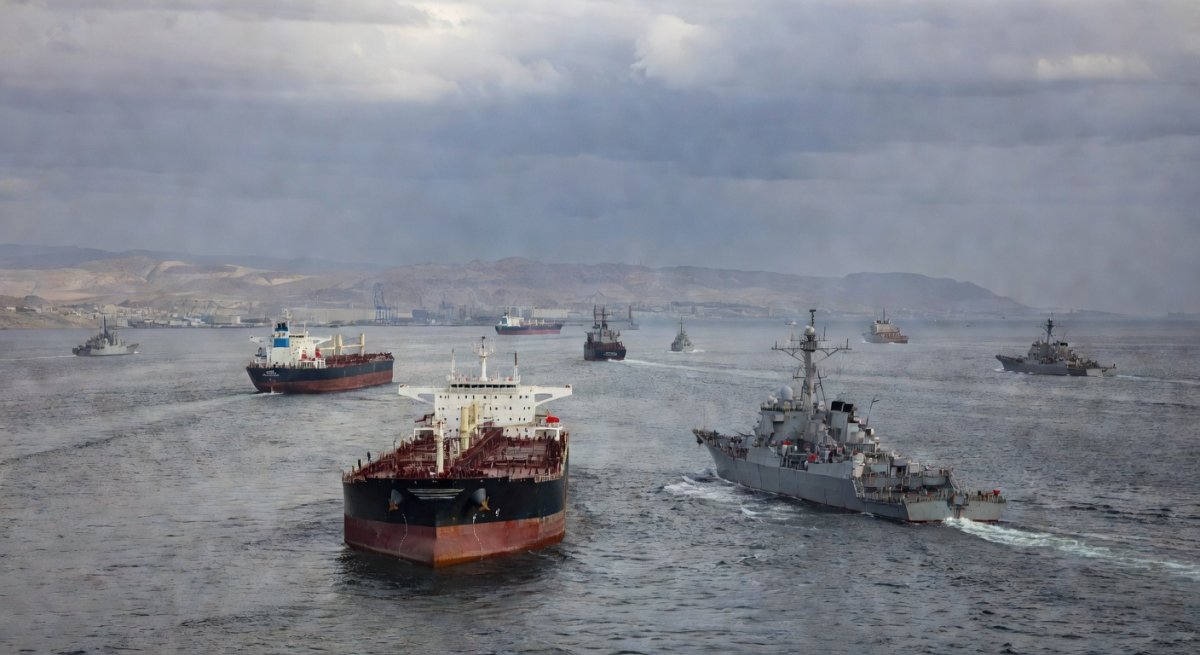
Central disputes include the release of $24 billion in frozen Iranian assets, waivers on crude oil sanctions, the US naval blockade of Iranian ports, and control over the Strait of Hormuz. Additional demands involve ending hostilities linked to Lebanon and broader de-escalation commitments. These issues form a complex web where progress on one front often stalls due to distrust on others.
Iran views asset unfreezing and sanctions relief as prerequisites for any durable agreement, while the US insists on verifiable limits on Iranian missile and nuclear activities first. Pakistan's proposal attempts to sequence these steps, but both sides remain wary of appearing weak domestically. Mojtaba Khamenei's adviser Mohsen Rezaei told CNN on June 7 that "negotiations at deadlock, Trump must break this deadlock."
President Trump has alternated between threats and optimism, stating on June 3 that a deal could be finalized "over the weekend." This rhetorical inconsistency complicates Pakistan's task, as Iranian negotiators question whether US commitments will survive domestic political shifts. The interplay between nuclear issues and conventional military balances further complicates any comprehensive settlement.
Impact on Global Oil Markets
Closure of the Strait of Hormuz threatens approximately 11 million barrels per day, representing 20 percent of global oil supply. Brent crude prices jumped 13 percent to $82 per barrel following the latest incidents, prompting Treasury Secretary Bessent to consider using frozen Iranian assets for Gulf reconstruction projects. Energy market volatility directly affects Pakistan's import bill and broader economic stability.
Gulf states face acute pressure to diversify their economies while managing immediate security threats. Higher oil prices provide short-term fiscal relief but accelerate the urgency of post-oil strategies. China and Russia stand to benefit from elevated prices and American distraction, potentially reshaping great-power alignments across the region.
Turkey watches these developments closely due to its own energy import dependence and concerns over shifting regional power balances. Any prolonged disruption risks inflationary pressures that could destabilize multiple economies simultaneously, giving Pakistan additional incentive to push for de-escalation before markets spiral further.
Regional Gulf Dynamics and Alliances
GCC states remain caught between Iranian missile threats and their security partnerships with Washington. Bahrain's role as host to the Fifth Fleet places it at the center of US operational planning, while Qatar and others seek to maintain dialogue with Tehran to avoid becoming collateral damage. This balancing act mirrors Pakistan's own diplomatic tightrope.
The Israeli-Palestinian dimension continues to influence calculations, as Iranian support for proxy groups in Lebanon and Gaza remains a core US and Israeli concern. Pakistan must account for these linkages when presenting proposals, knowing that any deal ignoring Hezbollah or Hamas dynamics will face rejection in Tehran.
Egypt and Jordan's condemnations of recent US strikes signal wider Arab discomfort with open-ended conflict. These positions create opportunities for Pakistan to build a broader coalition of states favoring negotiated outcomes over military escalation, potentially strengthening its mediation credentials across multiple capitals.
Great Power Competition and Broader Implications
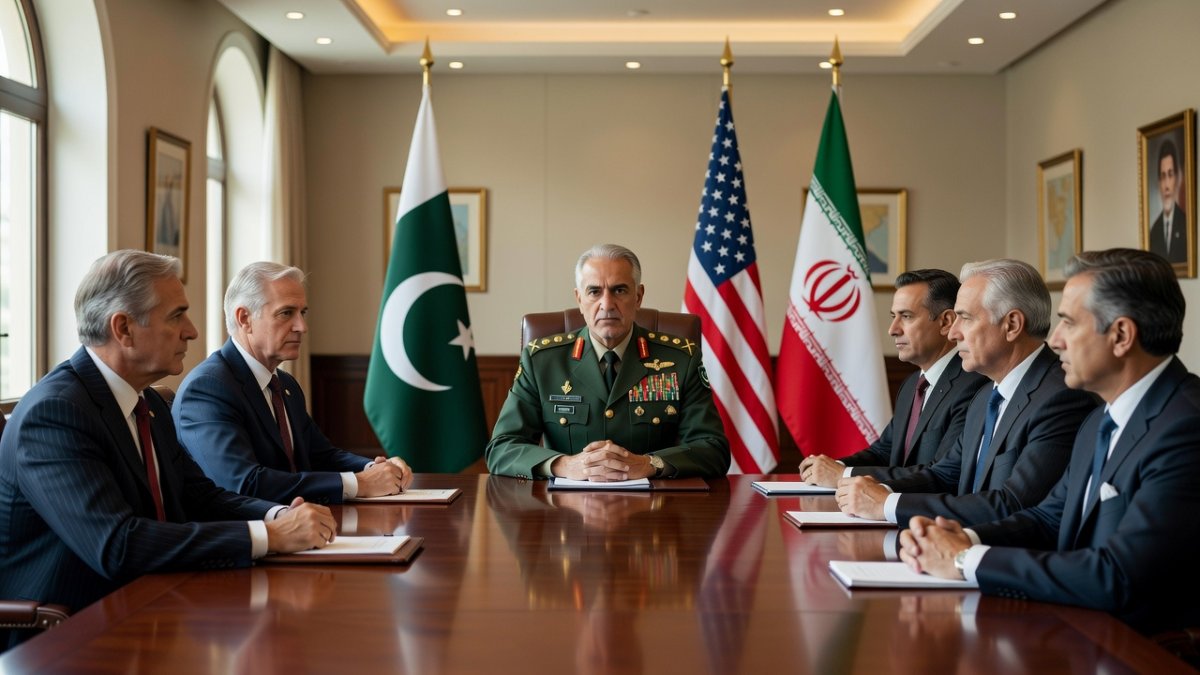
China and Russia gain strategic breathing room from prolonged US-Iran tensions, as Washington diverts resources and attention from other theaters. Higher energy prices also bolster Moscow's war economy while giving Beijing leverage in energy negotiations. Pakistan's mediation thus occurs within a wider contest for influence across the Middle East and South Asia.
Turkey's foreign policy calculus includes managing energy costs and preventing Iranian influence from expanding into its neighborhood. Ankara may quietly support Pakistani efforts if they reduce the risk of wider war, yet it remains wary of any outcome that strengthens Iran's regional position at the expense of Sunni actors.
Ultimately, the success or failure of Islamabad's current initiative will shape perceptions of Pakistan's reliability as a diplomatic actor. A stabilized ceasefire could open doors for economic cooperation and energy deals, while renewed fighting risks isolating Pakistan between competing blocs. The coming weeks will test whether Munir and Naqvi's combined military-diplomatic approach can deliver results where others have faltered. By Malik Hassan, Staff Writer
This article was produced with AI-assisted research and editorial support. Reporting is based on sources cited in the article.
What's Your Reaction?
 Like
0
Like
0
 Dislike
0
Dislike
0
 Love
0
Love
0
 Funny
0
Funny
0
 Wow
0
Wow
0
 Sad
0
Sad
0
 Angry
0
Angry
0

Middle East Correspondent at Global1.News. Based in Beirut, covering politics, conflict, energy, and society across the Middle East. Brings context and depth to a region often reduced to headlines.













Comments (0)