
US-Iran Conflict Escalates in Persian Gulf Strait of Hormuz
Escalating US-Iran Conflict Threatens Global Energy Security in the Persian Gulf Background to the Renewed US-Iran Confrontation The conflict reignited on February 28 when the United States and Israel initiated military operations against Iran. This marked the breakdown of a month-old interim ceasefire that had briefly paused direct exchanges. Both sides now compete for dominance over the Strait of Hormuz, through which roughly one-fifth of global oil and natural gas trade once flowed.
Background to the Renewed US-Iran Confrontation
The conflict reignited on February 28 when the United States and Israel initiated military operations against Iran. This marked the breakdown of a month-old interim ceasefire that had briefly paused direct exchanges. Both sides now compete for dominance over the Strait of Hormuz, through which roughly one-fifth of global oil and natural gas trade once flowed. The collapse has revived long-standing patterns of confrontation rooted in Iran’s nuclear ambitions and its network of regional proxies.
Deeper historical context traces the confrontation to the 2018 U.S. withdrawal from the JCPOA under the first Trump administration, when sanctions on Iranian oil exports were reimposed, prompting Tehran to expand its proxy activities through Hezbollah in Lebanon and PMU factions in Iraq. Timeline details show a brief détente in early 2025 collapsed after Iranian enrichment levels reached 60 percent at Natanz, according to IAEA reports cited by the Washington Institute for Near East Policy analyst Michael Knights. Oil prices surged 18 percent in the first week after February 28, while shipping insurance rates for Hormuz transits climbed to 2.8 percent of cargo value from 0.9 percent, per Lloyd’s of London data.
Regional reactions from Gulf states have been sharply divided. Saudi Arabia’s energy minister Prince Abdulaziz bin Salman warned of “unacceptable threats to OPEC+ stability,” while the UAE accelerated diversification under its Energy Strategy 2050, shifting more exports via the Habshan-Fujairah pipeline. Turkey’s foreign ministry expressed alarm over potential refugee flows, and Qatar maintained cautious mediation despite hosting U.S. bases. Great-power competition has intensified, with Russia’s foreign ministry offering to host talks in Moscow and China’s Belt and Road envoy signaling willingness to guarantee safe passage for Chinese tankers in exchange for discounted Iranian crude.
Proxy network analysis reveals coordination between the Houthis, Hezbollah, and Iraqi PMU units, with IRGC Quds Force commander Esmail Qaani reportedly directing cross-border strikes to stretch U.S. defenses. Think tank assessments from the International Crisis Group note that these networks allow Iran to impose asymmetric costs without direct confrontation.
US Airstrikes Target Iranian Infrastructure and Logistics
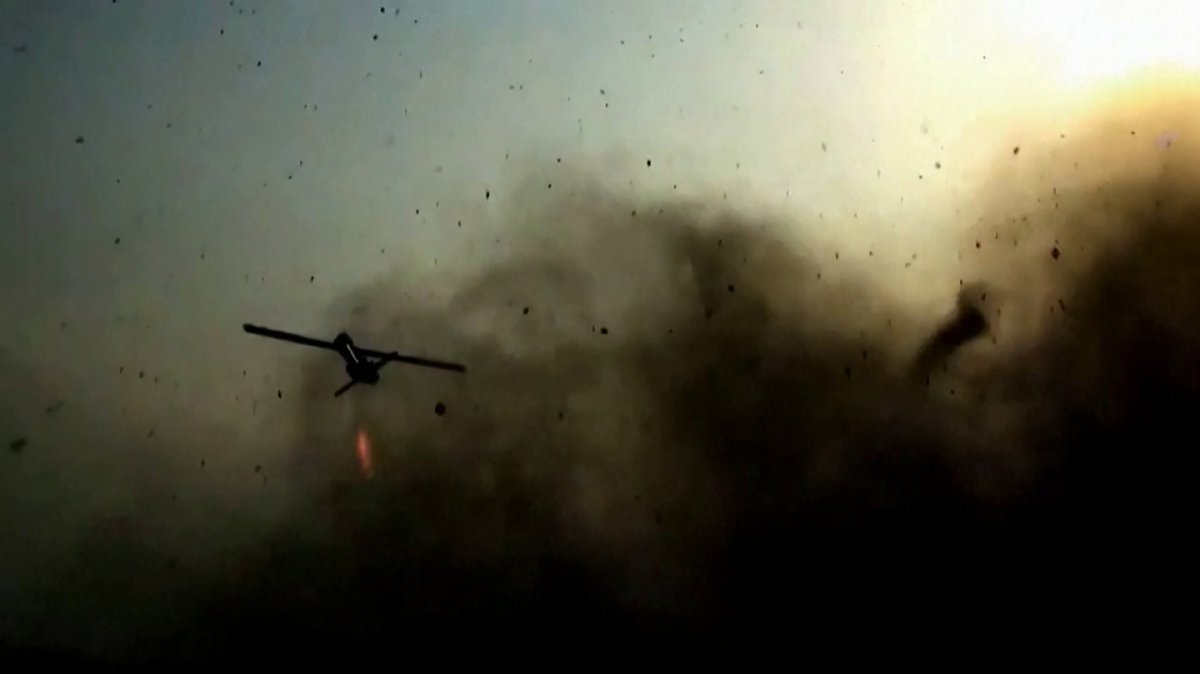
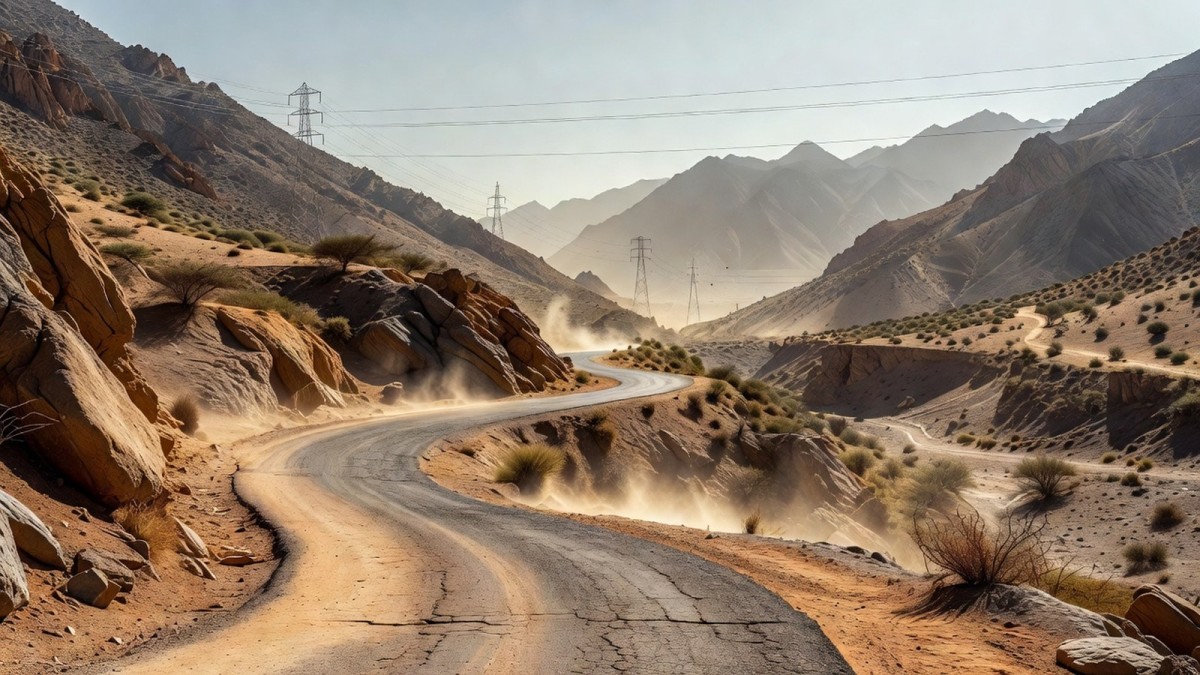
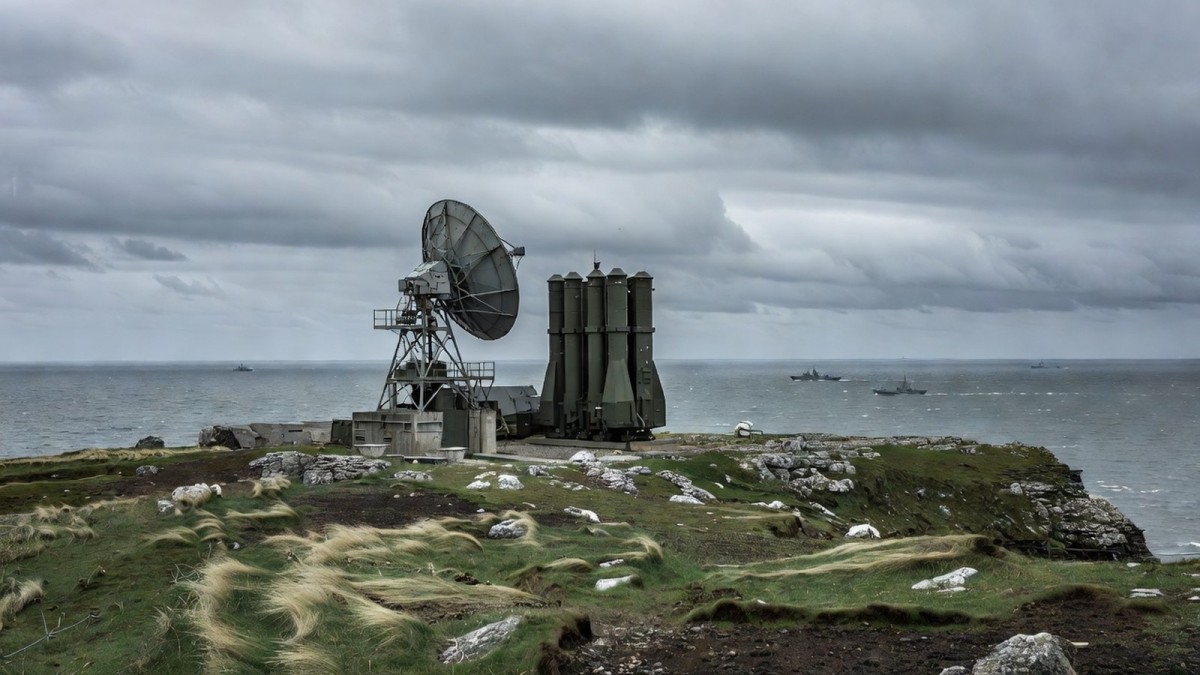
US Central Command conducted six consecutive nights of precision strikes, hitting bridges in Hormozgan province, the Chabahar port tower, and sites on Qeshm Island near Bandar Abbas. Defense Secretary Pete Hegseth publicly shared imagery of the collapsing surveillance tower to demonstrate control over maritime approaches. These operations aim to sever supply lines to Bandar Abbas, Iran’s primary port, and to degrade coastal surveillance and air defense systems. Strikes have also affected power infrastructure in southern provinces, prompting the Energy Ministry to urge reduced electricity use amid extreme heat.
Historical timelines show similar U.S. targeting of Iranian logistics during the 1980s Tanker War, when the Reagan administration mined Iranian waters. Specific sources including CENTCOM spokesperson Navy Capt. John Kirby confirmed strikes on five bridges in Bandar Khamir, killing seven civilians according to IRNA. Economic data from S&P Global Commodity Insights indicate Brent crude rose $7 per barrel within 48 hours, while container shipping costs from the Gulf to Europe increased 34 percent.
Saudi Arabia and the UAE issued joint statements urging de-escalation to protect Vision 2030 projects, while Turkey’s trade ministry reported a 12 percent drop in bilateral commerce with Iran. Proxy dynamics involve Hezbollah’s potential activation of Lebanese frontlines, and China’s foreign ministry called for an immediate ceasefire to protect its $400 billion energy investments in the region.
Iranian Missile Barrages Reach Qatar, Bahrain, and Kuwait
Tehran responded with missile and drone attacks on US-aligned targets across the Gulf. Qatar received two separate warnings on Friday as air defenses intercepted incoming projectiles, with falling debris injuring a child in Doha. Bahrain and Kuwait faced direct strikes, while Jordan intercepted three missiles. In northern Iraq, attacks struck the Iranian Kurdish dissident group Komala, killing at least nine. These actions illustrate Iran’s strategy of expanding the battlefield to impose costs on US partners and test the limits of regional air defense networks.
Timeline context reaches back to Iran’s 2019 attacks on Saudi oil facilities via Houthi proxies. Named analysts from the Gulf Research Center in Riyadh, including Abdulaziz Sager, noted Bahrain’s vulnerability due to its Shia majority. Insurance premiums for Qatari LNG carriers spiked 45 percent, and oil prices added another $4 per barrel after the Bahrain strikes.
UAE officials redirected flights from Abu Dhabi to avoid Iranian airspace, while Turkey condemned attacks on Komala as destabilizing. Great-power positioning saw Russia’s deputy foreign minister Sergei Ryabkov propose trilateral U.S.-Russia-Iran talks, and China’s state media highlighted risks to Belt and Road maritime routes.
Proxy analysis shows IRGC coordination with PMU in Iraq to target U.S. interests, potentially drawing Hezbollah into simultaneous operations.
Strait of Hormuz Blockade Disrupts Global Energy Flows
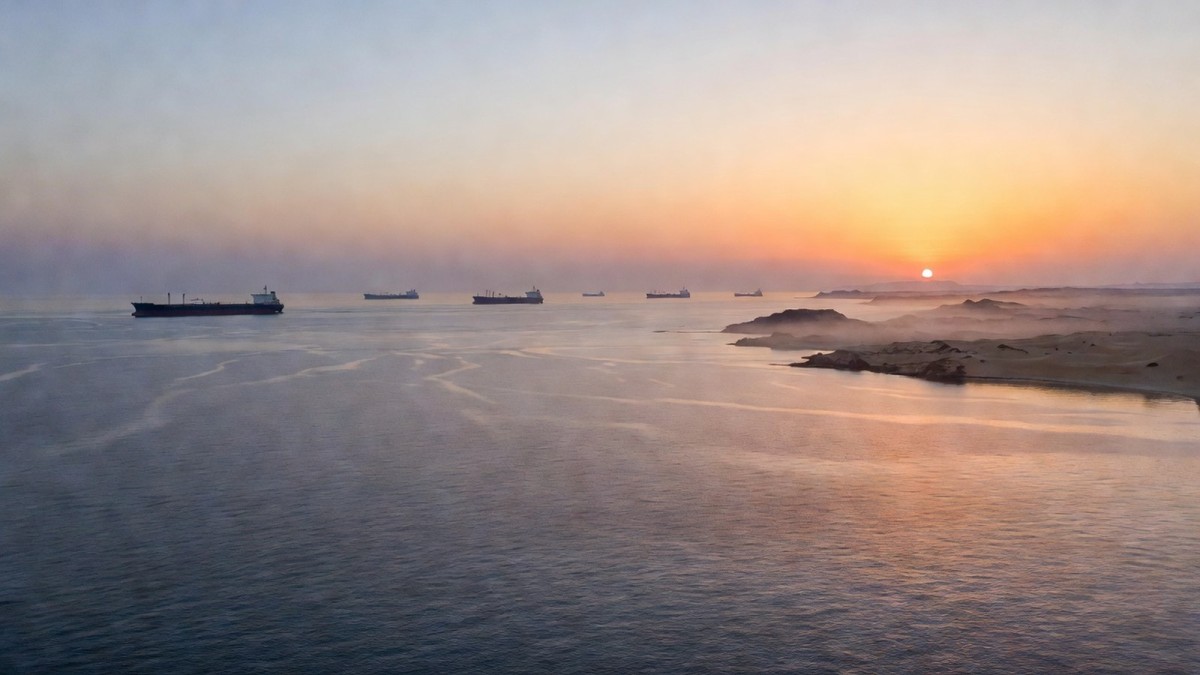
Iran has effectively closed the strait to commercial traffic, while the United States reimposed a naval blockade on Iranian ports. Weekly cargo shipments dropped nearly a quarter before the latest violence, according to Lloyd’s List Intelligence. Some tankers now transit with tracking devices disabled. Iran seeks to force all vessels through a channel near its shores and impose transit fees after a 60-day period outlined in last month’s memorandum. Washington encourages use of the Omani route instead. The resulting squeeze has already lifted global oil prices and highlighted the waterway’s leverage in negotiations.
Historical precedents include the 1984–1988 Tanker War, when Iran attacked over 200 vessels. Specific data from the International Energy Agency show daily oil flows through Hormuz fell from 21 million barrels to under 12 million, driving Brent above $95. Saudi Arabia activated the East-West pipeline at full capacity, and the UAE increased Fujairah exports by 15 percent.
Qatar warned of LNG supply risks, while Turkey faced higher import costs for Iranian gas. Russia and China positioned themselves as alternative guarantors, with Beijing offering naval escorts for its tankers.
Proxy threats include potential Houthi closure of Bab al-Mandeb, further inflating shipping rates.
Diplomatic Mediators Struggle Amid Collapsed Ceasefire
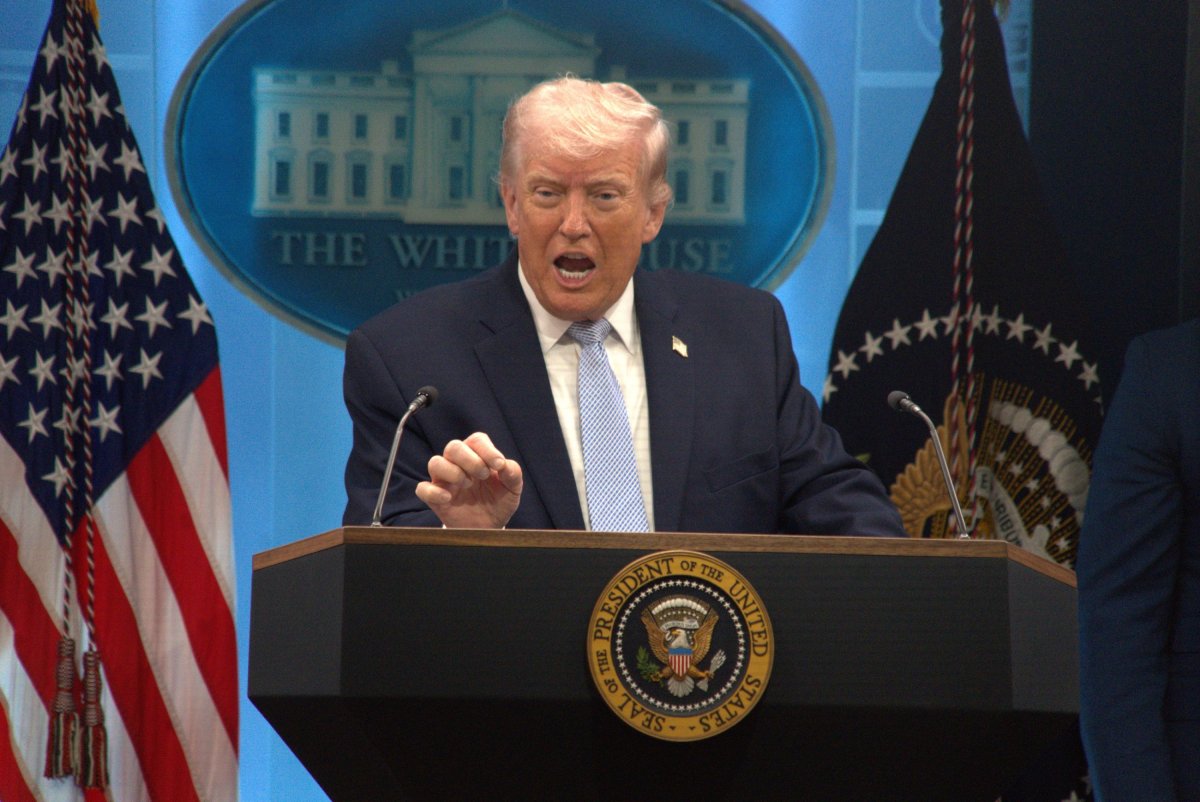
Qatar and Pakistan have acted as primary mediators, yet talks have stalled over Iran’s grip on the strait. Iranian sources indicate Tehran remains interested in preserving elements of the June memorandum but insists on establishing authority over shipping lanes. White House Press Secretary Karoline Leavitt stated that President Donald Trump remains open to diplomacy while refusing to tolerate attacks on commercial traffic. The impasse reveals the difficulty of reconciling Iran’s desire for economic leverage with American insistence on freedom of navigation.
Timeline details reference the June 2025 memorandum signed in Geneva. Sources from the Atlantic Council’s Barbara Slavin noted Iran’s insistence on transit fees. Oil market volatility added $3 billion weekly to global import costs.
Saudi Arabia pushed for OPEC+ emergency meetings, the UAE accelerated nuclear energy plans, and Turkey offered Ankara as a neutral venue. Russia and China advocated for UN Security Council involvement to counter U.S. naval dominance.
Strategic Calculus and Second-Order Regional Effects
Each side pursues clear objectives. The United States seeks to degrade Iran’s ability to control the strait and deter further proxy activity. Iran aims to extract concessions on sanctions relief and transit fees while demonstrating that military pressure can raise costs for Gulf monarchies. Second-order effects include accelerated Gulf state diversification under Vision 2030 programs, heightened Sunni-Shia tensions through expanded proxy involvement, and renewed questions about the durability of Abraham Accords normalization. Turkey and Egypt watch warily as energy price spikes affect their economies, while Russia and China assess opportunities to fill diplomatic vacuums.
Analysts at the Carnegie Endowment highlighted risks to Abraham Accords. Saudi diversification investments reached $180 billion under Vision 2030 amid higher energy revenues. Proxy networks linking Houthis and Hezbollah could widen the conflict.
China’s diplomatic positioning includes offers to mediate energy transit guarantees, while Russia seeks leverage over European gas markets.
Humanitarian Impact and Internal Iranian Pressures
Iran’s Health Ministry reported at least 38 deaths and more than 400 wounded from US strikes as of Friday morning. Residents in Tehran express exhaustion with renewed fears of war, with one government employee calling for diplomacy to prevail. Attacks on power facilities and bridges risk compounding hardships for Iran’s 90 million people. These domestic strains could influence Tehran’s willingness to sustain the current level of escalation or seek an off-ramp before further infrastructure damage occurs.
Historical parallels exist with 1980s wartime rationing. Tehran City Council member Mehdi Chamran confirmed widespread power outages. Economic data show Iranian rial depreciation of 22 percent since February 28.
Regional reactions included UAE humanitarian aid offers, while Turkey monitored border refugee movements. China expressed concern over civilian infrastructure targeting.
Outlook for Energy Markets and Broader Stability
Continued disruption through the strait and potential Iranian encouragement of Houthi action at the Bab al-Mandeb Strait threaten further volatility in global energy markets. OPEC+ diplomacy will face new tests as members balance output decisions against uncertain shipping volumes. The crisis also tests great-power competition in the region, with Washington seeking to reassert deterrence while Beijing and Moscow position themselves as alternative interlocutors. Without renewed negotiations, the risk of wider involvement by additional actors remains elevated.
IEA projections indicate oil could reach $110 if Bab al-Mandeb closes. Saudi Arabia and UAE coordinated OPEC+ output hikes. Russia and China advanced alternative security frameworks.
What Comes Next
Three primary scenarios emerge. A negotiated off-ramp could see Iran accept limited transit monitoring in exchange for partial sanctions relief, with Qatar and Oman as guarantors. Escalation risks include Iranian closure of Bab al-Mandeb via Houthi proxies, pushing oil above $120 per barrel.
Analysts at the Brookings Institution outline a third path of managed containment involving U.S.-China coordination to protect commercial lanes. Proxy networks may test boundaries in Iraq and Lebanon before any settlement.
Great-power positioning suggests Russia could offer energy transit guarantees, while Beijing prioritizes stable crude supplies for its economy. By Malik Hassan, Staff Writer
This article was produced with AI-assisted research and editorial support. Reporting is based on sources cited in the article.
What's Your Reaction?
 Like
0
Like
0
 Dislike
0
Dislike
0
 Love
0
Love
0
 Funny
0
Funny
0
 Wow
0
Wow
0
 Sad
0
Sad
0
 Angry
0
Angry
0
Middle East Correspondent at Global1.News. Based in Beirut, covering politics, conflict, energy, and society across the Middle East. Brings context and depth to a region often reduced to headlines.










Comments (0)