
Cuba Faces Third Nationwide Blackout Amid Deepening Energy Crisis
On Tuesday evening, Cubans in several locations across the island took to the streets banging pots to voice their anger over the latest nationwide power cut, marking the third such outage this year and underscoring the deepening energy crisis that has left millions without reliable electricity. This spontaneous form of protest, often met with harsh penalties in Communist-run Cu
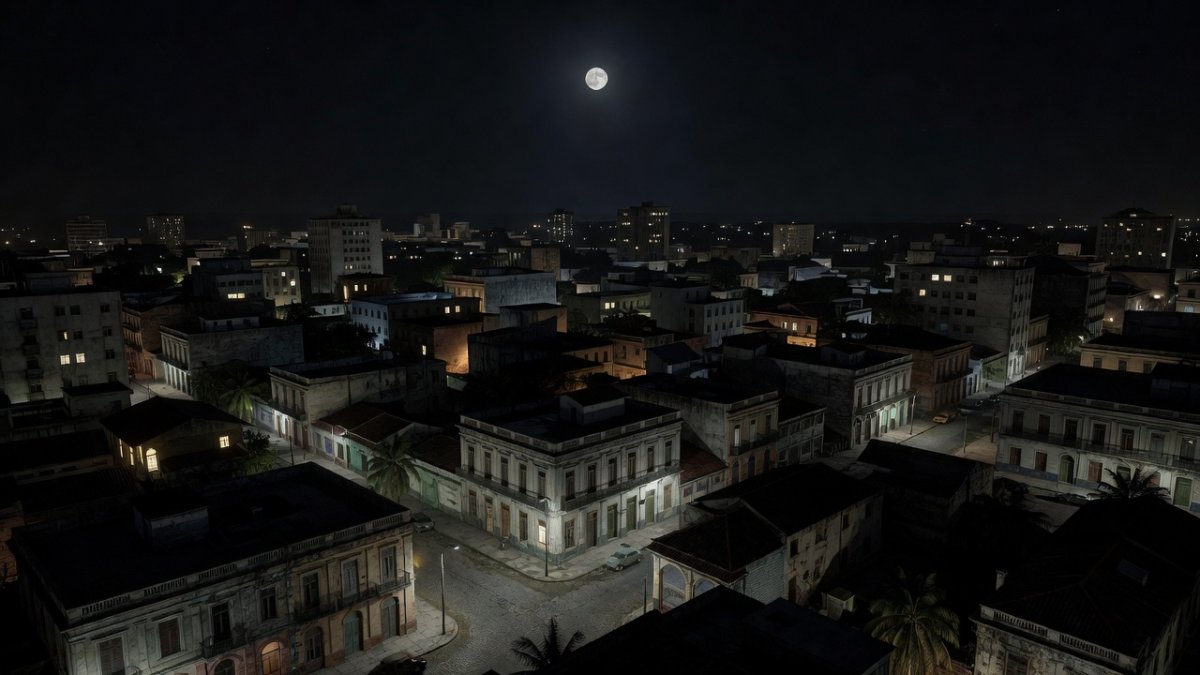
On Tuesday evening, Cubans in several locations across the island took to the streets banging pots to voice their anger over the latest nationwide power cut, marking the third such outage this year and underscoring the deepening energy crisis that has left millions without reliable electricity. This spontaneous form of protest, often met with harsh penalties in Communist-run Cuba, erupted particularly in the worst-affected areas where residents have endured prolonged darkness, highlighting how fuel shortages compounded by external pressures have pushed public patience to its limits and connected directly to broader economic strains felt throughout Latin America.
Cuba's Third Nationwide Blackout: What Happened
The unplanned outage began on Monday, triggering rolling blackouts that plunged rural areas into up to 70 hours of darkness at a stretch while urban centers faced as many as 30 hours without power, with the state electricity company offering no clear explanation for the sudden failure that affected the entire nation. Santiago de Cuba, the island's second-largest city and a key cultural hub in the eastern region, remained completely dark into Tuesday evening, even as officials claimed that power had been mostly restored elsewhere, prompting locals to shout "turn on the lights!" in visible displays of frustration that echoed through neighborhoods already strained by daily hardships.
These extended outages have rippled through Cuba's economy, disrupting agricultural production in rural zones around Santiago de Cuba and halting small-scale manufacturing that supports local markets, much like similar energy disruptions seen in other parts of Latin America where infrastructure vulnerabilities intersect with political tensions. The lack of transparency from authorities has only fueled speculation among residents, who connect these blackouts to wider regional challenges including trade barriers that limit access to essential resources, leaving communities in places like Havana's outskirts and eastern provinces to improvise amid uncertainty that threatens both immediate survival and long-term stability.
Fuel Shortages and the US Oil Blockade
US sanctions and an effective oil blockade have intensified fuel shortages across Cuba, rendering generators useless even for those who possess them and turning what might have been temporary fixes into prolonged crises that hit hardest in remote areas dependent on imported supplies. Since January, actions by the Trump administration have included fresh sanctions and tariff threats directed at countries providing fuel to the island, effectively tightening the noose on energy imports and exacerbating the vulnerabilities of an economy already isolated from broader Latin American trade networks that could otherwise offer alternatives.
This blockade has direct consequences for Cuba's position within the Caribbean economy, where reliance on external oil flows mirrors challenges faced by neighboring islands struggling with similar geopolitical pressures, leading to higher costs for transportation and food distribution that ripple outward to affect tourism sectors in places like Varadero and agricultural exports from central provinces. Residents and analysts alike note how these measures, building on years of restrictions, have isolated Cuba further from regional cooperation efforts that might diversify energy sources and stabilize supplies amid fluctuating global markets.
Díaz-Canel's Response and Public Anger
President Miguel Díaz-Canel, in an interview with Claridad, openly acknowledged the spreading discontent by stating there are shortages of transport, food, medicines, and lengthy power cuts lasting more than 20 hours that cause dissatisfaction, with nobody able to be happy as the people suffer under these conditions. He urged Cubans to direct their pot-banging protests toward the United States as the source behind these power cuts, framing the anger as a response to external interference rather than internal policy shortcomings that have left the nation in repeated darkness.
Foreign minister Bruno Rodríguez reinforced this stance by describing the situation as multi-dimensional, non-conventional warfare that has become ever more cruel over the last seven months, a characterization that ties into ongoing tensions affecting Cuba's relations with Latin American neighbors who have historically offered solidarity during times of crisis. These public statements have done little to quell the spontaneous protests, as residents in affected areas continue to express frustration through pot-banging, reflecting deeper cultural traditions of communal expression in the face of adversity that resonate across the region.
Washington's Position and Escalating Tensions
US Ambassador to the UN Michael Waltz addressed the situation at the UN General Assembly by calling on Cuban leaders to change their ways and turn the lights back on for their people, while noting that there always seems to be enough power for the Cuban dictatorship amid the ongoing shortages. This rhetoric has escalated tensions since January, when accusations of threats to US national security led to rapid deterioration in relations, including the seizure of Venezuelan President Nicolás Maduro and subsequent musings that Cuba was ready to fall, followed by charges against Raúl Castro for murder.
Such developments have complicated Cuba's energy security by deterring potential fuel shipments from regional partners wary of secondary sanctions, a dynamic that echoes broader US influence over Latin American energy politics and leaves island nations like those in the Caribbean particularly exposed to supply chain disruptions. The public barbs from Washington have overshadowed any immediate relief for blacked-out communities, reinforcing a cycle of isolation that impacts economic ties with countries across the hemisphere.
Climate Resilience and Energy Infrastructure in Latin America
Blackouts like those in Cuba severely undermine hurricane preparedness by disabling water pumps essential for flood control, compromising medicine refrigeration in clinics, and disrupting early warning systems that rely on consistent electricity to broadcast alerts to vulnerable coastal populations in places such as Santiago de Cuba. Without reliable power, communities cannot adequately stockpile resources or coordinate evacuations, a vulnerability amplified during storm season when Latin American nations from the Caribbean to Central America face increasing climate threats that demand robust infrastructure.
Similar grid vulnerabilities appear in Brazil's Amazon diesel-dependent plants, where remote communities endure frequent outages that hinder economic development and environmental monitoring, and across Caribbean island power systems that struggle with imported fuel dependencies during extreme weather events. These parallels highlight how Cuba's crisis is not isolated but part of a regional pattern where energy insecurity intersects with climate risks, leaving populations in hurricane-prone zones without the tools to adapt effectively.
Regional cooperation on renewable cross-border initiatives could address these gaps, yet political barriers rooted in sanctions and differing alliances have stalled progress, as seen in stalled projects that might link solar or wind resources from one nation to another in need. For Cuba and its neighbors, building resilient systems requires overcoming these divides to ensure that future storms do not compound existing energy shortfalls into humanitarian emergencies.
Private Talks, No Progress
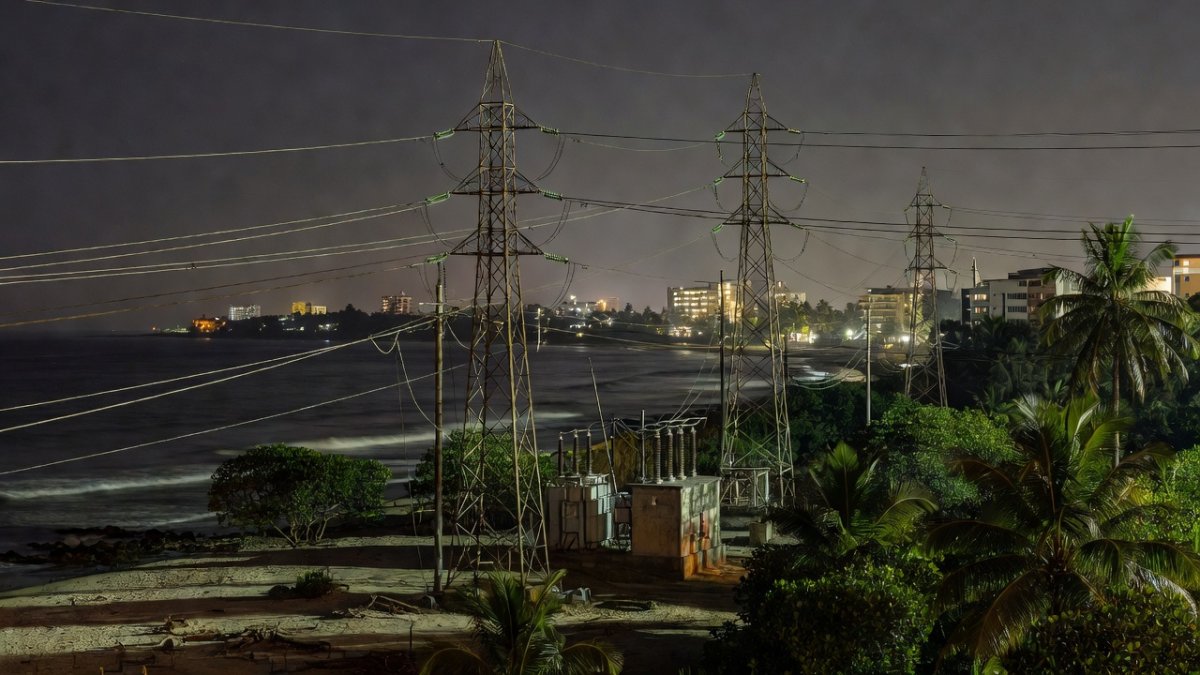
Despite the public exchanges of blame, secret talks between the US and Cuba have taken place in recent weeks, though Foreign Minister Bruno Rodríguez reported that they show no progress while leaving the door open for dialogue based on mutual respect and non-interference in Cuba's internal affairs. This cautious stance reflects the delicate balance Cuba maintains in its foreign policy, seeking avenues for relief on energy issues without conceding ground on sovereignty amid ongoing sanctions that block fuel imports.
The lack of advancement in these private discussions means continued uncertainty for energy stability, as unresolved tensions prevent the kind of regional partnerships that could bring alternative supplies from Latin American allies and ease the burden on an already strained grid. Without breakthroughs, the cycle of blackouts risks deepening economic disruptions that affect everything from daily commerce in Havana to agricultural output in eastern provinces.
The Broader Implications for Regional Energy Security
Cuba's crisis reveals critical vulnerabilities in Latin America's energy landscape, where over-reliance on single sources and external political pressures can cascade into widespread outages that threaten economic growth and social stability across the hemisphere. Diversified generation through renewables offers a path forward, yet political barriers including sanctions and ideological divides have prevented the cross-border initiatives needed to share resources effectively among nations facing similar challenges.
The outlook remains uncertain as long as these barriers persist, with Cuba's repeated blackouts serving as a warning that energy insecurity can fuel public unrest and economic decline, underscoring the need for cooperative frameworks that prioritize resilience over confrontation in a region increasingly tested by global shifts.
The Human Cost of Energy Insecurity
Families across Cuba endure the human cost of energy insecurity through spoiled food without refrigeration, medical equipment failing in homes and clinics, and children forced to study by candlelight in darkened rooms, all of which compound daily stresses in communities already navigating shortages of transport, food, and medicines. These conditions disrupt education, health, and livelihoods, particularly in rural areas where up to 70 hours without power can mean lost harvests and stalled small businesses that form the backbone of local economies.
Economic disruption extends to urban centers like Santiago de Cuba, where prolonged darkness halts market activities and informal trade that sustains many households, mirroring the broader toll on Latin American societies where energy gaps widen inequalities and limit opportunities for recovery. As protests continue through pot-banging, the personal toll underscores how these outages are not merely technical failures but profound challenges to quality of life that demand urgent attention.
By Elena Vasquez, Staff WriterThis article was produced with AI-assisted research and editorial support. Reporting is based on sources cited in the article.
What's Your Reaction?
 Like
0
Like
0
 Dislike
0
Dislike
0
 Love
0
Love
0
 Funny
0
Funny
0
 Wow
0
Wow
0
 Sad
0
Sad
0
 Angry
0
Angry
0

Latin America Correspondent at Global1.News. Based in Mexico City, covering politics, economics, energy, and culture across the region. Brings an on-the-ground perspective to stories spanning from the Rio Grande to Patagonia.












Comments (0)