
King Kazu Scores Again: Miura, 59, Nets First Goal in Four Years
Kazuyoshi Miura has done it again. At 59 years old, the world's oldest professional footballer — known from Tokyo to Tokyo as "King Kazu" — found the back of the net for the first time in nearly four years, sending a jolt of joy through the football world that reverberated from the Emperor's Cup in Japan all the way to the stands of South Africa.
Kazuyoshi Miura has done it again. At 59 years old, the world's oldest professional footballer — known from Tokyo to Tokyo as "King Kazu" — found the back of the net for the first time in nearly four years, sending a jolt of joy through the football world that reverberated from the Emperor's Cup in Japan all the way to the stands of South Africa. In a sport increasingly obsessed with youth, athleticism, and the relentless physical demands of modern football, Miura's 52nd-minute strike for Fukushima United is more than just a goal. It is a statement.
King Kazu Scores Again: Miura, 59, Nets First Goal in Four Years for Fukushima United
Fukushima, Japan — July 27, 2026 — When Kazuyoshi Miura stepped onto the pitch for Fukushima United this weekend, few could have predicted that the 59-year-old would produce a moment reminiscent of his heyday in the 1990s. But that is precisely what happened, as Miura scored in the 52nd minute of a dominant 7-0 victory over Iwaki Furukawa, advancing his side in the Emperor's Cup and etching another chapter into the annals of football history.
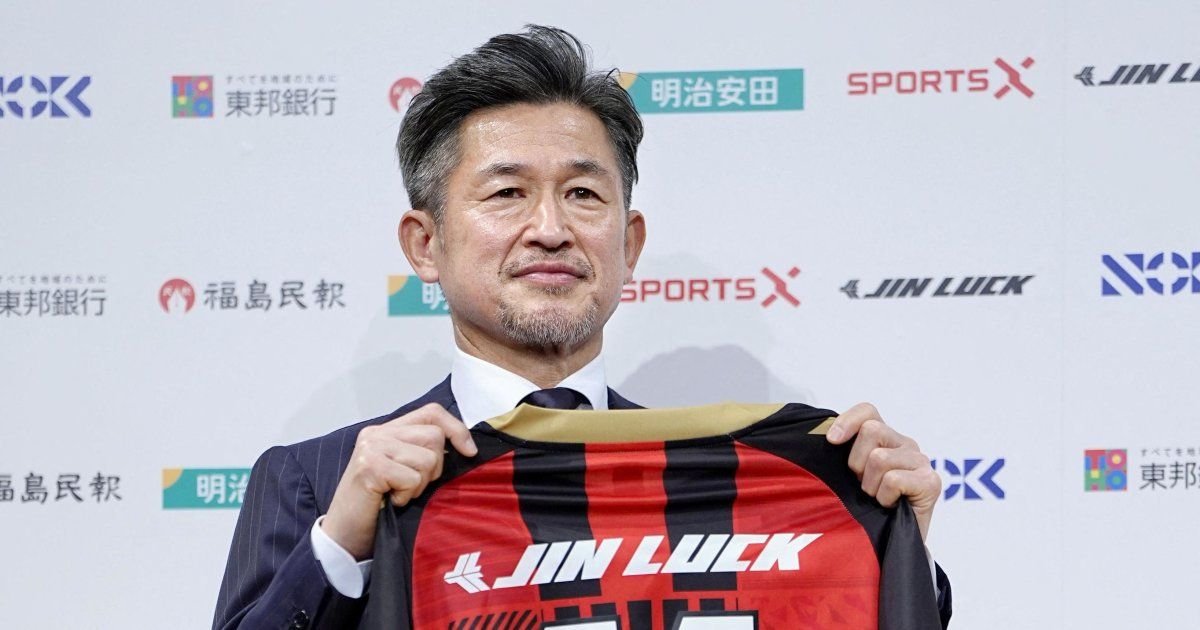
King Kazu Delivers Again at 59
Kazuyoshi Miura scored in the 52nd minute for Fukushima United in a 7-0 Emperor's Cup win over Iwaki Furukawa on Saturday. The 59-year-old forward's strike marked his first competitive goal since November 2022. Fukushima United advanced in the competition after the thrashing, and Miura was substituted three minutes after the goal. The moment drew immediate celebrations from teammates on the pitch and the bench.
The match atmosphere at the Emperor's Cup fixture carried real intensity as Fukushima United secured their 7-0 victory over Iwaki Furukawa on Saturday. Supporters in the stands saw the 59 year old forward strike in the 52nd minute before his substitution three minutes later. The Emperor's Cup holds special weight in Japanese football because it gives third division clubs like Fukushima United a platform to compete and advance through the rounds.
Miura's goal drew immediate reactions from teammates on the pitch and the bench, underlining how the football world continues to follow his every move at this stage of his career. Scoring again at 59 shows what sustained fitness and club commitment can deliver when motivation stays high. The moment reinforces that age alone does not end a player's contribution in domestic cup football.
Extending a 42nd Professional Season
Miura extended his loan from Yokohama FC to Fukushima United until June 2027. He made six appearances during the shortened 2026 campaign with the J-League third division side. Japan's professional leagues will switch to an autumn-to-spring calendar, allowing Miura to enter his 60s while still under contract. He has stated he will not retire until he turns 60.
Miura began his career with Brazilian side Santos in 1986 and later played in Italy, Croatia and Australia. He scored 55 goals in 89 appearances for Japan and became the face of the J-League at its 1993 launch. His current spell keeps him active in domestic cup football despite not featuring for Yokohama FC since 2020.
What Miura's Longevity Means for SA Football
South African football fans watch Miura's milestone and ask direct questions about player development under SAFA. The federation oversees national teams and domestic structures that have produced veterans such as Doctor Khumalo and Lucas Radebe. Those players carried South African pride into European leagues and returned with experience that shaped local coaching and youth pathways.
Miura's continued presence at Fukushima United shows clubs can retain older players when fitness and motivation remain high. SAFA's grassroots programmes and the MultiChoice Diski Challenge already emphasise technical development across age groups. Miura's example reinforces the value of long careers for knowledge transfer to younger squads at clubs like Kaizer Chiefs and Orlando Pirates.
South African football fans view veteran players through the lens of PSL clubs such as Kaizer Chiefs, Orlando Pirates and Mamelodi Sundowns, where experience often guides younger squads during tough campaigns. Japanese football culture places strong value on retaining older players when fitness allows, a contrast that prompts local supporters to question how SAFA structures support extended careers. SuperSport and MultiChoice bring J-League matches and global football to South African audiences each week, letting fans compare these approaches directly.
Legends like Doctor Khumalo and Lucas Radebe played well into their thirties and returned with knowledge that shaped coaching pathways back home. Miura's spell at Fukushima United highlights how clubs can keep older players active when medical and training support remains consistent. SAFA's grassroots programmes and the MultiChoice Diski Challenge already focus on technical growth across age groups, and Miura's example adds weight to calls for similar long-term planning at domestic level.
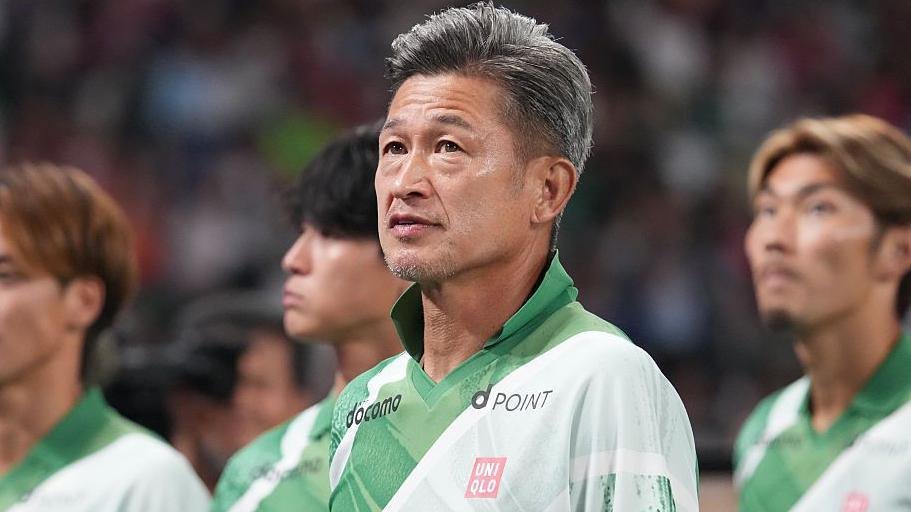
SA Legends and the Global Game
Lucas Radebe's time at Leeds United and Benni McCarthy's spells at Porto and Blackburn Rovers gave South African supporters a direct link to European football. Those careers lasted into the mid-30s and demonstrated that disciplined preparation extends playing years. Miura, still scoring at 59, widens the conversation about what sustained physical conditioning can achieve.
Local fans compare these journeys when discussing transformation targets set by SASCOC. Veteran players who maintain standards abroad return with tactical insight that benefits SAFA national teams. Miura's record adds weight to arguments that age limits should be set by performance rather than calendar years alone.
Age in Football After the 2026 World Cup
The recent World Cup final on July 19, 2026, saw Spain defeat Argentina 1-0, with Ferran Torres scoring the winner in extra time. That tournament highlighted athletic demands on players across all positions. Miura's goal days later in the Emperor's Cup places individual longevity alongside the collective peak performances seen in Qatar.
South African supporters follow both narratives through SuperSport broadcasts. They see Miura's 42nd season as proof that professional structures in Japan support extended careers. SAFA and domestic clubs can examine similar support systems, including medical and training protocols, to help local players extend their own timelines.
The 2026 World Cup final on July 19 at MetLife Stadium in New Jersey saw Spain defeat Argentina 1-0 through Ferran Torres' extra-time goal, showcasing the peak physical demands placed on players across every position. Miura's Emperor's Cup strike days later places individual longevity next to those collective high-performance displays. South African supporters follow both stories through SuperSport broadcasts that cover the tournament and J-League action.
This contrast highlights football's wide age spectrum, where FIFA structures accommodate both emerging talents and veterans through different competition pathways. South Africa's 2010 World Cup legacy and the development routes SAFA has built since then show how national federations can create environments that stretch careers. Local clubs can study Japan's medical and welfare protocols to help players extend their timelines beyond conventional limits.
National Pride and the Road Ahead
Miura remains a major draw for fans in Japan and internationally. His story travels to South Africa through global coverage and sparks debate in stadiums and on social platforms about how SA Rugby and Cricket South Africa already celebrate long-serving athletes. Football can adopt parallel respect for experience while pushing transformation at every level.
The 7-0 result and Miura's contribution show that third-tier competition still offers meaningful minutes. For South African players eyeing moves abroad or returning from overseas, the lesson is clear: consistent preparation and club commitment can stretch careers beyond conventional expectations. Miura's loan extension until June 2027 keeps that possibility alive for the next season.
Miura's loan at Fukushima United runs until June 2027 and he has stated he will continue until he turns 60, keeping the door open for further domestic cup minutes. South African football can learn from the J-League's move to an autumn-to-spring calendar, which supports player welfare and career length through better recovery periods. Recent South African players who extended their time abroad demonstrate that consistent preparation and club backing can stretch careers past typical expectations.
National pride in long-serving athletes already exists in SA Rugby and Cricket South Africa, and football can adopt similar respect for experience while driving transformation. The 7-0 result and Miura's contribution prove third-tier competition still offers meaningful opportunities. For South African players eyeing moves overseas or returning home, the lesson centres on disciplined training and club commitment that keep careers alive into later years.
By Dante Williams, Staff WriterThis article was produced with AI-assisted research and editorial support. Reporting is based on sources cited in the article.
What's Your Reaction?
 Like
0
Like
0
 Dislike
0
Dislike
0
 Love
0
Love
0
 Funny
0
Funny
0
 Wow
0
Wow
0
 Sad
0
Sad
0
 Angry
0
Angry
0

Breaking News and Investigations Correspondent at Global1.News. Based in London, covering global breaking news, security, and investigative stories. Known for digging deeper and connecting the dots across continents.














Comments (0)