
Delhi Floods 2026: 72.6mm Rain Kills 3 Amid Health Emergency
Keywords: Delhi rainfall 2026, IMD red alert, Rohini building collapse, waterborne diseases Delhi, MCD drainage failure, monsoon health risks India, urban flooding public health, extreme rainfall climate change Delhi recorded 72.6 mm of rainfall in the 24 hours ending 8:30 am on July 9 2026, with Safdarjung observatory logging the figure while Lodhi Road measured 80.2 mm. The I
Delhi recorded 72.6 mm of rainfall in the 24 hours ending 8:30 am on July 9 2026, with Safdarjung observatory logging the figure while Lodhi Road measured 80.2 mm. The India Meteorological Department issued a red alert for all 11 districts of the National Capital Territory, from Central and New Delhi to North West, South West and Shahdara. Three people died when a four-storey under-construction building collapsed in Rohini Sector 16 at 4:20 pm, underscoring how extreme rainfall now directly threatens life and health infrastructure in India’s capital.
Delhi's Monsoon Crisis: 3 Dead, City Submerged as 72.6mm Rainfall Triggers Flood Chaos and Public Health Emergency
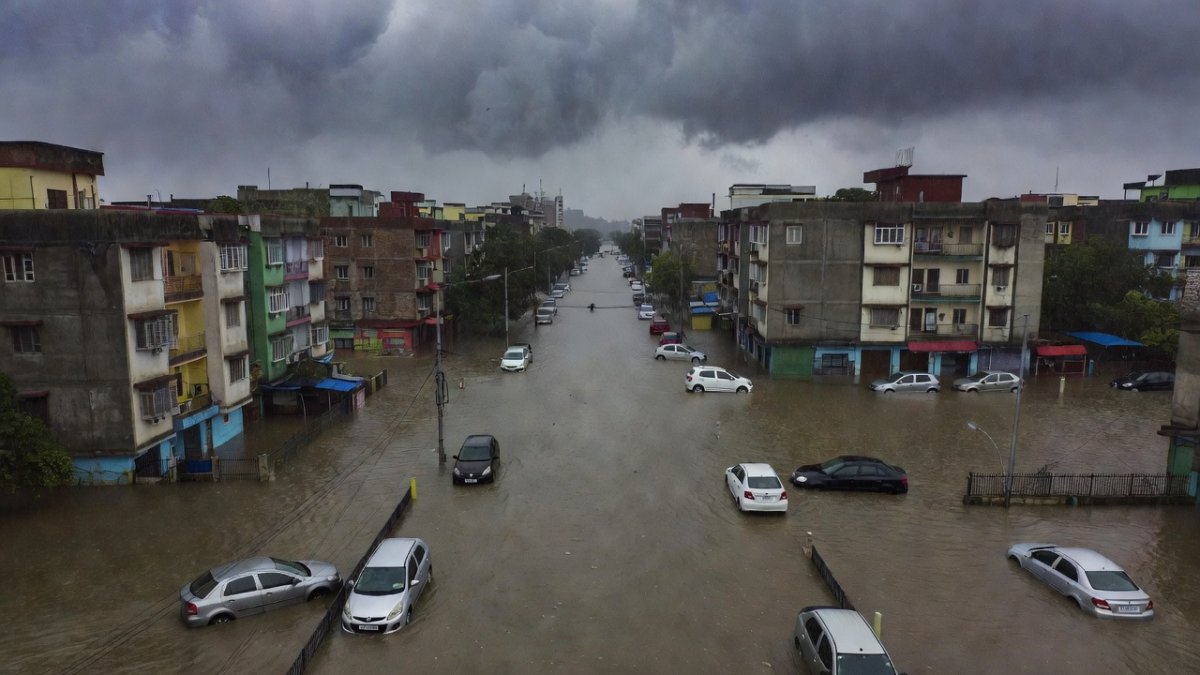
New Delhi, July 9, 2026 — Overnight rain turned major arterial roads into rivers and felled trees in East of Kailash and outside the National Heart Institute. The well-marked low-pressure system over northwest Madhya Pradesh and adjoining southwest Uttar Pradesh sustained the downpour, pushing Delhi’s 2:30 am temperature to 25.8 °C while the city’s AQI remained at a satisfactory 61. Across India more than 60 people have died in rain-related incidents this season, with additional landslides reported in Kerala and Maharashtra.
A City Under Water: The Scale of the Deluge
Waterlogging choked Sadar Bazar, Greater Kailash, Badarpur, Nasirpur, Teliwara, Mahavir Bazar, Swarup Nagar, Kushak Road, Munirka, Dwarka, Vikas Marg and the New Delhi Railway Station area. Traffic on the Ring Road, Outer Ring Road, Delhi-Noida Expressway and NH-48 near Dhaula Kuan, Mahipalpur and Rajokri came to a standstill for hours. In neighbouring Gurugram, roads near Narsinghpur, Basai, Umang Bhardwaj Chowk, Kadipur, Sector 10A and Sohna Road were inundated. These repeated disruptions impose direct economic costs on daily wage workers and small businesses that rely on predictable mobility across the National Capital Region.
Building Collapse in Rohini: A Preventable Tragedy
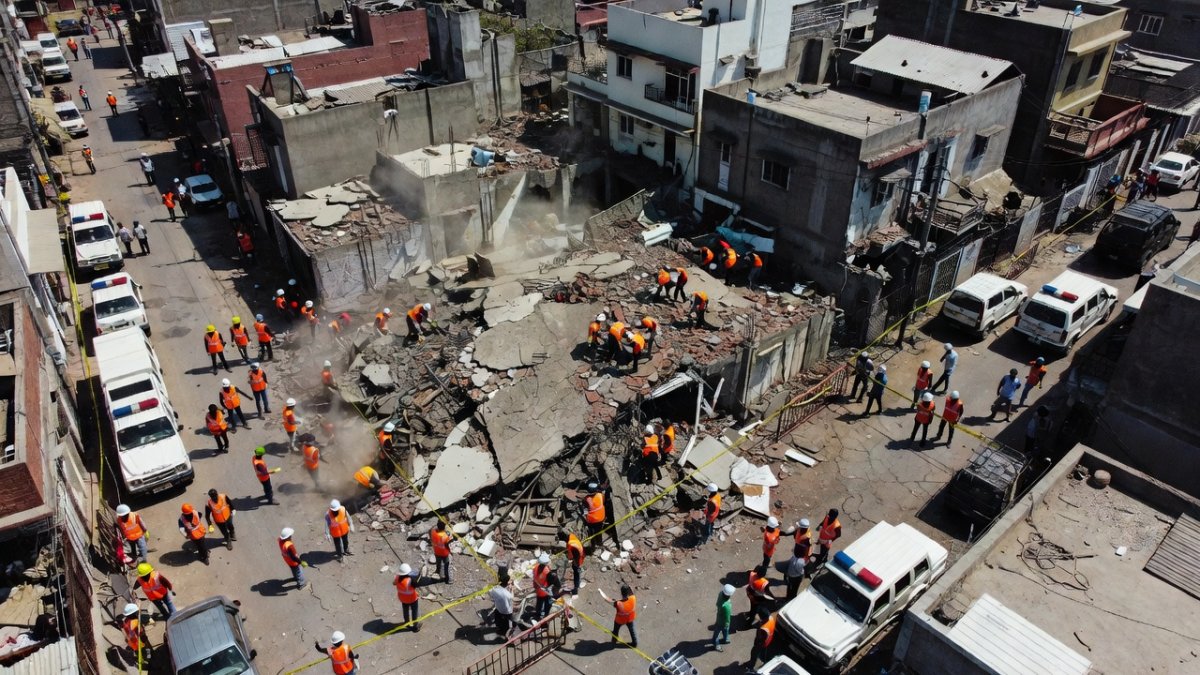
The four-storey structure in Rohini Sector 16 collapsed at 4:20 pm, killing three people and trapping others under debris. Rescue teams pulled four survivors from the rubble. The incident occurred hours after the red alert was in force, raising questions about Municipal Corporation of Delhi inspection protocols for under-construction buildings. Weak enforcement of building codes in high-density districts such as North West Delhi directly endangers construction workers and nearby residents, many of whom are low-income migrants whose families bear the long-term healthcare costs of such accidents.
Public Health Emergency: Waterborne Diseases and Vector Risks
Stagnant flood water creates immediate breeding sites for Aedes and Anopheles mosquitoes, elevating the risk of dengue, malaria and chikungunya in areas such as Dwarka, East Delhi and South West Delhi. Health authorities must also monitor leptospirosis and typhoid, both of which spread through contaminated flood water. Delhi’s municipal health centres already operate at capacity during monsoon months; any surge in cases will strain the limited stock of rapid diagnostic kits and hospital beds. Taxpayers ultimately fund the emergency response and subsequent treatment, highlighting the need for preventive investment in drainage rather than reactive spending after each extreme event.
IMD Alert System and Urban Infrastructure Gaps
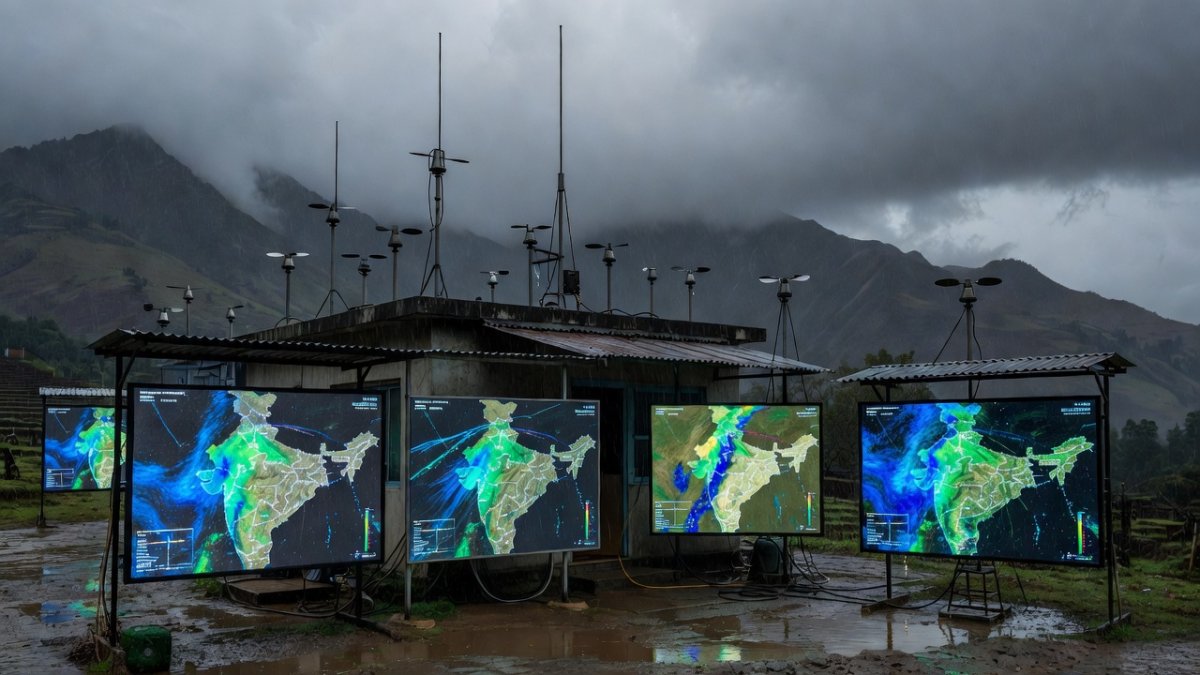
The IMD’s red alert covered Faridabad, Karnal, Palwal, Panchkula, Panipat, Sonipat and Yamunanagar in Haryana as well as all Delhi districts. While the forecasting system performed as designed, the city’s drainage network failed to cope with rainfall intensities that are becoming more common. Successive municipal budgets have prioritised visible infrastructure over underground stormwater drains, leaving older colonies such as Sadar Bazar and Teliwara repeatedly flooded. Citizens in these wards pay property taxes yet receive inadequate protection, eroding trust in local governance and the broader urban development framework.
Climate Whiplash: India's Extreme Rainfall Paradox
India’s 2026 monsoon was forecast at 92 % of the long-period average, yet individual events produced extreme localised rainfall. The same pattern has appeared in previous years, with below-normal seasonal totals accompanied by short-duration cloudbursts that overwhelm urban systems. For public health planners this means vector-control calendars must shift from seasonal averages to event-based rapid response. The Ministry of Health and Family Welfare’s National Vector Borne Disease Control Programme requires updated risk maps that incorporate IMD nowcast data for districts such as North West and South East Delhi.
The Bottom Line
Delhi’s 72.6 mm rainfall on 9 July 2026, the red alert across 11 districts and the Rohini collapse together demonstrate that extreme monsoon events now carry measurable human and health costs. Strengthening MCD building inspections, expanding underground drainage and integrating real-time IMD data into municipal health surveillance are immediate priorities. Without these steps, Indian taxpayers will continue to fund repeated emergency responses while patients face rising risks of waterborne and vector-borne diseases in cities already struggling with climate-driven rainfall variability.
— By Dr. Raj Patel, Staff WriterThis article was produced with AI-assisted research and editorial support. Reporting is based on sources cited in the article.
What's Your Reaction?
 Like
0
Like
0
 Dislike
0
Dislike
0
 Love
0
Love
0
 Funny
0
Funny
0
 Wow
0
Wow
0
 Sad
0
Sad
0
 Angry
0
Angry
0

India/South Asia Correspondent at Global1.News. Analytical voice with a background in science and health journalism. Based in New Delhi, covering Indian politics, education, healthcare, technology, and policy. Breaks down complex data into clear, actionable reporting.












Comments (0)