
Zidane Appointed France Coach: A Masterclass in Succession Planning
Zinedine Zidane's return to the France national team setup after years of patient waiting signals a new era for Les Bleus following their 2026 World Cup disappointment. The legendary figure's appointment comes with a clear four-year mandate through to 2030, providing a masterclass in structured succession that stands in stark contrast to the instability often seen in South African football.
Zinedine Zidane's return to the France national team setup after years of patient waiting signals a new era for Les Bleus following their 2026 World Cup disappointment. The legendary figure's appointment comes with a clear four-year mandate through to 2030, providing a masterclass in structured succession that stands in stark contrast to the instability often seen in South African football. This move not only revives national hopes but also offers SAFA a blueprint for building lasting success with Bafana Bafana.
Zidane Appointed France Head Coach: A Masterclass in Succession Planning
Paris, France — Zinedine Zidane, aged 54, was named France head coach on Tuesday 28 July 2026, replacing Didier Deschamps who stepped down after 14 years following France's semi-final loss to Spain and fourth-place finish at the 2026 World Cup.
The French Football Federation confirmed a four-year contract running through the 2030 World Cup, with Zidane starting duties on 1 August 2026.
FFF president Philippe Diallo stated that formal talks with Zidane began in February 2025, 18 months before Deschamps departed.
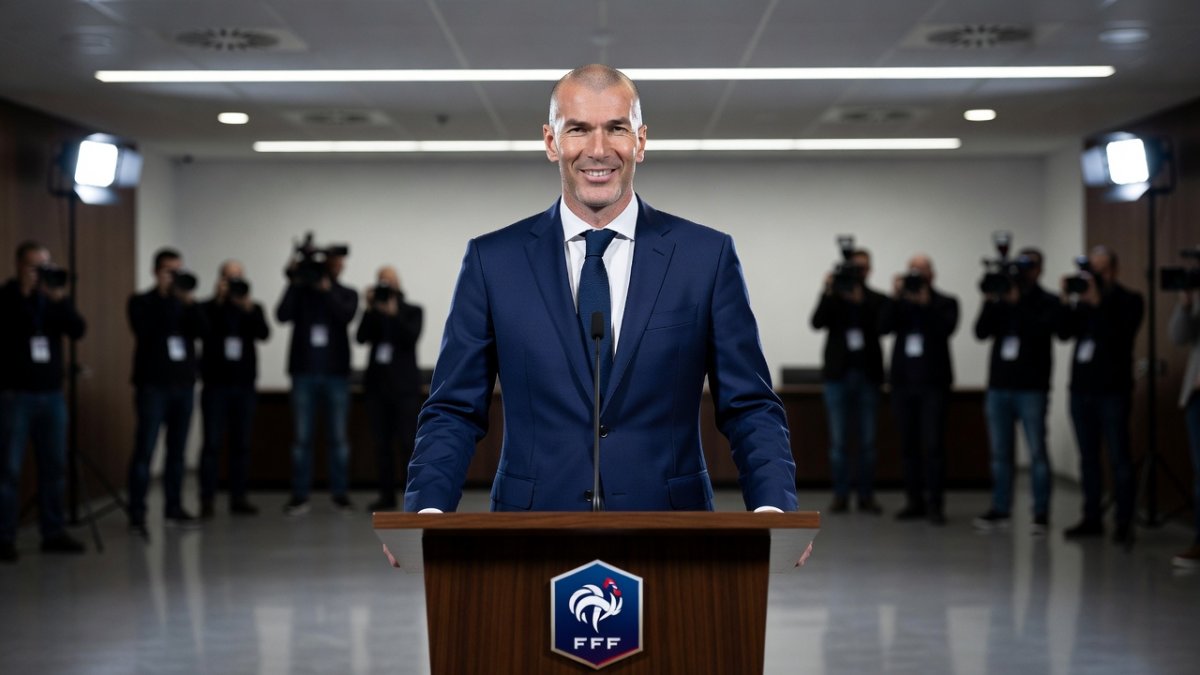
Player and Manager Achievements That Define Zidane
As a player Zidane won the 1998 World Cup, scoring twice in the final against Brazil, and lifted Euro 2000, while claiming the Ballon d'Or in 1998.
As Real Madrid manager he secured three consecutive Champions League titles in 2016, 2017 and 2018 plus two La Liga titles before last managing in 2021.
Zidane waited five years for the France role and turned down multiple club offers during that period.
Zidane's three-peat Champions League triumphs with Real Madrid from 2016 to 2018 stand as one of the most dominant runs in European football history, blending tactical discipline with moments of individual brilliance that echoed his playing days. In the 2016 final against Atletico Madrid he orchestrated a comeback from a goal down, while the 2017 and 2018 victories over Juventus and Liverpool showcased his ability to manage star egos under pressure. These successes came after he had already lifted La Liga twice, proving his coaching mettle in a league where consistency separates legends from the rest.
His journey began with that world-record transfer to Real Madrid in 2001 for €77 million, marking the start of the Galacticos era where he played alongside Ronaldo, Figo and later Beckham. As a player, Zidane's two goals in the 1998 World Cup final against Brazil delivered France's first global title on home soil, a performance that captured the imagination of fans worldwide. Yet the 2006 final headbutt against Materazzi remains a defining, controversial moment that humanised him, showing the fire beneath the calm exterior while still cementing his legacy as a player who rose above adversity.
As a coach Zidane's philosophy centres on mentorship and quiet authority, fostering trust rather than micromanaging, much like the patient guidance we see in successful South African setups. He turned down club offers for five years to wait for the France role, demonstrating the long-term vision that Bafana Bafana supporters often crave amid constant upheaval.
France's Planned Succession Contrasts With SAFA's Revolving Door
France began discussions with Zidane in February 2025 while Deschamps remained in post, a structured approach that South African football under SAFA has rarely matched in recent years.
Bafana Bafana have cycled through multiple coaches without similar long-term planning, creating instability that affects results and player development.
In contrast, South African rugby managed a smooth handover from Rassie Erasmus to Jacques Nienaber, maintaining Springbok success through deliberate succession.
SAFA could study the French timeline to reduce the chaos that has marked Bafana Bafana coaching changes.
France's 18-month head start in courting Zidane while Deschamps was still in charge highlights a level of forward planning that SAFA has struggled to replicate. In recent years Bafana Bafana have seen coaches like Hugo Broos, Molefi Ntseki and more recently interim figures such as Helman Mkhalele come and go with little continuity, each tenure averaging under two years and often ending amid poor results or federation disputes. This revolving door has left players uncertain and development programmes fragmented, contrasting sharply with the stability that built France into a powerhouse.
South African rugby offers a clearer blueprint through Rassie Erasmus's deliberate handover to Jacques Nienaber, where the Springboks maintained their edge by aligning coaching philosophies and retaining core staff. Erasmus's influence extended beyond the field, embedding a culture of accountability that delivered back-to-back Rugby World Cup triumphs. SAFA could mirror this by identifying successors years ahead, using the French timeline as a model to avoid the chaos that has hampered Bafana Bafana's progress in qualifiers and tournaments.
By studying how the FFF maintained Deschamps until the end of his contract while grooming Zidane, South African football administrators might finally break the cycle of short-term fixes. This structured approach would allow for better integration of youth talents and reduce the instability that frustrates fans at stadiums across the country.
Zidane's First Matches and Tactical Outlook
Zidane's first match is scheduled for 25 September 2026 against Turkey in an away UEFA Nations League fixture.
His first home game follows on 2 October 2026 against Italy at the Stade de France.
Zidane said the France job was the only one he wanted after turning down offers over four or five years, adding it is a great source of pride with high ambitions for the team.
He noted, "Laurent was Laurent, Didier was Didier, and Zizou is Zizou," signalling his distinct approach.
Beating Spain and the Ligue 1 Connection to South Africa
Zidane remarked, "I spent 25 years in Spain and you know what that means," referencing his desire to overcome Spain after their 2026 World Cup win over France.
Many South African players have competed in Ligue 1, giving Bafana Bafana direct exposure to the French league system that produced Zidane and his successors.
Al Jazeera English coverage of the appointment brings these European stories to African audiences, highlighting pathways that SA players can follow.
South African players have long found pathways in Ligue 1, with names like Bongani Zungu at Amiens, Dean Furman earlier in his career and more recently players such as Evidence Makgopa and rising talents testing themselves in the French top flight. These experiences expose Bafana Bafana stars to the same competitive environment that shaped Zidane and his successors, offering tactical insights that can translate back home. The league's emphasis on technical development and physical resilience mirrors what South African football needs to compete at higher levels.
France's youth development system, built around academies like Clairefontaine, produces players through structured grassroots programmes that identify talent early and nurture it with professional coaching. In contrast, South Africa's fragmented setup often relies on school and club levels without the same national coordination, leading to lost potential. Zidane's appointment underscores how a unified pipeline can sustain success, something SAFA could adapt by investing in regional centres modelled on French success.
Al Jazeera English's coverage brings these stories to African audiences, highlighting how local players can follow similar routes. By strengthening ties with European leagues and building domestic academies, South Africa could create talent pipelines that feed both Bafana Bafana and overseas clubs, turning sporadic breakthroughs into a steady stream of world-class performers.
Unity Through Sport and Grassroots Lessons for South Africa
Zidane's appointment as a unifying figure for France mirrors how sport builds national pride in South Africa across Springboks, Proteas and Bafana Bafana supporters.
SA Sports Ministry and SAFA can draw from France's 18-month planning window to strengthen transformation and grassroots development programmes.
Patience shown by Zidane over five years offers a model against the short-term coaching cycles that have hindered consistent progress for Bafana Bafana.
Zidane's role as a unifying figure for France across racial and cultural lines echoes Nelson Mandela's iconic 1995 Rugby World Cup moment, when he donned the Springbok jersey to bridge a divided nation. That gesture helped heal post-apartheid wounds and set a template for sport as nation-building. In the same spirit, Zidane's appointment brings together diverse French communities, much like how our Springboks' 2019 and 2023 World Cup victories united South Africans from every background in celebration.
Those Rugby World Cup triumphs under Erasmus and Nienaber showed how deliberate leadership can turn sporting excellence into social cohesion, fostering pride that extends beyond the pitch. Zidane carries similar weight in France, where his Algerian roots and humble beginnings resonate with immigrant communities while his achievements command respect from traditional fans. This cross-cultural appeal offers SA Sports Ministry a powerful example of using football to strengthen transformation efforts.
By drawing from France's patient planning and rugby's successful transitions, Bafana Bafana can harness sport's power to build national pride. Grassroots programmes that emphasise unity alongside skill development would help create a pipeline of players who represent the rainbow nation on the global stage, turning matches into moments of shared identity rather than division.
Fans Celebrate Outside FFF Headquarters
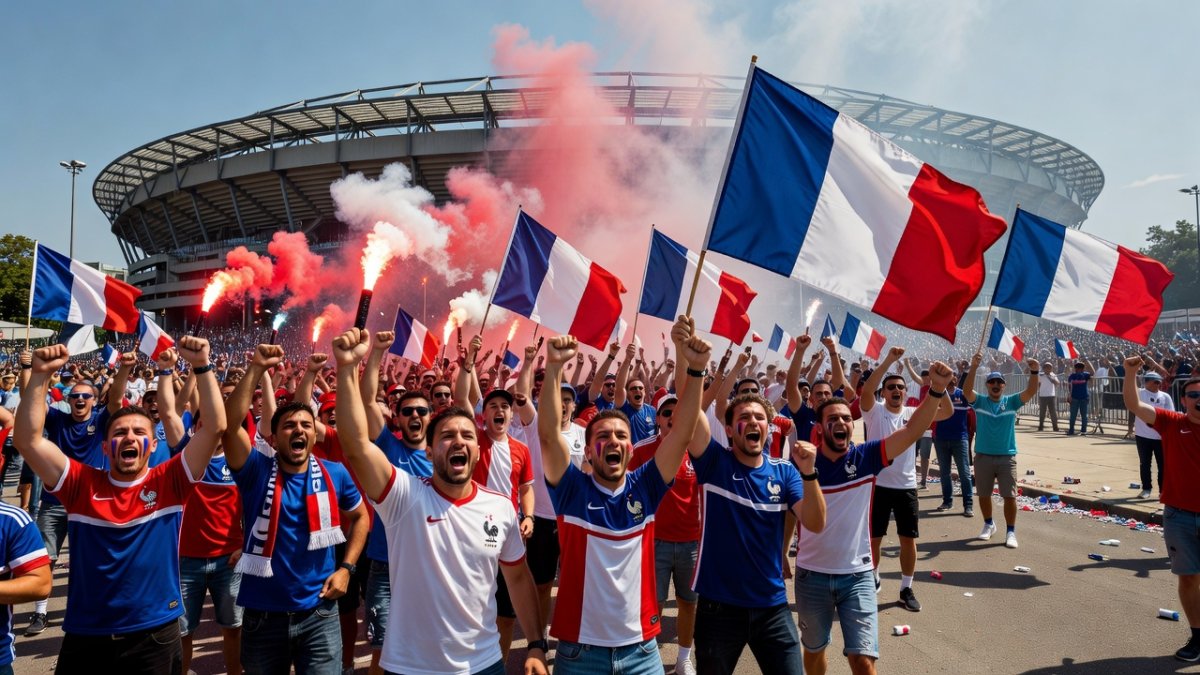
Supporters gathered outside FFF headquarters with flags, flares and drums on the day of the announcement, reflecting the passion that also defines South African match days.
L'Equipe ran the headline "Il revient" to mark Zidane's return to the national team setup.
Deschamps leaves with a 2018 World Cup title, a 2022 final appearance and a Euro 2016 final reached during his 14-year tenure.
By Dante Williams, Staff Writer
This article was produced with AI-assisted research and editorial support. Reporting is based on sources cited in the article.
What's Your Reaction?
 Like
1
Like
1
 Dislike
0
Dislike
0
 Love
0
Love
0
 Funny
0
Funny
0
 Wow
0
Wow
0
 Sad
0
Sad
0
 Angry
0
Angry
0

Breaking News and Investigations Correspondent at Global1.News. Based in London, covering global breaking news, security, and investigative stories. Known for digging deeper and connecting the dots across continents.









Comments (0)