
NEET UG 2026 Paper Leak: CBI Chargesheet Names 13 Accused Including NTA Experts
In India's fiercely competitive medical education system, a single examination determines which of the 2.4 million annual NEET UG aspirants secure one of the approximately 1,08,000 MBBS seats across the country.
In India's fiercely competitive medical education system, a single examination determines which of the 2.4 million annual NEET UG aspirants secure one of the approximately 1,08,000 MBBS seats across the country. When the CBI filed its first chargesheet in the NEET UG 2026 paper leak case on July 28, 2026, it exposed a sophisticated network that compromised the very foundation of medical admissions — involving NTA subject experts, coaching centre operators, and a digital trail that stretched from Latur to Kota and Gurugram.
NEET UG 2026 Paper Leak: CBI Chargesheet Names 13 Accused Including Three NTA Subject Experts
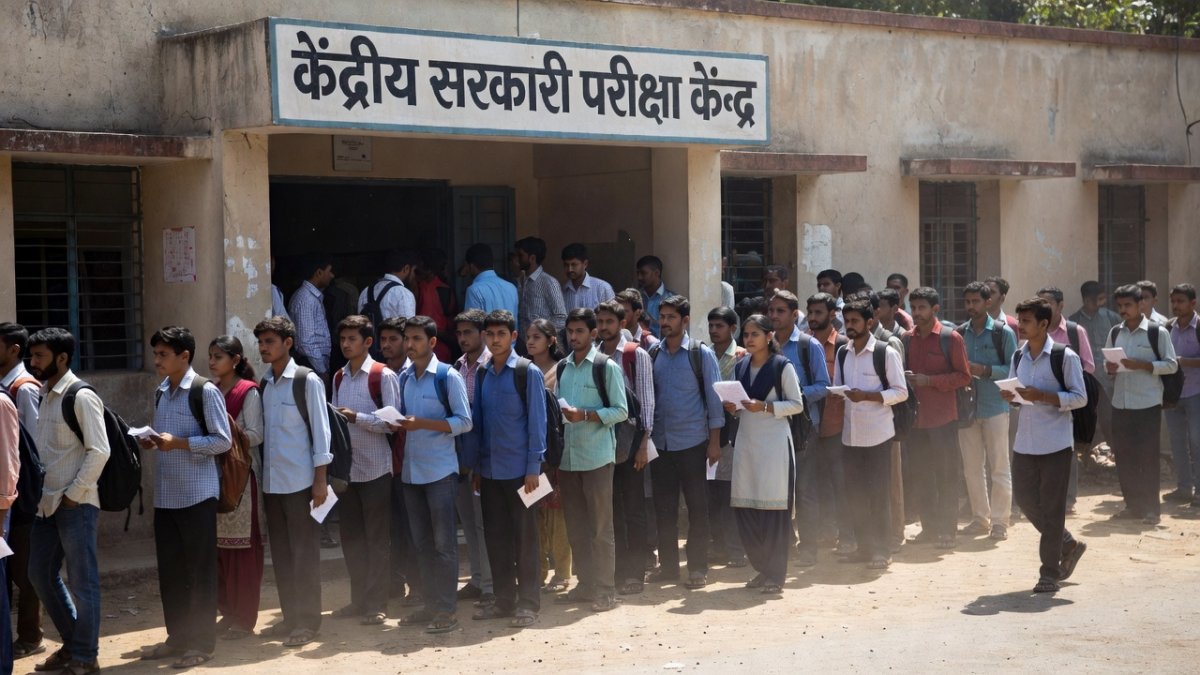
New Delhi, India — July 29, 2026 — The Central Bureau of Investigation's Economic Offences Wing filed its first chargesheet on July 28, 2026, before the Rouse Avenue Court in Delhi, naming 13 accused in the NEET UG paper leak case. The document cites 360 witnesses, 422 documents and 43 material exhibits, and charges have been filed under sections 315(5), 318(4), 61(2), 238 and 303(2) of the Bharatiya Nyaya Sanhita 2023, along with the Prevention of Corruption Act and the Public Examinations (Prevention of Unfair Means) Act 2024. The NEET UG 2026 examination was conducted on May 5 by the National Testing Agency across 4,750 centres in 571 Indian cities and 14 centres abroad before the leak forced its cancellation and a subsequent retest.
The Chargesheet — what the CBI filed
The Central Bureau of Investigation’s Economic Offences Wing filed its first chargesheet on July 28, 2026, before the Rouse Avenue Court in Delhi. The document names 13 accused, all in judicial custody, and lists 360 witnesses, 422 documents and 43 material exhibits. Charges include sections 315(5), 318(4), 61(2), 238 and 303(2) of the Bharatiya Nyaya Sanhita 2023, plus provisions of the Prevention of Corruption Act and the Public Examinations (Prevention of Unfair Means) Act 2024. The filing follows the May 5, 2026, NEET UG examination conducted by the National Testing Agency across 4,750 centres in 571 Indian cities and 14 centres abroad. After the leak surfaced, the exam was cancelled and a retest held.
The Accused — who was named and their roles
Three NTA subject experts appear among the accused: Manisha Mandhare (Biology), Pralhad Vithalrao Kulkarni (Chemistry, retired professor and translator) and Manisha Sanjay Havaldar (Physics). Other named individuals include middlepersons Manisha Waghmare, Dhananjay Lokhande, Shubham Khairnar, Yash Yadav, Mangilal Biwal, Vikash Biwal and Dinesh Biwal. Dr Manoj Shirure, a paediatrician, and Shivraj Motegaonkar, owner of Renukai Chemistry Classes in Latur, are also charged. Tejas Harshadkumar Shah, Physics faculty and COO at APMA Coaching Institute in Pune, completes the list. Each individual’s specific actions are documented through witness statements and recovered material.
How the Leak Operated — the network across states
PV Kulkarni allegedly dictated Chemistry questions during special coaching sessions for selected students after receiving approximately Rs 5 lakh. The material was circulated as a “guess paper” that matched nearly 90 percent of the actual Chemistry questions. Shivraj Motegaonkar paid Rs 5 lakh for the leaked questions with assistance from Dr Manoj Shirure, who accessed the paper at Siddhivinayak Hospital in Latur. Motegaonkar received the questions on April 23, 2026. His son Aditya attended Kulkarni’s classes, prepared handwritten notes and helped circulate PDF copies via Telegram. The network extended from Latur and Pune to Nashik, Kota and Gurugram, showing how coaching hubs in Maharashtra and Rajasthan interconnect with aspirants preparing for medical entrance tests.
Digital Evidence Trail — forensic findings
Investigators recovered 36 images from Motegaonkar’s phone, including five duplicates and 132 handwritten Chemistry questions photographed on April 23. Of these, 111 matched the NTA master question sets. Digital forensics traced Telegram circulation across multiple states. The evidence directly links the leaked content to the actual examination paper and demonstrates how handwritten notes were digitised and shared within hours. This trail provides concrete proof for the charges under the Public Examinations Act 2024.
NTA's Role — procedural negligence, not institutional corruption
The CBI explicitly ruled out institutional corruption within the National Testing Agency yet identified serious procedural lapses and negligence. The agency has recommended strict departmental action and a comprehensive overhaul of NTA’s standard operating procedures. For Indian students and parents who rely on the NEET process for entry into government medical colleges, these findings highlight the need for tighter question-paper handling protocols. Taxpayers funding the NTA expect accountability that prevents future disruptions to the academic calendar.
Legislative Response — the Anti-Paper Leak Bill and what it means
The Public Examinations (Prevention of Unfair Means) Amendment Bill 2026 is currently under debate in Parliament. If passed, it would enable trials to conclude within three months through fast-track provisions. This would mark the first possible conviction under the new legislation. For medical aspirants in states such as Maharashtra, Rajasthan and Delhi, quicker judicial outcomes could restore confidence that the examination system can deliver timely justice. The bill directly addresses the vulnerabilities exposed in the 2026 cycle.
The Bottom Line — implications for India's medical education system
The NEET UG 2026 leak and subsequent chargesheet reveal systemic weaknesses in examination security that affect lakhs of students competing for limited MBBS seats. The involvement of NTA experts and coaching-centre owners in Latur and Pune underscores how private interests can compromise a national-level test. Indian families investing years of preparation and significant fees now face uncertainty until the retest results stabilise admissions. The recommended SOP overhaul and fast-track legislative framework offer pathways to strengthen the process, yet sustained political and administrative commitment remains essential to protect the integrity of medical education across the country. Continued vigilance by regulators and parents will determine whether these reforms translate into reliable, transparent examinations in future cycles. — By Dr. Raj Patel, Staff Writer
This article was produced with AI-assisted research and editorial support. Reporting is based on sources cited in the article.
What's Your Reaction?
 Like
1
Like
1
 Dislike
0
Dislike
0
 Love
0
Love
0
 Funny
0
Funny
0
 Wow
0
Wow
0
 Sad
0
Sad
0
 Angry
0
Angry
0

India/South Asia Correspondent at Global1.News. Analytical voice with a background in science and health journalism. Based in New Delhi, covering Indian politics, education, healthcare, technology, and policy. Breaks down complex data into clear, actionable reporting.














Comments (0)