
ICC Dismissal of Khan Exposes Pressure on Global Justice
In a recent Middle East Eye video analysis, editor-in-chief David Hearst details how an 18-month Israeli campaign targeted ICC chief prosecutor Karim Khan after he sought arrest warrants for Israeli officials. The report frames the July 24, 2026, dismissal vote as a direct response to that pursuit rather than the sexual misconduct claims that surfaced afterward.
In a recent Middle East Eye video analysis, editor-in-chief David Hearst details how an 18-month Israeli campaign targeted ICC chief prosecutor Karim Khan after he sought arrest warrants for Israeli officials. The report frames the July 24, 2026, dismissal vote as a direct response to that pursuit rather than the sexual misconduct claims that surfaced afterward. This development marks a critical test for the court's independence in addressing alleged crimes in Palestinian territories.
ICC Dismissal of Khan Exposes Pressure on Global Justice
Ramallah, Occupied West Bank — July 29, 2026 — Article continues...
The ICC Vote and Removal of Karim Khan
The Assembly acted on allegations of sexual misconduct involving a junior staff member, claims that Khan’s legal team describes as an effort to discredit him. Khan has denied the allegations and stated he will appeal the decision. Figures on the exact vote tally beyond the total membership were not immediately available from court statements. The timing follows Khan’s May 2024 application for arrest warrants against Prime Minister Benjamin Netanyahu and former defense minister Yoav Gallant on charges of war crimes and crimes against humanity in Gaza.
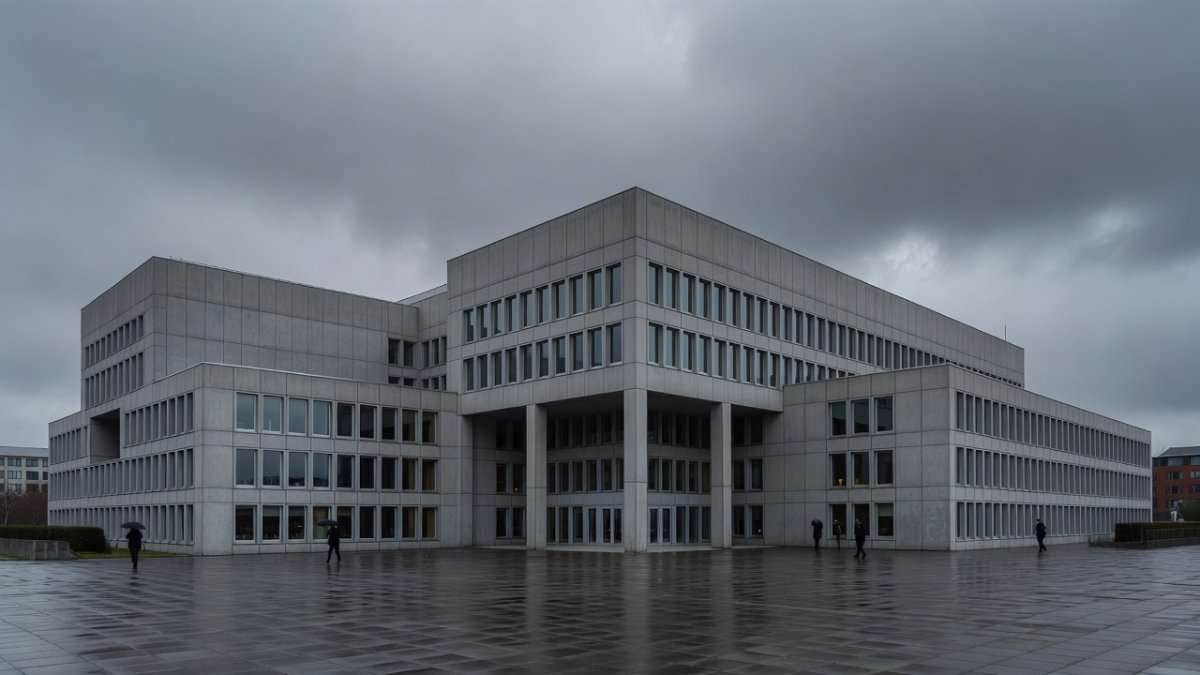
Netanyahu Arrest Warrant and Israel’s Campaign
David Hearst notes in the Middle East Eye analysis that Israel made little effort to hide its role in the 18-month effort against Khan. The allegations emerged only after the warrant request, according to Khan’s representatives. The ICC had already been examining possible war crimes in Palestinian territories since 2021, building on earlier preliminary examinations. The United States sanctioned Khan and issued threats against court staff in connection with the Netanyahu warrant application.
Palestinian Perspective and Reaction
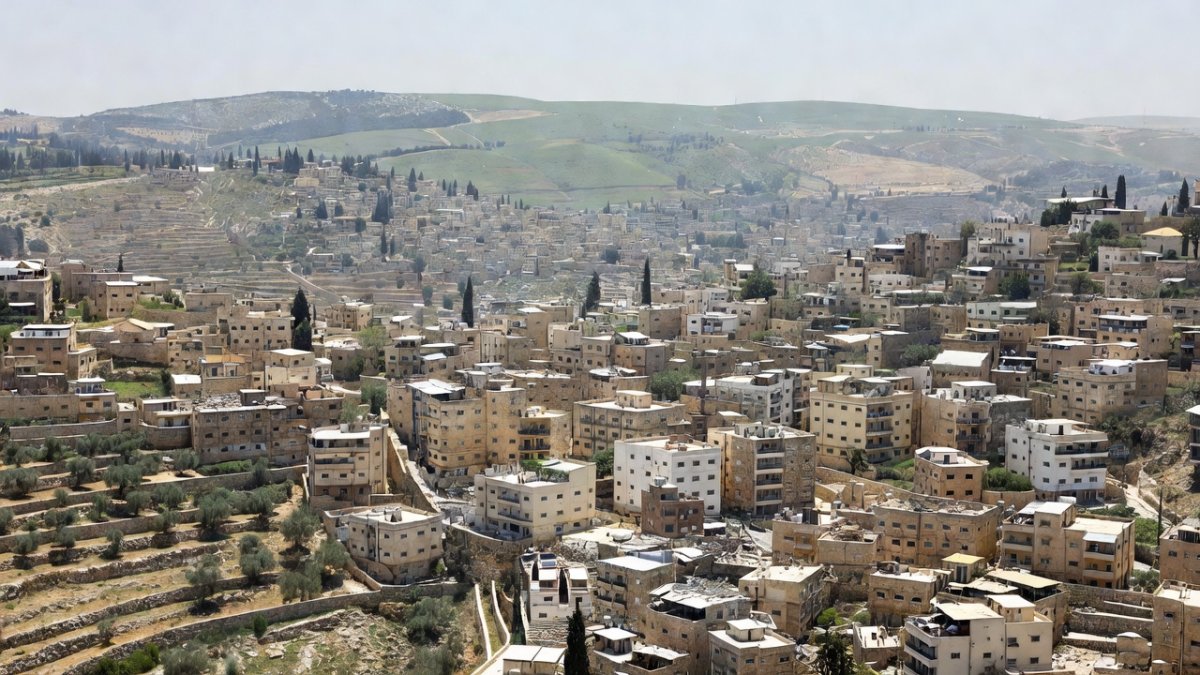
Palestinians in Gaza and the West Bank see the removal as another blow to international justice at a time when settler violence has surged 63 percent in the first half of 2026. Community leaders in areas like Hebron and Nablus describe daily life under expanding settlement activity and restricted movement, with limited avenues for redress. The ICC process had represented one of the few formal channels available to document events in Gaza since October 2023. Many families who lost relatives in the conflict now question whether any external body can deliver impartial outcomes.
Broader Implications for International Justice
Human rights organizations have warned that removing a prosecutor under these circumstances sets a dangerous precedent for future cases involving powerful states. The court’s ability to investigate situations in Palestine and elsewhere could face increased political interference if similar campaigns succeed. Historical patterns show that accountability efforts in the region have often stalled when they intersect with major power interests, leaving civilian populations without effective recourse. This case connects directly to ongoing displacement and economic strain felt across Palestinian society.
Analysis and What Comes Next
The dismissal raises questions about how the ICC will handle its existing Palestinian investigation and any appeals Khan files. Hearst’s analysis suggests the episode reveals the limits of international institutions when they confront state actors with significant diplomatic leverage. Palestinian civil society groups continue to document incidents on the ground, including the rise in West Bank incidents, while calling for sustained scrutiny of all parties. Future proceedings will test whether the court can restore confidence among communities that have long sought recognition of their experiences under occupation. The coming months will clarify the practical effects on pending warrants and the court’s overall credibility in the region.
The ICC Vote and Removal of Karim Khan
The allegations against Prosecutor Karim Khan first surfaced in late 2024 amid heightened tensions following the ICC's pursuit of arrest warrants related to the Gaza conflict. What began as anonymous complaints quickly escalated through internal channels, drawing in external actors and transforming into a coordinated effort to undermine the court's leadership. Khan, who assumed the role in 2021, brought a distinguished record from his earlier work on cases involving Darfur, Libya, and Iraq, where he demonstrated a commitment to holding powerful figures accountable regardless of political affiliations.
The United States responded to the Netanyahu warrant by imposing sanctions on Khan and other ICC staff in 2024, a move that signaled Washington's deepening hostility toward the institution. This pressure intensified when President Trump signed executive orders explicitly targeting the ICC and its personnel, effectively weaponizing economic and diplomatic tools against an independent judicial body. Reports from Israel's Channel 12 further revealed that Israeli intelligence agencies had played a direct role in gathering and disseminating information aimed at discrediting Khan, highlighting the intersection of state intelligence operations and international legal processes.
Netanyahu Arrest Warrant and Israel's 18-Month Campaign
The arrest warrants issued for Prime Minister Benjamin Netanyahu and Defense Minister Yoav Gallant specifically alleged the use of starvation of civilians as a method of warfare, along with murder, persecution, and other inhumane acts committed in Gaza. These charges painted a grim picture of systematic policies that inflicted severe suffering on the Palestinian population. Notably, the ICC also issued warrants for Hamas leaders, underscoring the court's intent to pursue accountability across all parties involved in the conflict rather than singling out one side.
The allegations leveled against Khan were subjected to scrutiny by the ICC's internal oversight mechanism, a process designed to ensure integrity within the institution. In response, Khan issued a pointed statement declaring, "This is politics masquerading as process," capturing the sense that external political forces had hijacked the court's internal procedures. Israel's foreign ministry, meanwhile, hailed Khan's removal as "a victory for justice," a framing that many observers viewed as an attempt to deflect from the substantive allegations against Israeli officials.
Palestinian Perspective and Reaction
Palestinian Authority officials voiced profound disappointment at the developments, seeing them as yet another blow to the fragile mechanisms of international accountability. Human rights organizations such as Al-Haq and Al-Mezan, which have long submitted detailed evidence to the ICC documenting violations in the occupied territories, expressed alarm that the removal could stall ongoing investigations. These groups have tirelessly compiled testimonies and forensic data, underscoring the human cost of prolonged occupation and military operations.
Palestinian families in Gaza and the West Bank have been filing complaints with the ICC since 2023, seeking recognition of their suffering amid relentless cycles of violence. The surge in settler violence in the West Bank, which rose 63 percent in the first half of 2026, has compounded this sense of urgency. In a letter to the UN dated July 27, Palestinian Authority President Mahmoud Abbas called for immediate international action to curb the escalating attacks by settlers, a plea that resonates deeply with communities living under constant threat.
Many Palestinians regard the ICC as their last remaining avenue for justice in a landscape where domestic remedies have repeatedly failed. The court's perceived vulnerability to political interference now threatens to extinguish even this faint hope, leaving families who have lost loved ones to feel further abandoned by the international community.
Broader Implications for International Justice
This removal marks the first time an ICC prosecutor has been ousted in the court's 24-year history, a precedent that sends shockwaves through the global justice system. Human Rights Watch described the episode as "a dark day for international justice," warning that it erodes the independence essential to the court's mandate. Investigations currently underway in Ukraine, Sudan, Myanmar, and Afghanistan now face uncertain futures, as the political weaponization of internal processes could deter future prosecutors from pursuing sensitive cases.
Legal experts caution that removing a prosecutor for overtly political reasons establishes a dangerous template that authoritarian regimes and powerful states could exploit to shield themselves from scrutiny. The United States under President Trump has actively sought to undermine the ICC's authority through sanctions and diplomatic isolation, further isolating the court at a moment when its role in addressing atrocities remains vital. The process of electing a new prosecutor could stretch over several months, creating a leadership vacuum that delays critical work and deepens skepticism about the institution's resilience.
Analysis: The Road Ahead for the ICC and Palestine
The ouster of Karim Khan exposes the precarious position of international institutions when they attempt to apply universal standards to conflicts involving powerful actors. For Palestinians, who have placed measured hope in the ICC's ability to document and prosecute grave violations, this development risks reinforcing a narrative of impunity that has long defined their experience under occupation. The court's future credibility hinges on whether it can resist further external pressures while continuing to center the voices of victims from Gaza and the West Bank.
As the search for a new prosecutor unfolds, the international community must confront the broader erosion of multilateral justice mechanisms. Without robust safeguards against political interference, the ICC may struggle to fulfill its promise of accountability, leaving Palestinian families and countless others worldwide without meaningful recourse. The path forward demands renewed commitment to the principles of impartiality and human rights that the court was founded upon.
By Fatima Al-Rashid, Staff WriterThis article was produced with AI-assisted research and editorial support. Reporting is based on sources cited in the article.
What's Your Reaction?
 Like
0
Like
0
 Dislike
0
Dislike
0
 Love
0
Love
0
 Funny
0
Funny
0
 Wow
0
Wow
0
 Sad
0
Sad
0
 Angry
0
Angry
0

Gulf/MENA Correspondent at Global1.News. Based in Doha, covering Gulf politics, energy markets, diplomacy, and development across the Middle East and North Africa. Tracks the economic transformation of the Gulf states.









Comments (0)