
US-Iran Pause 2026: Assessing the Fragile Standoff After the Strikes Halt
The temporary lull in US strikes on Iran offers a deceptive calm in a conflict that has already reshaped Middle Eastern power dynamics and global energy flows. With munitions running low and diplomatic channels tentatively opening, the pause raises urgent questions about whether this moment signals de-escalation or merely a regrouping before renewed confrontation.
Washington, DC / Beijing — Article continues...
The Origins and Escalation of the US-Iran War
The war's roots trace to longstanding tensions over Iran's nuclear program and regional influence. Initial US-Israeli operations quickly expanded into multi-front engagements, with Iran responding through ballistic missile launches and proxy activations. By mid-2026, the conflict had already disrupted global energy routes and drawn in additional actors, setting the stage for the recent pause.
The 2020 assassination of Qasem Soleimani marked a pivotal rupture that accelerated Iran's nuclear timeline, pushing enrichment levels beyond 60 percent by 2024 and prompting Israel to intensify covert operations against Natanz and Fordow facilities. These actions set the stage for the February 28, 2026, joint US-Israeli airstrikes that eliminated Supreme Leader Ali Khamenei and several IRGC commanders, transforming a shadow conflict into open warfare spanning over 150 days of multi-domain engagements.
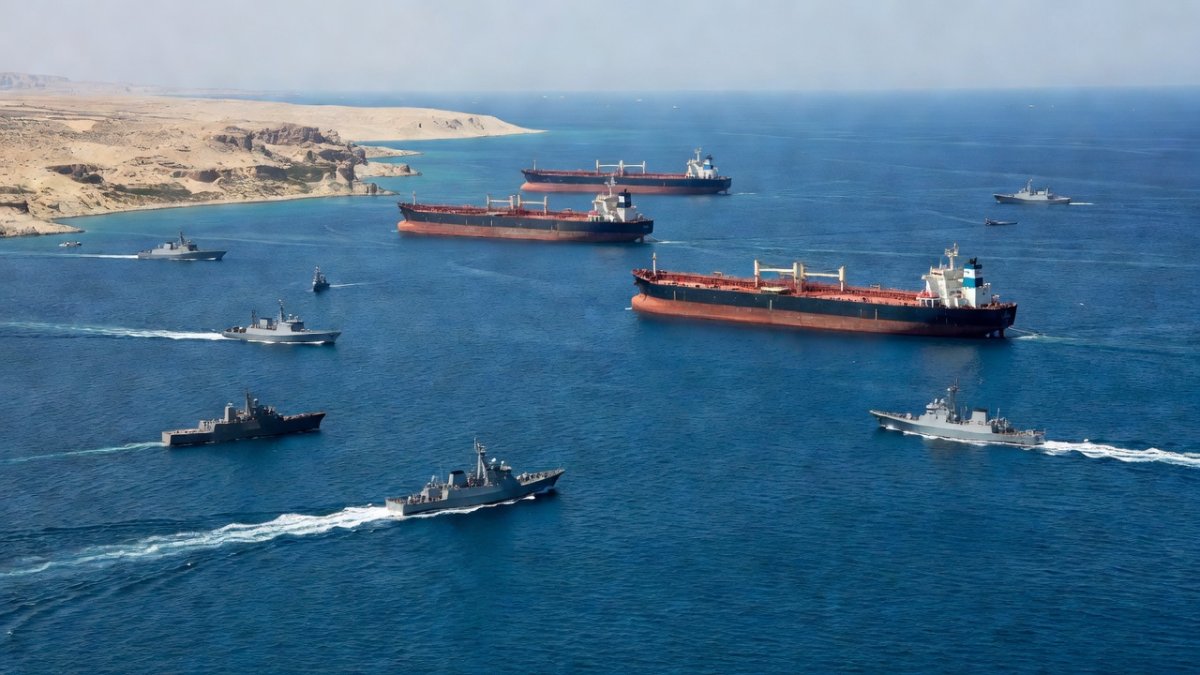
Israel's role evolved from initial precision strikes to sustained coordination with US Central Command, enabling the activation of Iranian proxies across Lebanon, Syria, and Yemen. This escalation disrupted tanker traffic through the Strait of Hormuz within weeks, echoing the 1980s Tanker War but with modern ballistic missile salvos that tested US missile defense systems in the Gulf. The transition from covert shadow war to overt confrontation thus locked both sides into a cycle of retaliation that continues to define the battlefield.
Mechanics of the Current Pause and Military Realities
The pause in US strikes emerged from practical constraints rather than a formal ceasefire. Iranian forces have maintained pressure by continuing ballistic missile attacks on US bases in Jordan as recently as July 29, 2026. Meanwhile, the US and Saudi Arabia have conducted joint operations against Iran-aligned groups in Iraq, illustrating how the pause has not halted all kinetic activity. This selective restraint reflects Washington's need to replenish munitions stocks while preserving leverage in ongoing diplomatic channels.
Gen. Dan Caine's assessment of critically depleted precision-guided munitions stocks forced the pause after 12 days of intensive operations, highlighting vulnerabilities in US industrial surge capacity that mirror challenges seen during the 2022 Ukraine munitions crisis. American forces now prioritize replenishment cycles while maintaining carrier strike groups in the Arabian Sea to deter Iranian escalation.
Iran's continued ballistic missile barrages, including the July 29 attack on US facilities in Jordan, demonstrate Tehran's asymmetric advantage in volume and range despite sanctions. This posture signals Tehran's intent to impose costs without triggering full-scale US retaliation, preserving leverage for any future negotiations. The resulting equilibrium underscores how logistical realities, rather than political will, currently dictate the tempo of operations.
Iran's Position on the Strait of Hormuz and Negotiations
Iran has kept the Strait of Hormuz closed since the war's outset, severely restricting global oil shipments. Oil prices have fallen to approximately $92 per barrel amid hopes for diplomatic progress. Tehran is currently engaged in talks with Oman regarding joint management of the strait, while Vice President JD Vance has participated in parallel US diplomatic efforts. Iranian statements emphasize a state of "full-scale war" and indicate no immediate rush to resume formal ceasefire discussions, underscoring Tehran's calculation that time may favor its position.
China's Strategic Interests and Calls for Restraint
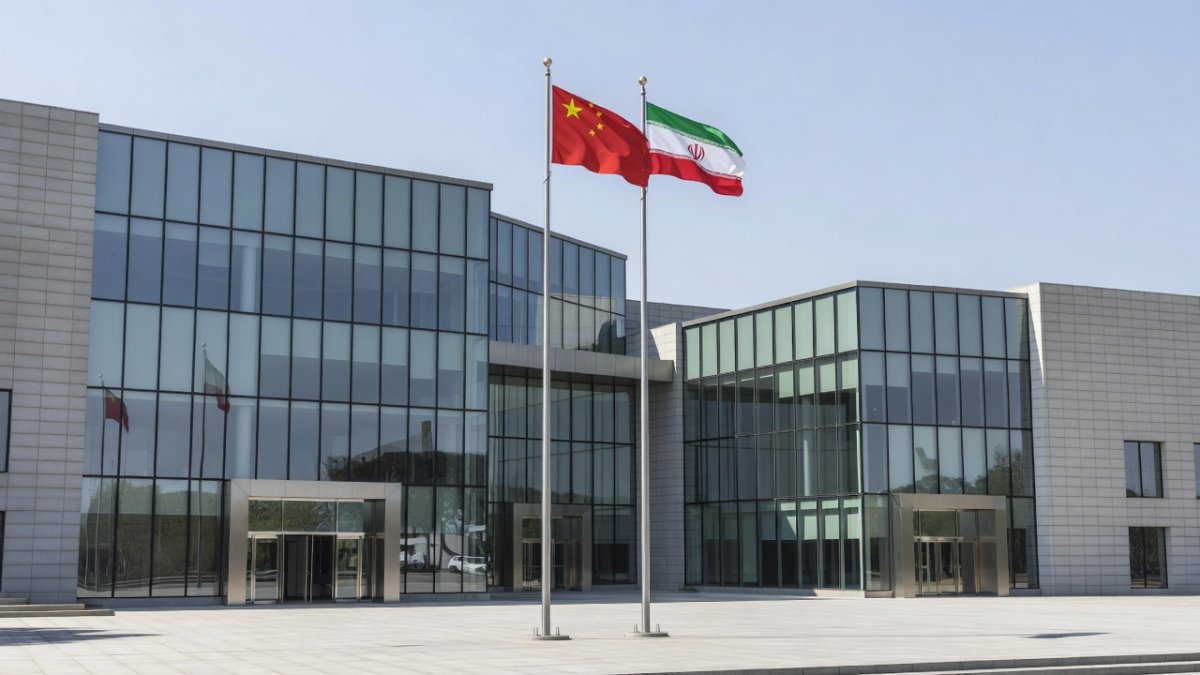
Beijing has consistently advocated for restraint and a diplomatic resolution, consistent with its broader foreign policy emphasis on stability. Under the 25-year cooperation agreement signed in 2021, China maintains a strategic partnership with Iran that includes significant energy ties. Approximately 30 percent of China's crude oil imports transit the Strait of Hormuz, making any prolonged closure a direct threat to its energy security and Dual Circulation strategy objectives. Chinese officials have avoided inflammatory rhetoric, focusing instead on multilateral channels to prevent further escalation that could undermine regional influence-building efforts.
The 2021 China-Iran 25-year cooperation agreement commits Beijing to $400 billion in infrastructure and energy investments, yet the Hormuz closure directly threatens 30 percent of China's crude imports and undermines Belt and Road projects in the Persian Gulf. Chinese officials at MOFCOM have emphasized multilateral de-escalation to protect these stakes.
Beijing is accelerating diversification through Central Asia pipelines and increased Russian oil purchases, while NDRC contingency planning focuses on strategic reserves to buffer against prolonged disruptions. This approach reflects a calculated effort to shield Dual Circulation goals from Middle East volatility without direct confrontation. As a result, China's diplomatic posture prioritizes stability to safeguard long-term economic objectives amid the uncertainty.
Regional Ripple Effects and Second-Order Consequences
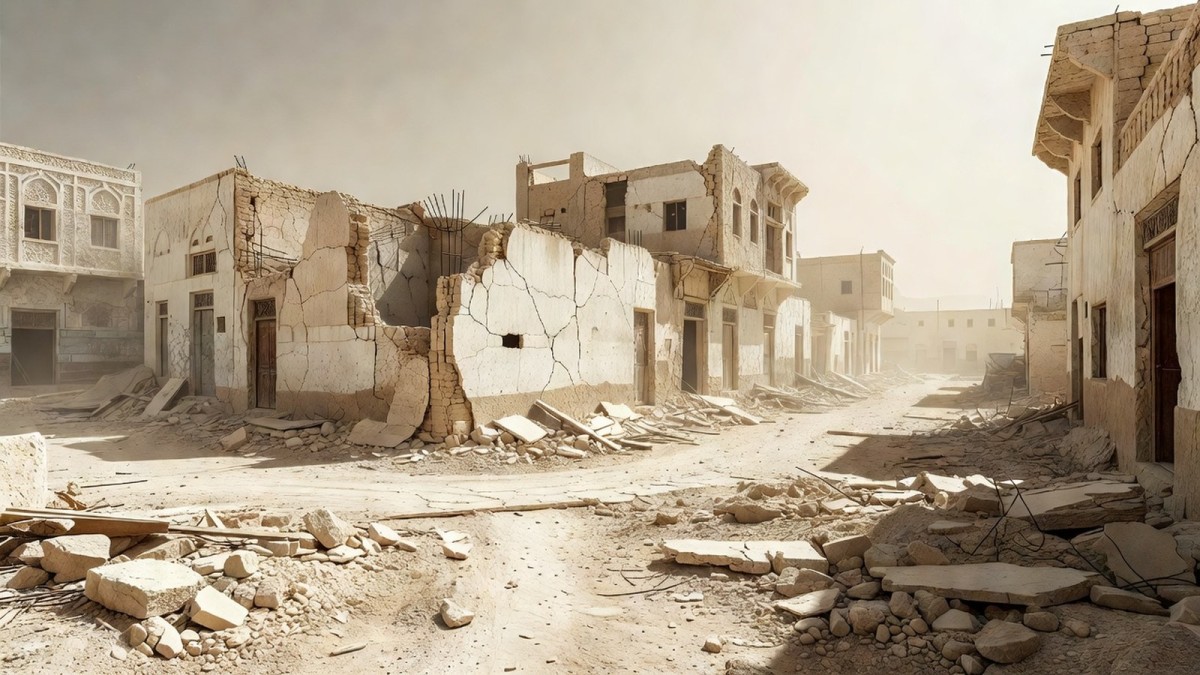
The conflict has compounded disruptions to Red Sea shipping lanes, contributing to elevated global inflation and humanitarian strains in Iran and Yemen. For ASEAN economies, higher energy costs threaten growth targets, while the EU faces renewed pressure on its diversification strategies away from Middle Eastern supplies. In the Global South, the standoff highlights vulnerabilities in multilateral institutions, as nations weigh alignment between US security guarantees and Chinese economic partnerships. Each side's leverage remains asymmetric: Washington possesses superior military reach but faces domestic and logistical limits, whereas Tehran retains asymmetric tools through proxies and chokepoint control.
These ripple effects extend further into supply chain vulnerabilities, with manufacturing sectors in East Asia already reporting delays in raw material deliveries that compound existing inflationary pressures. Humanitarian agencies warn that prolonged instability risks exacerbating food insecurity across the Horn of Africa, where energy price spikes intersect with existing aid shortfalls.
Outlook for Diplomatic Resolution or Renewed Hostilities
Future developments hinge on whether the pause evolves into sustained talks or merely a temporary lull. Iran's willingness to engage Oman and the involvement of figures like JD Vance suggest openings, yet Tehran's insistence on full-scale war status signals caution. For Beijing, the priority remains safeguarding energy routes while advancing technological self-sufficiency to mitigate external shocks. The coming weeks will test whether regional actors can convert this pause into a framework that addresses core grievances without triggering wider confrontation.
Four plausible scenarios emerge: a mediated Oman-brokered framework freezing Iran's nuclear program, renewed US strikes if munitions stocks recover by September, a UN Security Council resolution imposing new sanctions, or a prolonged frozen conflict. Oman's neutral facilitation role builds on its historical success in the 2015 JCPOA talks.
JD Vance's involvement signals Republican efforts to project diplomatic strength ahead of the November 2026 midterms, where energy price spikes could influence voter sentiment. Any resolution must address core asymmetries in military reach versus proxy control to prevent relapse into open hostilities. Observers therefore watch closely for signs that the current pause can evolve into durable de-escalation rather than another cycle of escalation. By Prof. Marcus Chen, Staff Writer
This article was produced with AI-assisted research and editorial support. Reporting is based on sources cited in the article.
What's Your Reaction?
 Like
0
Like
0
 Dislike
0
Dislike
0
 Love
0
Love
0
 Funny
0
Funny
0
 Wow
0
Wow
0
 Sad
0
Sad
0
 Angry
0
Angry
0

World Politics Analyst at Global1.News. Based in Beijing, covering US-China relations, global trade, and geopolitical strategy. Brings deep analytical perspective to the power dynamics shaping international affairs.












Comments (0)