
Inflation remains Filipinos' top concern; graft, corruption rises to third — survey
A recent Pulse Asia survey reveals that inflation continues to dominate as the top concern for Filipinos, with jobs and livelihood ranking second and corruption climbing sharply to third place. PSA data shows 4.8% inflation with rice near P62/kg.
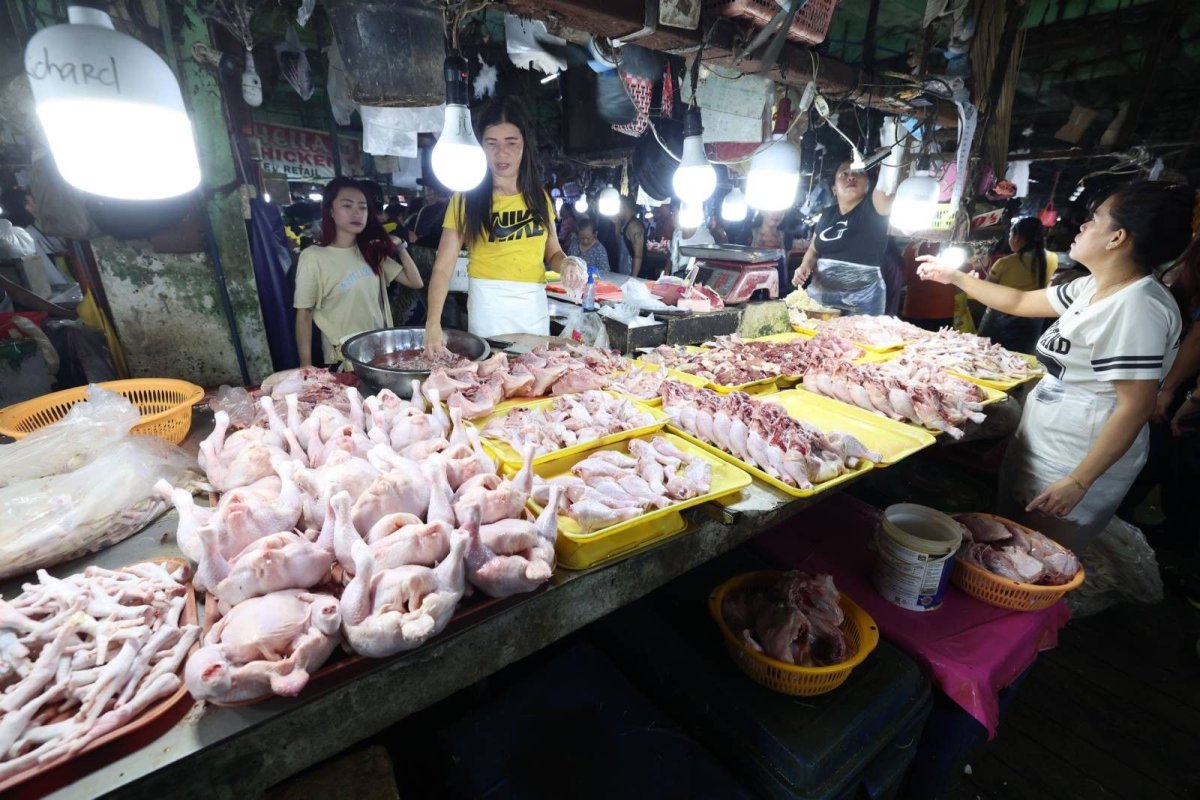
A recent Pulse Asia survey reveals that inflation continues to dominate as the top concern for Filipinos, with jobs and livelihood ranking second and corruption climbing sharply to third place. This reflects the daily struggles in communities across the country amid rising prices and growing calls for accountability in governance. The findings arrive just as the nation looks ahead to the State of the Nation Address and further policy decisions.
Pulse Asia: Inflation, Jobs, Corruption Top Filipino Worries
Manila, Philippines — July 30, 2026 — The survey underscores how ordinary households feel the weight of prices and governance gaps, setting the stage for deeper examination of each concern in the sections that follow.
Pulse Asia Survey Captures Rising Public Anxiety
The latest Pulse Asia survey, conducted from June 28 to July 3, 2026, through face-to-face interviews with 2,400 Filipino adults aged 18 and above, shows inflation and high prices of goods still dominate the list of national concerns. With a margin of error of plus or minus 2 percentage points, the results place bringing down the cost of food as the foremost issue for most households. Jobs and livelihood rank second, while corruption has climbed to third place, reflecting growing frustration across the archipelago.
How Inflation Hits Everyday Families in the Barangay
For ordinary Filipino families, these numbers translate into daily struggles at the neighborhood market. A tricycle driver in Quezon City told neighbors that his earnings now barely cover rice and vegetables for his three children, forcing his wife to stretch every peso at the local stall. The bayanihan spirit that once helped kapitbahay share extra food during tough times feels strained when prices keep climbing. In rural areas, farmers watch their harvests fetch less while fertilizer and transport costs rise, leaving less for school supplies and medical needs.
National inflation averaged 4.8 percent in the first half of 2026 according to the PSA, a figure lower than recent months yet still well above the BSP’s 2-4 percent target band. In many markets rice now sells near P62 per kilo, forcing mothers in barangay kitchens to measure every cup twice before cooking. The DA’s Rice-for-All program offers well-milled rice at P40 per kilo in Metro Manila public markets, while the P20-per-kilo program has already reached more than 12 million Filipinos, bringing temporary relief to household budgets.
Regional differences remain stark. Ilocos posted 4.0 percent inflation while Western Visayas reached 6.8 percent, meaning families in the Visayas feel the pinch more sharply when buying vegetables or paying for school transport. These gaps remind us that national averages often hide the uneven weight carried by provinces far from Manila’s policy tables.
Even with government interventions, households stretch limited resources. Many turn to OFW remittances to bridge the gap, yet the persistent pressure on food costs keeps inflation at the top of every community conversation.
Corruption Emerges as Third Most Urgent Issue
Corruption's jump to third place marks a notable shift from earlier surveys. Public attention has turned toward strengthening the government's fight against graft, fueled in part by the flood control scandal involving former House Speaker Martin Romualdez. The P56 billion flood-control scandal linked to him has sharpened public anger. When funds meant for dikes and drainage vanish, low-lying barangays face the same waist-deep floods year after year, damaging homes and livelihoods. The Ombudsman’s July 28 order for Romualdez to answer plunder and graft recommendations arrived just as the Pulse Asia survey closed, yet the issue already resonated in markets and queues where residents connect missing infrastructure to daily hardship.
Ordinary citizens see these scandals not as distant politics but as direct threats to safety. A washed-out road isolates farmers from markets, while unreliable flood defenses leave families anxious during every typhoon. The survey’s jump of corruption to third place shows Filipinos linking graft to the very services they need most. Calls for accountability now echo from provincial town halls to urban poor communities, where residents demand that public money finally reach the projects that protect their children and harvests.
Jobs, Livelihood, and the Broader List of Worries
Behind inflation and ahead of corruption sits the persistent need for jobs and livelihood. Many families rely on informal work or overseas employment, yet stable opportunities remain scarce. The survey also lists flood control and infrastructure as the fourth concern, followed by peace and order. These priorities reflect how infrastructure failures compound daily hardships, from washed-out roads that isolate farmers to unreliable services that affect students preparing for classes under the Department of Education.
Related findings from a Pulse Asia survey released July 25 underscore that Filipinos want President Marcos to focus his fifth State of the Nation Address on July 28, 2026, on anti-corruption measures, flood control, and food prices. This alignment between public sentiment and upcoming national address highlights the urgency felt in communities nationwide.
With inflation still above the BSP’s 2-4 percent target, the central bank is weighing a possible rate hike at its August 2026 Monetary Board meeting. Higher borrowing costs could slow small businesses already struggling with expensive fuel and supplies, hitting the informal sector hardest. OFW remittances continue to serve as the quiet lifeline for countless households, funding school fees and medical needs when local jobs fall short. Yet the survey underscores that stable employment remains a top worry, especially for young workers and returning migrants seeking opportunities at home.
Looking Ahead to SONA and Community Voices
As the nation prepares for the State of the Nation Address, the survey serves as a reminder that policy must address real kitchen-table issues. Barangay captains across regions often hear from residents that lower food costs and honest governance matter more than distant promises. The human impact is clear in stories of mothers skipping meals so children can eat, or young workers delaying marriage and family plans due to uncertain incomes.
President Marcos delivered his fifth and penultimate State of the Nation Address on July 28, 2026, just days after the survey closed. While the speech touched on food security and anti-corruption, many barangay residents felt it fell short on concrete timelines for lowering rice prices or recovering the questioned flood-control funds. Communities had hoped for clearer commitments that would ease the 4.8 percent inflation burden still felt at the sari-sari store.
The political weight of a penultimate SONA adds urgency. With only one address left in the term, families across regions are watching whether promises on jobs, livelihood, and honest governance will move from rhetoric to visible action before the next election cycle. Barangay captains report that residents want the remaining months used to expand the P20-per-kilo rice program, protect OFW-supported households from rate-hike fallout, and restore trust through swift resolution of the P56 billion scandal.
Connecting National Concerns to Philippine Realities
The Pulse Asia results tie directly into broader Philippine politics and economy, where decisions in Manila ripple out to sari-sari stores in the provinces and OFW families waiting for better opportunities at home. Inflation's continued dominance reminds leaders that price stability affects every sector, from agriculture to small businesses. The climb of corruption to third place signals that Filipinos are watching how public resources are managed, especially amid scandals that threaten essential infrastructure.
These concerns do not exist in isolation. They shape how families plan their futures, how students pursue education, and how workers seek stable employment. As the survey period ended just weeks before key developments, the data offers a snapshot of a nation eager for relief on prices, accountability on graft, and concrete steps toward better livelihoods for all.
By Bella Reyes, Staff WriterThis article was produced with AI-assisted research and editorial support. Reporting is based on sources cited in the article.
What's Your Reaction?
 Like
0
Like
0
 Dislike
0
Dislike
0
 Love
0
Love
0
 Funny
0
Funny
0
 Wow
0
Wow
0
 Sad
0
Sad
0
 Angry
0
Angry
0

Philippines/Southeast Asia Correspondent at Global1.News. Manila-based journalist covering Philippine politics, environment, maritime security, and social issues. Passionate about marine conservation and the communities protecting the Philippines' natural heritage.














Comments (0)