
Sinners Breaks Oscar Record With 16 Nods Yoruba Mythology
Ryan Coogler's blues-steeped vampire epic 'Sinners' has stormed into the Academy Awards record books with 16 nominations, the most ever for a single film in the Oscars' 98-year history — and for African audiences, the achievement resonates far beyond the numbers. The film's explicit grounding in Yoruba twin mythology and its celebration of African diaspora talent make it a landmark moment for the continent's creative community.
Ryan Coogler's blues-steeped vampire epic 'Sinners' has stormed into the Academy Awards record books with 16 nominations, the most ever for a single film in the Oscars' 98-year history — and for African audiences, the achievement resonates far beyond the numbers. The film's explicit grounding in Yoruba twin mythology and its celebration of African diaspora talent make it a landmark moment for the continent's creative community.
'Sinners' Breaks Oscar Record With 16 Nominations and Puts Yoruba Mythology on Hollywood's Biggest Stage
Dakar, Senegal — When Ryan Coogler set out to make a vampire horror film set in the 1930s Jim Crow South, he reached across the Atlantic for spiritual grounding — turning to the Yoruba Ibeji twin deities of West Africa to shape the film's central characters. The result is not only a box office phenomenon but a record-breaking Oscar contender that has captivated audiences from Lagos to Los Angeles.
A Record-Breaking Night for Black Storytelling
Sinners received 16 Academy Award nominations on January 22 2026, breaking the all-time record previously held by Titanic, All About Eve, and La La Land at 14 nominations each. Ryan Coogler directed the film and won Best Original Screenplay, while Michael B. Jordan earned Best Actor for his dual role as the twins. The picture secured four Oscars overall, including those key wins, marking a historic milestone for a Black director at the Academy Awards.
Warner Bros. achieved its own record with 30 total nominations, the studio's strongest showing in 102 years, even as it faced acquisition by Netflix for 72 billion dollars. This context amplified the visibility of Sinners, a blues-steeped vampire horror described as a daring and fascinating take on classic vampire lore set in 1930s Jim Crow-era Mississippi. The film's success highlighted how culturally rooted stories can drive both critical and commercial recognition.
Coogler previously directed Black Panther, Fruitvale Station, and Creed, building a body of work that consistently elevates Black narratives. His achievement with 16 nominations underscores the growing influence of African diaspora voices in Hollywood. For Senegalese viewers, this mirrors the way local filmmakers blend tradition with bold genres to reach global stages.
The nominations spanned Best Picture, Best Director for Coogler, Best Actor for Jordan, Best Original Screenplay, and additional categories that showcased the ensemble. This breadth demonstrated the film's layered appeal, from its horror elements to its deep cultural resonance. African audiences noted parallels to how Nollywood productions often weave folklore into modern tales.
Ultimately, the four Oscar wins validated the commercial viability of such projects, with the film grossing 368 million worldwide. This outcome encourages creators across West Africa to pursue ambitious cross-genre works without diluting ancestral themes.
Yoruba Ibeji: The African Mythology at the Heart of 'Sinners'
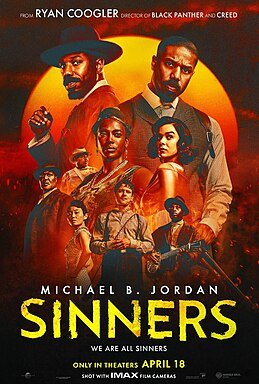
Coogler explicitly cited the Yoruba Ibeji twin Orishas from Nigeria and West Africa as inspiration for the twin brothers Smoke and Stack, both played by Michael B. Jordan. The Ibeji deities are associated with duality, balance, protection, and good fortune, shaping the characters' unbreakable bond. Coogler described the film as a story primarily about Africans in America, linking the twins' journey to West African spiritual heritage that survived the Middle Passage.
The symbolic use of red and blue colors for each twin reflected the Ibeji's dual nature, grounding the narrative in Yoruba cosmology. This approach transformed a vampire story into a meditation on identity and resilience for diaspora communities. Senegalese griots often employ similar dual motifs in oral histories to explore family legacies.
Yoruba twin mythology traveled to the diaspora through Candomble in Brazil, Santeria in Cuba, and hoodoo in the American South. These traditions preserved Ibeji worship from Yorubaland, allowing Coogler to weave authentic elements into the 1930s Mississippi setting. The result honors how African spiritual practices adapted across oceans.
Coogler connected the twins' bond directly to these roots, emphasizing protection and balance amid Jim Crow oppression. This explicit grounding elevated the film beyond typical horror tropes. For audiences in Dakar, it echoes the reverence for twin births in Wolof culture, where such children hold special communal significance.
The integration of Ibeji lore made Sinners a bridge between continents, platforming Nigerian and Benin traditions to global viewers. This cultural specificity proved commercially strong, contributing to the 368 million worldwide gross.
Wunmi Mosaku: From Zaria to the Oscars
Nigerian-British actress Wunmi Mosaku, born in Zaria, Nigeria, earned a Best Supporting Actress Oscar nomination for her role as Annie, a deeply spiritual voodoo practitioner. Coogler wrote the role specifically for her, recognizing her ability to embody ancestral knowledge. She became the first Black British actress to win the BAFTA for Best Supporting Actress for this performance.
Her journey from Zaria to the Oscars was celebrated by Nigerian and diaspora media, with Pulse Nigeria covering her wins extensively. Mosaku attended the ceremony with her mother, highlighting the family ties that anchor many African artists abroad. This personal milestone resonated deeply in communities from Lagos to London.
Mosaku's nomination represents a milestone for Nigerian talent in global cinema, following her earlier acclaimed roles. The performance drew on real voodoo traditions tied to Yoruba influences, adding authenticity to the film's spiritual core. Senegalese viewers see echoes of their own griotte storytellers in her grounded portrayal.
Pulse Nigeria highlighted how her success opens pathways for other West African actresses in Hollywood. Her BAFTA win further cemented her status as a trailblazer. The recognition underscores the value of casting performers with direct cultural connections to the material.
Through Mosaku, Sinners brought Nigerian perspectives to the forefront of awards season. Her work exemplifies how diaspora talent enriches global storytelling while staying rooted in African heritage.
Ruth E. Carter and the African Diaspora Creative Wave
Costume designer Ruth E. Carter became the most-nominated Black woman in Oscar history with her fifth nomination for Sinners. Autumn Durald Arkapaw became the first woman of color nominated for Best Cinematography and won the award, marking another barrier broken. Delroy Lindo and Teyana Taylor also received nominations, rounding out the film's strong African diaspora representation.
Coogler's films consistently showcase African and African diaspora talent, from Black Panther's Afrocentric costumes to Sinners' Yoruba-inspired aesthetics. This approach creates visual worlds that honor ancestral traditions while advancing cinematic craft. African film industries such as Nollywood, Ghallywood, and Bongowood can draw direct inspiration from this model of integrated cultural pride.
The film's 368 million worldwide gross proved that such aesthetics drive audience engagement. Carter's designs incorporated elements reminiscent of West African textiles, linking the 1930s setting to broader continental heritage. This attention to detail strengthened the narrative's emotional depth.
Arkapaw's cinematography win highlighted technical excellence from women of color, a first in the category. Lindo and Taylor's nominations added further layers of seasoned and emerging voices. Together, the creative team demonstrated the power of collaborative diaspora networks.
For Senegalese filmmakers, this wave signals opportunities to blend local motifs with international genres. The success encourages investment in crews that reflect Africa's diverse creative strengths.
The Blues as a Spiritual Conduit: Music and Memory
Euronews described the film as first and foremost a film about music, specifically the blues. The blues serves as a magical conduit between worlds and across time, allowing characters to navigate spiritual realms. Coogler shows that blues music is not only a connection to the post-slavery past but a future refuge for healing and resistance.
The film's soundtrack weaves traditional blues with echoes of African rhythms, underscoring the transatlantic lineage. This musical framework parallels how Senegalese musicians like Youssou N'Dour and Baaba Maal use music as cultural preservation across generations. Their mbalax and traditional fusions similarly bridge ancestral sounds with contemporary expression.
Coogler positions the blues as an active force in the vampire narrative, protecting and guiding the twins through supernatural trials. This elevates the genre while honoring the music's roots in African American experience. Audiences in Dakar recognize the same preservative power in local griot performances.
The integration of live musical sequences grounds the horror in emotional authenticity. It reminds viewers that African-derived musical traditions carry spiritual weight wherever they travel. The approach influenced the film's overall tone and critical acclaim.
By centering the blues, Sinners affirms music's role in maintaining memory and identity. This resonates with African creative communities that view song as a living archive of history and hope.
What 'Sinners' Means for African Cinema and the Creative Future
Coogler's success demonstrates that Black stories with deep African cultural roots can dominate both the box office and awards season. African filmmakers are taking note, seeing pathways to blend folklore with genres like horror and drama. The film's 368 million global gross proves the commercial viability of culturally specific storytelling.
This achievement opens doors for Nollywood, the Senegalese film industry, and other African cinema sectors to pursue similar ambitious projects. Yoruba mythology being platformed to a global audience validates the power of ancestral narratives on the world stage. Coogler's prior work on Black Panther, Fruitvale Station, and Creed shows a consistent commitment to these themes.
African audiences and filmmakers can learn creative evolution with no ceiling, genre fluidity, and the power of ancestral storytelling. Sinners models how to honor Ibeji traditions while crafting a daring vampire tale set in 1930s Mississippi. The four Oscar wins, including Coogler's for screenplay and Jordan's for acting, provide concrete benchmarks for success.
The involvement of talents like Wunmi Mosaku from Zaria and Ruth E. Carter further illustrates diaspora collaboration. Warner Bros.' 30 nominations amid its 72 billion Netflix acquisition context shows industry shifts that favor diverse voices. Pulse Nigeria's coverage amplified these wins back home.
Ultimately, Sinners inspires a future where African cinema claims its place without compromise. It affirms that stories grounded in Yoruba Ibeji duality, balance, protection, and good fortune can resonate universally while strengthening continental pride.
By Amara Diop, Staff Writer
This article was produced with AI-assisted research and editorial support. Reporting is based on sources cited in the article.
What's Your Reaction?
 Like
0
Like
0
 Dislike
0
Dislike
0
 Love
0
Love
0
 Funny
0
Funny
0
 Wow
0
Wow
0
 Sad
0
Sad
0
 Angry
0
Angry
0

West Africa/Sahel Correspondent at Global1.News. Dakar-based journalist covering politics, security, climate, and development across Francophone and Anglophone West Africa. Tells the stories of a region undergoing profound transformation.















Comments (0)