
Gulf of Paria Spill Dispute Strains Neighbourly Ties
The recent exchange between Trinidad and Tobago and Venezuela over an oil spill in the Gulf of Paria highlights the delicate balance of shared waters, economic interests and environmental responsibilities that bind the two nations. As reports of the May 2026 incident circulate, both governments seek to protect their coastal communities while maintaining open channels for dialogue.
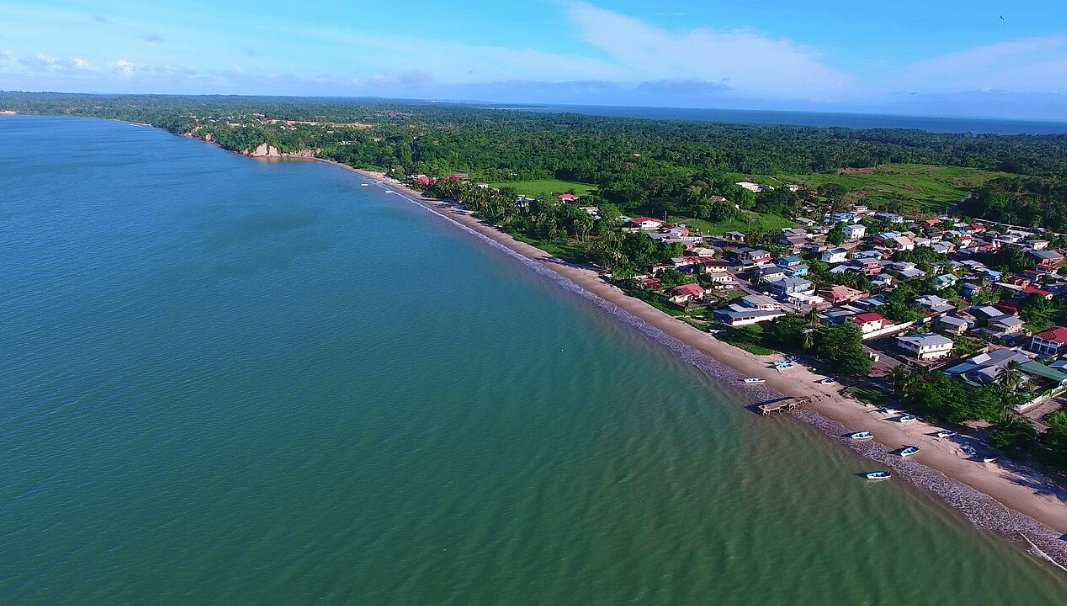
The recent exchange between Trinidad and Tobago and Venezuela over an oil spill in the Gulf of Paria highlights the delicate balance of shared waters, economic interests and environmental responsibilities that bind the two nations. As reports of the May 2026 incident circulate, both governments seek to protect their coastal communities while maintaining open channels for dialogue. This situation underscores how even modest offshore events can ripple across borders in a region already facing climate pressures.
The Incident Comes to Light
In the warm waters that link our twin-island home with Venezuela, a fresh disagreement has surfaced over an oil spill in the Gulf of Paria. According to available reports, Venezuela raised concerns on 9 and 10 May 2026 about possible damage reaching the states of Sucre and Delta Amacuro. The claim points to an event said to have begun on 1 May from Trinidad's Main Field offshore production area. Trinidad and Tobago has described the release as limited, with roughly 10 barrels involved and the flow halted inside 48 hours. No visible hydrocarbons appeared on the shoreline during checks by local response teams.
These shared waters have long supported fishing families on both sides, and any threat to them touches daily life in coastal villages. The Gulf remains a shallow inlet where currents can carry material across borders, reminding us how closely our communities are connected by the sea.
Venezuela's Formal Request
Caracas has asked for information and possible compensation, citing risks to ecosystems in the affected Venezuelan states. The statement frames the matter as one that could bring serious environmental harm to the shared Gulf. Such calls echo earlier exchanges between the two countries over similar issues, though details of past cases stay limited in public records.
For people living along Trinidad's western coast, news of trouble in the Gulf often brings worry about livelihoods tied to the sea. Fisherfolk here know the value of clean waters, and any spill, however small, can stir memories of how energy work and daily needs sometimes pull in different directions.
The diplomatic process between Trinidad and Tobago and Venezuela over shared resources in the Gulf of Paria has long required careful handling, as both nations rely on these waters for fishing and energy activities. Recent exchanges follow established channels where concerns are raised through official notes, allowing each side to present its account while keeping lines open. This approach reflects the reality that environmental matters cross borders and demand steady communication to prevent small issues from growing larger.
The Nabarima FSO tanker incident in 2020, when the vessel carrying 1.3 million barrels of oil nearly capsized in the same Gulf, remains fresh in community memory and forms part of a longer pattern of environmental concerns. That near-miss highlighted how quickly risks can build in these shared waters, and the current May 2026 matter fits into the same sequence of events that affect coastal families on both sides. Local fishers continue to watch developments closely, knowing that repeated incidents can strain trust even when volumes stay modest.
Trinidad and Tobago's Account
Officials in Port of Spain maintain that the 1 May release stayed minor and was contained quickly. Response teams reported no shoreline traces after their surveys, suggesting the impact remained offshore. This position stresses rapid action and limited volume, placing the event within the bounds of routine offshore operations in the Main Field area.
Our energy sector has long formed a backbone for jobs and revenue in Trinidad and Tobago. Balancing production with care for the marine environment stays a constant task, especially when neighbours share the same body of water. The cautious language used by both sides shows how sensitive these matters can become.
Energy Sector and Economic Reality
Trinidad's offshore energy sector, centred on areas such as the Main Field, has provided steady work and revenue for generations, with Petrotrin and Atlantic LNG forming key parts of the national picture. These operations support jobs in production, transport and related services, helping to keep the economy moving in a small island setting where energy exports play a central role. The sector's presence in the Gulf of Paria ties directly to daily life for many households that depend on the income it brings.
Energy revenue flows into the national budget and helps manage the cost of living through subsidies and public services that communities rely on. When production levels hold steady, families feel the benefit in areas such as fuel prices and social programmes, yet any disruption can quickly affect household budgets across the country. This connection makes environmental incidents in offshore zones a matter of broad interest rather than a concern limited to one industry.
Balancing energy production with environmental protection remains a constant task in a small island state where the sea supports both livelihoods and natural heritage. Officials and communities alike recognise that careful monitoring and quick response help maintain this balance, especially when neighbours share the same waters. The focus stays on keeping operations safe while protecting the marine resources that sustain fishing and tourism alongside energy work.
Shared Ecosystem at Stake
The Gulf of Paria supports a range of marine life that moves freely between the two countries. Shallow depths and tidal patterns mean that even modest releases can travel, affecting mangroves, fish stocks and bird habitats on either shore. Climate change adds pressure through warmer waters and shifting weather patterns that already challenge coastal communities across the Caribbean.
Local realities in Trinidad remind us that tourism and fishing depend on healthy seas. When disputes arise over pollution, they touch not only government offices but also market vendors and boat owners who rely on steady catches. The cost of living rises when natural resources face extra strain, a concern felt in many CARICOM nations.
Regional Ties and CARICOM Links
Relations between Trinidad and Tobago and Venezuela form part of wider Caribbean diplomacy. Energy cooperation has at times offered mutual benefit, yet environmental questions can test those links. CARICOM frameworks encourage dialogue on shared challenges such as climate resilience and resource management, providing channels that both countries have used before.
Communities on our islands often view these neighbours as extended family, with cultural exchanges and family ties crossing the water. Keeping open lines of communication helps prevent small incidents from growing into larger rifts. The current exchange fits a pattern of environmental discussions that require steady, respectful handling.
Regional Implications
This dispute carries weight for CARICOM relations with Venezuela, as member states often look to Trinidad and Tobago for leadership on regional matters involving shared resources. Neighbourly ties in the Caribbean gain strength when environmental questions are handled through dialogue, yet tensions can ripple outward when concerns about spills reach other capitals. The current exchange shows how one incident can draw attention from the wider community of nations that value stable cooperation.
Caribbean nations watching environmental disputes between neighbours see lessons in how monitoring and agreements can support early action. International frameworks for tracking marine pollution offer tools that help smaller states protect their coasts without relying solely on bilateral talks. In this way, the Gulf of Paria matter reminds the region that collective standards and open reporting strengthen everyone's ability to safeguard the waters that connect us all.
Looking Toward Resolution
Both sides have presented differing descriptions of the 1 May event, and further exchanges of data may help clarify the picture. The emphasis on quick containment by Trinidadian teams stands alongside Venezuelan concerns about possible downstream effects. Such situations call for careful monitoring of the Gulf's currents and ecosystems in the weeks ahead.
In Trinidad, people understand that offshore work brings both opportunity and responsibility. As the energy sector continues to evolve, attention to spill prevention and rapid response remains important for protecting the waters that sustain us all. Dialogue between the two countries could yet lead to stronger joint practices that benefit the entire region.
Climate pressures and economic needs will keep shaping how we manage these shared spaces. With Carnival celebrations and community gatherings ahead, the focus stays on practical steps that safeguard livelihoods while respecting the bonds that tie Trinidad and Tobago to its closest neighbour.
By Sharon Sahatoo, Staff WriterThis article was produced with AI-assisted research and editorial support. Reporting is based on sources cited in the article.
What's Your Reaction?
 Like
0
Like
0
 Dislike
0
Dislike
0
 Love
0
Love
0
 Funny
0
Funny
0
 Wow
0
Wow
0
 Sad
0
Sad
0
 Angry
0
Angry
0

Caribbean Correspondent at Global1.News. Based in Port of Spain, Trinidad, covering Caribbean politics, economy, energy, climate, and culture. Amplifying the voices and stories of the Caribbean region.













Comments (0)