
India Toughens Anti-Paper Leak Bill Amid NEET Crisis
The Centre's decision to table a tougher anti-paper leak bill in Parliament marks a pivotal escalation in India's fight against exam fraud, directly targeting vulnerabilities exposed by the ongoing NEET-UG scandal that has shattered trust in medical admissions. With penalties now climbing to 5-10 years imprisonment and fines up to Rs 50 lakh, the move follows Prime Minister Narendra Modi's push for stricter enforcement amid student protests and repeated leaks affecting thousa
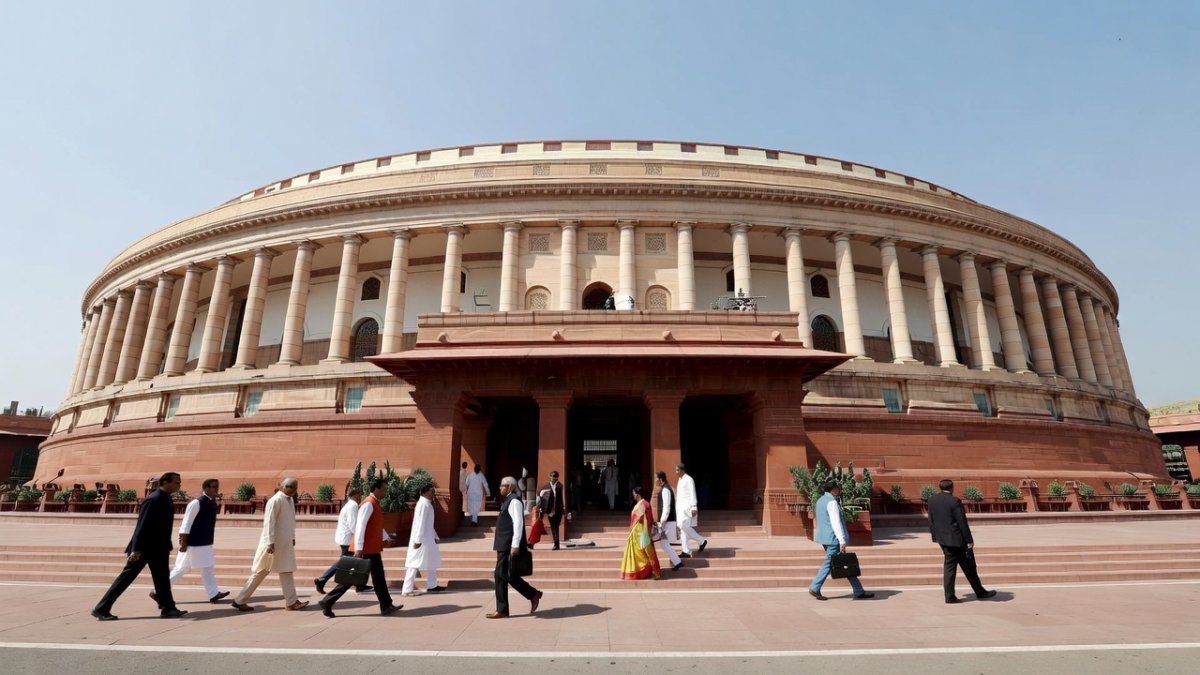
India Toughens Anti-Leak Bill Amid NEET Crisis
New Delhi, India — July 29, 2026 — The Public Examination (Prevention of Unfair Means) Amendment Bill, 2026 was introduced in the Lok Sabha by Union Minister Dr. Jitendra Singh on July 27, 2026, raising imprisonment terms from the previous 3-5 years to 5-10 years and lifting the maximum fine from Rs 10 lakh to Rs 50 lakh. The Union Cabinet cleared the bill following Prime Minister Narendra Modi's directive for stricter enforcement after the 2024 Public Examinations Act's penalties of up to ten years imprisonment and Rs 1 crore fines proved insufficient against persistent breaches.
The Legislative Response to Exam Irregularities
The 2026 amendment mandates real-time CCTV integration with the National Testing Agency's central command and establishes a dedicated National Examination Integrity Authority following Cabinet approval in March 2026 after inter-ministerial consultations involving the Ministry of Education, Home Affairs, and Law. These changes apply directly to public examinations that feed India's medical education pipeline, including NEET-UG, which determines entry into MBBS programmes across government medical colleges in states such as Uttar Pradesh, Tamil Nadu and Bihar. Unlike the US's Computer Fraud and Abuse Act, which focuses on digital intrusions, or China's Gaokao-specific criminal code carrying life sentences, India's framework emphasises preventive technology over punitive escalation, while the UK's Ofqual model relies on independent audits rather than new legislation. The stricter penalties may deter organised syndicates, yet they burden the NTA with upgraded cybersecurity infrastructure, while AIIMS and ICMR must now align their entrance protocols with the amended Act, increasing compliance costs and delaying admission cycles.
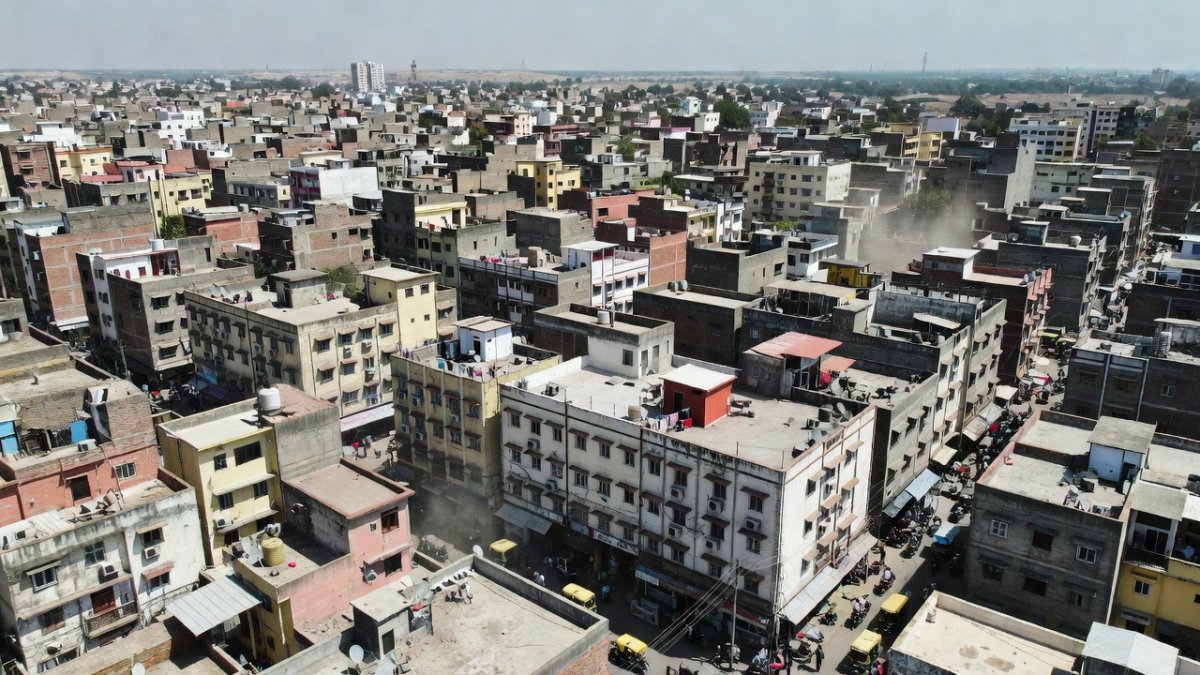
Context of the NEET-UG Irregularities
The NEET-UG leak surfaced in May 2024 when discrepancies in scores from Bihar and Maharashtra triggered investigations, ultimately affecting over 2,400 students across six states including Rajasthan, Gujarat, and Haryana. Student protests erupted at Jantar Mantar in New Delhi on July 20 after reports of the NEET-UG paper leak surfaced, with protests in June drawing approximately 3,500 participants and police reports noting minor injuries to 12 demonstrators during clashes. Police deployed pellet guns and shock batons to manage crowds, prompting fresh allegations of excessive force. Student organisations such as the All India Medical Students' Association and NSUI leveraged Instagram and X to coordinate nationwide demonstrations, amplifying demands for NEET abolition. The episode follows repeated leaks that have undermined trust in the National Testing Agency's processes, as proponents argue the exam favours urban coaching hubs while counter-arguments from the Indian Medical Association highlight that scrapping NEET would fragment admissions and revive state-level corruption.
Parliamentary Debates and Political Exchanges
Speaker Om Birla ended a six-day deadlock by allocating six hours for discussion. Congress MP Shashi Tharoor stressed that punishment arrives only after damage occurs and called for preventive structural reforms. Minister Kiren Rijiju countered that the opposition was politicising the matter for electoral gain. DMK MP Tiruchi Siva demanded outright abolition of NEET, citing rising student suicides in Tamil Nadu linked to repeated exam failures. Congress MP Manickam Tagore highlighted concerns over police action against peaceful demonstrators. These exchanges reflect the deep federal tensions between the Centre's standardised testing regime and state-level demands for regional autonomy in medical admissions.
Implications for Aspiring Medical Professionals
Indian students from lower-income households in districts such as Gaya in Bihar and Villupuram in Tamil Nadu now face heightened stakes, as coaching centres in Kota charge annual fees between Rs 1 lakh and Rs 3 lakh with over 200,000 students enrolling each year, many from lower-middle-class families that incur heavy debt. A single failed attempt due to leaks can delay entry into the healthcare workforce by at least one year, reducing the supply of doctors in rural primary health centres, while dropout rates exceed 40 percent according to local education surveys as repeated failures compound financial strain. Parents who mortgage land or take education loans bear direct financial strain, with no guaranteed return on investment if the examination system remains vulnerable. NCRB data from 2023 recorded 26 suicides among NEET aspirants in Rajasthan alone, underscoring severe mental health pressures linked to performance anxiety and social stigma, as delayed entry into medical colleges extends the average timeline to become a practising doctor by two to three years and raises opportunity costs estimated at Rs 15-20 lakh in foregone earnings.
The psychological toll extends far beyond finances. Studies indicate over 60 percent of NEET aspirants report chronic stress from repeated mock tests and parental expectations, with the coaching industry now valued at Rs 58,000 crore perpetuating a culture of rote memorisation over holistic learning. Unlike JEE's engineering focus or UPSC's broader civil services framework, NEET's singular medical gateway intensifies competition — 2.1 million applicants vie for approximately one lakh MBBS seats annually. Students who fail after two or three attempts face severe social stigma and often pivot to paramedical courses or private colleges abroad, while families endure unrecoverable economic strain from years of coaching fees averaging Rs 1.5 lakh annually plus accommodation costs in Kota and other hub cities.
Broader Effects on India's Education Framework
The amendment intersects with the National Education Policy's emphasis on integrity in high-stakes testing, yet alignment with NEP 2020 requires integrating multidisciplinary entrance testing while the paper-leak crisis has slowed implementation. States like Maharashtra and Karnataka, which host large numbers of NEET aspirants, will see downstream effects on their medical college seat allocations, as Tamil Nadu continues to oppose NEET through legislative resolutions and Maharashtra has raised concerns over regional language equity in digital formats. Taxpayers funding the National Testing Agency through the Union Budget will expect measurable reductions in leak incidents, measured against the 2024-2025 baseline of multiple reported breaches, though the NTA's 2025 budget allocation of Rs 180 crore remains insufficient for nationwide biometric and AI-based proctoring upgrades. Global benchmarks reveal gaps, as the SAT employs adaptive testing with encrypted question banks, China's Gaokao uses military-grade logistics, and JEE Advanced incorporates blockchain verification, requiring India to invest in comparable digital infrastructure to restore credibility across central and state examination systems.
Calls for Systemic Overhaul in Medical Admissions
Opposition voices have linked the bill to wider healthcare workforce planning failures, with data from the Medical Council of India showing that states with high NEET failure rates also report persistent shortages of specialists in district hospitals. Tamil Nadu's long-standing opposition to NEET stems from concerns that the exam disadvantages students from state board curricula, while comprehensive reform including hybrid state-central admission models could stabilise the pipeline of qualified medical graduates needed to meet India's doctor-to-population ratio targets.
Kerala's centralised counselling system offers one successful model, demonstrating transparent seat allocation and reduced litigation. Integrating mental health counselling into the examination cycle could mitigate the distress that contributes to over 50 suicides annually among medical aspirants. International benchmarks reveal Japan's multi-stage medical exams emphasise practical skills over rote memorisation, while the US MCAT and UK UCAT incorporate aptitude testing rather than subject-matter recall alone. Under NEP 2020, phased implementation of common entrance reforms is slated for 2025 to 2030, with the potential introduction of modular assessments that could alleviate the single-exam pressure that currently defines India's medical admissions landscape.
Future Outlook for Examination Integrity
Implementation of the amended penalties will be monitored through the Ministry of Education's annual reports, with the first review expected after the 2027 examination cycle. For Indian parents and students, the legislation signals a tougher stance but leaves open questions about equitable access and mental health support. Strengthening forensic capabilities at examination centres in sensitive regions such as eastern Uttar Pradesh and southern Tamil Nadu remains essential, as only when preventive technology and curriculum alignment accompany punitive measures will the system deliver reliable pathways into the medical profession for the next generation of Indian healthcare providers. — By Dr. Raj Patel, Staff Writer
This article was produced with AI-assisted research and editorial support. Reporting is based on sources cited in the article.
What's Your Reaction?
 Like
0
Like
0
 Dislike
0
Dislike
0
 Love
0
Love
0
 Funny
0
Funny
0
 Wow
0
Wow
0
 Sad
0
Sad
0
 Angry
0
Angry
0

India/South Asia Correspondent at Global1.News. Analytical voice with a background in science and health journalism. Based in New Delhi, covering Indian politics, education, healthcare, technology, and policy. Breaks down complex data into clear, actionable reporting.











Comments (0)