
Lacson Submits Taguig Infrastructure Files to Ombudsman in Expanding Graft Probe
Senator Lacson submits P14.4B Taguig graft evidence to Ombudsman amid Cayetano feud, alleging illegal reclamation, ghost projects, and recycled photos.
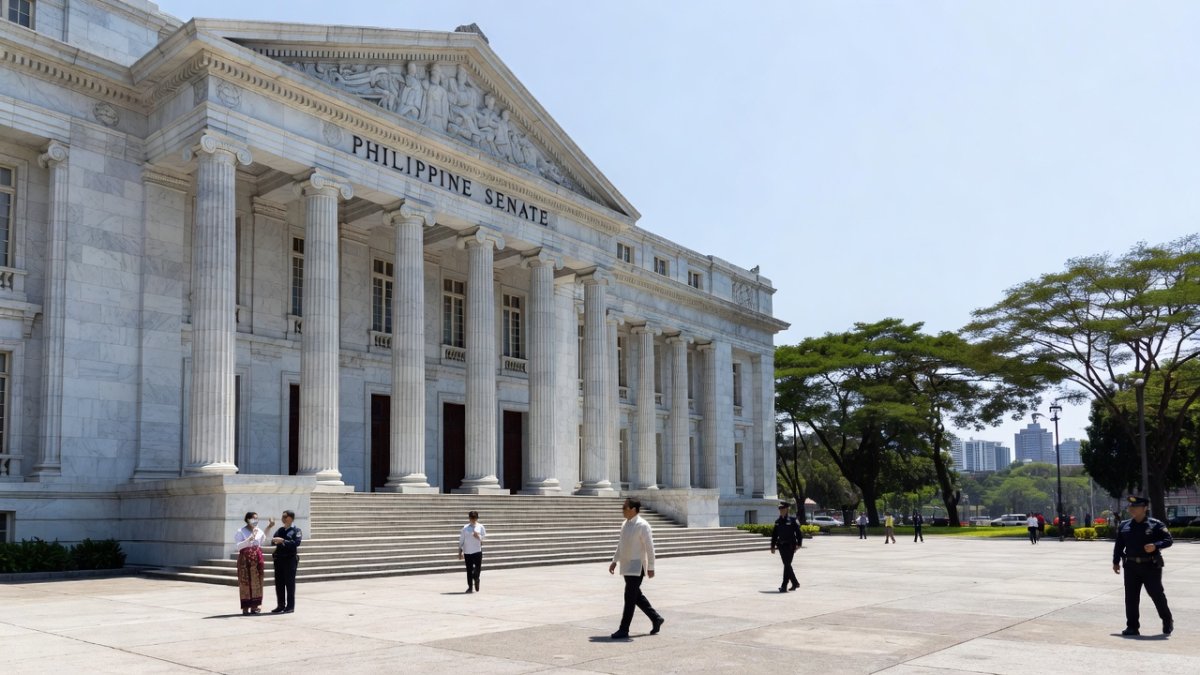
The Evidence Reaches the Ombudsman
On July 28, 2026, Senator Panfilo Lacson formally turned over a thick dossier of infrastructure records to the Office of the Ombudsman, marking a significant escalation in the scrutiny of public works spending in Taguig City. The submission drew from official government databases as well as confidential sources, painting a picture of systemic irregularities that could lead to charges of plunder, malversation, and violations of Republic Act 3019, the Anti-Graft and Corrupt Practices Act. Lacson, known for his methodical approach to legislative oversight, emphasized that the materials were compiled meticulously to withstand legal scrutiny.
The Ombudsman is now tasked with determining whether the evidence warrants formal investigation and possible indictment. In Philippine politics, such referrals often test the institution's independence, especially when high-profile figures are involved. Lacson stated that the files reveal patterns of abuse that go beyond isolated mistakes, urging swift action to protect public funds. This move comes at a time when public trust in infrastructure projects remains fragile following years of flood-control controversies in provinces like Bulacan.
Observers note that Lacson's decision to bypass preliminary Senate channels and go directly to the Ombudsman signals his determination to pursue accountability outside the polarized atmosphere of the upper chamber. The records reportedly include project documents, payment vouchers, and photographic evidence that could form the backbone of any future case. With the 2025 midterm elections still fresh in memory, the timing underscores how infrastructure spending continues to dominate national discourse.
P14.4 Billion in Question
The scale of the alleged anomalies centers on P14.4 billion worth of Taguig infrastructure projects implemented between 2020 and 2025, a figure that investigators believe may grow as more documents surface. These projects range from flood-mitigation structures to road improvements, many of which were touted as transformative for the bustling city south of Manila. Yet the records suggest that a significant portion of the funds may have been misappropriated through sophisticated layering of contracts and approvals.
Taguig, long regarded as the political stronghold of Senate Minority Leader Alan Peter Cayetano, now finds itself at the center of what Lacson describes as a more intricate scheme than the flood-control irregularities previously flagged in Bulacan. The anomalies reportedly include illegal reclamation activities masked as slope-protection works, ghost projects that existed only on paper, double appropriations for the same sites, and the recycling of old photographs to claim completion of new contracts. One unnamed individual is alleged to have orchestrated the network of transactions.
Analysts point out that Taguig's rapid urbanization made it an attractive target for such schemes, as large budgets flowed into the city with relatively limited public scrutiny at the time. The expected increase in the total amount under review highlights how initial findings often expand once auditors dig deeper into layered procurement processes. Residents of Taguig, many of whom have long complained about persistent flooding despite heavy spending, now await clearer answers on where their tax money went.
The Senate Feud Intensifies
The submission has intensified the long-simmering rivalry between Senators Lacson and Alan Peter Cayetano, two veteran lawmakers whose political paths have crossed repeatedly over the years. Cayetano's family has deep roots in Taguig politics, and the city serves as a reliable base for his legislative and electoral efforts. The probe arrives amid heightened tensions, with Cayetano recently labeling Senator Erwin Tulfo a "lapdog" of Lacson in a pointed exchange on the Senate floor.
Cayetano has also raised questions about the Statements of Assets, Liabilities, and Net Worth filed by both Lacson and Tulfo, framing the inquiry as politically motivated. In response, Tulfo has defended the Blue Ribbon Committee's work while noting that Cayetano maintains alliances with senators currently facing plunder charges themselves. This back-and-forth has drawn renewed attention to the personal and professional dynamics that often shape Senate investigations in the Philippines.
Political watchers recall that similar feuds have historically delayed or diluted major probes, yet Lacson's direct approach to the Ombudsman may limit opportunities for procedural roadblocks. The personal stakes are high for both senators, each of whom carries significant influence within their respective blocs. Public reaction on social media has been swift, with many Filipinos expressing fatigue over recurring elite rivalries that overshadow substantive governance issues.
Blue Ribbon Committee Under Pressure
Senator Erwin Tulfo, who chairs the Senate Blue Ribbon Committee, has publicly stated that members of the majority bloc approached him to halt ongoing hearings into the infrastructure anomalies. "Sila na po yung nakikiusap na wag na daw po namin ituloy ang Blue Ribbon," Tulfo said, underscoring the pressure placed on the committee. He added that the direction of the investigation is obvious: "Obvious, sinong pinapa-imbestiga, sinong tinutumbok ni Sen. Lacson?"
These remarks reveal the internal tensions within the Senate, where committee work can become entangled with personal loyalties and bloc alignments. Tulfo's comments suggest that efforts to shield certain projects or individuals may have originated from within the chamber itself. The Blue Ribbon Committee's mandate to investigate anomalies in government contracts now faces both external political resistance and internal maneuvering.
Despite the challenges, Tulfo has signaled his intent to continue the hearings, arguing that public interest demands transparency. The committee's work could complement the Ombudsman's review by generating additional testimony and documentary evidence. In the broader Philippine context, such committee probes have historically served as catalysts for larger accountability efforts when political will aligns.
What the Evidence Alleges
The documents submitted by Lacson detail several specific schemes allegedly employed in Taguig. Illegal reclamation activities were reportedly disguised as routine slope-protection projects, allowing contractors to expand land areas without proper environmental clearances. Ghost projects appear in the records as completed works that never existed on the ground, complete with fabricated progress reports and disbursements.
Double appropriations for identical project sites and the reuse of photographs from earlier contracts further illustrate the alleged sophistication of the operation. These practices, investigators claim, were coordinated by a single key figure who managed approvals across multiple agencies. The complexity of the scheme reportedly surpasses earlier anomalies uncovered in Bulacan, where flood-control projects drew similar scrutiny.
Technical experts reviewing the files have noted that the patterns suggest deliberate circumvention of standard bidding and inspection protocols. If proven, these allegations could expose vulnerabilities in the country's public-works procurement system that have persisted across administrations. The evidence now rests with the Ombudsman for further validation and possible criminal proceedings.
Implications for Accountability
The coming weeks will test the Ombudsman's capacity to handle a case of this magnitude while navigating intense political crosscurrents. Should formal charges be filed, the proceedings could stretch into the next electoral cycle, keeping infrastructure accountability at the forefront of public debate. Civil-society groups have already called for transparent updates to maintain pressure on the process.
Ultimately, the outcome will influence how future infrastructure budgets are scrutinized, particularly in politically sensitive localities like Taguig. Lacson's move to involve the Ombudsman directly may set a precedent for bypassing Senate gridlock when evidence of large-scale graft emerges. For ordinary Filipinos who endure the daily consequences of substandard or missing public works, the case represents another chapter in the long struggle for genuine accountability.
Whether the evidence leads to convictions or merely prolonged hearings remains to be seen, yet the submission itself has already reshaped the conversation around public spending. The Ombudsman now holds the key to determining if justice will follow the paper trail.
By Bella Reyes, Staff Writer
This article was produced with AI-assisted research and editorial support. Reporting is based on sources cited in the article.
What's Your Reaction?
 Like
0
Like
0
 Dislike
0
Dislike
0
 Love
0
Love
0
 Funny
0
Funny
0
 Wow
0
Wow
0
 Sad
0
Sad
0
 Angry
0
Angry
0

Philippines/Southeast Asia Correspondent at Global1.News. Manila-based journalist covering Philippine politics, environment, maritime security, and social issues. Passionate about marine conservation and the communities protecting the Philippines' natural heritage.












Comments (0)